Can You Put Algae Eater With Betta Fish in Same Tank
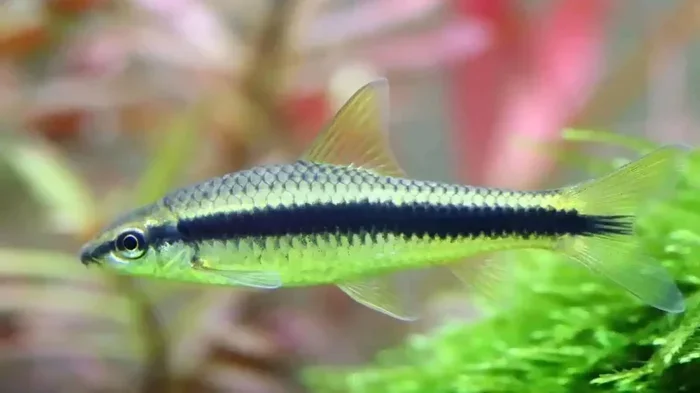
Can you put algae eater with betta fish in one tank? Yes, but only with a calm species and enough room. Nerite snails, Amano shrimp, otocinclus, and small corydoras can work well. Always use a cycled tank, add cover, and watch for stress or repeated attacks.
Can You Put Algae Eater With Betta Fish in Same Tank
An algae eater can help control algae in a betta tank. Still, the name covers snails, shrimp, loaches, and catfish. Some are calm tank mates, while others may nip fins or outgrow the tank.
If your question is, “Can you put algae eater with betta fish,” the answer is yes, under the right conditions. You need a peaceful betta, a suitable algae-eating species, and a well-planned community aquarium. This guide will help you pick the right cleaner, set up the tank, and add it without causing stress.
Key Takeaways
- Choose the species first: A nerite snail or Amano shrimp is often safer than a large pleco or loach.
- Match the tank size: A 5-gallon tank may suit a betta alone, but most algae eaters need more space as they grow.
- Build separate zones: Plants, caves, and open swim areas let each animal avoid the other.
- Start with clean water: Both fish need a fully cycled tank with zero ammonia and nitrite.
- Add slowly: Acclimate the new animal and watch it closely for at least 72 hours.
- Act on stress: Repeated chasing, hiding, or failed feeding calls for immediate separation.
- Feed both needs: Bettas need protein, while algae eaters need algae wafers, biofilm, or suitable greens.
📑 Table of Contents
Can You Put an Algae Eater with a Betta Fish?
A betta can live with an algae eater when their needs do not clash. Bettas often stay near the top and middle of the tank. Many algae eaters work along the glass, plants, or tank floor. This split helps them share space with less direct contact.
That does not make every pairing safe. Bettas vary a lot in betta temperament. One may ignore a snail, while another may chase shrimp or nip at a slow-moving cleaner. The size of the tank also matters. A crowded 2.5-gallon bowl leaves little room for any second animal.
The Key Conditions for Success
These factors give both animals a much better chance:
- A peaceful betta that already eats and rests normally.
- A compatible species with a similar temperature range.
- Enough tank space for feeding, hiding, and daily movement.
- Plants and hiding places that break the line of sight.
- Stable water parameters with no ammonia or nitrite.
- Separate feeding spots so the betta cannot block the cleaner.
When You Should Skip the Pairing
Avoid adding an algae eater if your betta has a history of fin nipping, attacks shrimp, or stays tense in its tank. It is also a poor idea to add one to an uncycled bowl or a tank that is already overcrowded. Young, very small, or highly reactive bettas may also be poor choices.
Quick tip: Do not judge a betta by its looks. A long-finned betta is not always more aggressive, and a short-finned betta is not always gentle. Watch its daily behavior for at least a week before adding a slow tank mate.
Choose the Right Algae Eater for Your Tank
“Algae eater” is a job, not one fish species. A small snail may be ideal, while a fast loach may stress a betta. Adult size matters more than the size you see in a shop. Many cleaners grow well past their first few months.
If you want a broader look at this pairing, see our guide to mixing a betta fish with an algae eater.
Common Choices Compared
| Algae Eater | Best Tank Size | Typical Betta Fit | Main Note |
|---|---|---|---|
| Nerite snail | 10 gallons or more | Usually good | Calm glass cleaner that needs calcium. |
| Amano shrimp | 5 gallons or more | Maybe | Bettas may eat young shrimp, so keep extra adults. |
| Otocinclus | 18–20 gallons | Good in a group | Needs six or more fish and a mature, algae-rich tank. |
| Corydoras catfish | 20 gallons or more | Good in a group | Needs soft gravel and space along the bottom. |
| Bristlecone pleco | 55 gallons or more | Often poor | Far too large for most betta setups. |
| Chinese algae eater | 55 gallons or more | Risky | May grow large and become territorial. |
| Common pleco | 75 gallons or more | Poor choice | Can become huge, messy, and hard to house. |
Species to Favor and Avoid
For many betta tanks, a nerite snail is the easiest choice. It stays small, moves slowly, and does not bother a betta’s fins. Adult Amano shrimp can also work in a calm tank. Otocinclus and corydoras are good for larger, mature tanks when kept in proper groups.
Avoid large plecos, bala sharks, large loaches, and aggressive Chinese algae eaters. They need much more room or may bother the betta. If you are considering a small algae catfish for a male betta, check its adult size and behavior before buying it.
Temperature also plays a role. Most bettas do best near 78°F. Nerite snails and Amano shrimp can handle this range. Otocinclus and corydoras may prefer slightly cooler water, so choose a stable middle range instead of moving the tank up and down.
Set Up the Tank for Both Fish
Use Enough Tank Space
A betta needs at least a 5-gallon tank. A 10-gallon, long tank is a better base for adding another animal. It gives the betta surface access and leaves room for a bottom dweller or plant cleaner. Always follow the needs of the algae eater if they require more space.
Use a heater and filter in every tank over a few gallons. Bettas do not thrive in cold, stagnant water. Choose a gentle filter that creates flow but not a strong current. Most community fish prefer calm water with stable water parameters.
Add Cover and Clear Swimming Areas
Live plants create shade, soft cover, and natural algae. Broad-leaf plants can give a betta a place to rest. Floating plants help it feel secure. Caves, cork caves, and driftwood give the cleaner a way out of sight.
You can also read whether you can put plants in with betta fish before choosing decor. Leave open floor space if you keep corydoras. Sharp rocks and rough plastic can scrape their barbels. A tight lid is useful for snails, since some may climb when conditions are not right.
Start With a Fully Cycled Tank
A cycled tank uses helpful bacteria to turn toxic waste into less harmful nitrate. Before adding any animal, ammonia and nitrite must read zero. Nitrate should ideally stay below 20–40 ppm. Run the filter, test the water, and make partial water changes when needed.
Feed the betta a quality pellet or pellet mix. Offer frozen or live foods when suitable. The algae eater needs algae wafers, algae sheets, blanched zucchini, or other safe greens. Do not expect wafers to feed your betta, since a betta is a carnivore.
Quick tip: Put one food near the top and one near the bottom. Feed the betta first if it tends to guard food. Remove uneaten greens and wafers after a few hours to protect water quality.
Add the Algae Eater Safely
Prepare and Quarantine First
Try to quarantine new animals for two to four weeks. This helps you spot illness before it reaches the main tank. It also shows how the animal behaves around other fish. Keep it in clean, heated, filtered water during this time.
Before release, match the water temperature. Float the sealed bag or container for 15–20 minutes. Then add small amounts of tank water over 20–30 minutes. This is called drip acclimation, and it helps sensitive shrimp and otocinclus adjust.
Use a Careful Introduction
- Confirm that ammonia and nitrite are zero.
- Turn off bright lights to reduce stress.
- Add the algae eater near cover, away from the betta.
- Watch for the first 10–20 minutes without feeding.
- Return the betta if you held it aside.
- Keep a close watch for at least 72 hours.
If your betta is a known shrimp eater, skip Amano shrimp. If it attacks every new fish, do not test it with a slow animal. You may need to keep the betta alone or choose a much harder, more distant tank mate.
What to Expect in the First Few Days
A brief flare, quick chase, or moment of curiosity is not always a problem. The betta may be reacting to a new shape. A safe pairing should settle down. The cleaner should feed, the betta should rest, and neither animal should hide nonstop.
Expert insight: Think in tank zones, not just gallon counts. Give the betta upper and middle space, the cleaner bottom or glass space, and cover between them. Easy feeding also lowers competition.
Watch for Stress, Aggression, and Feeding Problems
Signs Your Betta May Be Too Aggressive
- Repeatedly chasing or cornering the algae eater.
- Constant flaring, pinned fins, or closed mouth posture.
- Nipping at fins, shells, or shrimp.
- Refusing food because it is focused on the new animal.
- Hiding for long periods or jumping at the glass.
One short flare can be normal. Ongoing attacks are not. Do not wait for the betta to “learn its place.” That idea often leads to injury or death.
Signs the Algae Eater Is Stressed
Watch for darting, clamped fins, loss of color, constant hiding, or refusal to feed. A snail that stays stuck in one spot may be sick or reacting to poor water. Shrimp that hide all day or fish that scrape against decor need attention at once.
What to Do If Pairing Fails
Separate the animals immediately. Use a clean hospital tank with heat and gentle filtration, or return the algae eater to a safe store credit option. Do not move the betta and cleaner back into the same tank to “try again.” Stress can make the next attack worse.
Keep the Tank Clean
Overfeeding algae wafers is a common cause of bad water. Uneaten food can raise ammonia and cloud the water. Make a weekly schedule with 20–30% water changes, filter rinsing, and testing. Clean dead snails at once, since they can spoil the water fast.
A tank with very little algae may not support otocinclus or some shrimp. That does not mean you should overfeed. Mature tanks often have enough biofilm and soft algae for a small, proper group.
Common Mistakes, Expert Tips, and Final Verdict
Common Mistakes to Avoid
- Buying the smallest size: Many plecos and loaches grow far larger than expected.
- Adding too many cleaners: Several small animals can still create too much waste.
- Skipping the tank cycle: New tanks often have dangerous ammonia spikes.
- Using a bowl: Small bowls heat and dirty too quickly.
- Ignoring the betta’s past behavior: A history of attacks matters more than hope.
- Expecting one fish to solve algae: Good feeding, cleaning, and light control still matter.
Expert Tips for a Calm Community Tank
- Start with one easy species, such as a nerite snail.
- Choose a long tank so animals can use separate zones.
- Add plants and cover before the new animal arrives.
- Feed each species where the other cannot block access.
- Observe normal behavior for one to two weeks after setup.
- Remove the cleaner at the first sign of serious injury.
Final Verdict
Can you put algae eater with betta fish in the same tank? Yes, when you choose a calm, compatible animal and build a tank with enough room, cover, and clean water. For many keepers, a nerite snail is the safest first choice. Amano shrimp, otocinclus, and corydoras can work in larger, mature tanks.
The strongest closing takeaway is simple: match the species, respect the betta’s personality, and be ready to separate them. A shared tank should look calm, not like a constant chase. When in doubt, keep the betta alone and use a separate planted tank for other cleaners.
Frequently Asked Questions
Can I put a pleco with a betta fish?
A common pleco is a poor choice for most betta tanks because it grows very large and makes a lot of waste. A bristlecone pleco may fit only in a large tank of at least 55 gallons. Always check the adult size before buying.
Can a betta and nerite snail live together?
Yes, a nerite snail is often one of the safest algae eaters for a betta. It stays small and normally does not nip fins. Give it a calcium source and keep the tank well filtered.
Will a betta eat Amano shrimp?
Some bettas will eat Amano shrimp, especially juveniles. Even a fish that ignores shrimp once may change its mind later. Only try this pairing with a known peaceful betta and keep extra adult shrimp in the tank.
How many algae eaters can I add to a betta tank?
There is no safe number for every tank. A 10-gallon tank may suit one snail, while otocinclus need a larger tank and a group of at least six. Base your choice on adult size, waste, and available hiding places.
How long should I watch after adding the algae eater?
Watch closely during the first 72 hours, then check daily for at least one to two weeks. Stop the pairing if you see repeated attacks, severe hiding, injury, or failed feeding. Early action can save the cleaner’s life.
Why is my betta attacking the algae eater?
Your betta may see movement as a threat, guard territory, or respond to stress from poor water. It may also have a naturally aggressive personality. Separate the animals if the attacks continue, even when the tank has plenty of cover.