No, turtles should not eat betta fish food. While your turtle might go after it, betta pellets are formulated for carnivorous fish and contain dangerously high levels of protein and fat for turtles. Regularly feeding betta food can lead to severe, long-term health problems like pyramiding (a deformed shell), obesity, and kidney disease. Turtles require a species-specific, balanced diet that is much lower in protein and higher in fiber and calcium. The safest approach is to always use high-quality, commercially prepared turtle pellets or fresh vegetables as the staple of their diet.
Key Takeaways
- Fundamental Dietary Mismatch: Bettas are obligate carnivores needing a diet of ~50%+ protein and fat, while most pet turtles are omnivores or herbivores requiring a much lower protein intake (often 15-25% for adults).
- High Protein & Fat Content: Betta pellets are packed with animal-based proteins and oils, which overwhelm a turtle’s digestive system and kidneys, leading to toxic waste buildup and organ strain.
- Risk of Shell Deformities: Excess protein, particularly from animal sources, is a primary cause of “pyramiding” (raised scutes on the shell) and other shell growth problems in growing turtles.
- Nutritional Imbalance: Betta food lacks the critical calcium-to-phosphorus ratio (ideally 2:1) and Vitamin D3 that turtles need for healthy shell and bone development.
- Not a Suitable “Treat”:strong> Even occasional feeding of betta food introduces unhealthy fats and proteins. There are no nutritional benefits; only risks.
- Species-Specific Needs: A baby red-eared slider has different needs than an adult box turtle. Always research your specific turtle’s natural diet.
- Stick to Proven Foods: The foundation of a healthy turtle diet should be a high-quality, reptile-branded turtle pellet supplemented with appropriate leafy greens, aquatic plants, and occasional approved protein sources.
📑 Table of Contents
- Why This Question Even Comes Up: The Turtle in the Fish Tank Scenario
- Decoding the Diets: Turtle vs. Betta
- The Domino Effect of Danger: What Happens When Turtles Eat Betta Food
- The Right Path: Building a Species-Appropriate, Balanced Diet
- Species-Specific Considerations: It’s Not One-Size-Fits-All
- The Bottom Line: A Simple Rule for a Healthy, Happy Shell
Why This Question Even Comes Up: The Turtle in the Fish Tank Scenario
It’s a classic and often hilarious scene in home aquariums and ponds: a curious turtle, perhaps a young red-eared slider, paddles over to the betta fish’s feeding spot, watches the tiny pellets drop, and snaps them up with gusto. The turtle seems to love it! The betta, usually a bit territorial, might even flare at the intruder. To a well-meaning pet owner, it looks like a harmless snack, maybe even a convenient way to use up extra betta food. But this seemingly innocent act is a significant dietary misstep with potentially serious consequences for your turtle’s long-term health.
The core of the issue lies in one of the most fundamental principles of pet care: dietary needs are species-specific, not pet-type specific. Just because two animals live in water doesn’t mean they eat the same thing. A betta fish is a specialized, carnivorous predator from the shallow, warm waters of Southeast Asia. Its entire physiology—from its digestive tract to its metabolic processes—is built to process a diet almost exclusively of insects, larvae, and tiny crustaceans. A turtle, even an aquatic one, is a reptile with a vastly different evolutionary history and nutritional blueprint. Feeding a turtle betta food is akin to feeding a human a steady diet of pure protein shakes and oil; it might provide calories, but it lacks essential balance and poisons the system over time.
Decoding the Diets: Turtle vs. Betta
To understand why betta food is so inappropriate, we need to do a side-by-side comparison of what these animals are designed to eat in the wild and how their commercial foods reflect that.
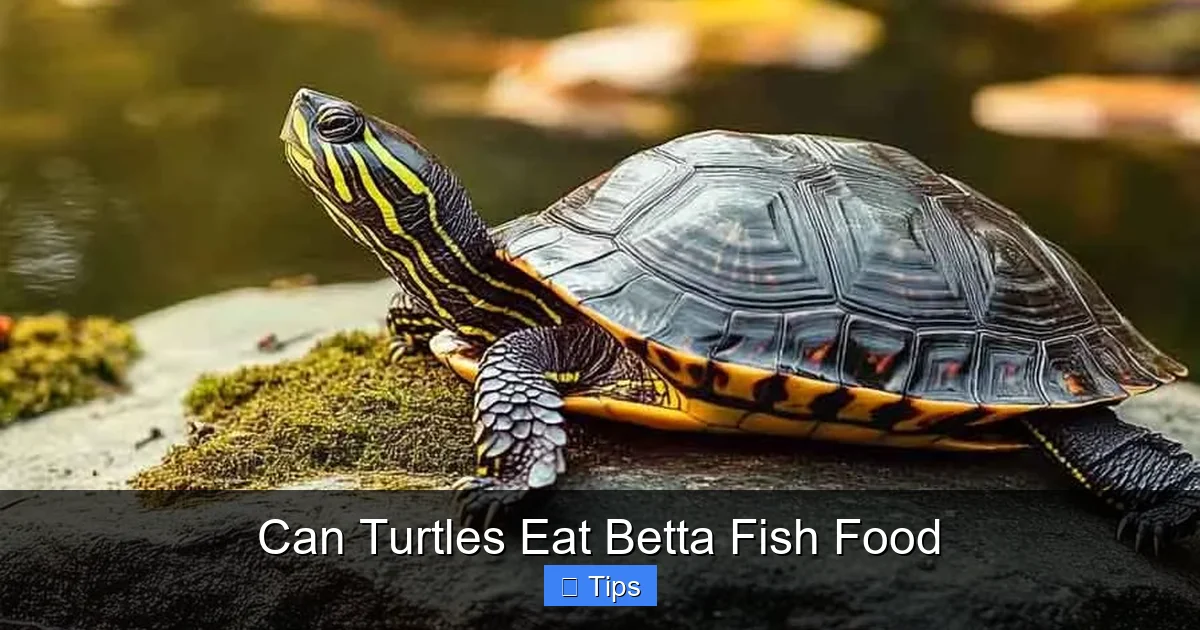
Visual guide about Can Turtles Eat Betta Fish Food
Image source: reptilescare.com
The Betta Fish: A Carnivorous Specialist
In its natural habitat, the Siamese fighting fish is a surface-dwelling predator. Its upturned mouth is perfect for snatching insects that fall into the water. Its digestive system is short and acidic, optimized for rapidly breaking down animal protein and fat. There is little to no plant matter in a wild betta’s diet.
This biology is directly mirrored in commercial betta pellets and frozen foods:
- Protein Content: Typically 40-50% or higher, sourced from fish meal, shrimp, squid, and bloodworms.
- Fat Content: Also very high, often 8-12% or more, to provide dense energy for their active, territorial nature.
- Fiber & Carbohydrates: Extremely low. Their systems are not built to process plant matter.
- Calcium & Phosphorus: Present, but the ratio is not a primary concern for fish as it is for shelled reptiles.
The goal of betta food is maximum growth, vibrant color, and high energy—achieved through a dense animal-protein profile.
The Turtle: An Omnivore (Or Herbivore) With Complex Needs
This is where the biggest divergence occurs. The dietary needs of a turtle depend entirely on the species, but the vast majority of popular pet turtles—like the red-eared slider, painted turtle, and map turtle—are omnivores. Their wild diet consists of aquatic plants, algae, fallen fruits, insects, small fish, and carrion. The ratio of plant to animal matter shifts dramatically with age; juveniles need more protein for growth, while adults require a predominantly plant-based diet.
Even strictly herbivorous turtles, like many box turtles and tortoises (which are technically land-dwelling turtles), have a digestive system full of gut flora designed to ferment fibrous plant material. Their nutritional priorities are completely different:
- Protein: For adult omnivores, ideal protein is 15-25%. For herbivores, it should be below 15%. Excess protein is toxic.
- Calcium & Phosphorus: This is the most critical ratio. For healthy shell and bone formation, turtles need a calcium-to-phosphorus ratio of at least 2:1, preferably higher. Most commercial turtle pellets are formulated with this in mind and include a vitamin D3 supplement (essential for calcium absorption, which turtles synthesize from UVB light).
- Fiber: High fiber from leafy greens and aquatic plants is essential for proper digestion and gut motility.
- Fat: Should be kept low, generally under 6-8% for adults.
A turtle’s shell is not just a protective covering; it’s living bone, part of its skeleton. Building and maintaining it requires a precise, balanced influx of minerals, something betta food simply does not provide.
The Domino Effect of Danger: What Happens When Turtles Eat Betta Food
Feeding your turtle betta pellets isn’t just “not ideal”; it actively works against their physiology. The high-protein, high-fat formula triggers a cascade of negative health effects.
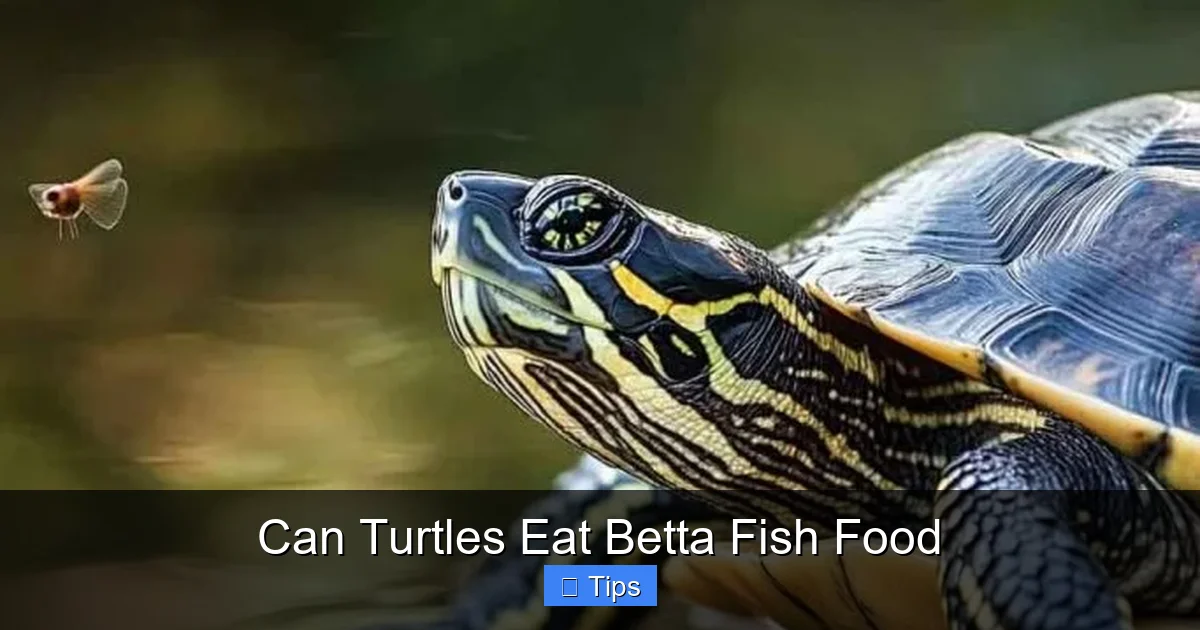
Visual guide about Can Turtles Eat Betta Fish Food
Image source: reptilescare.com
1. Pyramiding: The Iconic Shell Deformity
This is the most common and visible sign of dietary imbalance in growing turtles. Instead of the smooth, flat, or gently domed scutes (the individual plates on the shell), the scutes grow upward into distinct, raised pyramids. This is not a genetic trait; it is a direct result of excess protein, particularly animal protein, combined with insufficient calcium and UVB. The shell’s structure is compromised, becoming weaker and more prone to injury. Pyramiding is often permanent and indicates systemic nutritional stress.
2. Obesity and Fatty Liver Disease
Turtles have a slow metabolism. Dumping high-fat betta pellets into their system leads to rapid weight gain. An obese turtle is a suffering turtle. The fat accumulates not just under the skin but around vital organs, leading to fatty liver disease, which is often fatal. An overweight turtle will become lethargic, may have difficulty swimming and basking, and its lifespan will be significantly shortened.
3. Renal (Kidney) Failure
This is the silent killer. When a turtle consumes too much protein, its body breaks it down into amino acids. The waste product of this process is nitrogenous compounds (like uric acid and urea). Turtles excrete these primarily through their kidneys. A constant overload of protein waste forces the kidneys to work overtime, leading to chronic stress, damage, and eventual renal failure. Symptoms are often not seen until the disease is advanced, including lethargy, loss of appetite, and swollen joints.
4. Nutritional Deficiencies & Imbalances
While betta food is “rich,” it is rich in the wrong things. It is deficient in the key nutrients turtles need:
- Calcium: Without adequate, bioavailable calcium, the turtle’s body will leach it from its own bones and shell to maintain blood levels, leading to Metabolic Bone Disease (MBD). MBD causes a soft, rubbery shell and bones, deformities, and fractures.
- Vitamin D3: Essential for calcium absorption. Turtle pellets are fortified with it. Betta food is not.
- Fiber: Lack of fiber causes digestive issues like constipation and disrupts healthy gut bacteria.
So, your turtle is simultaneously being poisoned by too much of some things (protein, fat) and starved of others (calcium, fiber).
5. Water Quality Catastrophe
Betta food is designed to be eaten quickly by a fish. Turtle food pellets are often larger and may dissolve slower. But the real issue is the waste. Betta food’s high protein and fat content mean that any uneaten particles or turtle feces will break down into ammonia and nitrites much faster and more profusely. This creates a toxic spike in the aquarium or pond water, stressing or even killing your fish (including the betta!) and harming the turtle’s own skin and shell health.
The Right Path: Building a Species-Appropriate, Balanced Diet
Now that we’ve established the “why not,” let’s focus powerfully on the “what to do instead.” The good news is that providing a proper diet is straightforward once you know the rules.
Visual guide about Can Turtles Eat Betta Fish Food
Image source: reptilehere.com
The Golden Rule: High-Quality Turtle Pellets as the Foundation
Forget generic “reptile food” or “turtle food” from big-box stores. Invest in a reputable brand specifically formulated for your type of turtle (e.g., “Aquatic Turtle pellets,” “Slider pellets”). Brands like Rep-Cal, Zoo Med, and Exo Terra have research-backed formulas. These pellets are designed to provide:
- The correct protein level for your turtle’s age and species.
- The ideal calcium-to-phosphorus ratio (2:1 or higher).
- Added vitamins and minerals, including D3.
- They often float or sink, depending on the species’ feeding habit.
How to feed: Offer a quantity your turtle can consume within 5-10 minutes, once daily for juveniles (higher protein needs) and every other day for adults (lower protein needs). Remove any uneaten pellets promptly to maintain water quality.
The Vital Plant Component: Leafy Greens & Aquatic Veggies
For omnivores and herbivores, vegetables should make up 50-70% of an adult’s diet. Think of them as the main course, not a side dish. Excellent choices include:
- Dark, Leafy Greens: Dandelion greens (with flowers!), collard greens, mustard greens, turnip greens, kale (in moderation), romaine lettuce (not iceberg).
- Aquatic Plants: Duckweed, water lettuce, water hyacinth (if pesticide-free), anacharis.
- Other Veggies: shredded carrots, squash, bell peppers.
How to feed: Chop or shred greens and place them in the water. Your turtle will munch on them throughout the day. Remove any wilted remains after 24 hours.
Occasional Protein Treats (Not Betta Food!)
For omnivores, animal protein should be a supplement, not a staple. Offer these cooked or frozen/thawed (never live, to prevent injury and parasites):
- Earthworms or nightcrawlers (a favorite!)
- Mealworms or superworms (in moderation, high in fat)
- Crickets (dust with calcium powder)
- Small amounts of lean, cooked chicken or turkey (rarely)
- Small feeder fish (like guppies, but be aware of thiaminase in some fish)
Frequency: For an adult slider, protein treats 1-2 times per week are sufficient. Juveniles can have them 3-4 times per week.
Foods to Absolutely Avoid (Beyond Betta Pellets)
Create a mental “no” list. Never feed: lettuce (iceberg, no nutrition), spinach & Swiss chard (high oxalates bind calcium), beans, corn, dairy, processed human food, bread, or any meat with bones or skin. And again, never betta food, tropical fish food flakes, or goldfish food.
Species-Specific Considerations: It’s Not One-Size-Fits-All
While the “no betta food” rule is universal, the exact diet varies. Here are quick guidelines for common pets:
- Red-Eared Slider / Painted Turtle / Map Turtle (Aquatic Omnivores): As described above. Pellets + daily greens + 1-2x weekly protein.
- Mud Turtle / Musk Turtle (Small, Carnivorous Aquatic): These are more insect/fish-focused. They need a higher protein diet than sliders, but still not betta food levels. Feed them high-quality turtle pellets (some are formulated for “carnivorous” turtles), earthworms, blackworms, and small fish. Greens are less important.
- Box Turtle / Wood Turtle (Semi-Terrestrial Omnivores): They need a very varied diet with a heavy emphasis on vegetables and fruits (berries, melon), insects, and even mushrooms. Use a low-protein “tortoise” pellet as a supplement, not an aquatic turtle pellet. Their humidity needs are also different.
- Russian Tortoise / Greek Tortoise (Herbivorous Tortoises): These are grazers. Their diet should be 90%+ weeds, grasses, and leafy greens (dandelion, plantain, clover). They need a very high-fiber, very low-protein, low-sugar diet. A “tortoise” pellet is an okay supplement. Betta food would be utterly disastrous.
Action Step: Identify your turtle’s exact species. Search for “[Your Species] diet” from reputable sources like university veterinary extensions or established herpetological societies.
The Bottom Line: A Simple Rule for a Healthy, Happy Shell
Your turtle’s health is a direct reflection of its diet. That little turtle paddling over to the betta’s food isn’t “being bad”; it’s acting on instinct to eat something that moves. It’s our responsibility as caregivers to provide what is biologically correct, not what is momentarily convenient.
Betta fish food is a concentrated package of everything a turtle does not need in excess and lacks everything it does need. The risks—pyramiding, kidney failure, obesity—are severe and often irreversible. There is no scenario where the benefits outweigh the dangers.
Invest in a good turtle pellet, stock up on safe leafy greens, and research your specific turtle’s needs. By mimicking the balanced, fibrous, mineral-rich diet they would find in the wild, you are giving your shelled companion the best possible chance at a long, active, and healthy life. That smooth, solid shell you see on a thriving adult turtle? That’s the visual proof of excellent nutrition. Your turtle deserves that. So, when in doubt, remember: betta food is for bettas. Turtle food is for turtles. Keep them separate.
Frequently Asked Questions
Can I give my turtle just one or two betta pellets as a special treat?
No. Even a single “treat” introduces an unhealthy amount of protein and fat with zero beneficial fiber or calcium. There are no nutritional benefits, only risk. Stick to safe treats like a piece of earthworm or a leaf of romaine lettuce.
My turtle accidentally ate a few betta pellets. Is it an emergency?
One accidental ingestion is not an emergency and will not cause harm. The danger lies in consistent, repeated feeding. If it happens, simply ensure your turtle has clean water and resume its proper diet immediately. Monitor for any signs of illness, but a single incident is fine.
Are there any turtle species that can safely eat betta food?
No. While some aquatic turtles (like certain mud turtles) have higher natural protein needs than sliders, their needs still do not align with the extreme formulation of betta food. No commonly kept pet turtle species is adapted to a diet of 50%+ animal protein and fat. The risks of kidney damage and shell deformities apply universally.
How can I tell if my turtle is suffering from a poor diet like betta food?
Look for these signs: Pyramiding (raised shell scutes), a soft or “rubbery” shell (sign of Metabolic Bone Disease), unexplained weight gain or lethargy (obesity), swollen joints or limbs (kidney issues), and poor appetite. If you see any of these, consult an exotic veterinarian immediately and reassess your feeding regimen.
What’s the single biggest mistake people make when feeding aquatic turtles?
Overfeeding protein. Many owners assume turtles are always “carnivores” and feed them too many pellets, feeder fish, or meat. The single most important shift is to make vegetables the primary food source for adult omnivorous turtles, with pellets and animal protein as supplements. This prevents the majority of diet-related health issues.
Can I use betta food for my turtle in a survival situation if I run out of turtle pellets?
It is a very poor short-term substitute. If completely necessary, you could offer a very small amount (a couple of pellets) for one or two days only while you acquire proper food. However, you must prioritize obtaining species-appropriate turtle pellets or safe fresh vegetables (like romaine or dandelion greens) as soon as possible. Do not make it a habit.