Do Betta Fish Bite Humans The Truth About Their Bites

Many betta owners wonder, “Do betta fish bite humans?” The short answer is yes, but bites are rare and usually defensive. Understanding betta behavior, tank conditions, and proper handling can prevent most incidents. If a bite does occur, it’s usually mild but worth knowing how to treat.
When a new betta owner reaches into their tank and feels a sudden nip, the first thought is often, “Do betta fish bite humans?” The answer is a cautious yes, but the situation is rarely as alarming as it seems. Bettas are beautiful, confident fish known for their vibrant colors and bold personalities. Yet, like any pet, they have ways of communicating discomfort, territory, or stress. A bite is one of those signals, and understanding it can help you respond calmly and effectively.
This article dives deep into the world of betta behavior, exploring why a betta might bite a human, what those bites feel like, and how you can prevent them. We’ll also cover quick safety tips, first‑aid steps, and where to find more detailed information. By the end, you’ll know exactly how to coexist safely with your finned friend while ensuring they thrive in their environment.
Key Takeaways
- Understand Betta Nature: Bettas are territorial and may bite when they feel threatened, not out of aggression.
- Common Triggers: Sudden movements, hand proximity, and inadequate tank setup often provoke a bite.
- Prevention is Key: Provide hiding spots, stable water parameters, and gentle feeding routines to reduce bite risk.
- First Aid Matters: Clean the wound promptly and monitor for signs of infection or disease transmission.
- Seek Expert Advice: If bites are frequent, consult a vet and review tank conditions.
- Learn from Others: Check resources like Do Betta Fish Bite Hard and Do Betta Fish Attack Humans for deeper insights.
- Stay Informed: Knowing whether bettas can carry zoonotic diseases (see Do Betta Fish Carry Disease That Affects Humans) helps keep both fish and owners healthy.
📑 Table of Contents
Understanding Betta Behavior
The Natural Instincts of Bettas
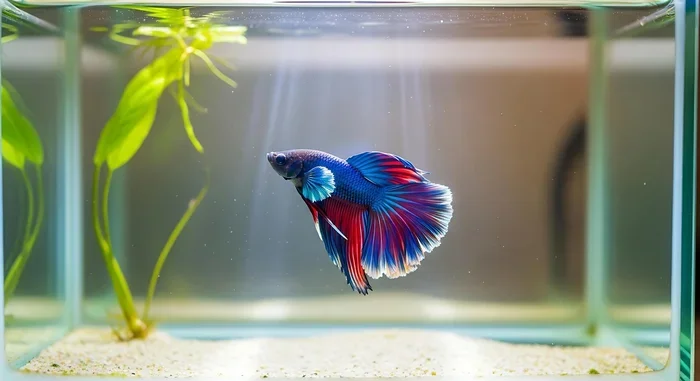
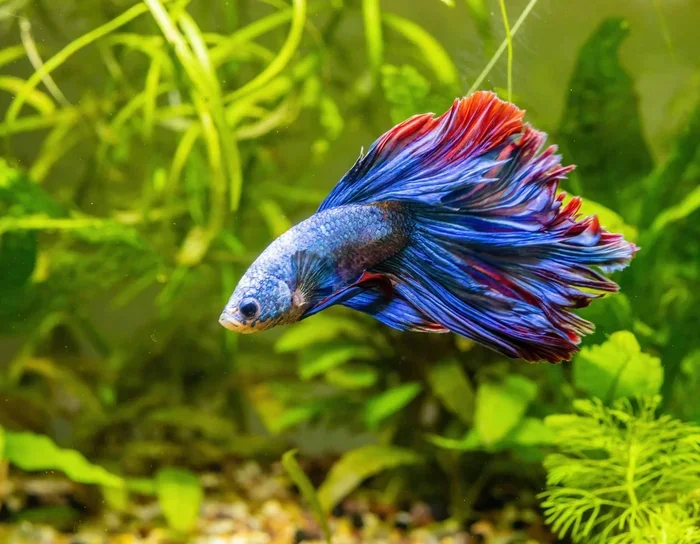
Betta fish (Betta splendens) are native to rice paddies and shallow waters in Southeast Asia. In the wild, they patrol small territories, chase away intruders, and flare their gills to show dominance. These instincts survive in captivity, meaning a betta’s brain is wired to protect its space. When you reach into a tank, you can unintentionally appear as a threat, triggering a defensive bite.
Reading Body Language
Bettas communicate through color, fin position, and water movement. A healthy betta often displays bright colors and relaxed fins. If it starts to flare (spread its gill covers), puff up, or dart toward the glass, it’s signaling stress or aggression. Recognizing these signs early can prevent a bite. For more on aggressive tendencies, see Do Betta Fish Bite Hard.
Why Do Bettas Bite Humans?
Defensive Reactions
The most common reason a betta bites is defense. Whether you’re cleaning the tank, feeding, or simply observing, sudden movements can startle a betta. Their bite is quick—often a nip that lasts a fraction of a second. It’s not an attack; it’s a reflex to protect its territory.
Territorial Disputes
Bettas are solitary by nature. If they perceive another fish (or a hand) as an intruder, they will flare and sometimes bite. This is especially true in small tanks where space is limited. Providing adequate swimming room and visual barriers reduces territorial stress.
Stress and Illness
Sick or stressed bettas are more likely to bite. Poor water quality, incorrect temperature, or inadequate diet can cause irritability. If you notice your betta hiding, losing color, or developing unusual spots, a bite may be a sign that something is wrong. For insights on disease transmission, check Do Betta Fish Carry Disease That Affects Humans.
Safety Tips and Prevention
Create a Calm Environment
- Maintain water temperature between 78‑80°F (26‑27°C).
- Keep pH around 6.5‑7.5.
- Perform regular water changes (20‑30% weekly).
- Use a gentle, betta‑safe filter that creates low flow.
Handle Your Betta Gently
When you need to clean the tank or feed, approach slowly. Use a clean net, and avoid sudden gestures. If you must move the betta for health checks, place it in a separate quarantine container with familiar water.
Provide Hiding Spots
Live or artificial plants, caves, and driftwood give your betta a sense of security. When they have places to retreat, they’re less likely to feel threatened by your presence.
Feed Regularly
A well‑fed betta is less likely to be aggressive. Offer high‑quality betta pellets or frozen foods twice a day, but don’t overfeed. Uneaten food can degrade water quality, increasing stress.
What to Do If Bitten
Immediate First Aid
- Rinse the bite area with mild soap and warm water.
- Apply an antiseptic ointment to prevent infection.
- Monitor the wound for redness, swelling, or pus.
- If pain persists, consider over‑the‑counter pain relief.
When to Seek Medical Help
Most betta bites are superficial, but they can introduce bacteria. If you notice increasing pain, fever, or signs of infection, contact a healthcare professional promptly. Also, if the betta has been exposed to parasites or zoonotic pathogens, medical evaluation becomes crucial. For more on disease risk, refer to Do Betta Fish Carry Disease That Affects Humans.
Expert Insights and Common Mistakes
Quick Tips Section
- Use a soft net: Hard nets can damage delicate fins and provoke bites.
- Limit hand contact: Only interact when necessary to reduce stress.
- Observe before cleaning: Wait a few minutes after feeding; bettas are less active then.
Common Mistakes
Many owners make the mistake of over‑handling their betta, assuming it’s tame like a dog. Bettas are not domesticated pets; they are semi‑wild and need respect for their space. Another error is ignoring water parameters, which leads to stress and increased bite frequency.
Conclusion
So, do betta fish bite humans? Yes, they can, but bites are usually defensive and can be prevented with proper care. By understanding your betta’s natural instincts, maintaining a stable environment, and handling it gently, you’ll greatly reduce the chance of a nip. If a bite does happen, quick first‑aid and awareness of potential disease transmission keep both you and your fish safe.
Remember, a happy, healthy betta is a calm betta. Invest time in water quality, diet, and enrichment, and you’ll enjoy a vibrant companion without unexpected bites. For deeper guidance, explore related articles such as Do Betta Fish Bite Hard and Do Betta Fish Attack Humans to broaden your knowledge and ensure a harmonious betta‑human relationship.
Frequently Asked Questions
Do betta fish intentionally bite humans?
No. Bettas bite as a defensive reflex when they feel threatened or territorial. It’s not an aggressive act but a natural response to perceived danger.
How painful is a betta fish bite?
Most betta bites are mild, often feeling like a tiny pinch. The fish’s teeth are small, so pain usually subsides quickly without medical intervention.
Can a betta fish transmit diseases through a bite?
Yes, there is a small risk of bacterial or parasitic transmission. Always clean the wound and monitor for infection, especially if the betta’s tank shows signs of poor water quality.
What should I do right after a betta bite?
Rinse the area with soap and warm water, apply antiseptic, and keep an eye on any swelling or redness. Seek medical help if symptoms worsen.
How can I prevent future bites?
Maintain stable water conditions, provide hiding spots, handle gently, and avoid sudden movements near the tank. A stress‑free betta is less likely to bite.
Are there any signs that a betta is about to bite?
Flaring gills, puffing up, darting toward the glass, or hiding before a bite are common warning signs. Observe these behaviors to intervene before a bite occurs.