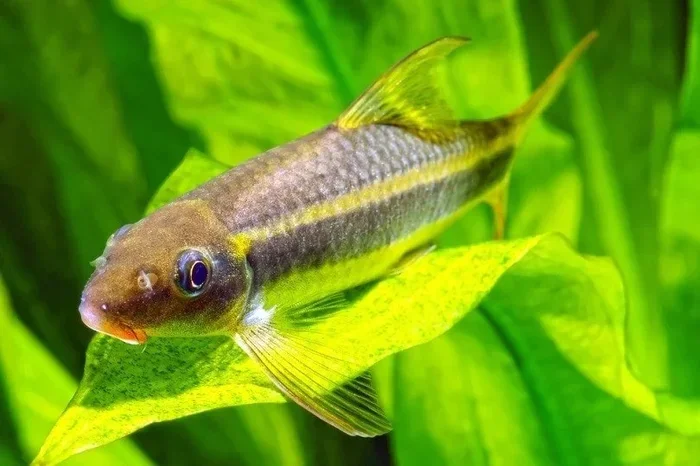
Can You Put Algae Eaters with Betta Fish for a Happy Tank
Can you put algae eaters with betta fish? Yes, many peaceful algae eaters can share a tank with a betta if you choose the right species and provide enough space. This guide covers the best tank mates, setup tips, and mistakes to avoid for a happy community.
Many betta owners wonder can you put algae eaters with betta fish without causing stress. The short answer is yes, but you must pick calm species and give everyone room. In this article we break down the best choices, tank requirements, and how to keep the peace.
Betta fish are known for their bright colors and flowing fins. They can be territorial, especially males. Algae eaters, on the other hand, are usually peaceful bottom dwellers. When you match their needs, the tank stays clean and both groups thrive.
Key Takeaways
- Choose calm species: Otocinclus, nerite snails, and small bristlenose plecos are top picks.
- Tank size matters: A minimum of 10 gallons gives both betta and algae eaters room to roam.
- Water parameters must match: Keep temperature 76‑80°F and pH 6.5‑7.5 for all inhabitants.
- Provide hiding spots: Plants, caves, and driftwood reduce stress and aggression.
- Feed separately: Use sinking wafers for algae eaters and surface pellets for bettas.
- Monitor behavior daily: Watch for fin nipping, chasing, or hiding as early warning signs.
📑 Table of Contents
Understanding Betta Fish and Algae Eaters
Betta temperament varies. Some males tolerate tank mates; others flare at any movement. Algae eaters come in many shapes: tiny catfish, snails, and small plecos. Knowing each animal’s habits helps you decide can you put algae eaters with betta fish safely.
If you are new to the idea of adding clean‑up crew, read our guide on algae eaters with betta fish for a quick overview.
Betta temperament
- Males often defend a territory.
- Females can be less aggressive but still nip.
- Stress shows as clamped fins, loss of color, or hiding.
Common algae eaters
- Otocinclus catfish – tiny, schooling, peaceful.
- Siamese algae eater – active, needs space.
- Nerite snails – excellent glass cleaners.
- Mystery snails – larger, colorful, peaceful.
- Bristlenose pleco – stays under 5 inches.
Compatibility Factors
Three main factors decide success: tank size, water parameters, and habitat complexity.
Tank size
A 5‑gallon tank is too cramped for a betta plus any algae eater. Aim for at least 10 gallons. Larger tanks dilute waste, give swimming room, and reduce territorial disputes.
Water parameters
- Temperature: 76‑80°F (24‑27°C).
- pH: 6.5‑7.5.
- Ammonia and nitrite: 0 ppm.
- Nitrate: below 20 ppm.
All listed algae eaters tolerate these ranges. Consistency is key.
Hiding spots and plants
Live plants like java fern, anubias, and hornwort create cover. Driftwood and caves give bottom dwellers a safe retreat. A well‑planted tank lowers stress for both betta and algae eaters.
Best Algae Eaters for Betta Tanks
Not every algae eater fits a betta community. Below are the top five that usually work well.
Otocinclus catfish
Size: 1.5‑2 inches. Keep in groups of 3‑6. They graze on soft green algae and biofilm. They are shy, so plenty of plants help them feel safe.
Siamese algae eater
Size: up to 6 inches. Needs a 20‑gallon minimum. They eat hair algae and black beard algae. They are fast swimmers; a longer tank reduces betta chasing.
Nerite snails
Size: 1 inch. They cannot reproduce in freshwater, so no population explosion. They clean glass, décor, and plant leaves efficiently.
Mystery snails
Size: up to 2 inches. They come in gold, blue, and ivory. They eat algae and leftover food. Provide a calcium source for shell health.
Bristlenose pleco
Size: 4‑5 inches. A small pleco that stays manageable. It eats algae, driftwood, and sinking wafers. A pleco with betta fish guide explains acclimation steps.
Nerite snails are another great option; see our post on snail with betta fish for details.
Species to Avoid
Some popular algae eaters cause trouble in a betta tank.
Large plecos
Common plecos grow over 12 inches. They outgrow most home tanks and produce massive waste.
Aggressive catfish
Species like Chinese algae eaters become territorial and may nip betta fins.
Fast fin‑nippers
Danios, tiger barbs, and some tetras chase long fins. They are not algae specialists anyway.
Setting Up a Peaceful Community
Proper introduction and ongoing care keep the tank harmonious.
Acclimation steps
- Float the bag 15 minutes for temperature match.
- Add a cup of tank water to the bag every 5 minutes for 30 minutes.
- Gently net the new arrivals into the tank; avoid pouring bag water.
Feeding strategies
- Feed betta floating pellets once or twice daily.
- Offer sinking algae wafers or blanched veggies after lights out.
- Remove uneaten food after 5 minutes to keep water clean.
Monitoring behavior
Watch the first two weeks closely. Signs of trouble: betta flaring constantly, algae eater hiding all day, torn fins, or rapid breathing. Separate if aggression persists.
Quick Tips and Common Mistakes
Quick Tips
- Use a sponge filter for gentle flow.
- Add Indian almond leaves for natural tannins.
- Keep a lid; bettas jump.
- Test water weekly.
- Rotate algae wafers with veggie slices.
Common Mistakes
- Adding too many algae eaters at once.
- Choosing a tank under 10 gallons.
- Skipping quarantine for new fish.
- Overfeeding, which spikes ammonia.
- Ignoring betta’s need for surface access.
Expert Insights
Experienced aquarists stress patience. “Let the betta settle for a week before adding any tank mate,” says a longtime breeder. “A calm betta is more tolerant.” Another tip: “Use a mirror for a few minutes daily to let the betta exercise its flare response without a real rival.” These small habits reduce aggression long term.
Can You Put Algae Eaters with Betta Fish? Final Thoughts
Yes, can you put algae eaters with betta fish is a question with a positive answer when you plan carefully. Pick peaceful species, provide a spacious, well‑planted tank, and feed each group properly. Monitor daily and adjust as needed. With the right setup, your betta enjoys clean glass and a lively community.
Frequently Asked Questions
Can I keep a betta with a pleco?
Yes, a small bristlenose pleco works well in a 20‑gallon or larger tank. Large common plecos are not suitable.
Do nerite snails reproduce in freshwater?
No, nerite snail eggs need brackish water to hatch, so they won’t overrun your tank.
How many otocinclus should I keep together?
Keep at least three; they are schooling fish and feel safer in groups.
Will a betta attack a mystery snail?
Most bettas ignore mystery snails. Occasionally a curious betta may nip the snail’s antennae, but serious harm is rare.
What tank size is minimum for a betta and algae eaters?
Ten gallons is the absolute minimum; 20 gallons gives a much more stable environment.
How do I prevent algae without algae eaters?
Limit light to 8‑10 hours, avoid overfeeding, perform regular water changes, and add fast‑growing plants.


