Can You Put Anything in With a Betta Fish Complete Guide
Can you put anything in with a betta fish? Many owners wonder if their betta can share a tank with other creatures. This guide covers safe tank mates, suitable plants, and essential water parameters to help you build a peaceful aquarium.
Many fish enthusiasts ask themselves, can you put anything in with a betta fish? The answer is not simple, because it depends on tank size, water conditions, and the temperament of each fish. In this comprehensive guide we will explore which tank mates are safe, which plants thrive, and how to set up a balanced environment that keeps everyone happy. By the end of this article, you will have a clear understanding of what can and cannot share a home with your betta.
Before adding any new creature, it’s important to understand the natural behavior of bettas. They are known for their bright colors and flowing fins, but they can also be territorial and assertive. A proper setup can help reduce aggression and keep all inhabitants healthy, so careful planning is essential. Remember that each fish has its own personality, and what works for one tank may not work for another.
Key Takeaways
- Compatibility matters: Choose peaceful, small fish that get along with bettas.
- Tank size is crucial: A minimum of 5 gallons is recommended when keeping tank mates.
- Water quality must be stable: Maintain proper pH, temperature, and low ammonia levels.
- Provide hiding spots: Plants and caves reduce stress and aggression.
- Avoid aggressive species: Large or territorial fish can harm your betta.
📑 Table of Contents
Understanding the Question: Can You Put Anything in With a Betta Fish?
The phrase can you put anything in with a betta fish often comes up in forums, pet stores, and online communities. The short answer is: yes, but only with careful selection. You need to consider the size of your tank, the water parameters, and the social needs of each species before introducing any new fish. A well‑planned aquarium setup can minimize stress and promote harmony, but it requires research and patience.
Several factors influence whether a tank mate will be compatible. These include the tank size, the water quality, and the aggression level of each fish. In addition, the nitrogen cycle must be established, and you should be prepared to perform regular water changes. Understanding these basics will help you create a stable environment where your betta and its companions can thrive. Many beginners overlook the importance of tank maintenance, which is crucial for long‑term success.
Safe Tank Mates for Your Betta
Choosing the right companions can make a big difference in the overall health of your tank. Below are some of the most reliable tank mates that tend to get along with bettas, provided they are introduced properly and given enough space. It’s also wise to observe their interactions for the first few days and be ready to separate any fish that show signs of stress.
- Tetras: Small, peaceful fish that do well in groups. Their schooling nature helps reduce individual stress and they are generally non‑aggressive.
- Corydoras: Bottom‑dwelling catfish that help clean the substrate and are generally non‑aggressive. They also enjoy digging, so a sandy substrate is ideal.
- Gouramis: Similar size to bettas, but they need enough swimming room and may require monitoring. Some species are more territorial than others.
- Snails: Great for algae control and low‑maintenance, making them ideal for beginners. They also help keep the tank clean by consuming detritus.
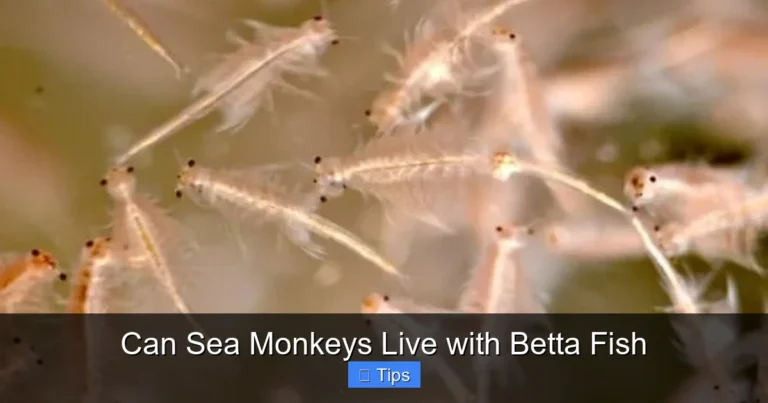
- Shrimp: Tiny and colorful, but they may be seen as food by some bettas, so choose species carefully. Amano shrimp are often more resilient.
If you want to learn more about adding other fish, check out our article on Can You Put Other Fish In With A Betta Fish.
For tropical options, see Can You Put A Betta In With Tropical Fish.
Snails can be a great choice, as explained in Can You Put A Snail With A Betta Fish.
Here is a quick comparison of some common betta fish tank mates to help you decide:
| Species | Compatibility | Minimum Tank Size | Notes |
|---|---|---|---|
| Tetras | High | 10 gallons | Peaceful, schooling |
| Corydoras | Medium | 15 gallons | Bottom dwellers, need sand |
| Gouramis | Medium | 20 gallons | Can be territorial |
| Snails | High | 5 gallons | Low bioload |
| Shrimp | Low | 5 gallons | May be eaten by bettas |
When selecting compatible fish, always consider the tank size and the compatible fish species that can coexist peacefully. A larger tank provides more swimming space and reduces aggression. Also, think about the socialization needs of each species; some fish are more solitary while others thrive in groups. For example, schooling fish like neon tetras should be kept in groups of six or more to feel secure.
Plants and Decorations That Work
Live or artificial plants provide hiding spots and reduce stress for all tank inhabitants. Some safe options include:
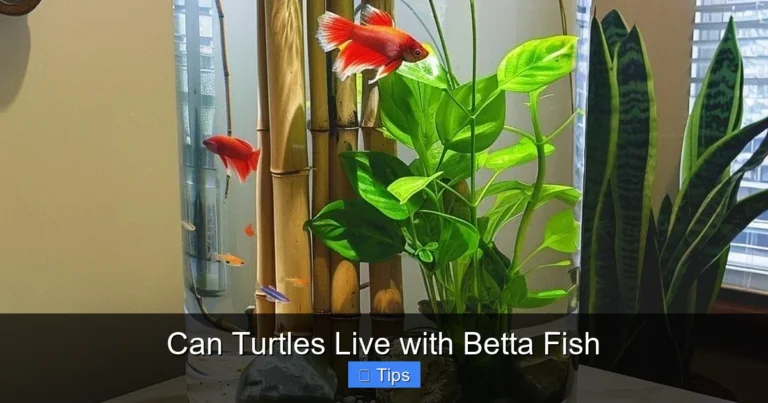
- Java fern: Hardy and easy to care for, it tolerates a range of lighting conditions and can be attached to driftwood.
- Anubias: Low light requirement and resistant to most herbivores, making it a great choice for beginner tanks.
- Marimo moss balls: Unique and low maintenance, they help absorb nitrates and provide a soft surface for fish to rest on.
Decorations such as caves, tunnels, and driftwood also help create territories and break line of sight, which is useful for managing aggression between fish. Proper decorations can mimic natural habitats and encourage natural behaviors. Consider adding live plants like Amazon sword or Eleocharis for additional cover. These plants also contribute to the nitrogen cycle by absorbing excess nutrients, thereby improving water quality.
The choice of substrate can also influence plant growth and fish behavior. A sandy substrate is often preferred for bottom‑dwellers like corydoras, while a fine gravel may be suitable for plants. Adequate lighting supports plant growth without promoting excessive algae, so aim for a balanced photoperiod of 6‑8 hours per day.
Water Parameters and Tank Setup
Maintaining proper water parameters is essential for a healthy community. Key factors include:
- pH: Aim for 6.5‑7.5 to match the preferences of most bettas and their tank mates.
- Temperature: Keep between 74‑80°F, as most tropical species thrive in this range. Use a reliable heater to maintain consistency.
- Ammonia: Should be 0 ppm; any detectable level can be harmful and may lead to disease.
- Filtration: Use a gentle filter to avoid strong currents that could stress your fish. A sponge filter is often recommended for bettas.
A good aquarium setup includes a reliable heater, a filter, and a thermometer. Regular water changes are necessary to remove waste and maintain stable conditions. The nitrogen cycle must be established before adding any fish, and you should monitor it with a test kit. Many new aquarists forget the importance of tank maintenance, which is crucial for long‑term success.
Pay attention to substrate and lighting as they affect plant growth and fish behavior. A sandy substrate is often preferred for bottom‑dwellers like corydoras, while a fine gravel may be suitable for plants. Adequate lighting supports plant growth without promoting excessive algae, so aim for a balanced photoperiod of 6‑8 hours per day.
Consistent tank maintenance helps prevent disease and keeps betta fish health in check. Test your water weekly, clean the filter media as needed, and remove any uneaten food promptly. By staying on top of these tasks, you can enjoy a vibrant, multi‑species aquarium while keeping your betta safe and healthy.
Common Mistakes to Avoid
Even experienced keepers can make errors. Here are some frequent pitfalls that can jeopardize the health of your betta and its companions:
- Overstocking: Too many fish lead to poor water quality and increased aggression. Always calculate the bioload and ensure your filter can handle it.
- Choosing aggressive species: Large or territorial fish, such as some cichlids, can harm your betta. Stick to peaceful, small species.
- Ignoring water parameters: Fluctuations in pH, temperature, or ammonia cause stress and disease. Use a reliable test kit and make gradual adjustments.
- Neglecting tank cleaning: Buildup of waste and uneaten food leads to poor water quality and can trigger disease. Perform regular partial water changes.
Expert Insights
According to veteran betta keepers, the key is to start with a small number of tank mates and monitor behavior closely. If any signs of stress appear, such as clamped fins or rapid breathing, be ready to separate the fish. Observing behavior and socialization patterns can reveal compatibility issues early, allowing you to intervene before problems escalate. Additionally, maintaining a stable water temperature and pH can significantly reduce the likelihood of disease outbreaks.
Quick Tips for a Peaceful Aquarium
- Start with a 5‑gallon tank or larger to provide enough space for swimming and hiding.
- Introduce new fish slowly, using the drip method to allow them to acclimate to the water parameters.
- Provide plenty of plants and decorations for hiding spots and to break line of sight.
- Monitor water quality weekly with a test kit, checking for ammonia, nitrite, and nitrate.
- Feed a varied diet, including high‑quality pellets, frozen bloodworms, and occasional vegetables, to keep your betta healthy.
Quick Tips
Remember to quarantine new arrivals for at least two weeks before adding them to the main tank. This helps prevent the spread of disease and ensures your existing fish remain healthy. Also, observe feeding times closely; overfeeding can quickly degrade water quality and lead to health issues. By following these simple steps, you can create a thriving community that showcases the beauty of your betta while keeping it safe and content.
Conclusion
In summary, the question can you put anything in with a betta fish has a nuanced answer. With proper planning, suitable tank mates, and careful attention to water parameters, you can create a harmonious community. Remember to choose peaceful species, maintain a clean tank, and observe interactions regularly. Your betta will thrive when kept in a well‑balanced environment. By following these guidelines, you can enjoy a vibrant, multi‑species aquarium while keeping your betta safe and healthy.
Frequently Asked Questions
Can I put a betta fish in a tank with other fish?
Yes, but only with careful selection of peaceful, small species and adequate tank size. Always quarantine new fish and monitor interactions.
What are the best tank mates for a betta?
Good choices include tetras, corydoras, gouramis, snails, and some shrimp. Ensure they are compatible and provide enough space.
Are snails safe to keep with bettas?
Generally yes. Snails are low‑maintenance and help clean the tank. Choose species like mystery snails or nerite snails to avoid overpopulation.
How big should the tank be for a betta with companions?
A minimum of 5 gallons is recommended, but larger tanks (10‑20 gallons) provide more swimming room and reduce aggression.
What water parameters are needed for a betta community?
Maintain a pH of 6.5‑7.5, temperature between 74‑80°F, and keep ammonia and nitrite at 0 ppm. Regular water changes are essential.
Can betta fish live with live plants?
Yes, live plants provide hiding spots and improve water quality. Hardy plants like Java fern and Anubias are excellent choices.