Can Overfeeding a Betta Fish Kill It
Overfeeding a betta fish is one of the most common and dangerous mistakes new owners make. It doesn’t just cause messy water; it directly poisons your fish through poor water quality, leads to fatal constipation and swim bladder disease, and can cause severe obesity. The solution is simple: feed tiny portions, skip days, and prioritize tank cleanliness. Understanding a betta’s tiny stomach and natural eating habits is the key to preventing these life-threatening issues and ensuring your vibrant companion lives for years.
So you’ve got that gorgeous, flowing betta fish, with colors that shimmer like a living jewel. You want to spoil it, show it love, and make sure it’s happy. The most natural instinct? To feed it. And maybe feed it a little more, just to be sure. Here’s the critical truth every betta owner must confront: overfeeding a betta fish isn’t just a messy habit—it is a primary and direct pathway to a shortened, painful life, and yes, it can absolutely kill your fish. This isn’t alarmist hype; it’s ichthyology 101. In the wild, a betta (also known as a Siamese fighting fish) is a surface-dwelling predator that eats a sparse diet of insects, larvae, and tiny crustaceans. It is not a grazer. It does not have a stomach designed for constant buffets. Our well-meaning desire to provide abundance directly clashes with their delicate biology, and the consequences are severe.
This guide will dissect exactly how overfeeding becomes lethal. We’ll move beyond “don’t overfeed” to the concrete how and why. You’ll learn to recognize the subtle and overt signs of trouble, master the precise science of a proper betta diet, and implement the non-negotiable tank maintenance routines that keep your aquatic friend thriving. Think of this as your definitive manual for translating love into longevity through the single most controllable factor in your betta’s health: its food.
Key Takeaways
- A betta’s stomach is the size of its eyeball: This tiny anatomy means even a few extra pellets are a massive overload, leading to digestive blockages and swim bladder problems.
- Rotting food = toxic water: Uneaten food decomposes rapidly, creating ammonia and nitrites that poison your betta through its gills, often faster than your filter can handle.
- Constipation is a silent killer: A backed-up digestive tract can press against the swim bladder, causing the fish to float uncontrollably, sink, or struggle to eat, which can be fatal if untreated.
- Obesity shortens lifespan: Chronic overfeeding leads to fatty liver disease and severe stress on a betta’s small body, making it susceptible to other illnesses.
- You must fast your betta regularly: A 24-hour fast once a week is not cruel; it’s essential digestive rest that mimics their natural feast-or-famine environment and prevents sludge buildup.
- Watch for physical signs: A bloated, pinecone-like scale appearance (dropsy), stringy feces, lethargy, and gasping at the surface are major red flags of overfeeding complications.
- Prevention is 100% manageable: By measuring food, removing uneaten bits, and maintaining pristine water through frequent partial changes, you completely eliminate the risk of death from overfeeding.
📑 Table of Contents
- The Direct Line from Food to Fatality: How Overfeeding Kills
- Reading the Red Flags: Signs You’re Already Overfeeding
- The Gold Standard: How to Feed a Betta Fish Correctly
- Tank Maintenance: The Unsung Hero in the Fight Against Overfeeding
- Debunking Myths: What NOT to Do With a Bloated Betta
- Conclusion: Love Means Knowing When to Withhold
The Direct Line from Food to Fatality: How Overfeeding Kills
When we say overfeeding kills, it’s not a metaphor. It’s a cascade of physiological failures. Let’s trace the poison path, step by step.
Pathway 1: Water Quality Collapse and Ammonia Poisoning
This is the fastest and most common killer. Betta tanks, especially small ones (under 5 gallons), are fragile ecosystems. Any organic matter—food, feces, plant debris—begins decomposing immediately. Bacteria consume this waste and produce ammonia (NH3/NH4+), a lethal toxin. A healthy, cycled tank has beneficial bacteria (Nitrosomonas) that convert ammonia to nitrite, and another set (Nitrospira) that converts nitrite to far less toxic nitrate. But this biological filter has a limit. Overloading it with uneaten food is like pouring toxic sludge into a sewage treatment plant. The system crashes. Ammonia and nitrite levels spike, burning your betta’s gills and poisoning its bloodstream. You’ll see your fish gasping for air at the surface (a desperate attempt to get oxygen from the air, as its gills are damaged), clamped fins, lethargy, and red, inflamed gills. This can happen in 24-48 hours after a major overfeeding incident. The fish drowns in its own waste, a direct result of the food you added.
Pathway 2: Digestive Catastrophe and Swim Bladder Disorder
Betta fish have a simple, short digestive tract. Their stomach, when full, is roughly the size of their eyeball. Feeding them more than this in one sitting forces their system to work overtime. The most frequent outcome is severe constipation. Undigested food mass hardens into a blockage in the intestines. This packed intestine then presses directly against the swim bladder—a gas-filled organ that controls buoyancy. The result is Swim Bladder Disorder (SBD). Your betta may:
- Float uncontrollably to the top and be unable to dive.
- Sink to the bottom and be unable to rise.
- Swim erratically, sideways, or in circles.
- Float upside down.
This isn’t just a quirky inconvenience. A fish that cannot swim properly cannot reach food, escape currents, or breathe efficiently at the surface. It becomes stressed, weak, and an easy target for infections. In severe cases, the internal pressure from impaction can be fatal. The root cause is almost always dietary overload.
Pathway 3: The Obesity Epidemic and Organ Failure
We don’t often picture fish as “obese,” but chronic overfeeding leads to exactly that. Betta metabolisms are not built for a constant surplus of calories, especially from high-protein, high-fat pellets. Excess energy is stored as fat, accumulating around vital organs—the liver, kidneys, and heart. This condition, called hepatic lipidosis or fatty liver disease, cripples organ function. The liver becomes fatty and infiltrated, unable to detoxify the blood or process nutrients properly. The heart strains under the extra bulk. The fish becomes sluggish, its immune system crashes, and it succumbs to secondary infections like fin rot or columnaris. This is a slow, insidious death from malnutrition in the midst of plenty, a direct paradox of overfeeding.
Reading the Red Flags: Signs You’re Already Overfeeding
Before a full-scale tank crash or fatal SBD, your betta will give you warnings. Learning to read these physical and behavioral cues is your first line of defense.
Visual guide about Can Overfeeding a Betta Fish Kill It
Image source: thegoldfishtank.com
The Bloat: More Than Just a “Full” Belly
A healthy betta has a smooth, streamlined body. The moment you see a distinct, rounded bulge in the abdomen—especially if it’s firm or hard to the touch—you have a problem. This is not a “happy belly.” It’s a sign of constipation, fluid buildup (from poor water quality or dropsy), or internal organ swelling. Compare it to the size of the eye. If the belly is significantly larger than the eye, it’s overfed or impacted.
The Poop: A Telltale Trail
Healthy betta feces are short, dark, and sink quickly. Overfed bettas produce long, stringy, pale (often white or clear) feces that trail behind them. This is undigested food passing through, a clear sign the digestive system is overwhelmed and not absorbing nutrients properly. If you see this consistently, you are feeding too much, too often.
Behavioral Shifts: From Prince to Pauper
A well-fed betta is active, curious, and flares at its reflection. An overfed betta is:
- Lethargic: Hiding at the bottom, not responding to you, minimal movement.
- Gasping: Repeatedly darting to the surface to take a gulp of air. (Note: Bettas are labyrinth fish and *must* gulp air, but excessive, frantic gasping is a water quality or oxygen stress signal).
- Uninterested in food: Ironically, an overfed betta will often start refusing food because its system is so backlogged. This is a major red flag.
- Clamped fins: Fins held tightly against the body are a universal sign of stress and poor health.
The Tank Environment: A Cloudy Mess
Look at your water. Is it cloudy, murky, or has a visible film on the surface? Do you see uneaten pellets sinking and disappearing into the substrate? Is there a buildup of brown, mushy debris at the bottom? This is decomposing food. It’s not just ugly; it’s a chemical factory producing ammonia. A clean tank with a proper bio-filter should have crystal clear water between partial water changes. Cloudiness is a direct symptom of overloading the system with organics.
The Gold Standard: How to Feed a Betta Fish Correctly
Now for the empowering part. Correct feeding is simple, but it requires breaking old habits. Here is the definitive protocol.
Visual guide about Can Overfeeding a Betta Fish Kill It
Image source: housedpet.com
The Portion Rule: “The Size of Its Eyeball”
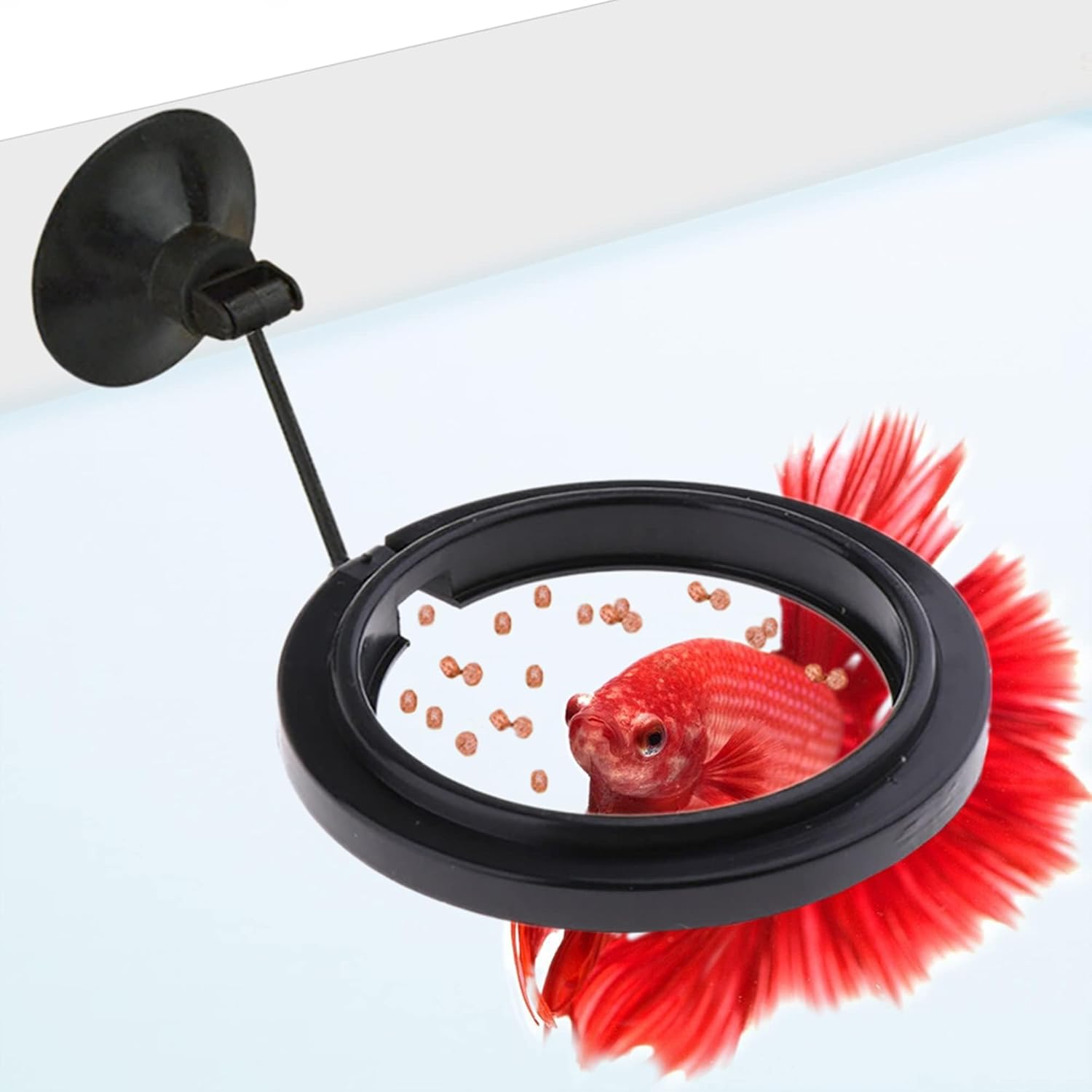
This is the cardinal rule. The total volume of food per feeding should not exceed the size of your betta’s eyeball. For most high-quality betta pellets, this means 2-3 pellets per feeding, once or twice a day. For frozen or live foods (bloodworms, brine shrimp), this is a tiny pinch—no more than 3-4 individual items. If you’re using a different food, hold a pellet next to your fish’s eye in the tank to gauge size. When in doubt, underfeed. Bettas can go a week without food and be fine; they cannot survive a day in poisoned water.
The Schedule: Consistency with Strategic Fasting
Feed once daily, or at most twice daily (e.g., morning and early evening, with at least 8-10 hours between). Implement a mandatory 24-hour fast once a week. This is non-negotiable. This fast allows the entire digestive tract to clear completely, preventing sludge buildup and reducing the risk of SBD. It mimics their natural environment where meals are sporadic. Your fish will not starve; this is a crucial health practice. Many breeders fast their show bettas for 2-3 days before a show to enhance color and reduce bloat.
The Technique: Observe and Remove
Here’s the procedure for every single feeding:
- Offer the food. Drop the 2-3 pellets in. Watch your betta eat. It should consume them within 30-60 seconds.
- Be the food police. If after 2-3 minutes there are uneaten pellets, use a net, turkey baster, or pipette to remove every single one from the tank. Do not let them sink and decompose.
- Check for spit-outs. Sometimes a betta will grab a pellet, spit it out, and move on. Those are now uneaten food. Remove them.
- Clean the surface. If you feed floating foods, skim any surface film immediately.
This “remove uneaten” step is the single most important maintenance task for water quality and is directly tied to preventing overfeeding deaths.
Food Quality Matters: Choose Wisely
Not all betta food is created equal. Cheap pellets often contain fillers like wheat, soy, and potato that pass through undigested, contributing to constipation and water fouling. Look for high-quality pellets where the first 2-3 ingredients are specific animal proteins (e.g., whole fish, shrimp meal, krill meal). They should sink slowly or be designed for top-feeding. Supplement the diet with occasional high-quality frozen foods (defrosted) like daphnia (a natural laxative) or brine shrimp for variety. Avoid freeze-dried foods as a staple, as they can cause constipation if not properly rehydrated. Daphnia is your best friend for treating mild constipation.
Tank Maintenance: The Unsung Hero in the Fight Against Overfeeding
Even perfect feeding cannot compensate for poor tank maintenance. The two are inseparable. If you feed, you must clean.
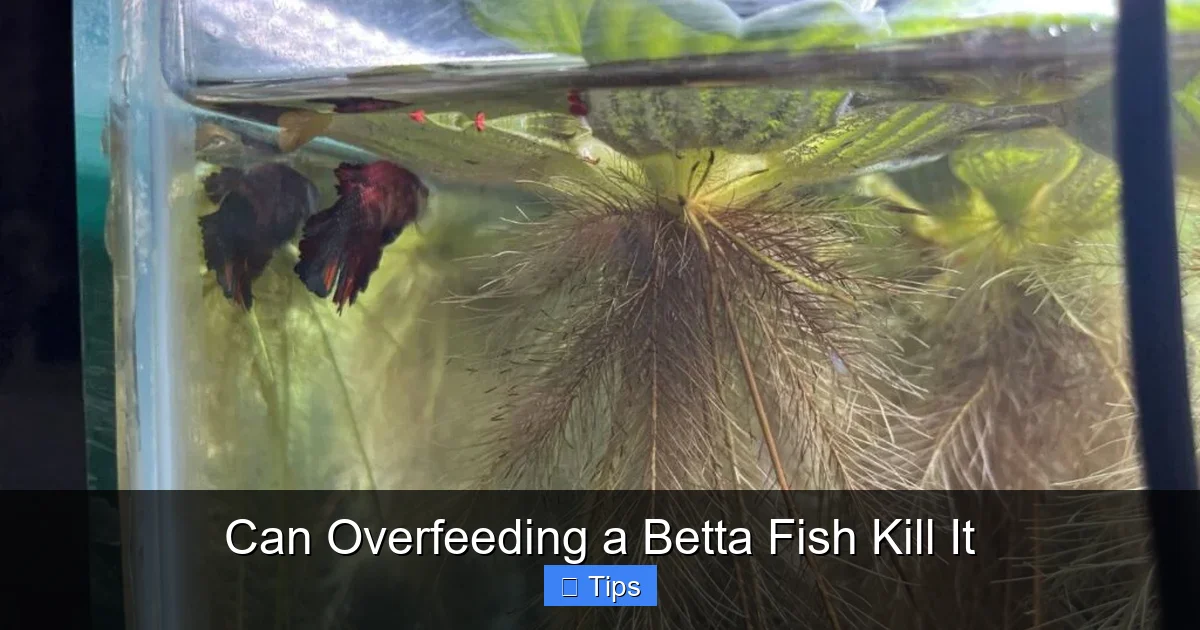
Visual guide about Can Overfeeding a Betta Fish Kill It
Image source: housedpet.com
Water Changes Are Not Optional
For a properly filtered betta tank (minimum 5 gallons), you must perform a 25-30% water change every week. This dilutes nitrates (the end product of the nitrogen cycle) and any other dissolved organics. For unfiltered small tanks or bowls, this increases to 50% every other day. You are not changing all the water; you are replacing a portion with dechlorinated water at the same temperature to avoid shock. Use a gravel vacuum to suck debris from the substrate during changes. This physically removes fish waste and any food particles that settled.
Filter Care: Cleaning Without Killing the Cycle
Your filter media (sponges, ceramic rings, bio-balls) houses the beneficial bacteria. Never rinse it under tap water—the chlorine will kill them. Instead, during a water change, gently swish and squeeze the filter sponge in the bucket of old tank water you just removed. This rinses out the gunk without sterilizing the bacteria. Replace filter media only when it’s literally falling apart, and do so a piece at a time over several weeks to maintain the bacterial colony.
Testing: Knowledge is Power
Purchase a liquid water test kit (API Freshwater Master Test Kit is the gold standard). Test your water weekly for Ammonia, Nitrite, and Nitrate. The goal is Ammonia = 0, Nitrite = 0, Nitrate < 20 ppm. If you ever see any ammonia or nitrite, you have a toxic problem, most often from overfeeding or an incomplete cycle. Immediate 50% water changes are required until levels read zero. A test strip is not accurate enough for this critical monitoring.
Debunking Myths: What NOT to Do With a Bloated Betta
When you see a bloated betta, panic can lead to harmful “remedies.” Let’s clear these up.
Myth: “Just Feed a Pea to Cure Constipation”
The “cooked pea” remedy is famous for other fish like goldfish, which are herbivorous grazers. Bettas are carnivores. Their digestive system is not designed to process plant matter. A pea will likely just sit in their gut, adding to the bulk and worsening the impaction. Do not feed a betta a pea. The correct approach is a strict fast (24-72 hours) followed by a small serving of daphnia (its natural laxative food). If there’s no improvement, the issue may be severe impaction or dropsy, requiring veterinary intervention (Epsom salt baths can help with fluid retention, but consult a specialist first).
Myth: “Feed More to Fatten It Up”
This is the opposite of what you should do. A thin betta may be sick or parasite-ridden. The solution is not more food, but better food (high-protein, high-quality) in correct portions, coupled with treatment for the underlying illness. Forcing calories on a stressed or sick fish overloads its system and accelerates decline.
Myth: “It’s Just a Little Bloated, It’ll Pass”
Ignoring early signs is how minor issues become fatal. A firm, swollen abdomen is an emergency. Begin a fast immediately. Check water parameters. Perform a 50% water change. If the bloating worsens or the fish shows signs of SBD within 12-24 hours, you are dealing with a critical situation. Early, aggressive action is the only way to reverse it.
Conclusion: Love Means Knowing When to Withhold
The bond you share with your betta is real, and it’s expressed through clean water, stable temperature, and proper nutrition. But true care means overriding the instinct to constantly provide. Overfeeding a betta fish kills through a slow-motion cascade of poisoning, blockage, and organ failure. It is the owner’s most preventable sin. The power to prevent it is entirely in your hands: measure food, fast weekly, remove every uneaten morsel, and perform diligent water changes. Your betta’s vibrant colors, energetic flares, and graceful fins are a direct reward for this disciplined care. It’s not about giving less love; it’s about giving the *right* kind of love—the kind that respects the delicate, wild biology of a creature that has captivated humans for centuries. By mastering the art of moderation, you don’t just keep your betta alive; you give it the vibrant, healthy life it deserves.
Frequently Asked Questions
Can overfeeding a betta fish kill it immediately?
Not usually instantly, but it can cause fatal water quality crashes within 24-48 hours. The more common lethal outcomes are from complications like severe constipation leading to swim bladder failure or long-term organ damage from chronic overfeeding.
What are the first signs that I’m overfeeding my betta?
The earliest signs are a visibly bloated or rounded abdomen (larger than the eye), long stringy white poop, and cloudy water with visible uneaten food. Behavioral changes like lethargy and loss of appetite follow soon after.
What should I do if my betta is already bloated from overfeeding?
Immediately stop all feeding. Begin a 24-72 hour fast. Perform a 50% water change with clean, temperature-matched water to remove toxins. Test water for ammonia/nitrite. After the fast, offer a tiny amount of daphnia as a natural laxative. If bloating or swim bladder issues persist, the condition may be severe.
How often should I actually feed my betta fish?
Feed 2-3 high-quality pellets (or an equivalent tiny portion of frozen food) once per day, or at most twice a day with 8-10 hours between feedings. Implement a mandatory 24-hour fast once a week, every week, without exception.
Is it okay to skip feeding my betta for a few days if I’m going on vacation?
Yes. A healthy betta can easily go 5-7 days without food. In fact, the weekly fast you’re already doing prepares it for this. Overfeeding before you leave is the worst mistake, as it will foul the water while you’re away. A short fast is far safer.
My betta died suddenly. Could it have been from overfeeding even if I only fed a little?
Yes. “A little” is relative. If you were feeding more than the eyeball-sized portion daily without fasting, or if you never removed uneaten food, you created a toxic environment. The cause of death would be listed as water poisoning (ammonia/nitrite) or internal organ failure from chronic stress and poor water quality, both directly linked to overfeeding practices.