Do Betta Fish Eat Worms
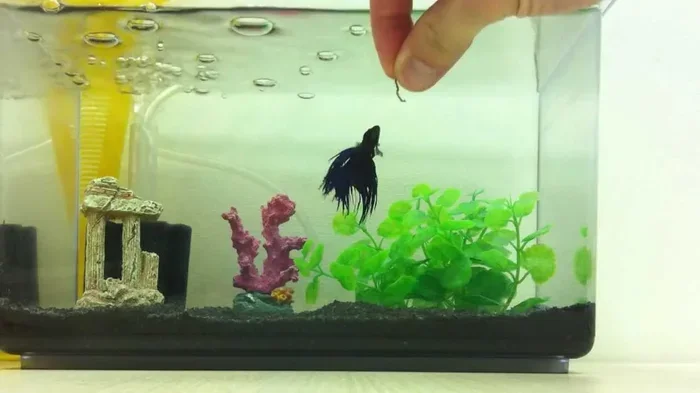
Yes, betta fish eat worms, and they are one of the best natural food sources for these colorful fish. Bloodworms, live brine shrimp worms, and aquarium micro-worms provide essential protein and nutrients that support your betta’s health, color, and energy. This guide covers which worms are safe, how often to feed them, and common mistakes to avoid.
Do betta fish eat worms? The short answer is yes. Worms are one of the most natural and nutritious foods you can offer your betta fish. In the wild, bettas hunt for worms, insect larvae, and small creatures living in the water. Whether you are a new betta owner or a seasoned aquarist, understanding what worms are safe and how to feed them properly makes a big difference. This guide walks you through everything you need to know about feeding worms to betta fish, from the best types to portion sizes and feeding frequency.
Many fish keepers wonder about the betta fish diet and whether worms deserve a regular spot on the menu. The truth is, worms are a staple food source in a betta’s natural habitat. They are rich in protein, amino acids, and healthy fats that help your fish grow, stay colorful, and maintain strong immunity. But not all worms are created equal. Some are safe and highly nutritious, while others can introduce parasites or bacteria into your tank. Let us break down exactly what you need to know.
Feeding your betta the right worms can transform its health and behavior. You will notice brighter colors, more energy, and a stronger appetite. On the flip side, feeding the wrong worms or too many can lead to digestive problems, cloudy water, and even disease. That is why this guide matters. We will cover the safest worm options, how to prepare them, and how often to include them in your betta’s feeding routine.
Key Takeaways
- Betta fish love worms: Worms are a natural and protein-rich part of a betta’s diet in the wild.
- Bloodworms are a top choice: They are packed with nutrients and most bettas go crazy for them.
- Not all worms are safe: Some parasitic worms can harm your fish, so knowing the difference matters.
- Feed worms in moderation: Too many worms can cause digestive issues and bloating in bettas.
- Live, frozen, and freeze-dried options work: Each has pros and cons for convenience and nutrition.
- Watch for signs of overfeeding: Uneaten worms pollute tank water and can make your betta sick.
📑 Table of Contents
Types of Worms Betta Fish Can Eat
Not every worm you find is safe for your betta. Understanding the different types helps you make smart choices. Here are the most common worm options that work well for bettas.
Bloodworms: The Betta Favorite
Bloodworms are the most popular worm food for betta fish. They come in three forms: live, frozen, and freeze-dried. Live bloodworms are the most nutritious but require careful sourcing. Frozen bloodworms are a great middle ground. They retain most nutrients and are easy to store. Freeze-dried bloodworms are convenient but lose some nutritional value during the drying process.
Most bettas go absolutely crazy for bloodworms. They are high in protein and contain essential nutrients that support muscle growth and vibrant color. You can find bloodworms at most pet stores or online fish food suppliers. Just make sure you buy from a reputable brand to avoid contamination.
If you want the best nutrition, consider live brine shrimp as a complementary food alongside bloodworms. Together they create a balanced protein-rich meal that mimics what bettas eat in their natural environment.
Live Aquarium Worms
Several types of live worms thrive in aquarium environments. Micro-worms and white worms are two common varieties that bettas enjoy. These tiny worms are easy to culture at home and provide a continuous food source. Many breeders use micro-worms to feed betta fry and adult fish alike.
Live aquarium worms are excellent because they move naturally in the water. This triggers your betta’s hunting instincts and encourages natural feeding behavior. Your fish gets both physical exercise and mental stimulation from chasing live worms. It is one of the best ways to keep your betta active and engaged.
However, you need to be careful about where you source live worms. Worms collected from outside environments may carry parasites or harmful bacteria. Always culture your own worms or purchase from trusted aquarium suppliers. If you are unsure about your betta’s current worm situation, you can check our detailed guide on do betta fish have worms to understand what to look for in your tank.
Parasitic Worms: What to Watch Out For
Not all worms in a betta tank are food. Some are parasitic and can seriously harm your fish. Planaria, detritus worms, and nematodes are common aquarium worms that can become problematic. While detritus worms are generally harmless, planaria can irritate your betta and even attach to its body.
Parasitic worms often enter your tank through contaminated plants, substrate, or new fish. Signs of a parasitic worm problem include lethargy, loss of appetite, weight loss, and visible worms in the tank or on your fish. If you notice these symptoms, it is important to treat the tank promptly.
Understanding the difference between food worms and parasitic worms is crucial. You can learn more about how bettas interact with parasites in our article on do betta fish eat parasites. If you suspect your betta has picked up unwanted worms, early detection and treatment can save your fish’s life.
Benefits of Feeding Worms to Betta Fish
Worms offer several impressive benefits for betta fish. They are more than just a tasty treat. Here is why adding worms to your betta’s diet makes sense.
- High protein content: Worms are packed with protein, which bettas need for energy, growth, and tissue repair.
- Rich in amino acids: Essential amino acids from worms support muscle development and healthy fins.
- Natural diet match: Worms closely mimic what bettas eat in the wild, making them a biologically appropriate food.
- Improved coloration: The nutrients in worms, especially bloodworms, enhance red and blue pigmentation in bettas.
- Mental stimulation: Live worms encourage natural hunting behavior, keeping your betta mentally sharp and active.
- Easy to digest: Most worms are soft and easy for bettas to digest compared to some processed foods.
- Variety in diet: Adding worms prevents dietary boredom and ensures a broader range of nutrients.
Feeding worms as part of a varied betta nutrition plan leads to healthier, happier fish. Most experts recommend combining worms with high-quality pellets and other live or frozen foods for the best results.
How to Safely Feed Worms to Your Betta
Feeding worms to your betta is simple, but doing it safely requires some know-how. Follow these steps to ensure your fish stays healthy.
Choose the Right Source
Always buy worms from reputable aquarium stores or trusted online retailers. Avoid collecting worms from ponds, gardens, or other outdoor areas. These worms may carry pesticides, parasites, or bacteria that can devastate your tank. If you want to culture your own worms at home, that is an excellent option. Many fish keepers maintain small worm cultures specifically for feeding their fish.
When purchasing frozen or freeze-dried worms, check the expiration date and storage instructions. Fresh, properly stored worms retain more nutrients and are safer for your betta.
Prepare Worms Properly
Before feeding, rinse live worms in clean tank water to remove any debris. For frozen worms, thaw a small portion in a cup of tank water for a few minutes. Never use hot water, as it destroys nutrients. For freeze-dried worms, soak them in tank water for a couple of minutes before offering them to your fish. This prevents them from expanding inside your betta’s stomach, which can cause bloating.
If you are looking for more ideas on what to feed alongside worms, our article on do betta fish eat live food covers the best live food options for bettas in detail.
Feed in Small Amounts
The golden rule of feeding worms is less is more. Offer only as much as your betta can consume within two to three minutes. Overfeeding is one of the most common mistakes fish keepers make. Uneaten worms sink to the bottom and decompose, which spikes ammonia and nitrite levels in your tank. This creates a toxic environment that can harm your betta and other tank inhabitants.
If you are wondering whether your betta might eat other creatures in the tank, check out our guide on do betta fish eat live bloodworms for specific feeding guidance on this popular worm type.
How Often Should You Feed Worms to Your Betta?
Frequency matters when it comes to feeding worms. Too often leads to obesity and digestive issues. Too rarely means your betta misses out on valuable nutrients. Here is a simple feeding schedule to follow.
- Bloodworms: Feed 2 to 3 times per week as a treat or supplement. Do not replace staple meals entirely with bloodworms.
- Live micro-worms: These can be fed more frequently, up to 4 times per week, because they are small and less likely to cause bloating.
- Freeze-dried worms: Limit to 1 to 2 times per week due to their lower nutritional value and higher risk of constipation.
- Fresh live worms: Feed 2 times per week max, and always source from clean, trusted environments.
Adjust the frequency based on your betta’s age, size, and activity level. Younger, growing bettas need more protein-rich foods, while older bettas do well with less frequent worm feedings. Always observe your fish after feeding. If it refuses worms or shows signs of discomfort, reduce the amount or frequency.
Common Mistakes When Feeding Worms to Bettas
Even experienced fish keepers make mistakes with worm feeding. Here are the most common ones to avoid.
- Overfeeding: This is the number one mistake. Excess worms rot in the tank and foul the water quickly.
- Feeding wild-caught worms: Worms from outside sources often carry parasites, pesticides, and harmful pathogens.
- Skipping preparation: Not thawing frozen worms or soaking freeze-dried ones can cause digestive blockages.
- Relying only on worms: Worms alone do not provide a complete diet. Your betta needs pellets, flakes, and other foods too.
- Ignoring tank cleanliness: Leftover worms degrade water quality fast. Always remove uneaten food promptly.
Avoiding these mistakes keeps your betta healthy and your tank clean. A clean environment supports strong immunity and long life for your fish.
Expert Insights on Worm Feeding for Bettas
Experienced aquarists and fish veterinarians agree that worms are a valuable addition to a betta’s diet. Dr. Chris Duke, a marine biologist specializing in tropical fish health, notes that “protein-rich live foods like worms trigger natural feeding responses and improve overall fish vitality.” He recommends rotating worm types to provide a broader nutrient profile.
Another expert tip from seasoned betta breeders is to use worms as a training tool. Many bettas respond well to consistent feeding schedules, and worms can encourage a shy or stressed fish to eat regularly. This is especially helpful when introducing a new betta to a home aquarium or when a fish is recovering from illness.
Remember that every betta is different. Some fish love worms and devour them eagerly, while others are pickier. If your betta refuses worms, do not force it. Try different types or mix worms with its regular food to encourage eating. Patience and observation are your best tools.
Worms vs. Other Betta Foods: A Comparison
How do worms stack up against other popular betta foods? Here is a quick comparison to help you decide what to include in your betta’s meal plan.
| Food Type | Protein Level | Nutrition | Convenience | Best For |
|---|---|---|---|---|
| Bloodworms | High | Excellent | Moderate | Treats and supplements |
| Live Micro-Worms | High | Very Good | Low (requires culturing) | Fry and daily feeding |
| Freeze-Dried Worms | Medium | Good | Very High | Convenient treats |
| Betta Pellets | Medium-High | Excellent | Very High | Staple daily diet |
| Frozen Brine Shrimp | High | Excellent | Moderate | Supplements and variety |
The best approach combines multiple food types. Use pellets as the base, and add worms and other live or frozen foods as supplements. This balanced approach ensures your betta gets everything it needs for a long, healthy life.
Worms are a fantastic addition to any betta feeding routine. They are natural, nutritious, and most bettas absolutely love them. The key is moderation, variety, and safe sourcing. Stick to trusted worm types like bloodworms and live micro-worms, avoid wild-caught options, and always clean up uneaten food. By following the tips in this guide, you will keep your betta healthy, colorful, and thriving.
Remember that a well-fed betta is a happy betta. Take the time to understand your fish’s preferences and adjust its diet accordingly. Your betta will reward you with vibrant colors, active behavior, and years of companionship. Start incorporating the right worms today and watch your fish flourish.
Frequently Asked Questions
Can betta fish eat earthworms from the garden?
No, you should never feed earthworms collected from your garden to your betta. Garden earthworms may contain pesticides, fertilizers, or parasites that are dangerous to fish. Always source worms from reputable aquarium suppliers or culture your own at home.
Are freeze-dried bloodworms good for bettas?
Freeze-dried bloodworms are a convenient option, but they are less nutritious than live or frozen alternatives. Soak them in tank water before feeding to prevent stomach expansion. Use them as an occasional treat rather than a primary food source.
How many bloodworms should I feed my betta at once?
Feed 2 to 3 bloodworms per feeding for an adult betta. For smaller or younger bettas, reduce the amount to 1 or 2. Always remove any uneaten worms after a few minutes to keep your tank water clean.
Can worms cause constipation in betta fish?
Yes, overfeeding worms or feeding freeze-dried worms without soaking them can cause constipation and bloating. Signs include a swollen belly, difficulty swimming, and loss of appetite. Reduce feeding amounts and increase fiber-rich foods like soaked peas if this happens.
What is the difference between bloodworms and regular worms?
Bloodworms are a specific type of aquatic worm larvae, typically red in color due to their hemoglobin content. Regular aquarium worms like micro-worms or white worms are different species. Bloodworms are higher in protein and are the most popular worm food for bettas.
Do betta fish need worms in their diet?
Worms are not strictly necessary but are highly beneficial. They provide natural protein and nutrients that processed foods sometimes lack. A varied diet that includes worms occasionally leads to better health and more vibrant color in your betta.
=== CONCLUSION ===
So, do betta fish eat worms? Absolutely. Worms are one of the best natural foods you can offer your betta fish. From bloodworms to live micro-worms, these protein-rich foods support growth, color, and overall vitality. The key is to feed them safely, in moderation, and as part of a balanced betta nutrition plan. Avoid wild-caught worms, always prepare food properly, and watch your fish for any signs of digestive issues. With the right approach, your betta will enjoy a varied and nutritious diet that keeps it thriving for years to come. Start adding worms to your feeding routine today and see the difference in your fish’s health and happiness.