Betta fish rarely bite humans, but they can nip if they feel threatened or are mistaking a finger for food. Understanding their behavior, handling techniques, and tank setup will keep both you and your betta happy and bite‑free.
Key Takeaways
- Betta bites are uncommon: Most bites are defensive, not aggressive.
- Proper handling prevents nips: Calm, gentle movements and clean hands are essential.
- Tank conditions matter: Stress from poor water quality can increase bite risk.
- Know the signs: Darkened fins, flaring gills, and rapid breathing signal a bite‑ready betta.
- Use the right tools: Nets, tweezers, and feeding sticks reduce direct finger contact.
- Health checks are key: Ill or injured bettas may be more prone to biting.
- Enjoy interaction safely: With practice, most owners handle bettas without ever getting nipped.
📑 Table of Contents
Introduction: The Curious Question
When you first meet a betta fish, its bright colors and flowing fins can feel like a living work of art. It’s natural to want to reach out, touch, and maybe even give a gentle poke. That’s where the question “will a betta fish bite your finger?” pops up. The short answer is: usually no, but there are situations where a betta might nip.
In this guide we’ll explore why bettas bite, how to read their body language, and what steps you can take to keep your fingertips safe. Think of it as a friendly chat over a cup of tea, with plenty of practical tips you can start using today.
What Does a Betta Bite Look Like?
Size and Sensation
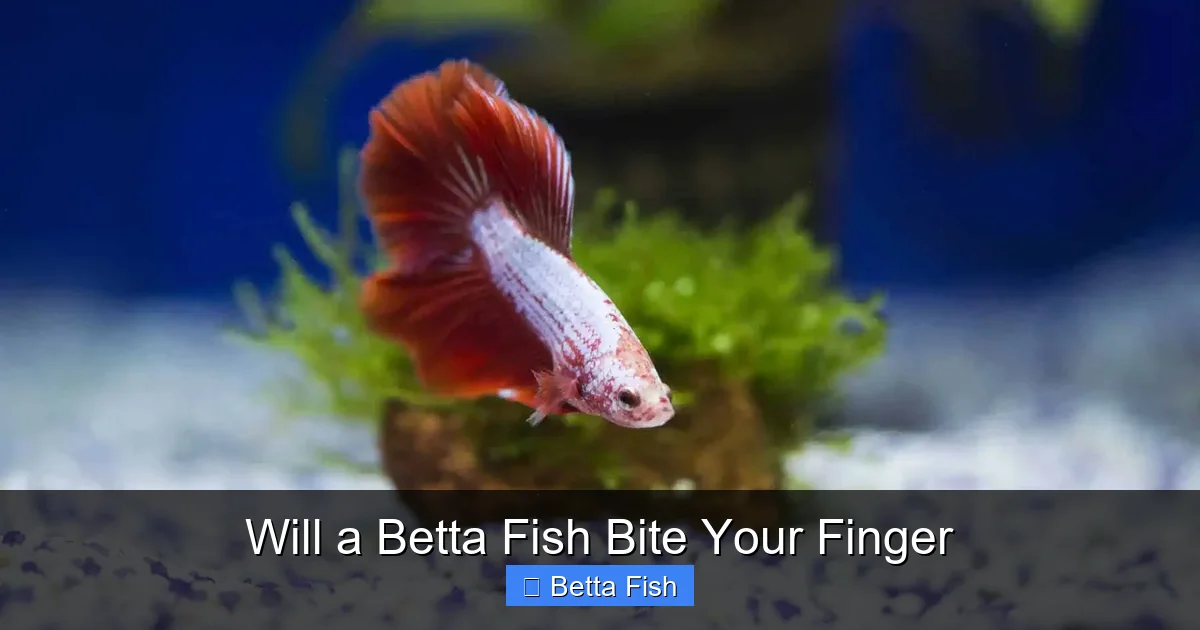
A betta’s mouth is tiny—about the size of a pea. If it does bite, you’ll feel a quick pinch, similar to a light mosquito bite. The mark is usually a small red dot that fades within a few minutes.
Visual guide about Will a Betta Fish Bite Your Finger
Image source: bettasource.com
When It Happens
- Feeding time: Betta may mistake a moving finger for live food.
- Stress: Poor water, sudden temperature changes, or a new tank mate can make a betta defensive.
- Territorial defense: Male bettas are especially protective of their space.
Why Betta Fish Might Bite
Instinctual Nipping
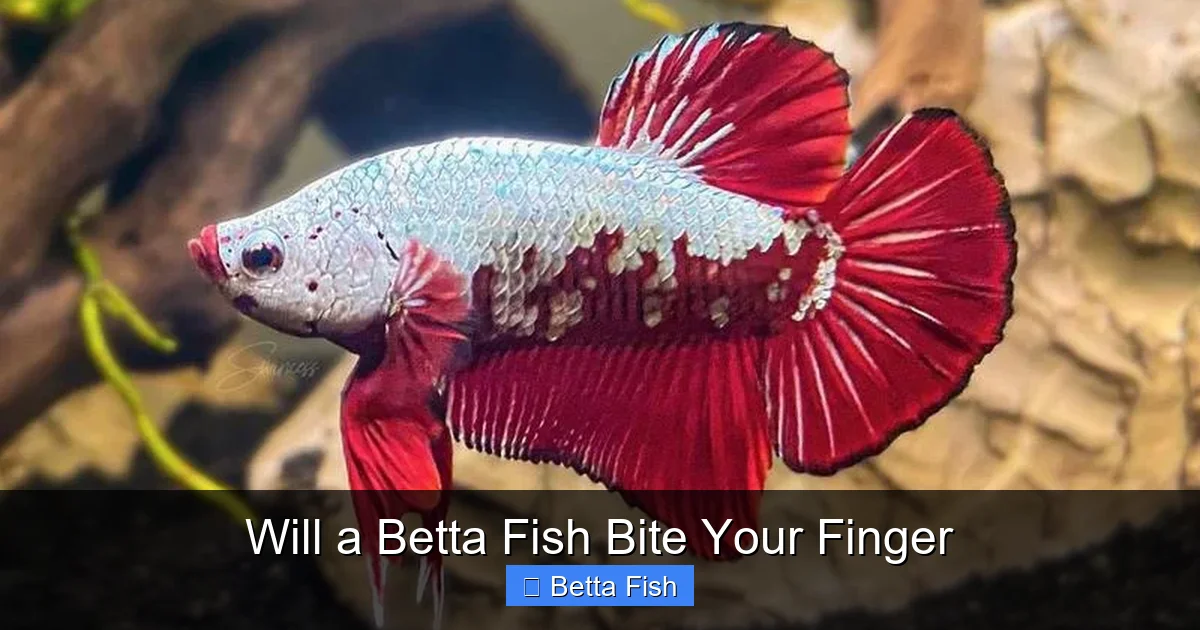
In the wild, bettas are ambush predators. Their natural response to any moving object near their head is to snap shut. This instinct can translate to a finger that darts too close.
Visual guide about Will a Betta Fish Bite Your Finger
Image source: ouraquariumlife.com
Misidentifying Your Finger as Food
Betta fish love small, wriggling prey. If you hover a finger over the water while feeding, the fish may think you’re offering a snack and give a quick bite.
Stress and Fear
Stress hormones make any fish more likely to act defensively. Over‑crowding, dirty water, or a sudden tap on the glass can trigger a bite response.
How to Prevent a Betta Bite
Proper Hand Hygiene
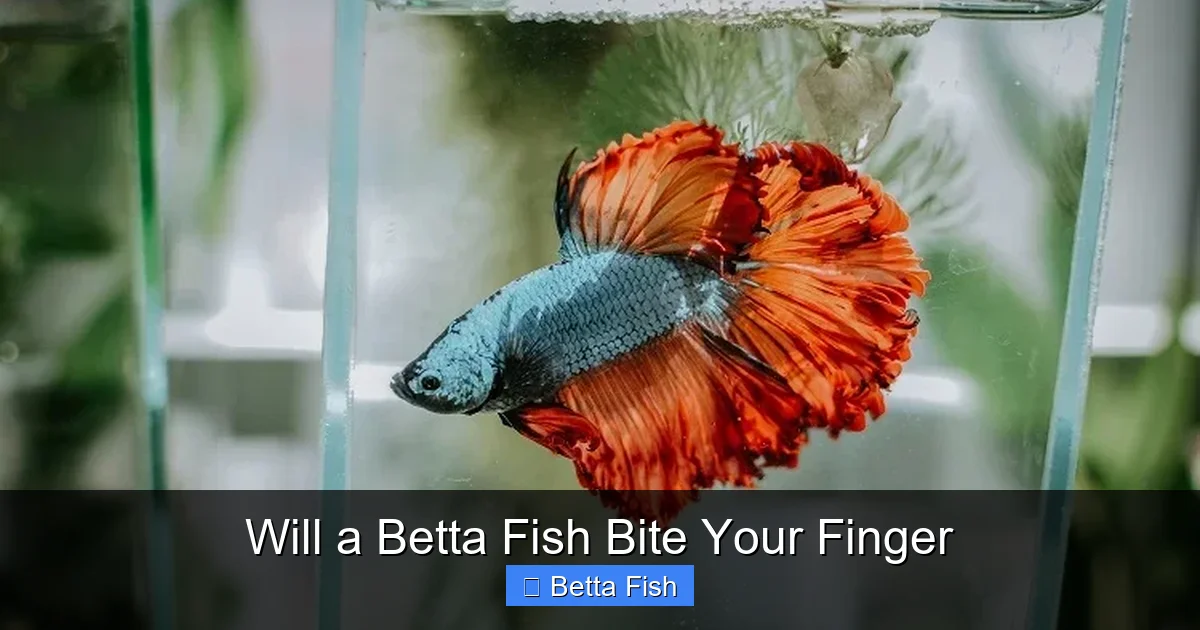
Always wash your hands with plain water—no soap residues. Chemicals can irritate a betta’s delicate skin and provoke a defensive bite.
Visual guide about Will a Betta Fish Bite Your Finger
Image source: fishlab.com
Calm, Slow Movements
Approach the tank slowly. Sudden movements are interpreted as threats. Let the betta see your hand before you try to touch it.
Use Tools Instead of Fingers
Invest in a soft mesh net, a pair of aquarium tweezers, or a feeding stick. These let you interact without direct finger contact.
Maintain Ideal Tank Conditions
Clean water, stable temperature (around 78‑80°F), and proper filtration reduce stress, making bites less likely.
Know When to Stop
If your betta flares its gills, spreads its fins, or hovers near the surface, give it space. These are warning signs that a bite could follow.
Handling Your Betta Safely
Step‑by‑Step Finger Introduction
- Wash and dry your hands.
- Hover your hand just above the water for a minute.
- Gently lower your fingertip to the side of the tank, not directly over the fish.
- If the betta swims away calmly, you can try a light tap on the glass.
- Reward calm behavior with a tiny piece of bloodworm.
When to Use a Net
For tank cleaning or moving the fish, a soft net is safest. Slide the net under the betta, support its body, and move the fish quickly but gently.
Training Tips
Positive reinforcement works. Offer a favorite treat after a calm interaction. Over time, the betta learns that your finger means food, not threat.
What If Your Betta Does Bite?
First‑Aid for Minor Bites
Clean the area with mild soap and water, apply an antiseptic, and monitor for redness. Most betta bites are harmless and heal quickly.
Assess the Fish’s Health
Frequent biting can indicate illness or injury. Look for torn fins, clouded eyes, or lethargy. If you spot any, consult a vet or a reputable aquarium store.
Re‑evaluate Tank Setup
Check water parameters, temperature, and tank size (minimum 5 gallons recommended). A happier environment reduces defensive behavior.
Common Myths About Betta Bites
Myth: All Betta Males Are Aggressive
Male bettas are territorial, but aggression varies by individual. Some are gentle, especially when raised in a calm environment.
Myth: Betta Bites Are Dangerous
Betta bites are tiny and not venomous. They may cause a small puncture, but they are not a health hazard.
Myth: Bigger Tanks Prevent Biting
While a larger tank reduces stress, proper water quality and handling are more critical than size alone.
Bonus: Fun Interactions Beyond the Finger
Training Simple Tricks
Betas can learn to follow a finger, push a ball, or even “high‑five” a glass. Use a small treat as a reward and keep sessions under two minutes.
Creating Enrichment
Add live plants, floating logs, or a gentle current to simulate a natural habitat. Enriched environments keep bettas busy and less likely to bite out of boredom.
Social Compatibility
Betta fish can coexist with certain peaceful species. For example, a snail or a small compatible tank mate can provide stimulation without triggering aggression.
Conclusion: Enjoying Your Betta Without Fear
So, will a betta fish bite your finger? The answer is yes—occasionally—but it’s rarely a serious problem. By keeping your betta’s environment clean, handling it gently, and watching for stress signals, you can enjoy close, bite‑free interactions.
Remember, a betta’s bite is usually a simple “I’m scared” response, not a hostile attack. With a little patience and the right tools, you’ll find that your betta becomes a fascinating, friendly companion you can admire up close, finger safely intact.
Frequently Asked Questions
Can a betta fish bite a human?
Yes, a betta can bite, but the bite is tiny and usually harmless, feeling like a light pinch.
Why does my betta bite when I try to feed it?
Betas may mistake a moving finger for live food. Offer food with a feeding stick or wait until the fish is calm before touching.
What are the warning signs that a betta might bite?
Flaring gills, spread fins, rapid swimming, and a sudden dart toward your hand are all signals to give the fish space.
How can I stop my betta from biting?
Maintain clean water, keep the temperature stable, handle the fish gently, and use tools like nets or tweezers instead of direct finger contact.
Is a betta bite dangerous?
No, betta bites are not poisonous and typically cause only a small red spot that heals quickly.
Should I be concerned if my betta bites frequently?
Frequent biting may indicate stress or illness. Check water parameters, look for signs of disease, and consider consulting a specialist.

