Can Betta Fish See Color
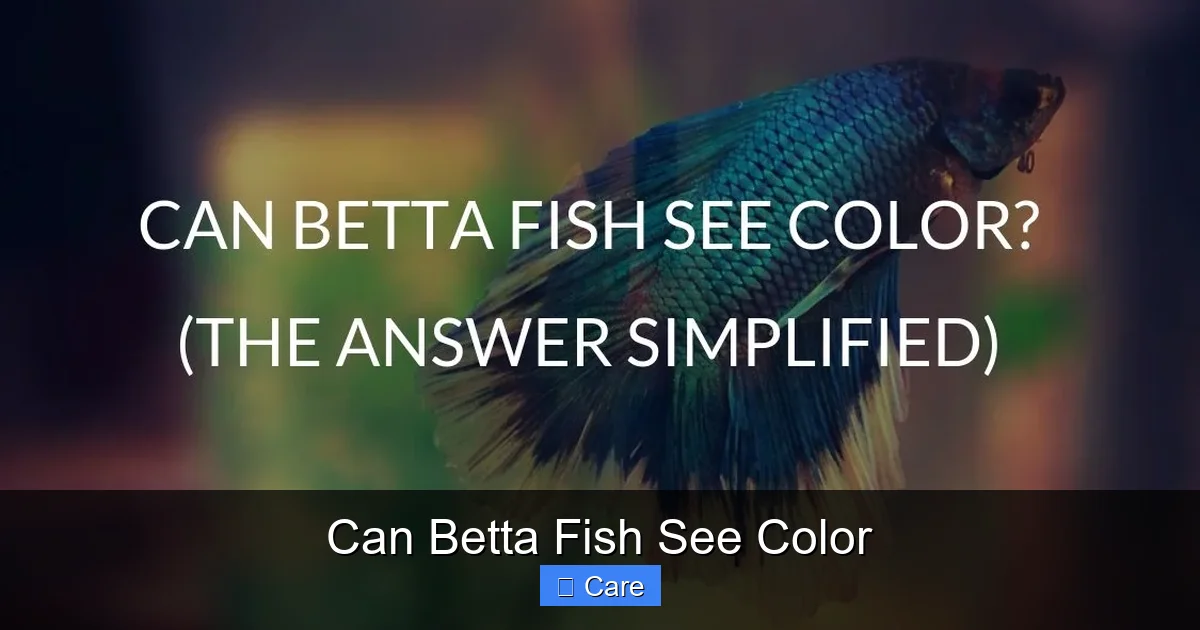
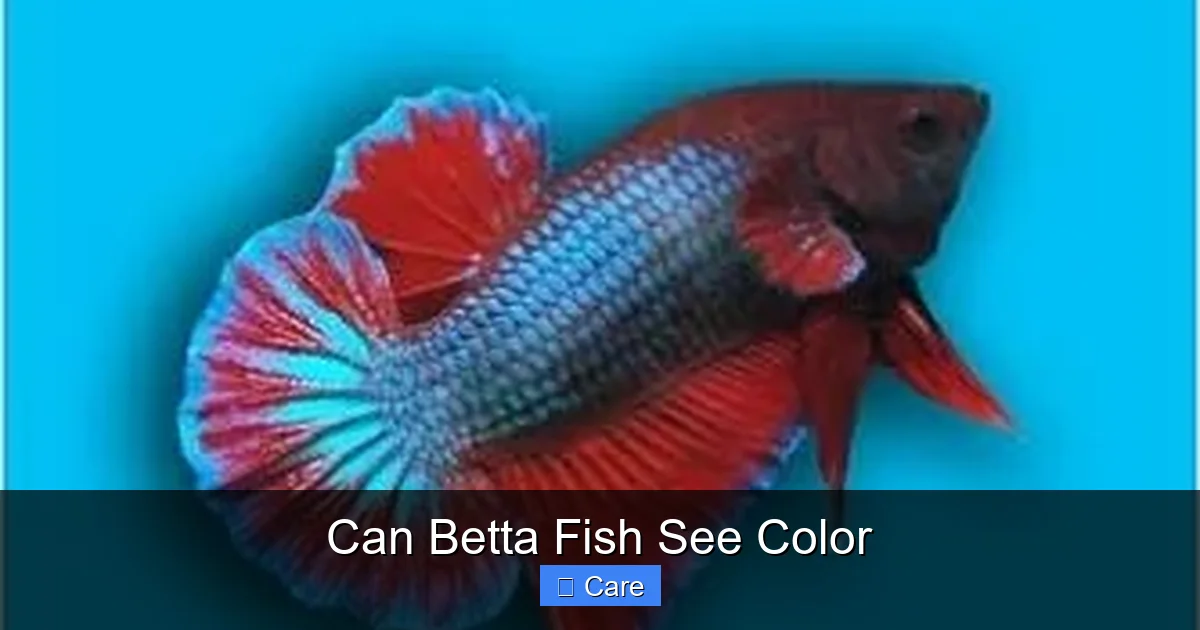
Betta fish do see colors, but not the same way humans do. Their eyes are tuned to detect reds, blues, and greens, which helps them find food, choose mates, and avoid predators. Understanding their color vision lets you create a more stimulating and healthy environment.
Key Takeaways
- Betta eyes are color‑sensitive: They perceive reds, blues and greens, but have limited UV vision.
- Lighting matters: Full‑spectrum LEDs enhance color perception and promote natural behavior.
- Tank décor should be colorful: Use contrasting reds and blues to reduce stress and encourage activity.
- Feeding cues are color‑based: Brightly colored foods are easier for bettas to locate.
- Sexual signaling relies on color: Males display vivid hues during courtship; poor lighting can dull these signals.
- Stress can mute colors: Sick or stressed bettas may appear paler, indicating a health issue.
- Compare with other senses: Vision works alongside lateral line and smell; a balanced environment supports all senses.
📑 Table of Contents
- Introduction: Seeing the World Through a Betta’s Eyes
- How Betta Vision Works
- Why Color Matters for Betta Care
- Optimizing Tank Lighting for Color Vision
- Decor and Plant Choices That Enhance Color Perception
- Common Myths About Betta Color Vision
- Practical Tips for Enhancing Your Betta’s Visual World
- Conclusion: Seeing Is Caring
Introduction: Seeing the World Through a Betta’s Eyes
Ever watched a betta flare its fins and wondered if it’s admiring the pretty plants you just added? The short answer is yes—betta fish can see color, but their rainbow is a bit different from ours. Their eyes are built for shallow, tropical waters where light filters through plants and reflections off the surface. Understanding how bettas perceive color helps you pick the right lighting, décor, and even food to keep them happy and healthy.
In this article we’ll explore the science behind betta vision, break down which colors they notice best, and give you practical tips for using that knowledge in everyday care. By the end, you’ll know exactly why a red live plant might make your betta more active, or why a dimly lit tank can hide important visual cues.
How Betta Vision Works
The Anatomy of a Betta Eye
Betta fish have a single, spherical eye positioned on the side of their head. Each eye contains a retina packed with two main types of photoreceptor cells: rods and cones. Rods handle low‑light vision, while cones detect color. Unlike humans, who have three cone types (red, green, blue), bettas have a slightly different set, giving them a unique color spectrum.
Visual guide about Can Betta Fish See Color
Image source: japanesefightingfish.org
What Colors Can Betta Fish Detect?
Research shows bettas are most sensitive to wavelengths around 460 nm (blue) and 540 nm (green). They also pick up reds, though not as sharply as we do. Ultraviolet (UV) light is largely invisible to them, so UV‑rich lighting offers little benefit. This means a tank lit with bright blues and greens will feel “vivid” to a betta, while deep reds will stand out as strong signals during breeding displays.
Comparing Betta Vision to Human Vision
- Color range: Humans see ~400–700 nm; bettas see a narrower band, focusing on blue‑green‑red.
- Sharpness: Betta vision is less detailed—think of it as a low‑resolution camera.
- Depth perception: Their side‑placed eyes give a wide field of view but limited overlap, so they rely more on motion than fine detail.
Why Color Matters for Betta Care
Feeding: Bright Colors = Better Eating
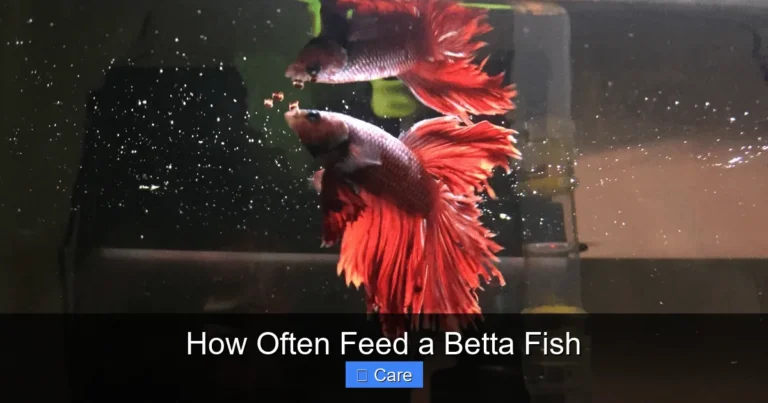
Betta fry and adults both hunt for moving, colorful prey in the wild. In captivity, they respond best to foods that contrast with the background. Red or orange pellets stand out against a green plant backdrop, making it easier for the betta to spot and snap up food. If you notice your fish ignoring meals, try switching to a more vividly colored option.
Visual guide about Can Betta Fish See Color
Image source: tankofish.com
Breeding and Courtship
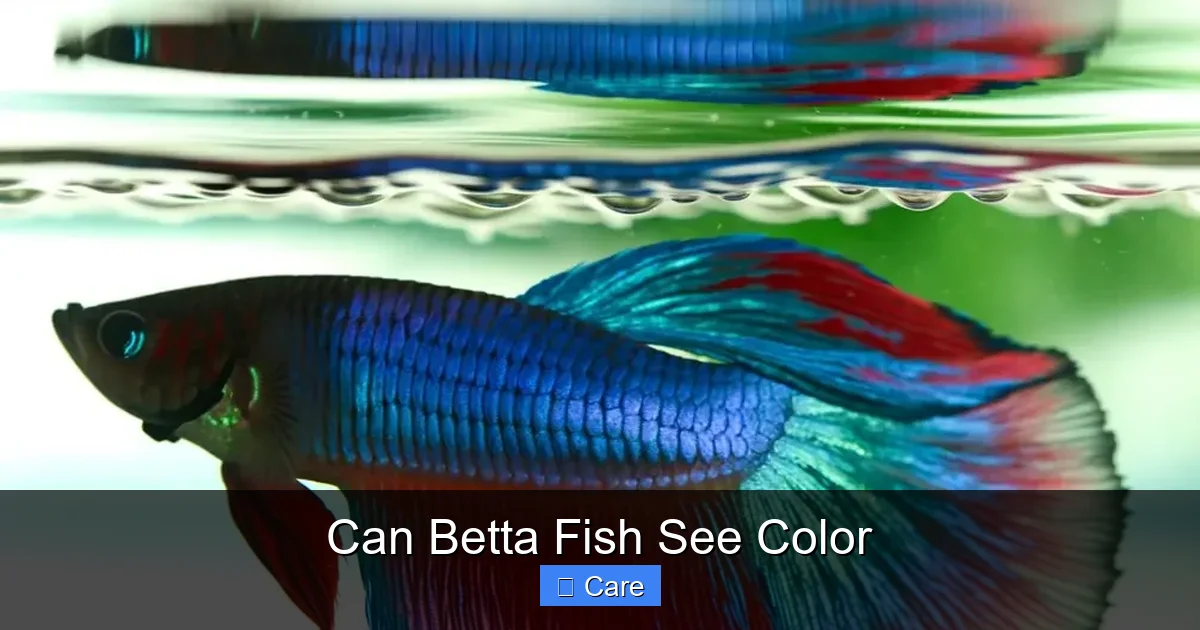
Male bettas flaunt their fins and gill covers in dazzling reds and blues to attract females. These colors are not just for show—they are a sign of health and vigor. Poor lighting can mute these hues, reducing the male’s ability to impress a potential mate. Providing full‑spectrum lighting (around 6500 K) ensures the colors stay bright, supporting successful breeding.
Stress Reduction Through Visual Stimulation
Betas are territorial and can become bored in a bland environment. Adding colorful live plants, like red Anubias or blue dwarf hairgrass, gives visual variety that mimics their natural habitat. Studies indicate that tanks with contrasting colors lower cortisol levels in bettas, leading to fewer fin‑nipping and more active displays.
Health Indicators
When a betta is ill or stressed, its colors often fade. A bright male may turn a dull pink if water quality drops or if parasites attack. Monitoring color changes is an easy, non‑invasive health check. If you see a sudden loss of vibrancy, test the water parameters and consider a quarantine period.
Optimizing Tank Lighting for Color Vision
Choosing the Right Bulb
LEDs are the top choice for betta tanks because they can be tuned to emit strong blue and green wavelengths while still providing enough red for breeding displays. Look for a bulb labeled “full spectrum” or “tropical aquarium” with a color temperature between 5000 K and 6500 K. Avoid cheap “white” bulbs that lean heavily toward yellow, as they can wash out reds and blues.
Visual guide about Can Betta Fish See Color
Image source: images-na.ssl-images-amazon.com
Lighting Duration and Cycle
In the wild, bettas experience about 12 hours of light and 12 hours of dusk. Replicate this by running your LED on a timer for 10–12 hours per day. A gradual dim‑down (using a dusk mode) helps the fish transition to night, supporting their natural circadian rhythm.
Placement of Light Sources
Position lights above the tank to mimic sunlight filtering through water. If you have a heavily planted setup, consider side lighting to accentuate the reds of your plants and the betta’s fins. This creates depth and helps the fish see colors from multiple angles.
Decor and Plant Choices That Enhance Color Perception
Live vs. Artificial Plants
Live plants not only improve water quality but also provide natural color cues. Species like Alternanthera reineckii (red) or Hygrophila polysperma (green) are excellent choices. If you prefer artificial décor, select silk or high‑quality plastic plants that reflect true colors rather than a dull gray.
Background Colors
A dark, solid background (black or deep blue) makes the betta’s reds pop. This contrast is especially helpful if you keep multiple bettas in a community tank and need to monitor individual health.
Interactive Objects
Floating toys or colored marbles can serve as visual enrichment. Choose items that are smooth, non‑porous, and safe for aquarium use. Rotate them every few weeks to keep the environment fresh.
Common Myths About Betta Color Vision
Myth 1: Betta Fish Are Color‑Blind
False. Betta fish possess cones that allow them to differentiate between several colors, especially reds, blues, and greens.
Myth 2: All Betta Colors Are the Same to Them
Incorrect. While they don’t see the full human spectrum, they can still tell bright reds from muted pinks, which impacts mating and feeding behavior.
Myth 3: Dark Tanks Are Better Because Betta Can See in Low Light
Betta fish do have good low‑light vision thanks to rods, but they still need adequate color lighting for normal behavior. For details on low‑light vision, see our article on Can Betta Fish See In The Dark.
Practical Tips for Enhancing Your Betta’s Visual World
- Use full‑spectrum LED lighting: Aim for 6500 K and a mix of blue, green, and red wavelengths.
- Incorporate red and blue décor: Live plants, silk leaves, or colored gravels stimulate natural instincts.
- Feed colorful foods: Live or frozen brine shrimp, bloodworms, and high‑quality pellets with natural dyes improve feeding response.
- Check water clarity: Cloudy water scatters light and reduces color perception; maintain regular water changes.
- Observe color changes: Fading hues can signal stress; act quickly to test parameters and adjust care.
Conclusion: Seeing Is Caring
Betta fish can indeed see color, and their world is painted with blues, greens, and vibrant reds. By tailoring lighting, décor, and diet to match their visual strengths, you create a richer, more natural environment that promotes health, reduces stress, and encourages natural behaviors like feeding and breeding. Remember, a colorful tank isn’t just pretty—it’s a vital part of betta wellness.
Frequently Asked Questions
Can betta fish see all the colors humans can?
No. Betta fish are most sensitive to blue, green, and red wavelengths. They have limited ability to see ultraviolet light and do not perceive the full human spectrum.
Does lighting affect a betta’s color perception?
Yes. Full‑spectrum LED lights that emit strong blue, green, and red wavelengths help bettas see their environment clearly and keep their own colors vivid.
Will a betta’s colors change if the tank is too dark?
In low light, a betta’s colors may appear duller because less light reaches its cones. However, they can still navigate using rod cells for low‑light vision.
Can I use artificial plants to stimulate a betta’s color vision?
Artificial plants work if they are made from high‑quality, non‑toxic materials that reflect true colors. Silk or premium plastic plants are best.
How can I tell if my betta is stressed by looking at its colors?
Stress often causes a betta’s bright hues to fade to a pale pink or gray. Combine this visual cue with other signs like lethargy or fin clamping.
Do bettas rely on color when they recognize their owners?
Betta fish mainly use movement and scent to recognize owners, but bright, contrasting colors in the tank can make them more attentive and responsive during interaction.