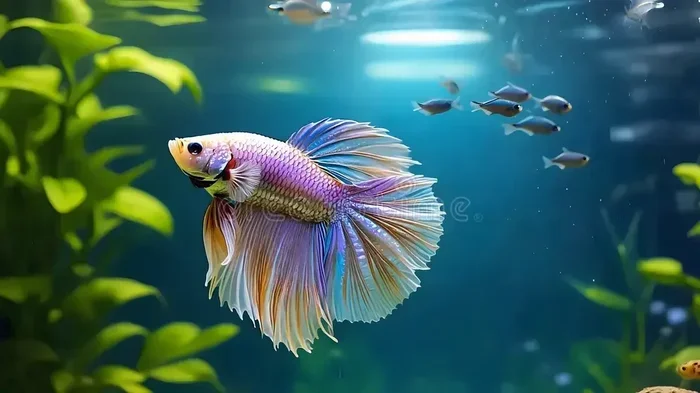
Can Brine Shrimp Live with Betta Fish

Brine shrimp and betta fish can coexist, but not in the way you might think. While adult brine shrimp are too large and saltwater-based to share a betta’s freshwater tank long-term, they serve as an excellent live food source. Understanding the difference between feeding brine shrimp and housing them together is key to keeping your betta healthy and happy.
Key Takeaways
- Brine shrimp are saltwater organisms: They cannot survive long-term in the freshwater environment that betta fish require.
- Excellent nutritional food source: Brine shrimp are packed with protein and nutrients that boost your betta’s health and coloration.
- Baby brine shrimp (nauplii) are ideal for fry: Newly hatched brine shrimp are the perfect first food for betta fry due to their tiny size.
- Freshwater shrimp are a different story: Species like cherry shrimp or ghost shrimp can potentially live with bettas, though risks exist.
- Feeding frequency matters: Brine shrimp should be offered as a treat 1-2 times per week, not as a staple diet.
- Live vs. frozen vs. freeze-dried: Each form of brine shrimp has different preparation methods and nutritional values for your betta.
- Observation is critical: Always monitor your betta’s behavior when introducing any new food or tank mate to ensure compatibility.
📑 Table of Contents
- Introduction: Can Brine Shrimp Really Live with Betta Fish?
- Understanding Brine Shrimp: What Are They?
- Can Brine Shrimp Live in the Same Tank as Betta Fish?
- Brine Shrimp as Food: Why Bettas Love Them
- How Often Should You Feed Brine Shrimp to Your Betta?
- Freshwater Shrimp: A Viable Tank Mate Alternative
- Hatching Brine Shrimp at Home: A Step-by-Step Guide
- Common Mistakes to Avoid
- Frequently Asked Questions about Brine Shrimp and Betta Fish
- Conclusion: Brine Shrimp and Betta Fish Can Work Together
Introduction: Can Brine Shrimp Really Live with Betta Fish?
If you have ever wandered down the fish food aisle at your local pet store, you have probably seen brine shrimp on the shelf. They come frozen, freeze-dried, and even as eggs you can hatch yourself. So it is only natural to wonder, can brine shrimp live with betta fish in the same tank?
The answer is a little more complicated than a simple yes or no. Brine shrimp and betta fish have very different environmental needs. One thrives in saltwater, while the other calls freshwater home. But that does not mean they cannot interact in meaningful and beneficial ways.
In this article, we will break down everything you need to know about brine shrimp and betta fish. We will explore whether they can share a tank, how brine shrimp make an incredible food source, and what alternatives exist if you want shrimp living alongside your betta. Let us dive right in.
Understanding Brine Shrimp: What Are They?
The Basics of Brine Shrimp
Brine shrimp, scientifically known as Artemia, are tiny crustaceans that live in saltwater environments. You will typically find them in salt lakes, salt ponds, and other bodies of water with high salinity. They are incredibly small, usually measuring between 8 to 12 millimeters in length as adults.
These little creatures have been around for millions of years. They are remarkably resilient and can survive in conditions that would kill most other organisms. Their eggs, called cysts, can remain dormant for years and hatch when conditions become favorable.
Why Are Brine Shrimp So Popular in the Aquarium Hobby?
Brine shrimp have earned a legendary status in the fishkeeping world. They are one of the most widely used live foods for aquarium fish, and for good reason. They are easy to hatch at home, packed with nutrition, and most fish go absolutely crazy for them.
For betta fish keepers specifically, brine shrimp are a go-to treat. Bettas are carnivorous fish that thrive on protein-rich diets. Brine shrimp deliver exactly that. Whether you feed them live, frozen, or freeze-dried, your betta will likely devour them with enthusiasm.
Can Brine Shrimp Live in the Same Tank as Betta Fish?
The Saltwater vs. Freshwater Problem
Here is the fundamental issue. Brine shrimp are saltwater creatures. They need saline water to survive. Betta fish, on the other hand, are freshwater fish. They need clean, warm freshwater to thrive. These two requirements are completely incompatible.
If you were to drop adult brine shrimp into your betta’s freshwater tank, they would not last long. The lack of salt in the water would cause them to die relatively quickly, usually within hours. Their bodies would then decompose and could foul your tank water, creating ammonia spikes that are dangerous for your betta.
What About Baby Brine Shrimp?
Baby brine shrimp, also known as nauplii, are even more delicate than adults. They hatch in saltwater and need saline conditions to survive. Even though they are tiny and might seem like they could blend into a betta tank, they simply cannot live in freshwater.
However, baby brine shrimp are incredibly useful as food. Many betta breeders rely on newly hatched brine shrimp as the primary food source for betta fry. The nauplii are small enough for baby bettas to eat and packed with the nutrients they need to grow.
The Bottom Line on Cohabitation
So, can brine shrimp live with betta fish in the same tank? The honest answer is no. They cannot coexist as tank mates because their water requirements are completely different. But that does not diminish their value to betta keepers. Instead of thinking of them as potential roommates, think of them as a premium meal.
Brine Shrimp as Food: Why Bettas Love Them
Nutritional Benefits of Brine Shrimp
Brine shrimp are a nutritional powerhouse for betta fish. They contain high levels of protein, essential amino acids, and healthy fats. These nutrients support your betta’s immune system, enhance their vibrant colors, and promote overall vitality.
When you feed brine shrimp to your betta, you are giving them something close to what they would eat in the wild. Bettas are insectivores and carnivores by nature. In their natural habitat, they feast on small insects, larvae, and crustaceans. Brine shrimp mimic this natural prey perfectly.
Live Brine Shrimp
Live brine shrimp are the gold standard when it comes to feeding. You can hatch them at home using a simple brine shrimp hatchery setup. All you need is a container, saltwater, an air pump, and brine shrimp eggs. Within 24 to 48 hours, you will have live, swimming baby brine shrimp ready to feed.
The movement of live brine shrimp triggers your betta’s hunting instinct. Watching a betta chase and catch live food is one of the most entertaining things in the aquarium hobby. It provides mental stimulation and exercise that keeps your fish engaged and healthy.
Frozen Brine Shrimp
Frozen brine shrimp are a convenient alternative to live food. They come in small cubes that you can thaw and feed to your betta. While they do not offer the same hunting stimulation as live shrimp, they still provide excellent nutrition.
To feed frozen brine shrimp, simply thaw a small portion in a cup of tank water. Use a pipette or turkey baster to release the shrimp near your betta. Remove any uneaten portions after a few minutes to prevent water quality issues.
Freeze-Dried Brine Shrimp
Freeze-dried brine shrimp are the most shelf-stable option. They come in small containers and can be stored at room temperature for extended periods. However, they are nutritionally inferior to both live and frozen varieties.
If you choose to feed freeze-dried brine shrimp, soak them in tank water for a few minutes before feeding. This rehydrates them and makes them easier for your betta to digest. Feeding dry shrimp without soaking can cause bloating and digestive problems.
How Often Should You Feed Brine Shrimp to Your Betta?
Treat, Not a Staple
As nutritious as brine shrimp are, they should not be the only thing you feed your betta. Think of them as a supplement or treat rather than a complete diet. A varied diet is essential for keeping your betta in peak condition.
Feed brine shrimp to your betta one to two times per week. On other days, offer high-quality betta pellets as the staple food. You can also rotate in other treats like bloodworms or daphnia to keep things interesting.
Portion Control
Bettas have small stomachs, roughly the size of their eye. Overfeeding is one of the most common mistakes betta owners make. When offering brine shrimp, give your betta only what they can consume in about two minutes.
A good rule of thumb is to offer 3 to 5 brine shrimp per feeding session. Watch your betta eat and adjust the portion size based on their appetite and body condition. A healthy betta should have a slightly rounded belly, not a bloated one.
Signs of Overfeeding
Overfeeding brine shrimp or any food can lead to serious health problems. Watch for signs like bloating, constipation, lethargy, and uneaten food accumulating at the bottom of the tank. If you notice these signs, reduce feeding frequency and consider a fasting day.
Regular water changes are also important when feeding protein-rich foods like brine shrimp. These foods produce more waste than dry pellets, so staying on top of your maintenance schedule is crucial.
Freshwater Shrimp: A Viable Tank Mate Alternative
Can Freshwater Shrimp Live with Betta Fish?
While brine shrimp cannot live in your betta’s tank, freshwater shrimp are a completely different matter. Species like cherry shrimp, ghost shrimp, and amano shrimp are freshwater creatures that can potentially share a tank with your betta.
Visual guide about Can Brine Shrimp Live with Betta Fish
Image source: assets2.phonebooky.com
However, there is a catch. Bettas are territorial and predatory. They may see small shrimp as food rather than tank mates. The success of keeping shrimp with bettas depends on your individual betta’s personality, the tank size, and the availability of hiding spots.
If you are interested in exploring this option, check out our detailed guide on can betta fish live with shrimp for a comprehensive breakdown of compatible species and setup tips.
Best Freshwater Shrimp Species for Betta Tanks
Some freshwater shrimp species are better suited for life with bettas than others. Here are a few options worth considering:
- Cherry Shrimp: These small, colorful shrimp are popular in the hobby. They breed readily in freshwater tanks. However, their small size makes them vulnerable to predation by aggressive bettas.
- Ghost Shrimp: Also called glass shrimp, these are inexpensive and widely available. They are slightly larger than cherry shrimp but can still become a snack for hungry bettas.
- Amano Shrimp: These are larger and more robust than cherry or ghost shrimp. Their size gives them a better chance of surviving alongside a betta. They are also excellent algae eaters.
- Bamboo Shrimp: These filter-feeding shrimp are quite large and generally safe with bettas. They are peaceful and spend most of their time filtering particles from the water.
Tips for Success with Shrimp and Betta Fish
If you decide to try keeping freshwater shrimp with your betta, follow these tips to maximize your chances of success:
- Provide plenty of hiding spots: Use live plants, driftwood, and caves to give shrimp places to retreat if your betta gets aggressive.
- Introduce shrimp first: Let the shrimp establish themselves in the tank before adding the betta. This gives them a head start in finding hiding spots.
- Choose a larger tank: A 10-gallon tank or larger gives both species enough space to establish their own territories.
- Monitor closely: Watch for signs of aggression during the first few days. If your betta relentlessly hunts the shrimp, you may need to separate them.
- Have a backup plan: Keep a separate tank or container ready in case the arrangement does not work out.
Hatching Brine Shrimp at Home: A Step-by-Step Guide
What You Need
Hatching your own brine shrimp is surprisingly easy and rewarding. Here is what you will need to get started:
- A clean plastic bottle or dedicated hatchery container
- Non-iodized salt or marine salt
- Brine shrimp eggs (available at most pet stores or online)
- An air pump and airline tubing
- A light source to attract the hatched shrimp
- Dechlorinated water
The Hatching Process
Start by filling your hatchery container with dechlorinated water. Add salt at a ratio of about 1 tablespoon per quart of water. Connect the air pump to create a steady stream of bubbles. This keeps the water oxygenated and prevents the eggs from settling.
Add a small pinch of brine shrimp eggs to the container. Place a light near the container to attract the hatched nauplii. Keep the water temperature between 75 and 85 degrees Fahrenheit for optimal hatching results.
Within 24 to 48 hours, you should see tiny, orange-colored baby brine shrimp swimming in the water. To harvest them, turn off the air pump and let the container sit for a few minutes. The empty egg shells will float to the top while the live shrimp gather near the light. Use a fine mesh net or pipette to collect the shrimp.
Feeding Hatched Brine Shrimp to Your Betta
Rinse the harvested brine shrimp with fresh water before feeding them to your betta. This removes excess salt that could affect your tank water. Use a pipette or small spoon to transfer the shrimp to your betta’s tank.
Your betta will likely go into a feeding frenzy when they detect the live shrimp. This is completely normal and actually beneficial for their mental and physical health. Just be sure to remove any uneaten shrimp after a few minutes.
Common Mistakes to Avoid
Putting Brine Shrimp in Freshwater
One of the most common mistakes new betta owners make is trying to keep brine shrimp alive in their freshwater tank. As we have discussed, this simply does not work. Brine shrimp need saltwater to survive, and adding salt to your betta tank to accommodate them would harm your fish.
If you want to offer brine shrimp to your betta, feed them as a food item rather than trying to establish a breeding colony in your display tank. The shrimp will be consumed quickly, and there will be no leftover organisms to foul your water.
Over-Reliance on Brine Shrimp
Another mistake is feeding brine shrimp exclusively. While they are nutritious, they do not provide a complete nutritional profile on your betta. A diet consisting only of brine shrimp can lead to nutritional deficiencies over time.
Always maintain a balanced diet. Use high-quality betta pellets as the foundation and supplement with brine shrimp and other treats. Variety is the key to a healthy, long-lived betta.
Ignoring Water Quality
Feeding live and frozen foods increases the bioload in your tank. Uneaten shrimp and excess waste can quickly degrade water quality. Stay on top of your water change schedule and test your water parameters regularly.
A good maintenance routine includes weekly water changes of 25 to 30 percent. Use a gravel vacuum to remove debris from the substrate. Test for ammonia, nitrite, and nitrate to ensure your water stays within safe parameters.
Frequently Asked Questions about Brine Shrimp and Betta Fish
Can betta fish eat brine shrimp every day?
While betta fish can eat brine shrimp daily, it is not recommended. Brine shrimp should be offered as a treat one to two times per week. A varied diet that includes high-quality pellets and occasional treats is best for long-term health.
Do brine shrimp clean the tank?
No, brine shrimp do not clean the tank. They are not algae eaters or detritus consumers. In fact, uneaten brine shrimp will decompose and make your water quality worse. Always remove uneaten portions promptly.
Can I hatch brine shrimp without an air pump?
It is possible but not ideal. An air pump keeps the eggs suspended in the water and provides oxygen for the hatching shrimp. Without one, your hatching rate will be significantly lower. A basic air pump setup is inexpensive and well worth the investment.
Are freeze-dried brine shrimp as good as live?
Freeze-dried brine shrimp are convenient but less nutritious than live or frozen varieties. The freeze-drying process reduces some of the nutritional content. They are fine as an occasional treat but should not replace live or frozen options entirely.
How long do live brine shrimp survive in a betta tank?
Live brine shrimp placed in freshwater will typically die within a few hours. They are saltwater organisms and cannot survive in the freshwater environment of a betta tank. This is why they should be fed promptly and uneaten portions removed quickly.
Can baby brine shrimp live with betta fry?
Baby brine shrimp are actually the perfect food for betta fry. They are small enough for newly hatched bettas to eat and packed with essential nutrients. However, they still cannot survive long-term in freshwater and should be fed as food, not kept as tank mates.
Conclusion: Brine Shrimp and Betta Fish Can Work Together
So, can brine shrimp live with betta fish? The answer is nuanced. They cannot share the same tank as permanent residents because of their different water requirements. Brine shrimp need saltwater, and bettas need freshwater. These two worlds simply do not overlap in a home aquarium setting.
But that does not mean brine shrimp have no place in your betta care routine. Far from it. Brine shrimp are one of the best foods you can offer your betta. They are packed with protein, trigger natural hunting behaviors, and add valuable variety to your fish’s diet. Whether you choose live, frozen, or freeze-dried, your betta will thank you for the treat.
If your goal is to have shrimp living alongside your betta, look into freshwater species like cherry shrimp, ghost shrimp, or amano shrimp. These creatures can potentially coexist with your betta, though success depends on your betta’s individual temperament and your tank setup. For more information on compatible tank mates, explore our guide on what other fish can live with betta fish to broaden your options.
At the end of the day, understanding the needs of each species is what makes a great fishkeeper. Brine shrimp and betta fish may not be tank mates, but they are a perfect match when it comes to nutrition. Hatch some at home, feed them as a treat, and watch your betta thrive.
Frequently Asked Questions
Can brine shrimp live in a betta fish tank permanently?
No, brine shrimp cannot live permanently in a betta fish tank. They are saltwater organisms and will die within hours in freshwater. They should only be introduced as food, not as permanent tank inhabitants.
How often should I feed brine shrimp to my betta fish?
Feed brine shrimp to your betta one to two times per week as a treat. They should supplement a staple diet of high-quality betta pellets, not replace it entirely.
Are live brine shrimp better than frozen for betta fish?
Live brine shrimp are generally better because they retain full nutritional value and stimulate your betta’s natural hunting instincts. Frozen brine shrimp are a convenient alternative with slightly reduced nutritional content.
Can I keep freshwater shrimp with my betta fish?
Yes, some freshwater shrimp species like amano shrimp and ghost shrimp can live with bettas. However, success depends on your betta’s personality and the tank setup. Always provide hiding spots and monitor interactions closely.
Do I need special equipment to hatch brine shrimp at home?
You need a basic setup including a container, non-iodized salt, an air pump, and brine shrimp eggs. The total cost is minimal, and the process takes about 24 to 48 hours from egg to harvestable baby shrimp.
What happens if my betta eats too many brine shrimp?
Overfeeding brine shrimp can cause bloating, constipation, and water quality issues. Stick to small portions of 3 to 5 shrimp per feeding and remove any uneaten food after a few minutes.