How Can You Tell If Your Betta Fish Is Old
Knowing how can you tell if your betta fish is old helps you provide better care in their golden years. Aging betta fish show changes in color, activity level, appetite, and fin condition that signal they are getting older. Recognizing these signs early lets you adjust their tank environment and routine for a happier, healthier life.
Key Takeaways
- Color fading and dullness are common signs that your betta fish is getting older.
- Reduced activity and slower movement often indicate an aging betta fish.
- Changes in appetite and eating habits can signal that your betta is entering its senior years.
- Fin deterioration and clamped fins are visible markers of an old betta fish.
- Adjusting tank conditions like water quality and temperature helps support aging betta fish.
- Understanding betta fish lifespan sets realistic expectations for their care journey.
- Regular observation is the best way to catch age-related changes early.
📑 Table of Contents
- How Can You Tell If Your Betta Fish Is Old
- Understanding Betta Fish Lifespan and Aging
- Physical Signs Your Betta Fish Is Getting Older
- Behavioral Changes in an Aging Betta Fish
- Appetite and Eating Habit Changes
- How Tank Conditions Affect an Aging Betta Fish
- Differentiating Aging From Illness
- Practical Care Tips for Older Betta Fish
- Key Takeaways
- Conclusion
How Can You Tell If Your Betta Fish Is Old
Betta fish are beautiful, vibrant creatures that bring joy to any home. But like all living things, they go through changes as they age. If you have noticed your betta acting differently lately, you might be wondering how can you tell if your betta fish is old. The good news is that there are clear signs to watch for. Understanding these signs helps you give your fish the best possible care during every stage of life.
A betta fish typically lives between three and five years. Some lucky fish even reach six or seven with excellent care. As your betta enters its later years, you will notice shifts in behavior, appearance, and overall energy. These changes are completely natural. The key is to recognize them early and adapt their environment accordingly. This guide walks you through every sign of an aging betta fish in simple, easy-to-follow terms.
Whether you have had your betta for years or recently adopted what you think might be an older fish, this article covers everything you need to know. We will explore physical changes, behavioral shifts, and practical care tips. By the end, you will feel confident in identifying the signs of an old betta fish and knowing exactly how to support them.
Understanding Betta Fish Lifespan and Aging
Before diving into the specific signs, it helps to understand the big picture. Bettas go through distinct growth stages just like humans do. A baby betta grows quickly in the first few months. By six months, they reach full size and color. Then the adult phase lasts for a couple of years. After that, the senior phase begins.
So how can you tell if your betta fish is old? Age is not just about numbers on a calendar. It is about what you observe. A betta fish that is two years old may already show early aging signs if kept in less-than-ideal conditions. On the other hand, a well-cared-for betta might look vibrant even at four years old. This is why knowing the betta fish lifespan and what to expect at each stage matters so much.
The Average Betta Fish Age Stages
Breaking down the aging process into stages makes it easier to track changes. Here is a simple overview:
- Infancy (0-3 months): The betta is small, growing fast, and developing full color and fins.
- Youth (3-12 months): The fish reaches its peak color and energy levels. This is the most vibrant stage.
- Adult (1-3 years): The betta is fully grown and active. Color remains strong with proper care.
- Senior (3+ years): Gradual changes begin. Color may fade, movement slows, and appetite shifts.
If your fish falls into the senior category, you are likely asking how can you tell if your betta fish is old in more specific terms. The sections below break down the exact signs to look for.
Physical Signs Your Betta Fish Is Getting Older
The most obvious clues about an aging betta fish come from their physical appearance. These changes happen slowly over time, so watching closely makes all the difference.
Color Fading and Dullness
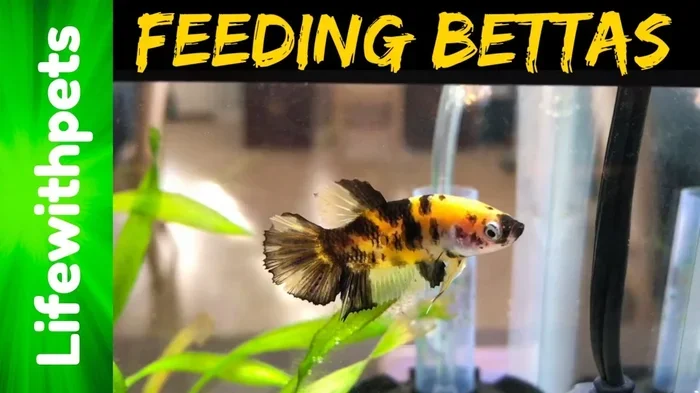
One of the first things many owners notice is that their betta fish color changes with age. A vibrant blue or red betta might start looking pale or washed out. The colors become less intense and more muted. This happens because the pigment cells in the skin gradually reduce their activity. Think of it like gray hair in humans. It is a natural part of the aging process.
If the color loss happens suddenly, that is different. Sudden fading could point to stress or illness. In that case, you should check how can you tell if your betta fish is sick to rule out health problems. But gradual fading over weeks or months is usually just a sign of getting older.
Fin Deterioration and Fin Wear
Betta fish are famous for their long, flowing fins. As they age, those fins start to show wear and tear. You might notice tears, ragged edges, or fins that look thinner than before. The fin rays may become slightly translucent. Some older bettas also hold their fins closer to their body instead of spreading them out fully.
This fin deterioration is not a disease. It is simply a result of years of swimming and minor tank interactions. However, you can help by keeping the water clean and free of sharp decorations that could catch on delicate fins.
Body Shape and Size Changes
An aging betta fish may look slightly different in body shape. Some older fish become a bit thinner or lose their rounded belly. Others might carry a little more bulk. These changes are subtle but noticeable when you compare photos over time. Weight loss in a senior betta can also link to appetite changes, which we cover next.
Behavioral Changes in an Aging Betta Fish
Behavior tells you a lot about how your betta is feeling. As they get older, their daily habits shift in predictable ways. Paying attention to these changes is one of the best answers to how can you tell if your betta fish is old.
Reduced Activity and Slower Movement
A young betta fish is full of energy. They dart around the tank, flare their fins, and explore every corner. An older betta, on the other hand, moves more slowly. They might spend more time resting near the bottom or hovering in one spot. This reduced activity level is a very common sign of aging.
Do not mistake this for laziness. Your fish is not being lazy. Their body simply needs more rest. If you want to support an active senior betta, check out how to know if your betta fish is happy to understand their comfort cues better.
Sleeping More and Hiding Often
Older bettas tend to sleep more than younger ones. You might find your fish napping on a leaf or resting near a warm spot in the tank. They also tend to hide more, especially if they feel vulnerable. Providing plenty of soft plants and gentle hiding spots makes a big difference for a senior fish.
Changes in Responsiveness
Young bettas often react when you approach the tank. They might swim to the front or follow your finger. An aging betta fish may not respond as quickly or at all. This does not mean they are unhappy. It simply means their senses and reflexes are slowing down with age.
Appetite and Eating Habit Changes
Food is a great indicator of overall health at any age. When a betta fish gets older, their relationship with food often changes.
Eating Less or Refusing Food
A senior betta fish may eat less than they used to. Some fish become picky and only accept certain foods. Others simply lose interest in mealtime altogether. This is normal to a degree. However, if your betta completely stops eating for more than a few days, that warrants closer attention.
Difficulty Swallowing or Chewing
Older bettas sometimes have trouble with larger food pieces. Their jaw muscles and teeth (yes, bettas have tiny tooth-like structures) weaken over time. You might notice your fish spitting food out or struggling to eat pellets. Switching to smaller, softer foods like brine shrimp or soaked pellets can help a great deal.
Overfeeding Risks for Older Fish
It is tempting to overcompensate for a reduced appetite by offering more food. This is a common mistake. Overfeeding an old betta fish can cause bloating, constipation, and poor water quality. Feed small portions two times a day and remove any uneaten food after a few minutes.
How Tank Conditions Affect an Aging Betta Fish
The environment your betta lives in plays a huge role in how gracefully they age. A well-maintained tank can slow down some effects of aging and keep your fish comfortable for longer.
Water Quality Matters More Than Ever
Older betta fish are more sensitive to poor water conditions. Ammonia and nitrite levels that a young fish might tolerate can make a senior fish very sick. Test your water regularly and keep ammonia at zero. Nitrite should also be zero, and nitrate should stay below 20 parts per million.
Using a water conditioner like Tetra AquaSafe helps neutralize harmful chemicals in tap water. Clean, conditioned water is one of the simplest ways to support an aging betta.
Temperature and Tank Setup for Senior Fish
Bettas thrive in warm water between 78 and 80 degrees Fahrenheit. As they age, they become less tolerant of temperature swings. A stable heater and a thermometer are essential. Avoid placing the tank near windows, drafts, or electronics that cause temperature fluctuations.
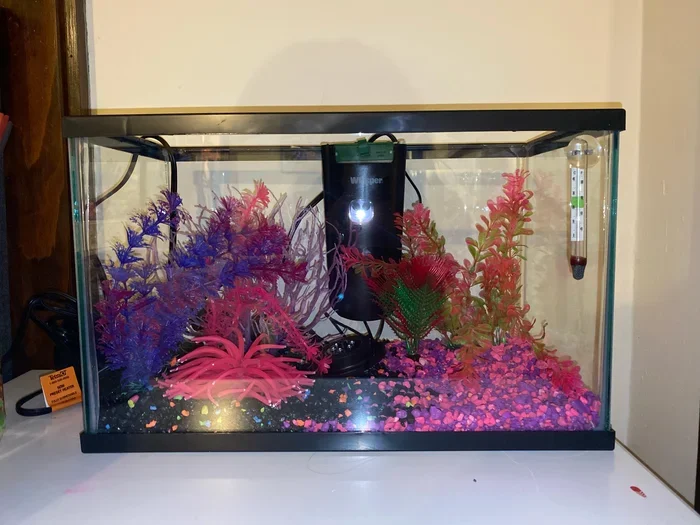
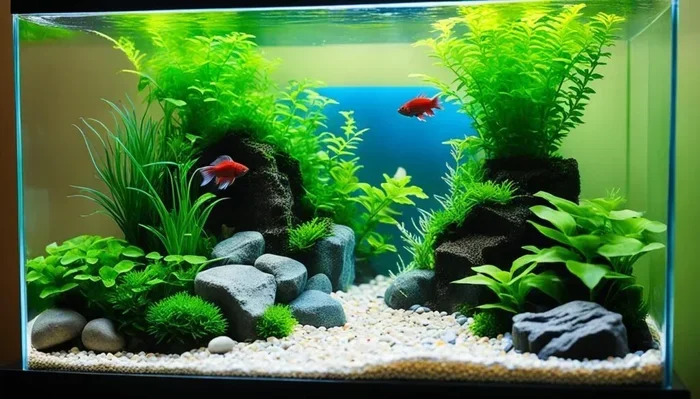
Keep the tank layout simple. Avoid sharp decorations and strong filter outflows. A gentle current makes swimming easier for an old betta fish. Soft silk plants and smooth substrates prevent fin damage and reduce stress.
How Often to Clean an Older Fish Tank
Regular cleaning becomes even more important for senior bettas. However, you do not want to over-clean and strip away beneficial bacteria. Partial water changes of 20 to 25 percent every week work well. If you are unsure about the cleaning schedule, check out how often you should clean your betta fish bowl for practical guidance.
Differentiating Aging From Illness
This is one of the most important topics for any betta owner. Many signs of aging overlap with signs of illness. You do not want to mistake a treatable condition for old age. Here is how to tell the difference.
Gradual vs. Sudden Changes
Aging happens slowly. Color fades over months. Movement decreases gradually. Appetite declines little by little. Illness, on the other hand, strikes fast. A fish that suddenly stops eating, develops white spots, or starts breathing rapidly needs immediate attention.
If you notice sudden or severe changes, it is always better to investigate. Learning how can you tell if your betta fish is sick gives you the tools to spot illness quickly and respond appropriately.
When to Consult a Vet or Fish Specialist
If you are unsure whether your betta is aging or unwell, consult an expert. Fish veterinarians and experienced aquarists can help you assess the situation. They can recommend treatments or adjustments that make a real difference in your fish’s quality of life.
Practical Care Tips for Older Betta Fish
Now that you know the signs, here is how to put that knowledge into action. Caring for an old betta fish does not have to be complicated. A few simple adjustments go a long way.
- Feed smaller, softer meals two times a day. Soak pellets before offering them.
- Keep the water warm and stable with a reliable heater and thermometer.
- Perform weekly partial water changes to maintain clean, safe conditions.
- Reduce tank decorations with sharp edges to protect delicate fins.
- Observe your fish daily and keep a simple log of eating, activity, and appearance.
- Lower the tank light intensity slightly if your older betta seems sensitive to bright light.
- Avoid tank mates that might stress or bother a slower, older fish.
These tips help create a comfortable, low-stress environment. They support your aging betta fish in living out their remaining years with dignity and comfort.
Key Takeaways
- Color fading and dullness are common signs that your betta fish is getting older.
- Reduced activity and slower movement often indicate an aging betta fish.
- Changes in appetite and eating habits can signal that your betta is entering its senior years.
- Fin deterioration and clamped fins are visible markers of an old betta fish.
- Adjusting tank conditions like water quality and temperature helps support aging betta fish.
- Understanding betta fish lifespan sets realistic expectations for their care journey.
- Regular observation is the best way to catch age-related changes early.
Conclusion
Learning how can you tell if your betta fish is old is one of the most caring things you can do as a fish owner. The signs are all around you, from faded colors and slower movement to changes in appetite and fin condition. None of these changes need to be scary. With the right knowledge and a few simple adjustments, you can make your betta’s senior years truly comfortable and fulfilling.
Aging is a natural part of life for every betta fish. By staying observant and responsive, you honor the bond you share with your fish. Keep their water clean, their food appropriate, and their environment calm. Your older betta will thank you with the best quality of life possible.
Remember, every stage of your betta’s life deserves attention and love. The fact that you are reading this article shows you already care deeply. Trust your instincts, keep learning, and enjoy every moment with your colorful companion.
Frequently Asked Questions
What is the average betta fish lifespan?
Most betta fish live between three and five years. With excellent care, some individuals reach six or even seven years old. Genetics, diet, and tank conditions all play a role in determining how long your betta lives.
Can you tell how old a betta fish is by its color?
Color changes can give you clues about a betta’s age. Fading or dulling of vibrant colors often signals that the fish is getting older. However, sudden color loss is more likely linked to stress or illness rather than aging.
Is my old betta fish behavior normal?
Slower movement, more sleeping, and reduced appetite are normal for aging bettas. However, if these changes happen suddenly or are accompanied by physical symptoms like spots or swelling, you should investigate further for possible illness.
How often should I feed an older betta fish?
Feed your senior betta two small meals per day. Offer softer foods like soaked pellets or brine shrimp. Remove any uneaten food after a few minutes to keep the water clean and prevent health issues.
Can aging betta fish live in a bowl?
While bettas can survive in bowls, they thrive better in larger tanks with stable water conditions. An older betta fish benefits especially from a properly heated and filtered tank that makes swimming and breathing easier.
What should I do if my betta fish is dying?
If you suspect your betta is dying, check water parameters immediately, raise the temperature slightly to 80 degrees, and reduce stress. Learn more about how can I tell if my betta fish is dying to understand the urgent signs and take swift action.