How to Set Up Your Betta Fish Bowl
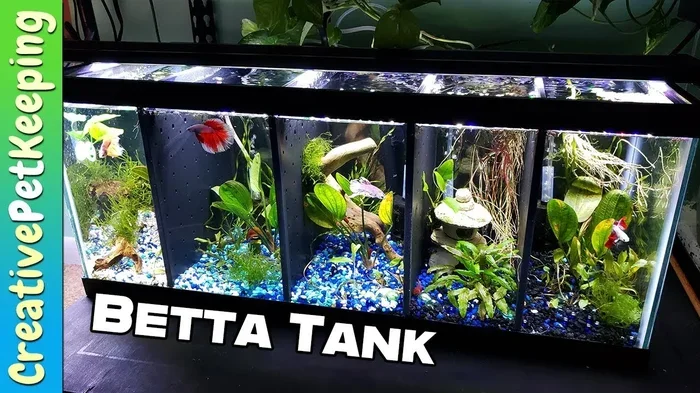
Setting up a betta fish bowl doesn’t have to be hard. With the right bowl size, clean water, and a few simple decorations, you can create a comfortable habitat your betta will love. This guide walks you through every step so your betta fish care routine starts off right.
Key Takeaways
- Choose the right bowl size: At least 3 gallons gives your betta room to swim and stay healthy.
- Maintain proper water conditions: Use a water conditioner and keep the temperature between 76-82°F for optimal betta fish comfort.
- Add thoughtful decorations: Live plants, gentle substrate, and hiding spots make your betta fish habitat feel safe and natural.
- Set up filtration and heating: A small filter and heater help keep water clean and warm without harsh currents.
- Perform regular water changes: Weekly maintenance keeps your betta fish bowl clean and your aquatic friend thriving.
- Cycle your bowl first: Never skip the nitrogen cycle—it protects your betta from toxic ammonia spikes.
📑 Table of Contents
How to Set Up Your Betta Fish Bowl
So you’ve decided to welcome a betta fish into your home. Great choice! These colorful little guys are full of personality. But before you bring your betta home, you need to get the betta fish bowl ready. A proper setup makes all the difference between a stressed fish and a thriving one.
Setting up a betta fish bowl might seem simple. After all, it’s just a bowl, right? Wrong. Your betta needs clean water, the right temperature, and a comfortable space to explore. The good news is that with a bit of planning, you can create a beautiful betta fish habitat that keeps your friend happy and healthy for years.
This guide covers everything you need. From picking the right bowl size to adding decorations and maintaining water quality, we’ve got you covered. Let’s dive in.
Choosing the Right Bowl Size
The size of your bowl is the first big decision. Many pet stores sell tiny bowls marketed for bettas. These look cute but are terrible for your fish. A small bowl limits swimming space and makes water quality nearly impossible to maintain.
How Big Should a Betta Fish Bowl Be?
Go with at least 3 gallons. That gives your betta enough room to swim and explore. Bettas are active fish even though they look lazy at times. A larger bowl also makes it easier to keep water conditions stable.
Here’s a quick comparison of bowl sizes:
- 1-gallon bowl: Too small. Stressful for your betta. Hard to maintain.
- 3-gallon bowl: Minimum recommended. Good for a single betta.
- 5-gallon bowl: Ideal. More room for decorations and stable water.
- 10-gallon bowl or tank: Excellent choice. Best for long-term health.
Remember, bigger is always better when it comes to betta fish care. If you have space, go larger. Your betta will thank you.
Quick Tip
If you’re set on a bowl rather than a tank, choose a wide one over a tall one. Bettas are top-dwellers but still need horizontal swimming room.
Setting Up Water Conditions
Water is the most important part of your betta fish bowl setup. Your betta lives in this water 24/7, so it needs to be clean and safe. Poor water quality causes disease, stress, and even death in bettas.
Temperature Matters
Bettas are tropical fish. They need warm water between 76°F and 82°F. Room temperature water is usually too cold. Cold water weakens their immune system and makes them sluggish.
Use a small aquarium heater designed for bowls or tanks. Place it near the water’s surface for even heat distribution. A heating pad placed under the bowl can also help in colder rooms.
Water Conditioner
Never use tap water directly. Tap water contains chlorine and chloramine that harm fish. Always add a water conditioner before filling the bowl. These products neutralize harmful chemicals instantly.
Follow the dosage instructions on the bottle. More is not better. Stick to the recommended amount.
The Nitrogen Cycle
This is a step many beginners skip, but it’s crucial. The nitrogen cycle builds beneficial bacteria in your bowl. These bacteria break down toxic ammonia into less harmful substances.
To cycle your bowl:
- Fill the bowl with treated water.
- Add a source of ammonia (fish food or pure ammonia drops).
- Wait 4-6 weeks while testing water parameters.
- Once ammonia and nitrite read at 0 ppm, your bowl is cycled.
Skipping this step puts your betta at serious risk. A cycled betta fish environment is a safe one.
Adding Decorations and Substrate
Now for the fun part. Decorations make your betta fish bowl feel like home. But they also serve practical purposes. Hiding spots reduce stress. Plants provide oxygen. The right setup mimics your betta’s natural habitat.
Best Substrate for a Betta Bowl
Substrate is the material at the bottom of the bowl. For a simple bowl setup, you can skip substrate entirely. But if you want a more natural look, use fine gravel or sand.
Avoid large gravel pieces. They can trap debris and are hard to clean. Fine sand is gentle on your betta’s fins and looks great.
Decorations That Work
Choose decorations carefully. Bettas have long, flowing fins that can snag on rough surfaces. Stick with smooth items:
- Smooth rocks: Good for anchoring plants and adding visual appeal.
- Driftwood: Creates a natural look and provides hiding spots.
- Live or silk plants: Soft on fins and improve water quality.
- Caves or tunnels: Give your betta a place to rest and feel secure.
Avoid plastic plants with sharp edges. They can tear delicate fins. Also, don’t overcrowd the bowl. Leave plenty of open swimming space.
How to Decorate Your Betta Fish Tank
If you want more inspiration on making your setup beautiful, check out our guide on how to decorate your betta fish tank for creative ideas that work for bowls too.
Expert Insight
Professional aquarists recommend adding at least one live plant. Plants absorb ammonia, produce oxygen, and give your betta something to explore. Anubias and Java Fern are excellent low-light options that thrive in warm water.
Filtration and Heating Systems
Let’s talk about equipment. A filter and heater aren’t strictly required in a bowl, but they make a huge difference. Here’s how to decide what your setup needs.
Do You Need a Filter?
Yes, ideally. A filter keeps water clean by removing debris and waste. Without one, you’ll need very frequent water changes. Bettas dislike strong currents though. Choose a filter with adjustable flow or a sponge filter that creates gentle movement.
Small hang-on-back filters or internal filters work well for 3-5 gallon setups. Make sure the flow isn’t too strong. Your betta should be able to swim freely without fighting the current.
Heating Options
As mentioned, bettas need warm water. A small submersible heater is the best option. Set it to 78°F as a comfortable middle ground.
If a heater isn’t in your budget right now, a heating pad placed beneath the bowl can help. It’s not as precise, but it works in a pinch. Just monitor the temperature with a simple aquarium thermometer.
Quick Tips for Equipment
- Always rinse new equipment with clean water before use.
- Never add heaters and filters at the same time as your betta. Let them run for 24 hours first.
- Use a timer for lights to maintain a consistent day-night cycle.
- Keep equipment cords tidy and out of the way.
Lighting Your Betta’s Bowl
Lighting serves two purposes. It lets you enjoy your betta’s colors and supports live plants. But too much light causes algae growth. Balance is key.
Use a low to moderate LED light. Avoid direct sunlight, which heats the water unevenally and promotes algae. A timer set for 8-10 hours of light per day works best.
If you’re growing live plants, choose species that thrive under low light. This keeps things simple and reduces maintenance.
Maintenance and Ongoing Care
Setting up the bowl is just the start. Regular maintenance keeps your betta healthy. A neglected bowl quickly becomes unhealthy, no matter how good the initial setup was.
Water Changes
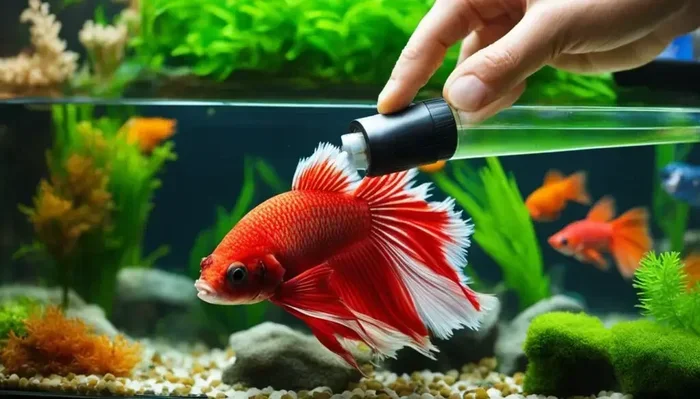
Weekly water changes are essential. Replace about 25-30% of the water each week. Use a siphon to remove debris from the bottom at the same time.
Always treat new water with conditioner before adding it to the bowl. Make sure the fresh water matches the existing temperature closely. Sudden temperature changes stress your betta.
How to Keep Your Betta Fish Warm
Consistent warmth is vital. If your room gets cold at night, consider a small thermostat for your heater. Monitor temperature daily, especially in winter. A stable water temperature keeps your betta active and disease-free.
Cleaning Your Bowl
Wipe down the bowl’s walls weekly. Algae builds up on glass and affects light penetration. Use a soft cloth or algae magnet. Never use soap or chemical cleaners. They’re toxic to fish.
For deeper cleaning guidance, our article on how to clean your betta fish bowl walks you through the process step by step.
Monitoring Your Betta’s Health
Watch for warning signs daily:
- Clamped fins: Often a sign of stress or illness.
- Loss of color: Can indicate poor water quality.
- Labored breathing: May point to low oxygen or temperature issues.
- Hiding constantly: Your betta might feel unsafe or unwell.
Catching problems early makes treatment much easier. A well-maintained betta fish bowl prevents most common issues before they start.
Setting Up Your Bowl Step by Step
Let’s pull everything together. Here’s the complete setup process in order:
- Choose your bowl: Go with at least 3 gallons. Bigger is better.
- Rinse everything: Wash the bowl, substrate, and decorations with clean water. No soap.
- Add substrate: Spread fine gravel or sand across the bottom if desired.
- Fill with water: Add treated water slowly to avoid disturbing the substrate.
- Install equipment: Set up your heater and filter. Let them run for 24 hours before adding your fish.
- Cycle the bowl: Allow beneficial bacteria to build up over 4-6 weeks.
- Add decorations: Place plants, rocks, and hiding spots thoughtfully.
- Acclimate your betta: Float the bag in the bowl for 15-20 minutes. Gradually mix in bowl water before releasing your fish.
- Monitor closely: Watch your betta for the first few days. Ensure it’s eating and swimming normally.
Common Mistakes to Avoid
New betta owners often make these errors:
- Using a bowl that’s too small.
- Skipping the nitrogen cycle.
- Adding tap water without conditioner.
- Overcrowding with too many decorations or tank mates.
- Forgetting regular water changes.
- Placing the bowl near direct sunlight or drafts.
Avoiding these simple mistakes gives your betta a strong start. A proper setup and consistent maintenance routine are the foundation of great betta fish care.
Conclusion
Setting up your betta fish bowl takes some planning, but it’s absolutely doable. Start with the right size bowl, maintain clean water conditions, and add thoughtful decorations. Don’t forget the heater and filter for long-term stability. Following the steps in this guide gives your betta the best chance at a long, happy life.
Remember, a healthy betta starts with a healthy environment. Take your time with the setup. Stay consistent with maintenance. Your betta deserves a home that feels like a natural betta fish habitat. Now you know exactly how to make that happen.
Frequently Asked Questions
How big should my betta fish bowl be?
At least 3 gallons is the minimum. A larger bowl, like 5 gallons, gives your betta more room to swim and makes maintaining stable water conditions much easier. Tiny bowls under 1 gallon are not suitable.
Do betta fish bowls need a filter?
Yes, a filter is highly recommended. It keeps waste and debris from building up. Choose a filter with gentle flow since bettas dislike strong currents. A sponge filter works well for smaller setups.
Can I keep my betta fish bowl without a heater?
You can, but bettas are tropical fish that need warm water between 76-82°F. In cold rooms, a heater is almost necessary. A heating pad can help in a pinch, but it’s less reliable than a proper submersible heater.
How often should I clean my betta fish bowl?
Do a 25-30% water change every week. Wipe down the glass weekly to prevent algae. Perform a full cleaning every 2-3 weeks, rinsing substrate and decorations gently in removed bowl water.
Can I add plants to my betta fish bowl?
Absolutely. Live plants are excellent for your betta’s environment. They absorb harmful ammonia, produce oxygen, and provide hiding spots. Low-light plants like Anubias and Java Fern are perfect choices.
How do I know if my betta fish is happy in its bowl?
A happy betta swims freely, has open fins, shows bright colors, and eats regularly. If your fish is hiding constantly, has clamped fins, or lost color, check water parameters and consider improving the setup.