Can Betta Fish Throw Up
Yes, betta fish can and do regurgitate (throw up) food, but they cannot vomit in the human sense. This common issue is usually caused by overfeeding, eating inappropriate food, constipation, or stress. Identifying the cause—by observing your fish’s behavior and the ejected food—is the first step to treatment. Immediate action like a short fast and water change often resolves the problem. Long-term prevention hinges on a proper diet, correct feeding schedule, and a stress-free tank environment.
Key Takeaways
- Regurgitation, not vomiting: Bettas lack a stomach to vomit from; they regurgitate undigested food from their esophagus/intestine due to a blockage or irritation.
- Overfeeding is the #1 cause: Their tiny digestive tracts fill quickly. Excess food decays, polluting water and causing constipation that leads to regurgitation.
- Food type matters immensely: Large, hard, or dry pellets that aren’t pre-soaked are common culprits. Live/frozen foods can also cause issues if given excessively.
- It’s often a symptom, not the disease: Regurgitation points to underlying issues like poor water quality, stress, parasites, or internal injury that must be addressed.
- Immediate first aid is simple: A 24-48 hour fast, a 25% water change with treated water, and checking water parameters are the critical first steps.
- Prevention is key: Feed high-quality, appropriately-sized food 1-2 times daily (only what they eat in 2-3 minutes), and maintain pristine water conditions.
- Know when to see a vet: If regurgitation persists after fasting, or is accompanied by lethargy, bloating, or abnormal feces, seek an aquatic veterinarian.
📑 Table of Contents
- Introduction: That Little Bubble Isn’t Always a Bubble
- The Betta Digestive System: Why “Throwing Up” is a Misnomer
- The “Why”: Common Causes of Betta Regurgitation
- Identification: Is It Regurgitation or Something Else?
- Immediate First Aid: What to Do Right Now
- Long-Term Prevention: Building a Healthy Routine
- When to Worry: Signs That Require Professional Help
- Conclusion: Knowledge is Your Best Tool
Introduction: That Little Bubble Isn’t Always a Bubble
You’re watching your beautiful betta fish, that vibrant jewel swimming gracefully, when you see it. A small, pale lump emerges from their mouth, floats to the surface, and sits there. Your heart sinks. “Did my betta just throw up?” It’s a moment of panic for any fish owner. The immediate thought is that something is terribly wrong. And you’re right to be concerned, but the answer is more nuanced than a simple “yes” or “no.”
Understanding what’s happening is the first and most crucial step in helping your finned friend. This guide will walk you through everything you need to know about betta fish regurgitation. We’ll separate myth from biological fact, decode the reasons behind this unsettling behavior, and provide you with a clear, actionable plan to get your betta back to healthy, happy swimming. Think of this as your definitive owner’s manual for one of the most common—and misunderstood—betta health issues.
The Betta Digestive System: Why “Throwing Up” is a Misnomer
To understand if and how a betta fish can throw up, we must first understand their anatomy. Humans and many mammals have a complex stomach that churns food and releases it into the small intestine through a muscular pyloric sphincter. Vomiting is the forceful expulsion of stomach contents back through the esophagus and mouth, controlled by a specific part of the brain.
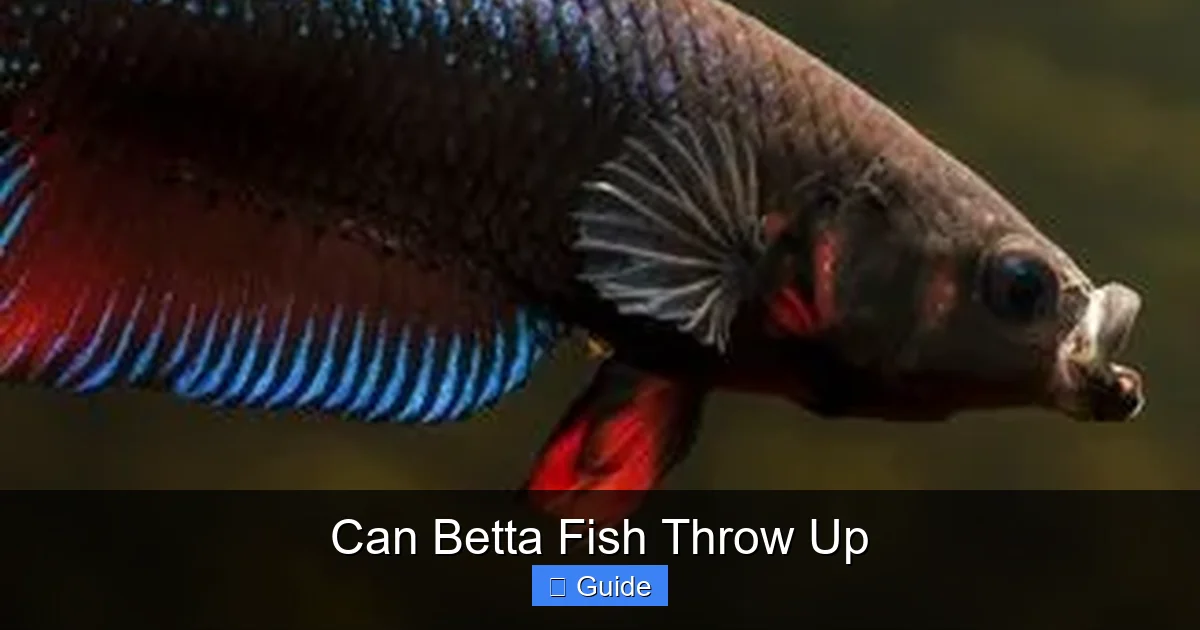
Visual guide about Can Betta Fish Throw Up
Image source: koiusa.co
Betta fish, like most fish, have a much simpler digestive tract. Food travels from the mouth, down a short esophagus, and into a simple, straight intestine. There is no distinct, acidic stomach chamber. Because of this anatomy, betta fish cannot vomit. They do not have the physiological mechanism to reverse the flow from a stomach. What owners often describe as “throwing up” is technically regurgitation—the passive or active expulsion of undigested or partially digested food from the esophagus or the front part of the intestine back out through the mouth.
The Anatomy of a Tiny Digestive Tract
A betta’s intestine is proportionally very short. This is an adaptation from their natural habitat of shallow, warm waters where they are primarily insectivores and surface feeders. They consume small, protein-rich prey like mosquito larvae and tiny insects that fall on the water’s surface. Their system is built for quick processing of small, easily digestible meals. This is why overfeeding is so problematic. There’s literally no room for excess. Food that isn’t processed quickly can start to decompose within the gut, causing irritation, gas, and pressure that forces the fish to expel it.
The “Why”: Common Causes of Betta Regurgitation
Now that we know it’s regurgitation, let’s dive into the “why.” This is the core of the issue. The ejected food is a clue, but the root cause is almost always environmental or dietary. Here are the most frequent offenders, starting with the most common.
Visual guide about Can Betta Fish Throw Up
Image source: wallpapers.com
1. Overfeeding: The Universal Culprit
This is, by far, the number one cause. Betta stomachs are roughly the size of their eyeball. Yet, many owners feed them several large pellets or a generous pinch of flakes twice a day, often more. The betta, being opportunistic, will eat it all. The undigested food sits in their short intestine, fermenting and causing bacterial imbalance and constipation. The pressure builds until the body says, “Out!” and the food is regurgitated. You’ll often see whole, unswollen pellets come back. This is a clear sign you are feeding too much, too often.
2. Inappropriate or Poor-Quality Food
Not all betta food is created equal. Many cheap, generic pellets are too large, too hard, and contain fillers like wheat and soy that bettas cannot digest properly. These expand in the gut and cause blockages. Even high-quality pellets can be problematic if they are too large for your individual fish. Additionally, dry food must be pre-soaked. Dry pellets absorb water in the betta’s digestive tract, expanding further and causing internal pressure. Live or frozen foods (brine shrimp, daphnia, bloodworms) are excellent treats but can cause regurgitation if fed too frequently or if the betta gorges itself on them.
3. Constipation and Digestive Blockage
Constipation is a direct result of points one and two. A constipated betta will have a swollen, often stringy or lumpy abdomen. The feces may be long, white, and stringy, trailing from the vent. This blockage prevents normal digestion and passage of food, leading to regurgitation as the body tries to eject the problematic material. Constipation can also be caused by a lack of fiber in the diet (daphnia and skinned peas are excellent natural fiber sources).
4. Stress and Water Quality
Stress shuts down or severely impairs digestion. What causes stress for a betta? Loud noises, sudden movements, aggressive tank mates, inappropriate tank size, incorrect water temperature (they need 78-80°F/25.5-26.5°C), and—most critically—poor water quality. Ammonia, nitrite, and high nitrate levels are not just toxic to their gills; they are ingested and irritate the entire digestive lining. This irritation can trigger a regurgitation reflex. A stressed betta may also eat hastily and without proper chewing, swallowing large air bubbles with food, leading to issues.
5. Internal Parasites or Bacterial Infection
While less common than dietary issues, internal parasites like Hexamita or Spironucleus, and severe bacterial infections can damage the intestinal lining. This damage causes inflammation, pain, and an inability to process food, resulting in regurgitation. This is often accompanied by other severe symptoms like extreme wasting (emaciation despite eating), stringy white feces, lethargy, and clamped fins.
6. Physical Injury or Deformity
A physical injury to the mouth, esophagus, or abdomen (from tank decor, attacks from other fish, or mishandling) can create scar tissue or swelling that physically blocks the passage of food. Similarly, some bettas are born with slight internal deformities that can affect digestion.
Identification: Is It Regurgitation or Something Else?
Not everything that emerges from a betta’s mouth is regurgitated food. Correct identification is vital for proper treatment. Here’s how to tell the difference.
Visual guide about Can Betta Fish Throw Up
Image source: bettafishworld.com
What Does the “Ejected Material” Look Like?
- Whole or Partially Digested Pellets/Flakes: This is classic regurgitation. The food looks much like it did when it went in, maybe a little softer. It indicates the food wasn’t processed at all.
- White, Stringy, Mucous-Like Threads: This is often associated with internal parasites (like Hexamita). It’s not food, but a combination of mucus, parasite bodies, and sloughed intestinal lining.
- Air Bubbles: Bettas are labyrinth fish and gulp air from the surface. Sometimes they ingest a large air bubble while eating. This may cause them to spit out a small bubble or two. This is usually not a cause for concern unless it’s constant and paired with other symptoms.
- Undigested Live Food (e.g., Brine Shrimp Shells): Bettas often eat the entire shrimp, shell and all. The hard exoskeleton can be tough to digest and may be expelled. This suggests the live food treat was too large or too hard.
Accompanying Behavioral Signs
The ejected material is only part of the story. Observe your betta closely for 24 hours after an incident:
- Appetite: Do they still show interest in food? A betta that regurgitates but then eagerly eats again may have a simple case of overeating. A betta that ignores food is signaling a more serious internal problem.
- Abdomen: Is it swollen, bloated, or constricted? A swollen, soft abdomen points to constipation or internal infection. A pinched, thin abdomen with a regurgitating fish could indicate a severe parasite issue causing malabsorption.
- Activity Level: Is the betta lethargic, hiding, clamped, or gasping at the surface? These are signs of systemic illness or poor water quality affecting the entire body.
- Feces: Check the vent area. Normal betta feces are short, dark, and firm. Long, white, stringy feces are a major red flag for parasites.
Immediate First Aid: What to Do Right Now
If you witness your betta regurgitate, don’t panic. Follow this immediate, step-by-step protocol. This addresses the most common causes and gives your betta’s system a chance to reset.
Step 1: Fast Your Betta
This is non-negotiable. Remove any uneaten food from the tank immediately. Do not feed your betta for 24-48 hours. This gives the digestive tract a complete rest. It allows any irritation or blockage to subside and prevents further waste buildup from decaying food. For most cases of simple overfeeding or constipation, the fast alone resolves the issue. Bettas can easily go a week without food without harm, so a two-day fast is perfectly safe and therapeutic.
Step 2: Perform a Water Change
Immediately do a 25-30% water change using properly dechlorinated water at the same temperature as the tank. This serves two purposes: it removes any uneaten food particles decomposing in the water column (which could be re-ingested) and dilutes any ammonia or nitrite spikes that might have been caused by the excess waste from the overfeeding episode. Use a gravel vacuum to clean the substrate thoroughly, as food often sinks and decays there.
Step 3: Check Your Water Parameters
If you have a liquid test kit, test your water immediately for ammonia, nitrite, nitrate, and pH. Ammonia and nitrite must be at 0 ppm. Nitrate should be below 20 ppm. If any levels are elevated, another water change is needed. Poor water quality is a chronic stressor that impairs digestion and immunity. Ensuring pristine water is the single most important thing you can do for your betta’s overall health.
Step 4: Observe and Adjust Temperature
Ensure your heater is functioning correctly and maintaining a stable temperature between 78-80°F (25.5-26.5°C). Warmer water (within this range) speeds up metabolism and digestion. If your tank is on the cooler side, raising it slightly can help a constipated betta process waste more efficiently.
Long-Term Prevention: Building a Healthy Routine
Once the immediate crisis passes, your focus must shift to prevention. A recurring regurgitation problem means your current care routine needs an overhaul.
Perfecting the Diet: Quality, Quantity, and Frequency
- Choose the Right Food: Invest in high-quality betta-specific pellets or granules from a reputable brand. Look for ingredients where whole fish or shrimp meal is the first ingredient, not fillers like wheat or soy. Supplement with occasional high-protein treats: frozen or live daphnia (excellent for fiber), brine shrimp, or bloodworms.
- Soak Pellets: Always soak dry pellets in a cup of tank water for 5-10 minutes before feeding. This prevents them from expanding in your betta’s gut.
- Feed Tiny Meals: The “eyeball rule” is good: feed no more food in one sitting than the size of your betta’s eyeball. For most bettas, this is 2-3 pre-soaked pellets. For smaller or younger fish, it may be just 1 pellet.
- Feed Once or Twice Daily: Twice daily feedings of a tiny amount are ideal. Once daily is also perfectly sufficient and mimics more of a natural feeding pattern. Never feed more than twice a day. Skip a day entirely once a week—this is a natural “fast” that cleans out the system.
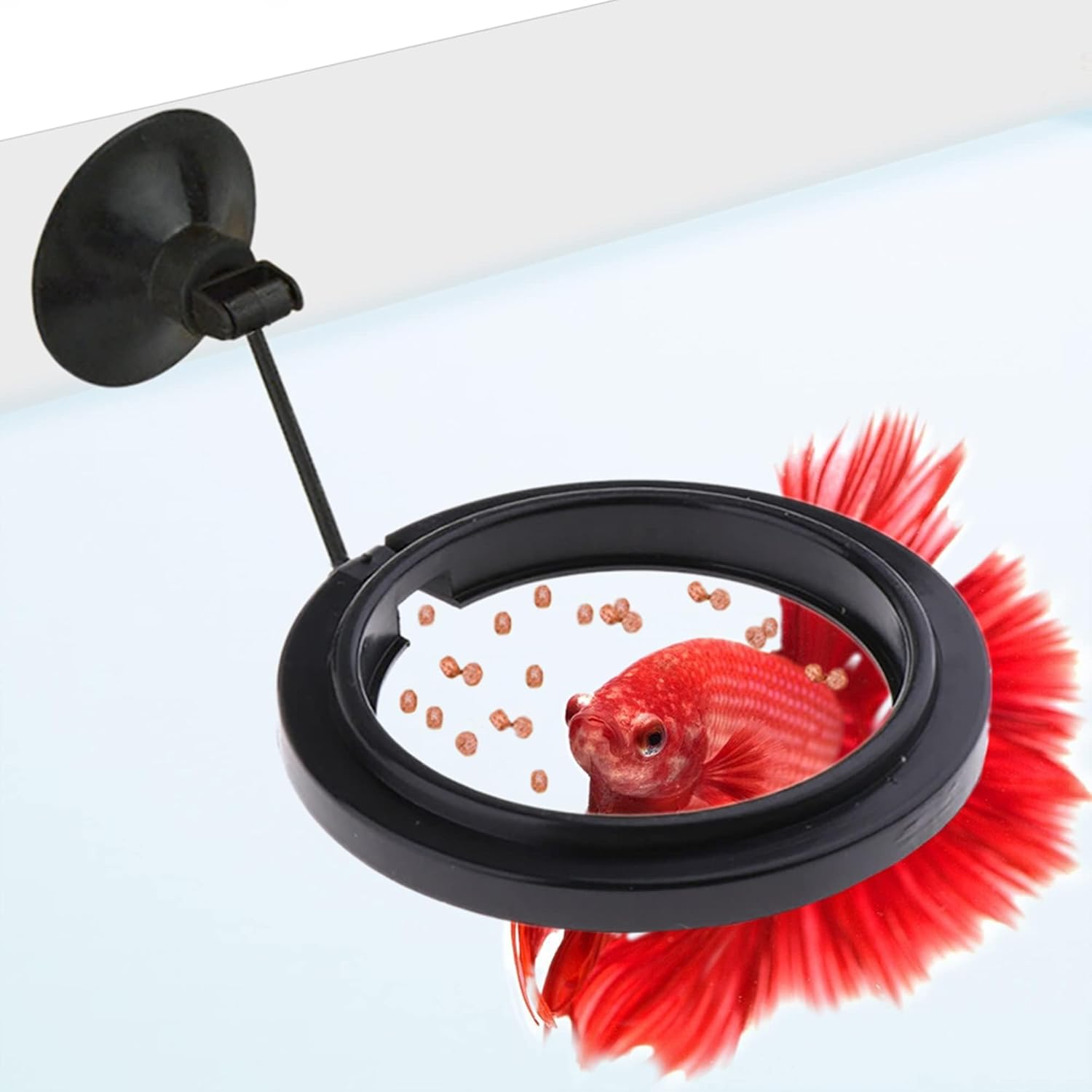
- Use a Feeding Ring: If you have a larger tank, a feeding ring can help corral food and prevent it from sinking into the substrate where it decays unnoticed.
Creating a Stress-Free, Clean Environment
- Tank Size is Fundamental: A betta in a 1-gallon bowl is chronically stressed. The minimum recommended tank size is 5 gallons, with 10 gallons being ideal. More water volume means more stable parameters and less impact from waste.
- Maintain Impeccable Water: Perform a 25% water change weekly in a 5-gallon tank, and more frequently in smaller setups. Use a gravel vacuum. A good filter (sponge or hang-on-back with a flow adjuster) is essential. Test water weekly.
- Provide Hiding Spots: Use live plants (like java fern, anubias), silk plants, and decorations with smooth edges to give your betta places to retreat and feel secure.
- Avoid Aggressive Tank Mates: If you have a community tank, ensure all inhabitants are peaceful and not fin-nipping. A stressed betta won’t eat properly.
- Maintain Consistent Lighting: Avoid bright, sudden lights. Use a day/night cycle with an outlet timer.
When to Worry: Signs That Require Professional Help
Your diligent first aid and prevention efforts may not be enough. Sometimes, regurgitation is a symptom of a deeper, more serious condition. Here are the red flags that mean it’s time to consult an aquatic veterinarian.
- Regurgitation Persists After Fasting: If you fast your betta for 48 hours and they regurgitate again at the first feeding (or even without eating), the problem is not simple overfeeding. The expulsion may not even be food-related (e.g., mucus from parasites).
- Accompanied by Severe Lethargy and Clamped Fins: If your betta is listless, lying on the bottom, unable to swim normally, and has fins tightly held against the body, this indicates systemic illness or severe water poisoning.
- Noticeable and Rapid Weight Loss: Despite eating (and regurgitating), the betta is visibly wasting away, becoming bony and emaciated. This is a classic sign of a severe internal parasite like Hexamita.
- Stringy White Feces: As mentioned, this is a hallmark of internal parasites. If you see this consistently, even if your betta seems otherwise okay, it needs antiparasitic medication.
- Bloating That Doesn’t Resolve: A swollen abdomen that gets worse, feels hard, or is asymmetrical (one side bulges more) could indicate a severe internal infection, tumor, or a condition called dropsy (which is a symptom, not a disease itself).
- Blood or Pus: If the expelled material is tinged with blood or looks like pus, this indicates severe internal trauma, ulceration, or infection. This is an emergency.
Finding a Vet: Look for a veterinarian who specializes in fish or exotic pets. Not all vets do this, but they are out there. A proper diagnosis (often requiring a fecal float or even a minor procedure) and targeted medication (e.g., metronidazole for parasites/bacteria) are necessary for these advanced cases. Early intervention is critical.
Conclusion: Knowledge is Your Best Tool
So, can betta fish throw up? The precise answer is no, they cannot vomit, but they absolutely can and do regurgitate. For the vast majority of betta owners, this is a symptom of a simple, fixable mistake: overfeeding or poor food choice. It’s a distress signal from a tiny digestive system that is overwhelmed. Your response is what defines your success as a caretaker.
By understanding the biology, recognizing the signs, and implementing the immediate first aid steps, you can resolve most episodes quickly. More importantly, by committing to the long-term prevention strategies—feeding minuscule portions of high-quality, pre-soaked food and maintaining a clean, spacious, warm, and stress-free tank—you create an environment where regurgitation becomes a rare anomaly rather than a recurring worry.
Your betta’s health is a direct reflection of the care you provide. That little bubble on the water’s surface isn’t just a mess to clean; it’s a message. Listen to it, learn from it, and use this guide to provide the proactive, informed care that will keep your betta thriving for years to come. A healthy betta is a active, curious, and magnificent sight—and it all starts with getting the basics, like feeding, exactly right.
Frequently Asked Questions
Is it normal for betta fish to throw up?
Occasional regurgitation of a single pellet, often due to gulping air or mild overfeeding, can happen. However, frequent or consistent regurgitation is not normal and indicates an underlying issue with diet, water quality, or health that needs addressing.
How often should I feed my betta fish to prevent throwing up?
Feed your betta 1-2 times daily, offering only what they can consume in 2-3 minutes—typically 2-3 pre-soaked, betta-sized pellets. It’s also highly beneficial to implement a fasting day once a week where you provide no food.
What is the best food to stop my betta from regurgitating?
Choose high-quality betta-specific pellets where whole fish or shrimp meal is the primary ingredient. Always soak dry pellets in tank water for 5-10 minutes before feeding to prevent gut expansion. Supplement with occasional frozen or live daphnia, which provides natural fiber to aid digestion.
Can poor water quality cause my betta to throw up?
Yes, absolutely. High levels of ammonia, nitrite, or nitrate are toxic and irritate the digestive lining, impairing digestion and causing stress. Poor water quality is a leading chronic stressor that can directly lead to regurgitation and make a betta susceptible to other diseases.
My betta is constipated and throwing up. What should I do?
First, fast the betta for 24-48 hours. Then, offer a small piece of a skinned green pea (cooked, de-skinned, and mashed) or a few daphnia. These are high-fiber foods that act as a natural laxative. Ensure your water is pristine and consider if you are overfeeding or feeding food that is too large/hard.
When should I take my betta to a vet for regurgitation?
See a vet if regurgitation continues after a 48-hour fast, is accompanied by stringy white feces, significant and rapid weight loss, persistent lethargy, clamped fins, or a hard/swollen abdomen. These are signs of serious internal parasites, bacterial infections, or other internal diseases requiring medication.