Can Betta Fish Be Together in a Tank
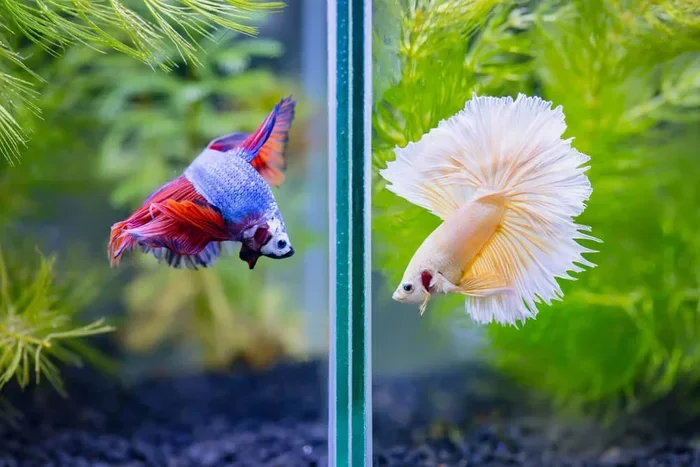
The answer to can betta fish be together in a tank is often no, as male bettas are fiercely territorial and will fight. However, with careful planning, a large tank with plenty of hiding spots, and a proper female sorority setup, some peaceful cohabitation is possible.
Can betta fish be together in a tank? It is a question many fish keepers ask before buying their second betta. The short answer is yes, but it comes with real risks and important conditions. Betta fish are beautiful and full of personality, but they are also territorial. Putting two of them in the same tank without preparation can lead to fights, injuries, and even death. In this guide, you will learn exactly what it takes to keep multiple bettas safely. We will cover male and female setups, tank size, and proven tips that actually work.
If you have ever watched two bettas flare at each other through the glass, you know how intense these little fish can be. But with the right setup, some bettas can live together peacefully. The key is understanding their behavior, choosing the right tank mates, and setting up the environment correctly. This article gives you all the practical steps you need. You will also learn common mistakes to avoid so your fish stay healthy and happy.
Whether you are a beginner or a seasoned hobbyist, this guide covers what you need to know. We will break down each scenario clearly so you can make the best decision for your aquarium. Let us dive in and explore how to make betta fish be together work in your home.
Key Takeaways
- Never house two male bettas together: they will fight and injure each other seriously.
- Female bettas can coexist in groups: four or more with proper tank setup and space.
- A 20-gallon tank minimum reduces aggression: it gives fish room to retreat and establish territory.
- Choose peaceful tank mates carefully: corydoras or snails avoid triggering betta aggression.
- Watch for flaring and chasing: these are clear signs of stress and territorial conflict.
- Add plants and hiding spots: they break line of sight and reduce territorial behavior.
- Every betta has a unique personality: some may tolerate tank mates better than others.
📑 Table of Contents
Why Do People Want to Keep Betta Fish Together?
Betta fish are stunning. Their flowing fins and bright colors make them a favorite among aquarium lovers. Many people start with one betta and then fall in love with the species. The natural next step is wanting to keep more than one. But the desire goes deeper than just looks.
Here are common reasons fish keepers want to house bettas together:
- They want a visually impressive aquarium display.
- They believe bettas look lonely on their own.
- They enjoy observing natural social behaviors.
- They want to build a themed betta tank setup.
- They have a large tank and want to fill it with color.
These reasons are completely valid. However, bettas are not like community fish such as tetras or guppies. Each betta has its own personality. Some are calm and shy. Others are aggressive and bold. Understanding this is the first step in deciding whether your fish can share a tank safely.
Can Male Betta Fish Live Together?
Male bettas are famous for their aggression. In the wild, they defend territory fiercely. Two male bettas in a small tank will almost always fight. This is the biggest risk when trying to keep betta fish together. But does that mean it is impossible?
Not entirely. Some experienced keepers have had success with male bettas in very large tanks. The setup must be carefully planned. Here is what you need to know:
The Reality of Male Betta Aggression
Male bettas flare their gills, spread their fins, and bite when they feel threatened. This behavior is hardwired into them. Even in a big tank, two males may chase each other constantly. The stress weakens their immune system and leads to disease.
However, some males are less aggressive than others. A betta with a naturally calm personality might tolerate another male if the tank is large enough and well-structured. This is not something you should try on a whim. It requires experience and close monitoring.
What the Experts Say
Most fish experts advise against keeping two male bettas in the same tank. The risk of injury is too high. Even if they seem fine at first, aggression can spike suddenly. A change in water temperature or a new decoration can trigger a fight. Always err on the side of caution.
If you really want to keep two males together, you need a tank of at least 40 gallons with heavy planting and plenty of hiding spots. Even then, success is not guaranteed. Can more than one betta fish be in a tank with two males? It is possible but not recommended for most keepers.
Can Female Betta Fish Live Together?
Female bettas are generally less aggressive than males. This makes them much better candidates for living together. A group of female bettas is often called a sorority tank. When set up correctly, a sorority can be a beautiful and peaceful aquarium.
How to Set Up a Betta Sorority Tank
A sorority tank requires careful planning. Here are the key rules to follow:
- Keep at least 4 to 6 female bettas together. Odd numbers work best to reduce bullying.
- Use a tank of at least 20 gallons. More space means less tension.
- Add plenty of live plants, caves, and decorations to break lines of sight.
- Feed all bettas separately to reduce competition.
- Monitor behavior daily, especially during the first two weeks.
The goal is to spread out territory so no single fish feels cornered. When bettas can establish their own spaces, fights are less likely. Still, some females will be more dominant than others. You may need to remove a bully if it refuses to back down.
Signs a Sorority Tank Is Working
A successful sorority tank looks calm. The fish will have their favorite spots and may even swim together peacefully. You might see brief flaring, but it should not last long or lead to chasing. If you notice torn fins, hiding constantly, or loss of appetite, something is wrong and needs immediate attention.
Can betta fish be kept in a community tank with other females? Yes, with the right setup and enough space, a sorority tank can thrive for months or even years.
What About Male and Female Betta Fish Together?
Keeping one male and one female betta together is a popular idea. It seems like a perfect pair. But the reality is more complicated. Male and female bettas can live together under specific conditions, but it is not without risk.
When It Works
A male and female betta pair can work in a large, well-planted tank. The tank should be at least 20 gallons. Heavy planting gives the female places to hide if the male becomes aggressive. Some keepers use a tank divider initially and then remove it slowly so both fish can adjust.
This setup is often used for breeding. A breeder will introduce a male and female for a short period and then separate them. If you are not planning to breed, this approach is still useful as a gradual introduction method.
When It Does Not Work
Sometimes the male will chase the female constantly. This causes stress and can lead to injury. The male may also become overly focused on the female and stop eating. If you see this happening, you must separate them immediately.
Not every male-female pair will get along. It depends on the individual fish and their personalities. Always have a backup plan, like a spare tank or divider, ready before you attempt this setup.
Remember that can male and female betta fish be in same tank situations require vigilance. You are not just setting it and forgetting it. Daily observation is essential.
The Right Tank Setup for Multiple Bettas
Tank setup is the most important factor in whether betta fish be together successfully. A poorly set up tank will cause problems no matter how calm your fish are. Here is what you need to get right.
Tank Size Matters
Size cannot be stressed enough. A small tank concentrates waste and increases aggression. For a single betta, 5 gallons is the minimum. For a sorority of 4 to 6 females, 20 gallons is the starting point. For any setup involving males, go bigger.
A larger tank gives fish room to establish territories without constant confrontation. Think of it like giving people more personal space in a crowded room. The less crowded it feels, the less likely conflict becomes.
Plants and Decorations
Live plants are your best friend in a multi-betta tank. They break up sightlines and provide hiding spots. Java fern, anubias, and amazon sword plants work great. Driftwood and rocks also help create natural barriers.
Avoid sharp decorations that can tear delicate betta fins. Every piece of decor should be smooth and safe. The more visual barriers you have, the better your chances of success.
Water Quality and Parameters
Clean water keeps bettas healthy and less stressed. Keep the temperature between 78 and 80 degrees Fahrenheit. pH should be around 6.5 to 7.5. Test your water regularly and perform partial water changes weekly.
Stress from poor water conditions makes aggression worse. A well-maintained tank is the foundation of a peaceful community. If you are unsure about water quality, can betta fish be in a filtered tank setups make monitoring much easier.
Signs That Your Betta Fish Are Getting Along
How do you know if your setup is working? Watch your fish closely for these positive signs:
- Fish swim freely without chasing each other.
- All fish are eating normally during feeding time.
- Fins are held open and healthy, not clamped or torn.
- Fish explore the tank and interact with decorations.
- No visible flaring or aggressive posturing during the day.
These behaviors show that each fish feels safe in its space. If you see all of these consistently, your tank is likely a success.
On the other hand, watch for warning signs. Constant chasing, torn fins, hiding all the time, or refusal to eat are red flags. If you notice these, act quickly. Separate the aggressive fish or rearrange the tank decor to reset territories.
Keeping betta fish together takes patience and observation. Not every attempt will work, and that is okay. The most important thing is the health and safety of your fish. If a setup is not working, it is better to separate the fish than to risk serious harm.
Common Mistakes to Avoid
Even experienced fish keepers make mistakes. Here are the most common ones when trying to keep bettas together:
- Starting with too small a tank. A 5-gallon tank is fine for one betta but not for two. Overcrowding leads to aggression and poor water quality.
- Skipping the acclimation process. Never drop a new betta directly into an established tank. Use a divider or quarantine tank first.
- Ignoring early warning signs. A little flaring is normal. Constant chasing is not. Act before things escalate.
- Not providing enough hiding spots. Every betta needs its own territory. Without plants and decor, there is nowhere to retreat.
- Overfeeding. Extra food increases aggression during feeding time. Feed small amounts and remove uneaten food promptly.
Avoiding these mistakes gives your bettas the best chance at a peaceful life together. Patience and preparation make all the difference.
Final Thoughts
Can betta fish be together in a tank? The answer is yes, but with important caveats. Female bettas can live together in a sorority setup with the right tank size and plenty of hiding spots. Male bettas should generally be kept apart. Male and female pairs can work in large, well-planted tanks with careful monitoring.
The most important thing is to prioritize your fish’s well-being over aesthetics. A peaceful single betta in a clean, well-maintained tank is far better than a stressed fish in a crowded setup. Take your time, observe your fish daily, and be ready to adjust your approach as needed.
Every betta is different. Some will thrive with tank mates, while others prefer solitude. Respecting their individual needs is what makes you a great fish keeper. Start small, learn from each experience, and enjoy the rewarding world of betta keeping. With the right knowledge and a little patience, you can create a beautiful aquarium where your bettas feel safe and display their natural beauty every day.
Frequently Asked Questions
Can Betta Fish Live Together in the Same Tank?
It depends on the gender and setup. Male betta fish are highly territorial and usually cannot be housed together. Female bettas may coexist in groups called sororities, but only with careful planning and enough space.
How Many Betta Fish Can You Keep in One Tank?
A single male betta fish should always be kept alone in a tank. For a group of female bettas, a minimum of a 20-gallon tank is recommended to reduce aggression. Always provide plenty of hiding spots and visual barriers to help them establish territories peacefully.
What Happens If You Put Two Male Betta Fish Together?
Two male betta fish will almost always fight, and the results can be fatal. They display flaring, fin nipping, and relentless chasing that causes severe stress and physical injury. This is why keeping male bettas together in one tank is strongly discouraged by experienced aquarists.
Can Female Betta Fish Be Kept Together Successfully?
Yes, female betta fish can live together in groups of four to six, known as a sorority tank. The key is providing a large enough tank with plenty of plants, caves, and decorations to break up lines of sight. Even then, some aggression may occur, so monitoring their behavior daily is essential.
How Do You Introduce Betta Fish to Each Other Safely?
Start by placing the tank dividers in position so the fish can see each other without direct contact for a few days. Gradually increase their interaction time while watching for signs of aggression like flaring or chasing. If no violence occurs after a week, you may carefully remove the divider, but always have a backup plan to separate them if needed.
What Tank Size Is Best for Keeping Betta Fish Together?
A tank of at least 20 gallons is the minimum recommended size for housing multiple female betta fish together. Larger tanks reduce territorial disputes because they give each fish more room to claim its own space. Adding live plants and decorations also helps create natural boundaries that lower tension among tank mates.