Can Betta Fish Be Gay
Can betta fish be gay? The short answer is that betta fish don’t experience sexual orientation the way humans do. However, betta fish do display same-sex behaviors that can confuse owners. Understanding betta fish behavior helps you create a healthier tank environment and avoid common mistakes.
Have you ever watched your betta fish and wondered if they could be gay? Maybe you noticed two male bettas flaring at each other, or perhaps your female betta seems to prefer the company of other females. It’s a funny question, but it’s one that fish owners ask more often than you’d think.
The truth about betta fish behavior is more interesting than you might expect. These colorful creatures don’t experience attraction the way we do. But they do have complex social behaviors that can look a lot like what we might label as “gay” in human terms. Let’s dive into what’s really going on beneath the surface.
Whether you’re a new betta owner or a seasoned aquarist, understanding your fish’s behavior helps you keep them healthy and happy. This guide covers everything you need to know about same-sex interactions, tank pairings, and the truth behind the question, can betta fish be gay.
Key Takeaways
- Betta fish don’t have a concept of sexual orientation like humans do. Their behaviors are driven by instinct, territory, and breeding drives.
- Same-sex interactions in bettas are normal. Flaring, chasing, and display behaviors between males are common and usually relate to dominance.
- Keeping two male bettas together is risky. Aggression can escalate quickly and cause serious harm or death.
- Female bettas can form sororities. They can live together under the right conditions with proper tank setup.
- Tank mates matter. Choosing compatible fish reduces stress and prevents unwanted behaviors in your betta.
- Understanding betta behavior is key to good fish care. Knowing why your betta acts a certain way helps you respond appropriately.
📑 Table of Contents
- Understanding Betta Fish Behavior
- Can Betta Fish Be Gay? The Short Answer
- Male Betta Fish and Tank Pairings
- Female Betta Fish and Social Groups
- Betta Fish Tank Mates and Compatibility
- Common Mistakes Owners Make About Betta Behavior
- Expert Insights on Betta Social Behavior
- How to Keep Your Betta Fish Happy and Healthy
- Conclusion
Understanding Betta Fish Behavior
Betta fish, also known as Siamese fighting fish, are among the most popular freshwater pets. Their vibrant fins and bold personalities make them stand out in any aquarium. But their behavior often puzzles new owners.
Betta fish are territorial by nature. In the wild, they live in shallow rice paddies and slow-moving streams in Southeast Asia. They defend their space fiercely. This territorial instinct drives much of what we see in home aquariums.
Why Betta Fish Flare
Flaring is the most recognizable betta behavior. When a betta flares, it spreads its gills and fins to look as large as possible. This is a dominance display. It says, “This is my space, stay away.”
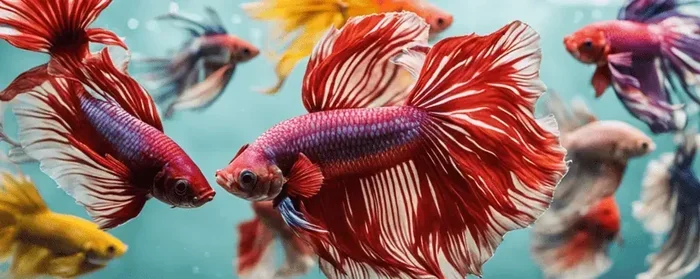
Male bettas flare at other males constantly. They also flare at their own reflection in the glass. This behavior isn’t about attraction or orientation. It’s purely about territory and self-defense. If you see your betta flaring at another male, it’s a sign of stress and competition, not a social preference.
Betta Fish Social Dynamics
Despite their reputation as solitary fish, bettas do have social interactions. In the wild, they encounter other bettas regularly. They establish hierarchies through displays rather than constant fighting. This saves energy and reduces the risk of injury.
In captivity, these dynamics still play out. Two male bettas in the same tank will often establish a pecking order. One becomes dominant, and the other submits. This isn’t about being gay or straight. It’s about survival and territory.
Can Betta Fish Be Gay? The Short Answer
Here’s the honest answer: betta fish cannot be gay in the way we understand the term. Sexual orientation is a human concept. Fish don’t have the cognitive capacity for identity-based attraction. Their behaviors are driven by instinct, hormones, and environmental factors.
When two male bettas display toward each other, it’s not a romantic or sexual choice. It’s a territorial response. The same goes for female bettas that seem to prefer each other’s company. They’re not choosing a “partner” based on attraction. They’re forming social bonds for safety and comfort.
What Same-Sex Behavior Really Means
Same-sex behavior in fish is well-documented in the scientific community. Many species display same-sex interactions. In bettas, this includes:
- Flaring and displaying toward other males
- Chasing behavior between males in close quarters
- Female schooling where females group together for security
- Nesting behavior that doesn’t always involve a mate
None of these behaviors indicate an “orientation.” They are natural responses to environmental triggers and social situations. Understanding this helps owners stop anthropomorphizing their fish and start caring for them properly.
Male Betta Fish and Tank Pairings
One of the most common questions related to this topic is whether two male bettas can live together. The answer is almost always no. Let’s break down why.
Why Two Males Don’t Mix
Male bettas are aggressive toward each other by nature. Their common name, Siamese fighting fish, comes from their tendency to fight. In Thailand, people used to pit male bettas against each other in contests, much like rooster fights.
Keeping two males in the same tank leads to constant stress. The weaker fish may stop eating, hide constantly, or develop diseases. In worst cases, fights can result in serious injury or death. Even if they seem to coexist, the stress weakens their immune system over time.
Some owners try dividers in a single tank. While this works temporarily, it doesn’t eliminate the stress. Both fish can still see and flare at each other all day. This is not a healthy long-term solution.
Can Two Male Betta Fish Be Together?
Some sources claim that two males can live together in large tanks with plenty of hiding spots. However, this is risky and not recommended for most keepers. The stress and potential for injury are too high. If you want multiple male bettas, separate tanks are the way to go.
Learn more about keeping male bettas together in our guide on can two male betta fish be together.
Female Betta Fish and Social Groups
Female bettas are a different story. They can live together in groups called sororities. This is one of the most interesting aspects of betta social behavior.
Creating a Betta Sorority
A sorority typically consists of four to six female bettas in a tank of at least 20 gallons. The key is providing enough space and hiding spots. Plants, caves, and decorations break up lines of sight and reduce aggression.
Female bettas do establish a hierarchy. You may see some flaring and chasing when you first introduce them. This is normal. But serious, sustained aggression means the group isn’t working, and you need to separate the fish.
Female bettas also interact with other species. They are generally less aggressive than males and can coexist with peaceful community fish. This makes them versatile tank mates when chosen carefully.
Can There Be Two Betta Fish in One Tank?
Yes, but with important caveats. Two females can sometimes live together. A male and female can coexist during breeding. But two males should never share a tank. The success of any pairing depends on tank size, decor, and the individual personalities of the fish.
Check out our detailed guide on can there be two betta fish in one tank for more practical advice.
Betta Fish Tank Mates and Compatibility
If you’re not set on keeping only bettas, there are plenty of other options. Choosing the right tank mates is crucial for a peaceful aquarium.
Best Tank Mates for Betta Fish
Peaceful, non-aggressive fish make the best companions for bettas. Some good options include:
- Neon tetras — small, fast, and stay in the upper levels
- Ghost shrimp — mostly stay out of the way and clean the tank
- Corydoras catfish — peaceful bottom dwellers
- Mystery snails — slow-moving and non-threatening
- Pygmy corydoras — tiny and shy, great for community tanks
Fish to Avoid with Bettas
Some fish are too aggressive or too nippy for bettas. Avoid fin-nippers like tiger barbs. Also avoid fish with bright colors or long fins, as bettas may see them as rivals. Goldfish are also a poor match due to different water temperature needs.
For a full breakdown of compatible species, read our article on can betta fish be with other types of fish.
Common Mistakes Owners Make About Betta Behavior
Misunderstanding betta behavior leads to mistakes that harm fish. Here are the most common errors owners make.
Anthropomorphizing Fish
We tend to project human emotions onto our pets. When a betta flares at another male, we might think it’s jealous or territorial in a human sense. But the fish is simply responding to instinct. It doesn’t have complex social motivations like we do.
Overcrowding the Tank
Too many fish in a small tank increases aggression and stress. Betta fish need at least 5 gallons of space, preferably more. Overcrowding triggers territorial behavior that wouldn’t occur in a properly sized tank.
Ignoring Signs of Stress
Stress shows up in many ways. Clamped fins, loss of color, not eating, and hiding constantly are all warning signs. Ignoring these signs leads to illness and a shortened lifespan. Paying attention to your fish’s behavior is the best way to catch problems early.
Expert Insights on Betta Social Behavior
Experienced aquarists and fish biologists agree on a few key points about betta social dynamics.
First, every betta has a unique personality. Some are calm and tolerate tank mates well. Others are aggressive and do best alone. There’s no one-size-fits-all answer when it comes to betta housing.
Second, water quality affects behavior dramatically. Poor water conditions make any fish more aggressive and stressed. Regular water changes and proper filtration are essential for maintaining stable social dynamics in your tank.
Third, breeding behavior can be confused with other social interactions. When a male and female are ready to breed, the male builds a bubble nest and displays to the female. This intense behavior can look aggressive but is actually part of the natural breeding process.
How to Keep Your Betta Fish Happy and Healthy
Whether you keep your betta alone or with tank mates, a few principles apply. Follow these tips for a thriving fish.
- Provide a tank of at least 5 gallons. Larger is always better. A 10-gallon tank gives your betta room to swim and explore.
- Maintain stable water parameters. Keep temperature between 76-82°F and pH between 6.5-7.5. Use a heater and filter to maintain consistency.
- Add plants and hiding spots. Live or silk plants reduce stress by breaking lines of sight. Avoid sharp plastic decorations that can tear delicate fins.
- Feed a varied diet. High-quality betta pellets form the base. Supplement with frozen or live foods like bloodworms and brine shrimp.
- Observe your fish daily. Catching behavioral changes early prevents serious health problems. Spend a few minutes each day watching your betta’s activity and appetite.
These simple steps go a long way in keeping your betta healthy, regardless of whether you house it alone or with companions.
Conclusion
So, can betta fish be gay? The answer is that betta fish don’t experience sexual orientation. Their same-sex interactions are driven by instinct, territory, and social hierarchy. Understanding this helps you be a better owner and create a healthier environment for your fish.
Whether you keep a single betta, a sorority of females, or carefully chosen tank mates, the goal is the same. You want your fish to feel safe, comfortable, and stress-free. Knowledge about betta fish behavior is the foundation of good fish care.
Next time you see your betta flaring or displaying, you’ll know exactly what’s going on. It’s not about orientation. It’s about instinct and survival. And that understanding makes you a more compassionate and effective fish owner.
Frequently Asked Questions
Can two male betta fish live in the same tank?
It is not recommended. Two male bettas will almost always fight due to their territorial nature. This causes constant stress and can lead to injury or death. Separate tanks are the safest option for keeping multiple males.
Why does my female betta chase other female bettas?
Female bettas chase each other when establishing a hierarchy. This is normal in sorority setups. However, if the chasing is constant and causes injuries, you need to separate the fish and reassess the tank setup.
Do betta fish have feelings or emotions?
Betta fish have basic instincts and responses, but they don’t experience complex emotions like humans. Their behaviors are driven by survival instincts, territory, and breeding drives rather than emotional attachment.
Can a betta fish be happy alone?
Yes, many bettas thrive when kept alone. They are naturally solitary fish. A well-decorated tank with plants and hiding spots can keep a single betta happy and healthy for years.
What should I do if my betta fish is aggressive toward tank mates?
If your betta is overly aggressive, remove it from the community tank. Some bettas simply have a temperament that doesn’t allow for tank mates. Providing a larger tank with plenty of hiding spots can also reduce aggression.
How can I tell if my betta fish is stressed?
Signs of stress include clamped fins, loss of color, loss of appetite, hiding constantly, and rapid breathing. Poor water quality, overcrowding, and aggressive tank mates are common causes of stress in betta fish.