Are Betta Fish Omnivores
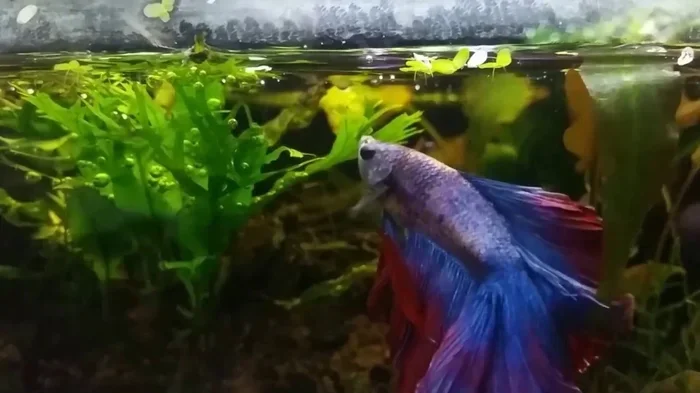
So, are betta fish omnivores? The answer is yes — betta fish eat both protein-rich food and small amounts of plant matter. Understanding their betta fish diet is the key to keeping them healthy, colorful, and active. This guide covers everything you need to know about tropical fish nutrition, the best betta fish food types, and how to set up a proper betta fish feeding schedule.
Key Takeaways
- Betta fish are omnivores: They need both animal-based protein and plant matter in their diet.
- A balanced diet includes: pellets, flakes, frozen food, live food, and occasional vegetables.
- Overfeeding is a common mistake: Feed small amounts 1-2 times a day to avoid health problems.
- Not all food is equal: Cheap flakes lack nutrition. Choose high-quality betta fish pellets as the staple.
- Variety matters: Rotating food types keeps your fish engaged and nourished.
- Tank conditions affect diet: Good water quality for bettas supports proper digestion and nutrient absorption.
📑 Table of Contents
So, Are Betta Fish Omnivores?
If you own a betta fish or are thinking about getting one, you have probably wondered about their diet. The question are betta fish omnivores comes up a lot among new fish keepers. The short answer is yes. Betta fish are omnivores, which means they eat both meat-based food and plant-based food. But that does not mean they eat anything and everything. They need a carefully balanced diet to stay healthy and vibrant.
Many people think bettas are purely carnivorous because they are predators in the wild. Others believe they are herbivores because they nibble on plants. The truth is somewhere in the middle. A betta fish diet that includes a mix of protein and plant matter will help your fish live a long, active life. Let us break down exactly what that means.
Understanding tropical fish nutrition is essential for any aquarium owner. Bettas are ornamental fish that originate from the warm, slow-moving waters of Southeast Asia. In their natural habitat, they eat insects, larvae, small crustaceans, and tiny plant matter. Replicating that variety in a home aquarium is the goal of every responsible betta owner.
What Do Betta Fish Eat in the Wild?
Before we talk about feeding your pet betta, it helps to understand what they eat in the wild. Wild bettas are opportunistic eaters. They do not get a fancy meal plan. Instead, they eat whatever they can find at the surface of the water or just below it.
Natural Food Sources
In the wild, a betta’s diet consists of:
- Insect larvae: These are a primary food source and packed with protein.
- Small insects: Mosquitoes and other tiny bugs that land on the water surface.
- Zooplankton: Microscopic animals that float in the water.
- Small crustaceans: Tiny shrimp and other organisms.
- Plant matter: Algae and decaying plant material they pick at.
This natural diet is high in protein but also includes small amounts of fiber from plant material. That is why a betta fish diet in captivity should mimic this balance. You want to provide protein-rich food as the foundation and supplement with plant-based options.
Knowing what wild bettas eat also explains why they are such aggressive hunters. Their betta fish behavior is closely tied to feeding. In a home aquarium, you can see this hunting instinct when you drop food into the tank. Your betta will swoop in quickly and grab the food from the surface.
Best Food Types for Betta Fish
Now that we know bettas are omnivores, let us talk about the best food options. Not all betta fish food types are created equal. Some are loaded with fillers and empty calories. Others provide real nutrition that supports growth, color, and immunity.
Betta Fish Pellets
Betta fish pellets are the most popular and convenient food choice. High-quality pellets are formulated specifically for bettas and contain the right balance of protein, fats, and vitamins. Look for pellets where the first ingredient is a real meat source, like fish meal or shrimp.
When choosing pellets, avoid brands that use a lot of fillers like wheat or corn. These offer little nutritional value. A good pellet should sink slowly or float, making it easy for your betta to eat at the surface.
If you are unsure whether a particular brand is good, check our guide on are pellets bad for betta fish to learn more about what to look for.
Betta Fish Flakes
Betta fish flakes are another common option. They are convenient and widely available. However, flakes tend to lose their nutritional value quickly once the container is opened. They also break apart easily, which can cloud your tank water.
Flakes can be used as a supplement but should not be the sole food source. They often lack the protein density that bettas need. Think of flakes as a occasional treat rather than a staple meal.
Frozen and Freeze-Dried Food
Frozen food for bettas and freeze-dried options are excellent for adding variety. Bloodworms, brine shrimp, and daphnia are all great choices. These foods are packed with protein and closely mimic what bettas would eat in the wild.
Always soak freeze-dried food before feeding. It expands in water and can cause digestive issues if your betta eats it dry. Frozen food is often a better option because it retains more nutrients and has a more natural texture.
Live Food
Live food for bettas is the closest thing to a wild diet. Live brine shrimp, microworms, and insect larvae are excellent choices. Many bettas get excited when they see live food because it triggers their natural hunting behavior.
Live food does come with some risks. It can carry parasites or bacteria if not sourced from a reputable supplier. If you choose to feed live food, make sure it comes from a trusted source and is properly stored.
Plant-Based Foods
Since bettas are omnivores, they benefit from some plant matter in their diet. You can offer small amounts of blanched spinach, peas (shelled), or zucchini. These provide fiber that aids digestion and adds variety to their aquarium fish diet.
You do not need to go overboard with vegetables. A small piece once or twice a week is plenty. Think of plant matter as a supplement, not the main course.
Creating a Proper Feeding Schedule
One of the most important parts of betta fish care is feeding on a consistent schedule. Overfeeding is one of the leading causes of health problems in bettas. A betta fish feeding schedule helps you avoid this common mistake.
How Often to Feed
Feed your betta 1-2 times per day. Each feeding should be small — only what your fish can eat in 2-3 minutes. Bettas have small stomachs, and eating too much can lead to bloating, constipation, and poor water quality.
If you are wondering whether you should feed your betta every single day, the answer is yes. A consistent daily feeding routine keeps your fish healthy. Check out our article on are you supposed to feed betta fish everyday for more details on daily feeding habits.
How Much to Feed
The general rule is to offer 2-3 pellets or a small pinch of flakes per feeding. Adjust the amount based on how quickly your betta eats. If there is leftover food after a few minutes, you are giving too much. Uneaten food will sink to the bottom and decay, which harms water quality for bettas.
Fasting Days
It is a good idea to give your betta one fasting day per week. This allows their digestive system to reset and helps prevent constipation. Many experienced fish keepers fast their bettas on Sundays. It is a simple practice that makes a big difference for betta fish health.
Common Feeding Mistakes to Avoid
Even well-meaning betta owners make feeding mistakes. Here are some of the most common ones and how to avoid them.
Overfeeding
This is the number one mistake. Bettas will eat as much as you give them, even if it is too much. Overfeeding leads to obesity, swim bladder issues, and dirty tank water. Always err on the side of less food rather than more.
Feeding the Wrong Food
Not all fish food is suitable for bettas. Tropical flakes designed for community tanks often lack the protein levels bettas need. Always choose food specifically formulated for bettas or other carnivorous/omnivorous fish.
Ignoring Variety
Feeding the same food every day can lead to nutritional gaps. Rotate between pellets, frozen food, and occasional vegetables to provide a well-rounded fish nutrition profile. Variety also keeps your betta mentally stimulated and interested in food.
Skipping Tank Maintenance
A dirty tank affects how your betta digests food. Poor water quality can lead to appetite loss and digestive problems. Regular water changes and a reliable filter are essential parts of the betta fish tank setup that supports proper nutrition. Learn more about filtration in our guide on are water filters necessary for betta fish.
How Diet Affects Betta Fish Health and Color
What you feed your betta directly impacts their health, energy levels, and even their color. A well-fed betta will display bright, vivid colors and have a strong appetite. An underfed or poorly fed betta will look dull, lethargic, and may develop health issues over time.
Color Enhancement Through Diet
Foods rich in carotenoids and astaxanthin, such as brine shrimp and certain pellets, can enhance your betta’s natural colors. Red, blue, and green pigments become more vibrant when your fish receives proper nutrition. This is one of the most rewarding parts of getting the diet right.
Digestive Health
Fiber from plant matter helps keep your betta’s digestive system running smoothly. Without enough fiber, bettas can become constipated, which may lead to swim bladder disorder. Adding a pea or some blanched spinach once a week can prevent these issues.
Immune System Support
A balanced betta fish diet strengthens the immune system. Vitamins A, C, and E found in quality fish foods help your betta fight off infections and recover from stress. Healthy fish are also more resistant to common diseases like fin rot and ich.
Tank Mates and Feeding Dynamics
If you plan to keep your betta with other fish or creatures, feeding becomes a bit more complex. You need to make sure your betta gets enough food without other tank mates hogging it all.
Some tank mates, like mystery snails, are great additions because they eat leftover food and algae. They do not compete with your betta for the same food sources. Check out our guide on are mystery snails ok with betta fish to learn more about keeping snails with bettas.
When choosing tank mates, avoid fast-eating fish that will gobble up all the food before your betta gets a chance. Bettas are slow, deliberate eaters and need time to reach the food surface. A peaceful community setup where all inhabitants have different feeding zones works best.
Key Takeaways
- Betta fish are omnivores: They need both protein and plant matter for optimal health.
- Staple food should be high-quality pellets: Look for protein-rich formulas with real meat ingredients.
- Variety is essential: Rotate between pellets, frozen food, live food, and occasional vegetables.
- Feed small amounts 1-2 times daily: Only what your betta can eat in 2-3 minutes.
- Include one fasting day per week: This supports digestive health and prevents constipation.
- Avoid overfeeding: It is the most common and harmful mistake betta owners make.
- Tank conditions matter: Clean water and proper filtration help your betta absorb nutrients effectively.
Conclusion
So, are betta fish omnivores? Yes, they are. And understanding this fact is the foundation of proper betta fish care. A balanced diet that combines protein-rich pellets, frozen or live food, and small amounts of plant matter will keep your betta healthy, colorful, and active for years to come.
Remember that every betta is different. Some are picky eaters, while others will eat anything you offer. Pay attention to your fish’s appetite, behavior, and appearance. Adjust the diet as needed and never be afraid to try new food types. The effort you put into feeding your betta properly will pay off in a happy, vibrant fish that brings joy to your home.
Start with a quality pellet as the base, add variety with frozen and live foods, and always keep the tank clean. Your betta will thank you with bright colors, energetic swimming, and a long, healthy life.
Frequently Asked Questions
Can betta fish eat vegetables?
Yes, bettas can eat small amounts of blanched vegetables like spinach, peas, and zucchini. These provide fiber that aids digestion. Offer vegetables as a occasional supplement, not a main meal.
How often should I feed my betta fish?
Feed your betta 1-2 times per day with small amounts. Only give what your fish can eat in 2-3 minutes. Skipping one day per week (fasting) is also beneficial for digestive health.
Are betta fish pellets the best food option?
High-quality pellets are the best staple food for bettas. They are formulated to meet the nutritional needs of omnivorous bettas. Choose pellets with real meat-based protein as the first ingredient.
Can I feed my betta only flakes?
Flakes alone are not ideal for bettas. They often lack the protein density bettas need and lose nutritional value quickly. Use flakes as a supplement, not the primary food source.
What happens if I overfeed my betta fish?
Overfeeding causes bloating, constipation, swim bladder issues, and poor water quality. Uneaten food decays in the tank and raises ammonia levels. Always feed small amounts and remove any leftovers.
Do betta fish need live food?
Live food is not required but is highly beneficial. It provides natural protein and stimulates hunting behavior. Frozen or freeze-dried alternatives work well if live food is not available.