Can Betta Fish Crossbreed
Yes, betta fish can crossbreed, but it requires careful planning, the right tank setup, and a solid understanding of betta fish genetics. Crossbreeding betta fish lets you combine desirable traits like vibrant colors, unique tail types, and striking patterns. However, it also comes with risks such as genetic defects, stress, and fry survival challenges. This guide walks you through everything you need to know about betta fish crossbreeding safely and successfully.
Betta fish are some of the most beautiful and popular freshwater pets in the world. Their vibrant colors, flowing fins, and curious personalities make them a favorite among fish keepers. But many hobbyists wonder about can betta fish crossbreed and create entirely new varieties. The short answer is yes. But the full story is much more interesting.
If you have ever looked at a stunning betta and thought, “I wish I could create something like that,” you are not alone. Betta fish breeding has been practiced for centuries, especially in Southeast Asia. People have selectively bred bettas for color, fin length, and tail shape. Crossbreeding takes this a step further by mixing different betta varieties to produce unique offspring.
In this guide, we will cover everything you need to know about crossbreeding betta fish. We will look at the science, the process, the risks, and the rewards. Whether you are a beginner or an experienced hobbyist, this article will give you practical advice you can use.
Key Takeaways
- Betta fish can crossbreed: Different betta varieties can be mixed to produce new color patterns and tail types.
- Understanding genetics is essential: Knowing how traits are passed down helps you make informed breeding decisions.
- Proper setup is critical: You need a separate breeding tank with the right water conditions and hiding spots.
- Not all combinations work well: Some crossbreeds may produce weak or unhealthy offspring due to genetic incompatibility.
- Patience and observation are key: Successful betta fish breeding takes time, careful monitoring, and consistent water maintenance.
- Fry care is demanding: Baby bettas need special attention, food, and space to grow properly.
- Responsible breeding matters: Always prioritize fish health over aesthetics and avoid overbreeding.
📑 Table of Contents
Understanding Betta Fish Genetics
Before you start breeding betta fish, you need to understand the basics of betta fish genetics. Genes determine everything about your fish, from its color to its tail type. When two bettas are bred together, their genes combine in new ways. This is how betta fish crossbreeding creates new traits.
How Traits Are Passed Down
Every betta fish carries genes from its parents. Some genes are dominant, meaning they show up strongly in the offspring. Others are recessive, meaning they hide unless both parents carry them. When you crossbreed betta fish, you are essentially shuffling a genetic deck of cards.
For example, if one parent has a veil tail and the other has a crowntail, the babies might inherit a mix of both tail shapes. Some fry might look like one parent, some like the other, and some might be completely unique. This is what makes betta fish genetics so exciting and unpredictable.
Common Betta Traits That Can Be Crossbred
There are many traits that you can work with when crossbreeding betta fish. Here are the most popular ones:
- Color patterns: Solid, marble, butterfly, koi, and metallic colors.
- Tail types: Veil tail, crowntail, halfmoon, double tail, and plakat.
- Fin length: Long-finned varieties versus short-finned types.
- Body shape: Some bettas are rounder and more compact, while others are slim and streamlined.
- Iridescence: The shimmery quality that gives bettas their glowing appearance.
When you understand these traits, you can make smarter choices about which fish to pair together. This is the foundation of successful betta fish crossbreeding.
Can You Crossbreed Different Betta Varieties?
The good news is that most betta fish varieties can be crossbred. All Betta splendens belong to the same species, so they are generally compatible. However, not every pairing will produce the results you want. Some combinations work better than others.
Successful Crossbreeding Combinations
Some betta fish varieties crossbreed very well together. Here are a few examples that work well:
- Veil tail x Crowntail: This combination often produces fry with interesting tail shapes and good color.
- Halfmoon x Halfmoon: Breeding two halfmoons can amplify the tail spread in offspring.
- Marble x Solid color: Marble bettas carry a jumping gene that can create unpredictable and beautiful patterns in babies.
- Plakat x Veil tail: This mix can produce fry with both the fighting spirit of plakats and the beauty of long fins.
When you keep betta fish with other fish of different varieties, you open up a world of possibilities. Just remember that not every spawn will be a winner. Some fry may not show the traits you were hoping for, and that is perfectly normal.
Combinations to Avoid
Not all pairings are a good idea. Some crossbreeding combinations can lead to health problems or weak fry. Here are a few things to watch out for:
- Avoid breeding two fish with severe genetic defects, as these traits can be passed down.
- Do not breed fish that are too closely related, as this increases the risk of deformities.
- Be cautious when mixing extreme tail types, as some combinations can cause swimming difficulties.
Responsible breeders always put fish health first. If a pairing seems risky, it is better to skip it and try a different combination.
Setting Up the Right Breeding Tank
You cannot just toss two bettas into a tank and hope for the best. Betta fish breeding requires a dedicated setup. A proper breeding tank gives your fish the best chance of success and keeps both the adults and fry safe.
Tank Size and Setup
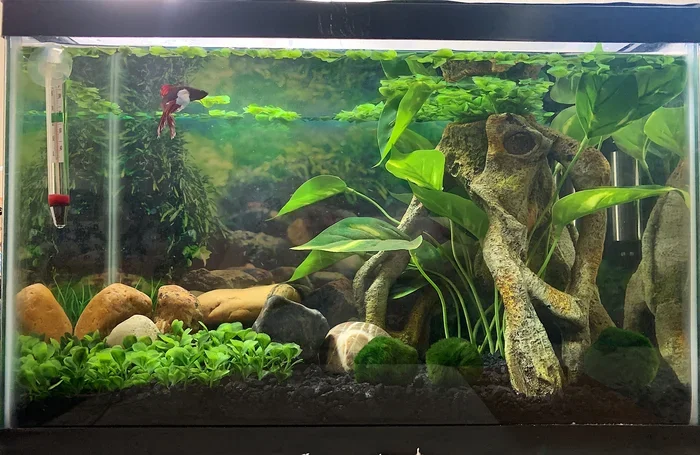
A breeding tank should be at least 10 gallons. This gives the fish enough room to establish a bubble nest and for the female to retreat if she needs a break. Here is what you will need:
- A sponge filter for gentle water flow.
- A heater set to 78-80°F (25-27°C).
- Live or silk plants for hiding spots and bubble nest support.
- A divider or clear container to separate the male and female before breeding.
- A lid or cover to keep humidity high, which helps fry develop properly.
The water should be clean and soft. Many breeders use conditioned tap water or spring water for breeding tanks. Avoid using water that contains chlorine or heavy metals, as these can harm both the adult fish and the eggs.
Water Parameters for Breeding
Keeping the water parameters stable is one of the most important parts of betta fish care during breeding. Here are the ideal ranges:
- Temperature: 78-80°F (25-27°C)
- pH: 6.5-7.0
- Ammonia: 0 ppm
- Nitrite: 0 ppm
- Nitrate: Below 20 ppm
Use a liquid test kit to monitor these parameters daily. Stable water conditions reduce stress and increase the chances of a successful spawn. If you are using tap water for your betta fish, always treat it with a water conditioner first.
The Breeding Process Step by Step
Now that your tank is ready, it is time to breed your bettas. The betta fish reproduction process is fascinating to watch, but it requires patience and close attention.
Step 1: Select Healthy Breeding Pairs
Choose two healthy, mature bettas that are at least 4-6 months old. Look for fish with bright colors, no signs of disease, and active behavior. The male should have a good bubble nest, and the female should have a visible egg spot on her underside.
Step 2: Condition the Fish
Before introducing the pair, feed them high-quality live or frozen foods like brine shrimp and bloodworms for 1-2 weeks. This helps them build up energy and produces healthier eggs and sperm. Betta fish food rich in protein works great for this purpose.
Step 3: Introduce the Pair
Place the male and female in the breeding tank separated by a clear divider. Let them see each other for 1-2 days. This helps them get used to each other without the risk of fighting. After this, remove the divider and observe their behavior closely.
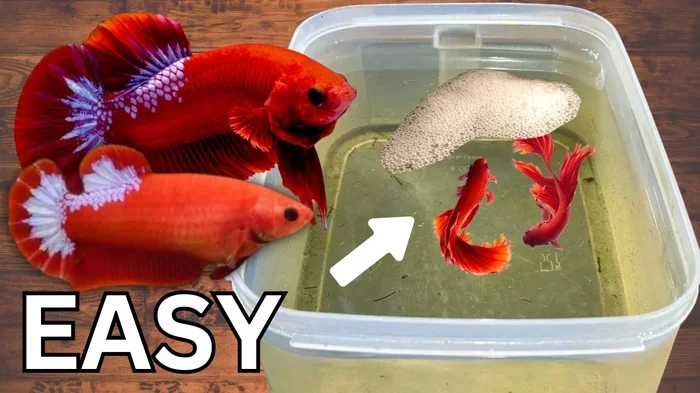
The male will usually build a bubble nest at the surface. He will then wrap around the female to collect the eggs. This process can be intense, so watch carefully. If the female looks stressed, remove her immediately.
Step 4: Care for the Fry
Once the eggs are fertilized, remove the female from the tank. The male will guard the eggs and the bubble nest. After the fry hatch (usually within 24-48 hours), remove the male as well, as he may eat the babies.
Feed the fry infusoria or liquid fry food for the first week. After that, you can introduce baby brine shrimp. Keep the water clean with small, frequent water changes. Raising betta fish fry is a rewarding but delicate process.
Common Mistakes in Betta Fish Crossbreeding
Even experienced hobbyists make mistakes when crossbreeding betta fish. Here are some of the most common ones to avoid:
Skipping the Research
Many beginners jump into breeding without learning the basics of betta fish genetics. This can lead to weak fry, dead fish, or disappointing results. Always research the traits you want to combine and understand how they are inherited.
Overbreeding Your Fish
Breeding your bettas too often can drain their health and shorten their lifespan. Give your fish time to recover between spawns. A good rule of thumb is to wait at least 3-4 months between breeding sessions.
Ignoring Water Quality
Poor water quality is the number one killer of betta fry. If you skip water changes or overfeed, ammonia can spike quickly. Always keep the tank clean and test the water regularly.
Breeding for Looks Only
It is easy to get caught up in creating the perfect color or tail type. But responsible betta fish breeding means prioritizing health and temperament. Fish that look beautiful but are sick or aggressive are not worth keeping in a breeding program.
What to Do With Extra Fry
A single betta spawn can produce anywhere from 50 to 300 fry. That is a lot of baby fish! If you cannot keep them all, there are several options:
- Give them to other hobbyists: Many local fish clubs and online communities are always looking for new betta varieties.
- Sell them: Unique betta fish crossbreeds can be valuable, especially if they display rare colors or patterns.
- Keep the best ones: Select the healthiest and most attractive fry to continue your breeding line.
Never release bettas into the wild or give them away to people who cannot care for them properly. Betta fish crossbreeding comes with responsibility.
Expert Insights on Betta Fish Crossbreeding
Professional betta breeders often emphasize that patience is the most important tool in your kit. You will not create a perfect fish in one spawn. It takes multiple generations to stabilize traits and produce consistent results. The best breeders keep detailed records of every spawn, noting which parents were used and what traits the fry displayed.
Another expert tip is to always have a backup tank ready. You never know how many fry a spawn will produce, and overcrowding can cause stress and disease. If you are serious about breeding betta fish, consider setting up multiple tanks so you are always prepared.
Finally, remember that crossbreeding betta fish is both an art and a science. You need to understand genetics, but you also need a good eye for beauty and a lot of patience. The rewards are worth the effort when you see a batch of healthy, stunning fry that carry the traits you worked so hard to combine.
Conclusion
Can betta fish crossbreed? Absolutely. With the right knowledge, setup, and patience, you can create beautiful new betta varieties through crossbreeding betta fish. Understanding betta fish genetics and following proper breeding practices are the keys to success. Always prioritize the health of your fish, maintain excellent water quality, and be prepared for the commitment that comes with raising fry.
Betta fish breeding is a rewarding hobby that lets you explore the incredible diversity within this species. Start small, learn from each spawn, and enjoy the process. Whether you want to create new color patterns or simply understand your fish better, crossbreeding betta fish opens up a world of possibilities. Happy breeding!
Frequently Asked Questions
Can any two betta fish be crossbred together?
Most Betta splendens varieties can be crossbred since they belong to the same species. However, some combinations may produce weaker fry or unexpected traits. Always research the genetics of the fish you plan to pair before breeding them together.
How long does it take for betta fish fry to develop their colors?
Betta fish fry usually start showing their first colors around 4-6 weeks of age. Full color development can take anywhere from 3 to 6 months, depending on the variety and the quality of care they receive during their early weeks.
Is crossbreeding betta fish profitable?
It can be, especially if you produce unique color patterns or rare tail types. However, betta fish breeding requires an upfront investment in tanks, equipment, and quality fish food. Profitability depends on the demand for specific varieties in your local market.
What should I feed betta fish fry?
Newly hatched fry need very small food like infusoria or liquid fry food. After the first week, you can introduce baby brine shrimp, which is one of the best foods for growing betta fry. Feed them small amounts multiple times a day.
Can crossbred betta fish be kept with other fish?
Yes, once they are fully grown, crossbred bettas can sometimes be kept with peaceful tank mates. However, bettas can be territorial, so always monitor their behavior closely. Avoid keeping two male bettas together at all times.
Do I need a license to breed betta fish?
In most places, you do not need a license to breed betta fish for personal or hobby purposes. However, if you plan to sell them commercially, check your local laws and regulations, as some regions require permits or business licenses for selling live animals.