Can Betta Fish Regrow Scales

Yes, betta fish can regrow scales under the right conditions. Scale loss is often caused by injury, poor water quality, or disease. With clean water, proper nutrition, and low stress, your betta’s scales can slowly grow back over several weeks. Prevention and early treatment are key to helping your fish recover fully.
Key Takeaways
- Betta fish can regrow scales if the underlying cause of scale loss is addressed and their environment is kept clean and stress-free.
- Scale loss is commonly caused by physical injury, fin nipping from tank mates, poor water quality, fungal or bacterial infections, and parasitic diseases.
- The regrowth process takes time — typically several weeks to a couple of months depending on the severity of the damage and the fish’s overall health.
- Water quality is the single most important factor in helping your betta regrow scales. Ammonia, nitrite, and nitrate levels must be carefully monitored.
- A protein-rich diet supports healing and scale regeneration. High-quality betta pellets, frozen bloodworms, and brine shrimp are excellent choices.
- Stress reduction is critical during recovery. This means stable water parameters, appropriate tank size, and compatible tank mates — or no tank mates at all.
- Not all scale loss is reversible. Severe damage to the skin or scales from advanced disease may result in permanent scarring or discoloration.
📑 Table of Contents
- Can Betta Fish Regrow Scales? Here’s What Every Betta Owner Needs to Know
- Understanding Betta Fish Scales: What Are They and What Do They Do?
- Common Causes of Scale Loss in Betta Fish
- The Scale Regrowth Process: What to Expect
- How to Help Your Betta Regrow Scales: A Step-by-Step Guide
- When Scale Loss Is Serious: Recognizing Emergencies
- Preventing Scale Loss in the Future
- Frequently Asked Questions About Betta Fish Scale Regrowth
- Final Thoughts: Helping Your Betta Thrive
Can Betta Fish Regrow Scales? Here’s What Every Betta Owner Needs to Know
If you’ve noticed your betta fish missing scales, you’re probably feeling worried. Maybe you spotted a bare patch on your fish’s body after a fight with a tank mate. Or perhaps you noticed scales scattered at the bottom of the tank one morning. Whatever the situation, the question on your mind is likely the same: can betta fish regrow scales?
The short answer is yes — betta fish can regrow scales, and many do so successfully when their environment and care are on point. But the full picture is a bit more nuanced. Scale regrowth depends on the cause of the damage, the severity of the injury, and how well you support your betta during the healing process. In this guide, we’ll walk you through everything you need to know about betta fish scale loss, regrowth, and how to give your fish the best chance at a full recovery.
Understanding how scales work and why they sometimes fall out is the first step. Let’s dive in and explore the biology behind your betta’s scales, what causes them to fall off, and what you can do to help them grow back.
Understanding Betta Fish Scales: What Are They and What Do They Do?
The Anatomy of a Betta Fish Scale
Betta fish are covered in small, overlapping scales that serve as a protective layer over their skin. These scales are made of a bony material and grow from the fish’s dermis — the layer of skin just beneath the surface. Each scale is thin and flexible, allowing your betta to swim freely while still being shielded from the outside world.

Visual guide about Can Betta Fish Regrow Scales
Image source: tinyfishtank.com
Think of your betta’s scales like a suit of armor. They protect the fish from minor scrapes, bumps, and even some parasites. They also play a role in the fish’s immune system by acting as a physical barrier against bacteria and fungi that could otherwise invade the body.
How Scales Grow and Shed Naturally
Like human skin cells, betta fish scales go through a natural life cycle. Old or damaged scales can fall off on their own, and new ones grow in their place. This is a normal process and nothing to worry about. You might occasionally find a loose scale in your tank during a water change, and that’s perfectly fine.
However, when scale loss happens in large patches or is accompanied by other symptoms like discoloration, lethargy, or loss of appetite, it’s a sign that something is wrong. That’s when you need to investigate the cause and take action.
Common Causes of Scale Loss in Betta Fish
Physical Injury and Aggression
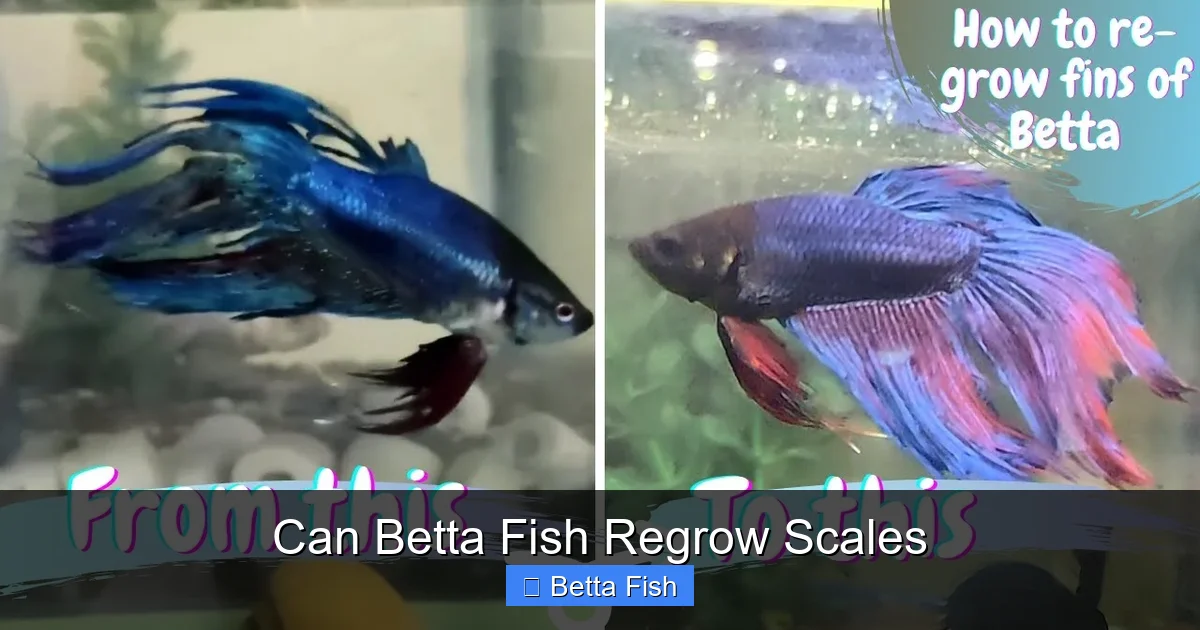
One of the most common reasons bettas lose scales is physical injury. Male bettas are notoriously territorial and aggressive toward other males. If you’re wondering can you keep 2 male betta fish together, the answer is almost always no — and scale loss is one of the main reasons why. When two male bettas fight, they bite, ram, and tear at each other’s scales, often causing significant damage.
Visual guide about Can Betta Fish Regrow Scales
Image source: i.ytimg.com
But it’s not just other bettas that can cause harm. Even when housed with other species, bettas can get into scuffles. If you’re considering what other fish can live with betta fish, it’s important to choose peaceful, non-aggressive species. Fin nippers like some tetras or barbs can stress your betta and cause scale damage along the fins and body.
Your betta can also injure itself by bumping into sharp decorations, rough gravel, or aggressive filter intakes. Always check your tank setup for anything that could scrape or cut your fish.
Poor Water Quality
Dirty water is a silent killer in the aquarium hobby. When ammonia, nitrite, or nitrate levels spike, your betta’s skin and scales can suffer. Ammonia burns can damage the skin and cause scales to loosen and fall off. Chronic exposure to poor water quality weakens your fish’s immune system, making it harder for scales to regenerate.
This is one of the biggest reasons why keeping a betta in an unfiltered bowl or small tank is problematic. If you’ve been researching can you keep betta fish in a small bowl, you’ve probably learned that small volumes of water get polluted very quickly. A proper filtered and heated tank of at least 5 gallons is the best way to maintain stable water quality and protect your betta’s scales.
Bacterial and Fungal Infections
Infections are another major cause of scale loss. Columnaris, for example, is a bacterial infection that can cause white or yellowish patches on the skin and lead to scale detachment. Fungal infections can also eat away at the skin and scales, creating cottony growths and bare spots.
Fin rot, which you might have read about in articles like can betta fish fins grow back, can sometimes extend beyond the fins and affect the body scales as well. When the infection reaches the body, it becomes more serious and requires prompt treatment with antibiotics or antifungal medications.
Parasitic Infestations
Parasites like ich (white spot disease), velvet, and flukes can all cause scale loss. Ich is particularly common and easy to spot — it looks like tiny white grains of salt stuck to your fish’s body. As the parasites burrow into the skin, they damage scales and cause irritation that leads to scratching and further scale loss.
Velvet is another tricky parasite that gives your fish a gold or rust-colored dusting. It can cause significant skin and scale damage if left untreated. Always quarantine new fish before adding them to your main tank to prevent parasitic outbreaks.
Age and Natural Wear
Older bettas may experience some natural scale thinning or loss as they age. This is similar to how humans experience changes in their skin over time. While you can’t stop aging, you can support your senior betta with excellent water quality, a nutritious diet, and a stress-free environment to minimize age-related scale issues.
The Scale Regrowth Process: What to Expect
How Long Does It Take for Scales to Grow Back?
Scale regrowth is not an overnight process. Depending on the extent of the damage, it can take anywhere from 3 to 8 weeks for scales to fully regrow. Minor scale loss from a small scrape might heal in as little as two to three weeks, while more severe damage from a bad fight or advanced infection could take two months or longer.

Visual guide about Can Betta Fish Regrow Scales
Image source: png.pngtree.com
During the regrowth period, you’ll notice the affected area gradually changing. New scales usually start as small, translucent spots that slowly expand and take on the color of the surrounding scales. The new scales might look slightly different in color or texture at first, but they typically blend in over time.
Factors That Affect Regrowth Speed
Several factors influence how quickly your betta’s scales grow back:
- Water quality: Clean, well-maintained water is the number one factor. Ammonia and nitrite should always be at 0 ppm, and nitrates should stay below 20 ppm.
- Temperature: Bettas are tropical fish that thrive in water between 76°F and 82°F. Warmer water within this range can boost metabolism and speed up healing.
- Diet: A high-protein diet rich in essential nutrients supports tissue repair and scale regeneration.
- Stress levels: A stressed fish heals more slowly. Minimize disturbances, loud noises, and sudden changes in the tank.
- Age and overall health: Younger, healthier bettas tend to recover faster than older or immunocompromised fish.
What Healthy Regrowth Looks Like
When scales are regrowing properly, you’ll see a gradual filling-in of the bare patch. The new tissue should look smooth and healthy, without any signs of infection like redness, white fuzz, or inflammation. The color of the new scales may initially be slightly lighter or more translucent than the surrounding scales, but this usually evens out as the scales mature.
If the affected area becomes increasingly red, swollen, or develops a fuzzy appearance, that’s a sign of a secondary infection. You’ll need to treat the infection before regrowth can continue.
How to Help Your Betta Regrow Scales: A Step-by-Step Guide
Step 1: Identify and Address the Root Cause
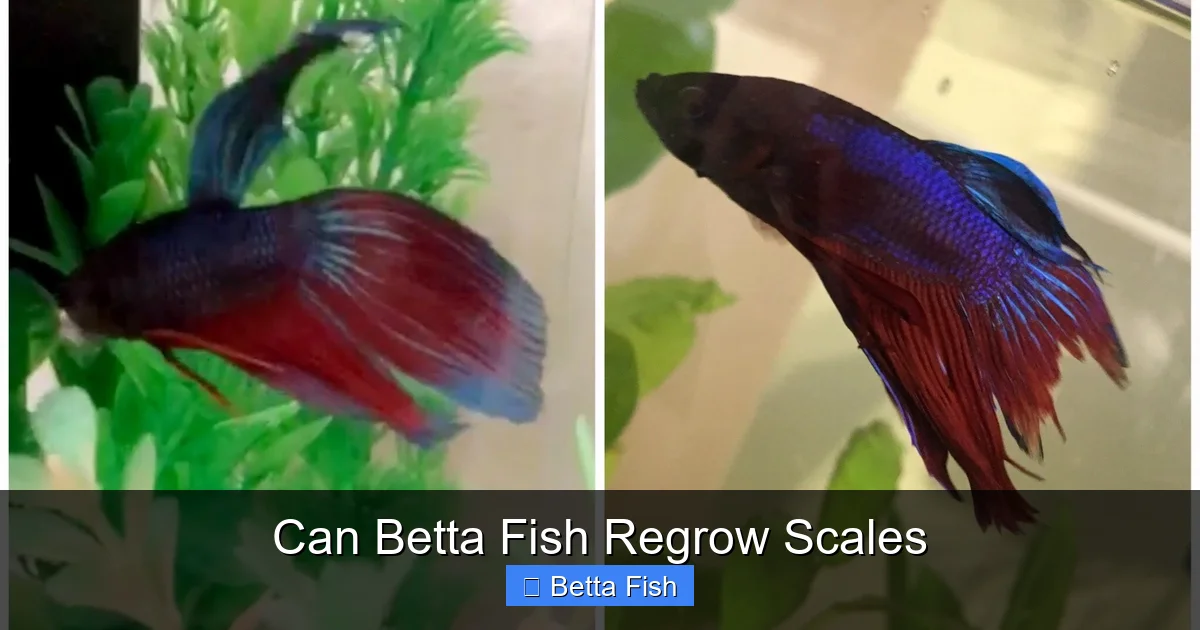
Before you can help your betta regrow scales, you need to figure out why they lost them in the first place. Look for clues: Are there sharp objects in the tank? Is your betta being bullied by a tank mate? Are your water parameters off? Once you identify the cause, fix it immediately.
Visual guide about Can Betta Fish Regrow Scales
Image source: i.redd.it
If the scale loss was caused by aggression, separate the fish right away. If it was caused by poor water quality, start doing more frequent water changes. If it was caused by disease, begin appropriate treatment as soon as possible.
Step 2: Optimize Water Quality
This cannot be overstated — clean water is the foundation of all healing. Here’s what you should do:
- Test your water using a liquid test kit (not strips — they’re less accurate). Check ammonia, nitrite, nitrate, and pH levels.
- Perform regular water changes. For a betta in a 5-gallon tank, change 25-30% of the water twice a week. For larger tanks, 20-25% weekly is usually sufficient.
- Use a water conditioner to remove chlorine and chloramines from tap water before adding it to the tank.
- Maintain a stable temperature between 76°F and 82°F using an aquarium heater and thermometer.
- Ensure proper filtration. A gentle filter that doesn’t create too much current is ideal for bettas.
Step 3: Improve Your Betta’s Diet
Nutrition plays a huge role in tissue repair and scale regrowth. Your betta needs a varied, protein-rich diet to fuel the healing process. Here are some excellent food options:
- High-quality betta pellets: Look for pellets with whole fish or fish meal as the first ingredient. Avoid fillers like wheat and soy.
- Frozen or live bloodworms: These are a betta favorite and packed with protein. Feed as a treat 2-3 times per week.
- Brine shrimp: Another great protein source that bettas love. Available frozen or live.
- Daphnia: Helps with digestion and provides additional nutrients.
Feed your betta 2-3 small meals per day rather than one large meal. Overfeeding can lead to water quality problems, which defeats the purpose. If you want to learn more about feeding, check out our guide on what can betta fish eat for a comprehensive breakdown.
Step 4: Reduce Stress in the Tank
Stress is the enemy of healing. A stressed betta produces cortisol, which suppresses the immune system and slows down tissue repair. Here’s how to create a calm, healing environment:
- Provide hiding spots. Caves, plants (real or silk), and other decorations give your betta places to retreat and feel safe.
- Keep the tank in a quiet area away from loud TVs, speakers, and high-traffic areas of your home.
- Maintain a consistent light cycle. 8-12 hours of light per day mimics their natural environment and supports healthy biological rhythms.
- Avoid unnecessary tank maintenance that disturbs your fish. Don’t tear down the tank for cleaning — gentle water changes are enough.
- Consider a quarantine tank if your betta is recovering from an injury or illness. A smaller, bare-bottom hospital tank makes it easier to monitor your fish and maintain pristine water conditions.
Step 5: Monitor Progress and Be Patient
Scale regrowth takes time, and it’s important to be patient. Take a photo of the affected area once a week so you can track changes over time. This helps you see progress that might not be obvious day to day.
If you don’t see any improvement after 3-4 weeks of optimal care, or if the condition worsens, consult a veterinarian who specializes in fish. They can provide a more accurate diagnosis and prescribe medications if needed.
When Scale Loss Is Serious: Recognizing Emergencies
Signs That Require Immediate Attention
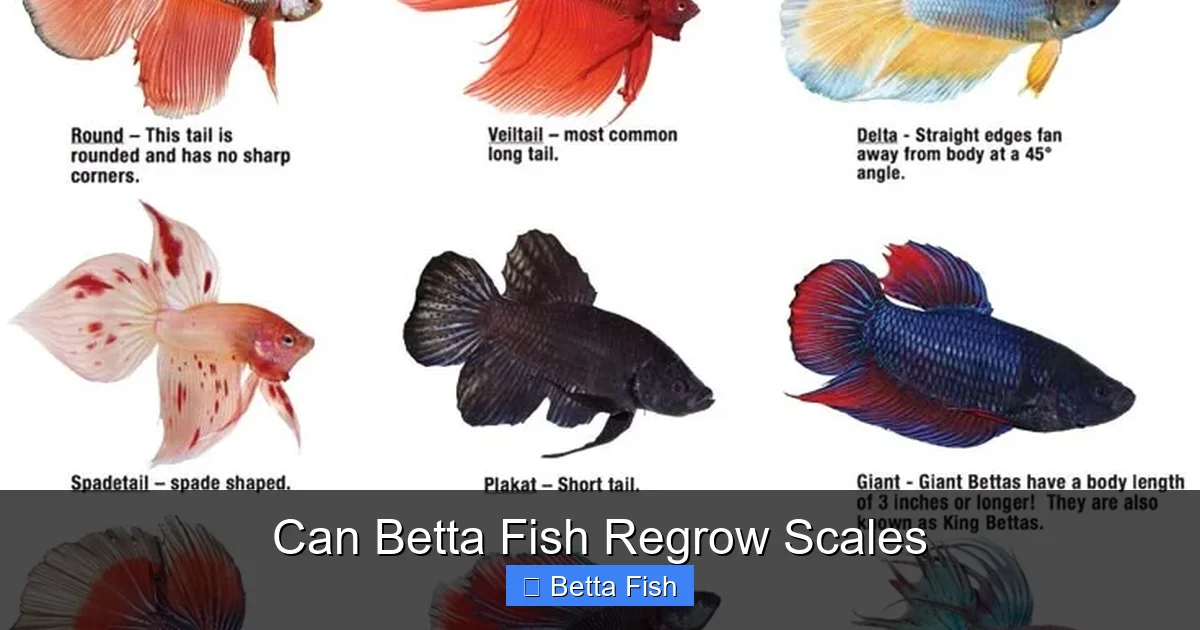
While minor scale loss can often be managed at home, some situations require urgent care. Watch for these red flags:
Visual guide about Can Betta Fish Regrow Scales
Image source: i.pinimg.com
- Rapidly spreading scale loss that covers a large portion of the body
- Redness, inflammation, or bleeding at the site of scale loss
- White, cottony growths indicating a fungal infection
- White spots that look like grains of salt (ich)
- Lethargy, loss of appetite, or difficulty swimming
- Clamped fins combined with scale loss
If you notice any of these symptoms, act quickly. Early treatment can mean the difference between full recovery and permanent damage — or worse.
Common Treatments for Scale-Related Conditions
Depending on the cause of the scale loss, your betta may need medication. Here are some common treatments:
- Antibiotics: Medications like Maracyn or Kanaplex can treat bacterial infections that cause scale loss.
- Antifungal treatments: Products like Methylene Blue or Pimafix can address fungal infections.
- Parasite treatments: Ich-X or malachite green-based medications are effective against ich and velvet.
- Aquarium salt: In low doses, aquarium salt can help promote healing and reduce the risk of infection. Use 1 teaspoon per gallon in a quarantine tank, not in the main tank.
- Indian almond leaves: These natural leaves release tannins that have antibacterial and antifungal properties. They also lower pH slightly, which many bettas enjoy.
Always follow the dosage instructions on any medication carefully. Overdosing can harm your betta, and underdosing can lead to medication resistance.
Preventing Scale Loss in the Future
Choose Tank Mates Carefully
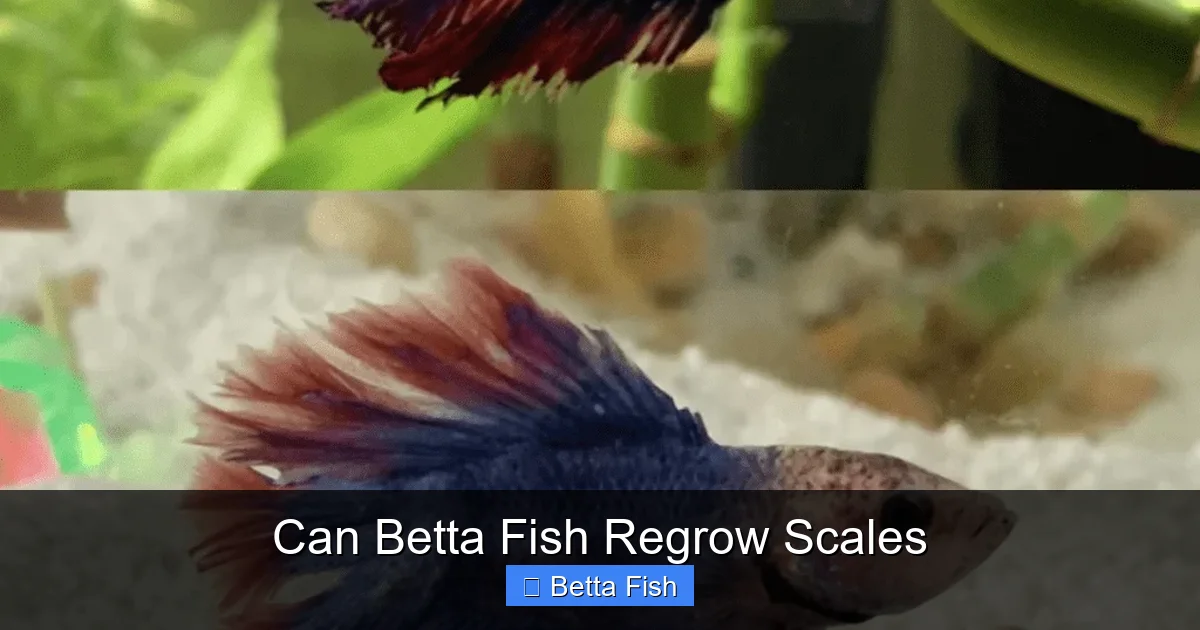
Prevention is always better than cure. If you want to keep your betta with other fish, choose peaceful, non-aggressive species that won’t nip at your betta’s fins or scales. Good options include corydoras catfish, harlequin rasboras, and certain species of snails and shrimp.
Visual guide about Can Betta Fish Regrow Scales
Image source: wildbettablog.com
Avoid keeping male bettas together at all costs. Even female bettas can be aggressive when kept in small groups. If you’re interested in keeping multiple females together, read our article on can you keep female betta fish together for detailed guidance on setting up a sorority tank.
Maintain a Proper Tank Setup
A well-maintained tank is your best defense against scale loss. Here’s what every betta tank should have:
- At least 5 gallons of water — bigger is always better
- A gentle filter to keep the water clean without creating strong currents
- An adjustable heater set to 78°F-80°F
- Smooth, soft substrate — fine sand or smooth gravel
- Silk or live plants — avoid sharp plastic plants that can tear scales
- Smooth decorations without sharp edges
Stick to a Regular Maintenance Schedule
Consistency is key. Perform weekly water changes, test your water parameters regularly, and clean your filter media as needed (but never all at once — you want to preserve the beneficial bacteria). A regular maintenance schedule prevents the buildup of harmful substances that can damage your betta’s scales and overall health.
Frequently Asked Questions About Betta Fish Scale Regrowth
Let’s address some of the most common questions betta owners ask about scale loss and regrowth.
Can betta fish regrow scales after a fight?
Yes, betta fish can regrow scales lost during a fight, provided the wound isn’t too deep and the water quality is excellent. Separate the injured fish immediately and keep the tank clean to prevent infection. Scales should begin regrowing within a few weeks.
Do betta fish scales grow back the same color?
New scales may initially appear lighter or more translucent than the original scales. Over time, they usually develop their full color and blend in with the surrounding scales. In some cases, especially with severe damage, the new scales might be slightly different in color or pattern.
How can I tell if my betta’s scale loss is from disease or injury?
Scale loss from injury usually appears as a localized area where scales were physically removed, often with some redness or bruising. Scale loss from disease tends to be more widespread and may be accompanied by other symptoms like white spots, fuzzy growths, discoloration, or behavioral changes such as lethargy and loss of appetite.
Should I use aquarium salt to help my betta regrow scales?
Aquarium salt can be beneficial in low doses as it helps reduce the risk of infection and promotes slime coat production. Use 1 teaspoon per gallon in a quarantine or hospital tank. However, salt should not be used in the main tank, especially if you have live plants or salt-sensitive tank mates.
Can stress alone cause a betta to lose scales?
Chronic stress weakens the immune system and can make your betta more susceptible to diseases that cause scale loss. While stress alone doesn’t directly knock scales off, it creates conditions where infections and parasites can take hold, leading to secondary scale loss.
How long should I wait before worrying about my betta’s missing scales?
If you’ve optimized water quality, diet, and tank conditions, give your betta 3-4 weeks to show signs of regrowth. If there’s no improvement after a month, or if the condition worsens at any point, it’s time to consult an aquatic veterinarian for a professional diagnosis and treatment plan.
Final Thoughts: Helping Your Betta Thrive
So, can betta fish regrow scales? Absolutely — and now you know exactly how to help them do it. The key takeaways are simple: identify the cause of scale loss, fix any environmental problems, feed a high-quality diet, keep the water pristine, and reduce stress as much as possible.
Your betta’s scales are more than just decoration. They’re a vital part of your fish’s defense system, and keeping them healthy is an important part of responsible betta ownership. With patience and proper care, most bettas will regrow their scales and return to their beautiful, vibrant selves.
Remember, every betta is different. Some will heal faster than others, and some may have slight cosmetic differences after recovery. But a healthy, happy betta is always the goal — scales or no scales. Keep up the great care, and your betta will thank you with years of stunning colors and entertaining behavior.
Frequently Asked Questions
Can betta fish regrow scales after fin rot?
Yes, if fin rot is treated early and doesn’t progress to the body, scales can regrow once the infection is cleared. Severe cases that damage the skin deeply may result in scarring or incomplete regrowth.
Is it normal to find loose scales in my betta tank?
Occasionally finding a single loose scale is normal and part of the natural shedding process. However, finding many scales or seeing bare patches on your fish indicates a problem that needs investigation.
Can I keep my betta with other fish without risking scale damage?
Yes, if you choose peaceful, compatible tank mates and provide enough space. Avoid aggressive or fin-nipping species, and always monitor interactions closely when introducing new fish.
What water parameters are best for scale regrowth?
Ammonia and nitrite should be 0 ppm, nitrates below 20 ppm, pH between 6.5 and 7.5, and temperature between 76°F and 82°F. Stability is just as important as the actual numbers.
Do Indian almond leaves help with scale regrowth?
Indian almond leaves release tannins that have mild antibacterial and antifungal properties. They can support overall skin health and create a more natural environment, which may indirectly aid in scale regrowth.
When should I take my betta to the vet for scale loss?
If scale loss is spreading rapidly, accompanied by other symptoms like lethargy or loss of appetite, or shows no improvement after 3-4 weeks of optimal care, consult an aquatic veterinarian for professional treatment.