How Big Does a Half Moon Betta Fish Get

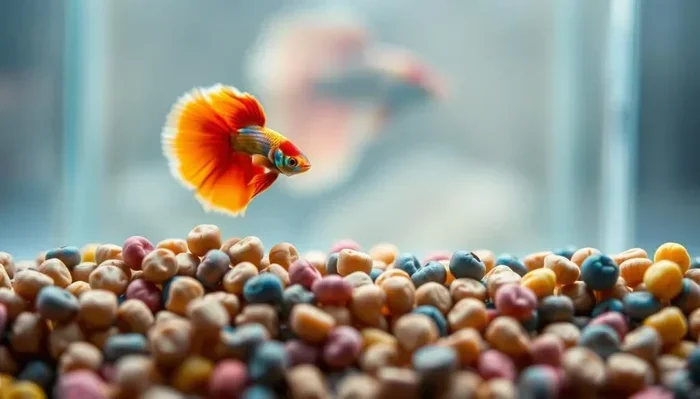
The half moon betta fish is one of the most popular betta breeds, known for its spectacular 180-degree tail spread. A healthy half moon betta typically grows to about 2.5 to 3 inches in body length, with the full fin span stretching up to 5 or 6 inches. Understanding half moon betta fish size helps you provide the right tank, nutrition, and care for your colorful companion.
Few freshwater fish capture attention quite like the half moon betta. With its dramatic, flowing fins that spread into a perfect half-circle, this variety stands out in any aquarium. Whether you are a first-time fish owner or a seasoned hobbyist, understanding how big does a half moon betta fish get is essential for providing the best care.
Many people assume bettas stay tiny because they are sold in small cups at pet stores. But the truth is quite different. A half moon betta fish can grow to a respectable size when given proper space, nutrition, and care. In this guide, we will cover everything you need to know about the size, growth, and care of this stunning fish.
Let us dive into the details so you can give your half moon betta the home it deserves.
Key Takeaways
- Half moon bettas reach 2.5 to 3 inches in body length: This is the standard adult size for healthy specimens of this breed.
- Fin span can stretch 5 to 6 inches wide: The dramatic tail fan is what makes this variety so visually striking.
- A 5-gallon tank is the minimum recommended: Larger tanks promote better growth and overall health.
- Diet plays a major role in growth: High-quality food and proper feeding schedules help your betta reach its full potential.
- Males are typically larger than females: Gender differences affect both body size and fin development.
- Water quality directly impacts growth rate: Clean, properly heated water keeps your betta thriving.
- Genetics set the ceiling for size: Even with perfect care, some fish simply won’t grow as large as others.
📑 Table of Contents
What Is a Half Moon Betta Fish?
The half moon betta is a type of Siamese fighting fish known for its distinctive tail fin. The tail spreads out in a half-circle, creating a beautiful fan shape that can reach up to 180 degrees. This fin shape is the result of selective breeding over many generations.
Half moon bettas come in a wide range of colors and patterns. You can find them in solid colors like red, blue, and white, as well as complex patterns like marble, butterfly, and galaxy. Their flowing fins and vibrant colors make them one of the most sought-after betta varieties among fish keepers.
These fish are native to the warm, shallow waters of Southeast Asia. In the wild, bettas live in rice paddies, floodplains, and slow-moving streams. Understanding their natural habitat helps explain why they need specific care in a home aquarium.
Before we get into size details, it helps to know that half moon betta fish are part of a larger group of betta fish types. Each type has its own fin shape and size characteristics. The half moon is prized for its wide tail spread and overall elegance.
How Big Does a Half Moon Betta Fish Get?
The half moon betta size is one of the most common questions new owners ask. On average, a healthy adult half moon betta grows to about 2.5 to 3 inches in body length. However, when you include the fins, the total span can reach 5 to 6 inches wide.
This makes the half moon one of the larger betta varieties in terms of fin span. The body itself stays relatively compact, but the fins add significant visual bulk. A fully spread tail can take up a lot of space in a tank, which is why tank size matters so much.
For comparison, if you are curious about how this size stacks up against other bettas, you can check out our guide on how big does a betta fish get. It covers general size ranges across all betta types.
Several factors influence the final size of your half moon betta:
- Genetics: Some bloodlines produce larger fish than others. Buying from a reputable breeder increases your chances of getting a well-sized specimen.
- Diet: High-quality food supports healthy growth and vibrant fin development.
- Tank conditions: Clean water and proper temperature promote steady, stress-free growth.
- Age: Bettas reach full size by about 6 to 12 months of age.
Average Size at Different Ages
Tracking growth stages helps you know if your fish is developing properly. Here is a general breakdown of what to expect:
- Juvenile (0 to 3 months): Around 0.5 to 1 inch in body length. Fins are small and undeveloped.
- Sub-adult (3 to 6 months): Around 1.5 to 2 inches. Fins start to lengthen and color deepens.
- Young adult (6 to 9 months): Around 2 to 2.5 inches. The half-moon tail spread begins to show.
- Full adult (9 to 12 months): Around 2.5 to 3 inches. Fins are fully developed and the tail fan is complete.
Keep in mind that these are averages. Some fish grow faster, and some take longer. Patience is key when raising a half moon betta.
Growth Stages and Development
Understanding the growth journey of a half moon betta helps you provide the right care at each stage. Growth is not linear, and different body parts develop at different rates.
Early Development (Birth to 2 Months)
Baby bettas, called fry, are extremely small when they first hatch. They are less than a quarter inch long and are almost transparent. During the first few weeks, they feed on infusoria and baby brine shrimp. Growth is rapid during this phase, but the fins are barely visible.
By the time a fry reaches 2 months old, it should be around 0.75 to 1 inch long. Color patterns start to appear, and the basic fin shape begins to emerge. This is a critical period for nutrition and water quality.
Fin Development (2 to 6 Months)
The most exciting phase for half moon betta enthusiasts is fin development. Between 2 and 6 months, the fins grow significantly. The tail fin starts to spread outward, and you can see the half-circle shape forming.
During this stage, the fish needs plenty of protein and space to swim. The fins are delicate and can be damaged by sharp decorations or strong filter currents. A well-planted tank with soft decorations helps protect developing fins.
Full Maturity (6 to 12 Months)
By 6 months, most half moon bettas have reached their adult body size. The tail fan continues to fill out and spread. Full color intensity usually develops by 9 to 12 months. At this point, your fish is considered fully mature.
If you want to learn more about how long bettas live and how that relates to their growth, check out our article on how long does a male betta fish live. Lifespan and growth are closely connected.
Male vs Female Half Moon Betta Size
There are noticeable size differences between male and female half moon bettas. Understanding these differences helps you set realistic expectations and plan the right tank setup.
| Feature | Male | Female |
|---|---|---|
| Body Length | 2.5 to 3 inches | 2 to 2.5 inches |
| Fin Span | 5 to 6 inches | 3 to 4 inches |
| Tail Spread | Full 180 degrees | Slightly less dramatic |
| Body Depth | Deeper, more rounded | Slimmer, especially when not gravid |
| Color Intensity | More vibrant | Slightly less vivid |
Male half moon bettas are the ones typically sold in pet stores. They have the most dramatic finnage and the widest tail spread. Females also display the half-moon shape, but their fins are shorter and less flowing.
If you are considering getting a female half moon betta, you can still expect a beautiful fish. They tend to be slightly hardier and may do better in community tanks under the right conditions.
Tank Size Requirements for Half Moon Bettas
Tank size has a direct impact on your half moon betta’s health and growth. Many people still believe bettas can live happily in tiny bowls. This is a myth that needs to be debunked.
The minimum tank size for a single half moon betta is 5 gallons. However, larger tanks are always better. A 10-gallon tank gives your fish more room to swim and explore, which supports both physical and mental health.
Because the half moon betta has such large fins, swimming space matters. The fish needs room to move without tearing its delicate tail. Strong filter currents can damage the fins, so choose a filter with an adjustable flow or sponge filter.
For more detailed information on tank sizing, you can read our guide on how big does a betta fish tank need to be. It covers tank size recommendations in depth.
Why Space Matters for Growth
Fish that are kept in cramped spaces tend to grow more slowly and may develop health problems. Stress from overcrowding or small tanks weakens the immune system and stunts growth.
Adequate space also allows for proper temperature regulation and water parameter stability. These factors directly affect how well your half moon betta grows and how long it lives.
If you are wondering exactly how much space your betta needs, check out our article on how much space does a betta fish really need. It provides detailed guidance on space requirements for different betta types.
Best Tank Setup for a Half Moon Betta
Setting up the right tank goes beyond just size. Here are the key elements:
- Heater: Maintain water temperature between 78 and 80 degrees Fahrenheit.
- Filter: Use a gentle sponge filter to avoid strong currents.
- Substrate: Soft sand or smooth gravel prevents fin damage.
- Decorations: Avoid sharp edges. Live plants provide natural hiding spots.
- Lighting: Moderate lighting highlights the fish’s colors without causing stress.
Factors That Affect Half Moon Betta Growth
Not all half moon bettas grow at the same rate or reach the same size. Several key factors influence growth outcomes.
1. Genetics
Genetics play the biggest role in determining how large your betta will get. Fish from champion bloodlines tend to grow larger and develop more impressive finnage. If you buy from a reputable breeder, you are more likely to get a fish with strong growth potential.
2. Diet and Nutrition
What you feed your half moon betta directly affects its size and overall health. A varied diet rich in protein supports steady growth and vibrant color.
High-quality betta pellets should form the staple of the diet. Supplement with frozen or live foods like brine shrimp, bloodworms, and daphnia. These provide essential nutrients that pellets alone may not offer.
Overfeeding is a common mistake. Feed your betta 2 to 3 pellets twice a day, and skip one day per week to allow the digestive system to rest.
3. Water Quality
Clean water is non-negotiable for healthy growth. Ammonia and nitrite levels should always be at zero. Nitrate should stay below 20 parts per million.
Perform regular water changes of 25 to 30 percent every week. Use a water conditioner to remove chlorine and chloramine from tap water before adding it to the tank.
4. Temperature Stability
Bettas are tropical fish and need warm, stable water. Fluctuations in temperature cause stress, which slows growth and can lead to illness.
A reliable aquarium heater with a thermostat helps maintain consistent temperatures. Avoid placing the tank near drafts, windows, or heating vents.
5. Stress and Environment
A stressed fish does not grow well. Common stressors include aggressive tankmates, bright flashing lights, loud noises, and cramped living spaces.
Keep your half moon betta in a peaceful environment. Avoid housing it with fin-nipping fish or other aggressive species. A calm, well-planted tank promotes steady, healthy growth.
Tips for Maximizing Your Half Moon Betta’s Size
While genetics set the upper limit, you can take steps to help your half moon betta reach its full potential. Here are practical tips backed by experienced fish keepers.
- Start with a healthy fish. Choose a specimen that is active, has bright colors, and shows no signs of disease or damage to the fins.
- Feed a high-quality diet. Invest in premium betta pellets and rotate in frozen or live foods for nutritional variety.
- Keep the tank clean. Regular water changes and proper filtration prevent the buildup of harmful toxins.
- Maintain stable temperatures. Keep the water between 78 and 80 degrees Fahrenheit at all times.
- Provide adequate swimming space. A 5-gallon tank minimum, with 10 gallons being ideal, gives your fish room to thrive.
- Minimize stress. Avoid sudden changes in lighting, noise, and tank conditions. Handle your fish gently during tank maintenance.
- Monitor growth regularly. Keep track of your fish’s size and adjust care routines if growth seems to stall.
Following these tips consistently over several months will give your half moon betta the best chance of reaching its full size. Remember that patience is important. Growth takes time, and every fish develops at its own pace.
For more general betta care advice, you might also enjoy our article on a half moon betta fish. It covers breed-specific care tips in greater detail.
Conclusion
The half moon betta fish is a beautiful and rewarding pet. When you understand how big does a half moon betta fish get, you can provide the ideal environment for it to thrive. A healthy adult typically reaches 2.5 to 3 inches in body length with a fin span of up to 5 to 6 inches.
Growth depends on genetics, diet, tank size, water quality, and overall care. By following the tips in this guide, you give your fish the best possible chance to reach its full size and display its stunning finnage. Take the time to set up a proper tank, feed a balanced diet, and keep the water clean.
Your half moon betta is a living work of art. Give it the space and care it deserves, and it will reward you with years of beauty and enjoyment.
Frequently Asked Questions
How fast does a half moon betta fish grow?
Half moon bettas grow relatively quickly in the first few months. Most reach near-adult size by 6 months, but full fin development can take up to 12 months. Providing good nutrition and clean water helps support steady growth throughout this period.
Can a half moon betta fish grow bigger than 3 inches?
Body length rarely exceeds 3 inches in healthy specimens. However, the fin span can add several more inches to the total visual size. Some exceptionally well-cared-for fish may push slightly past average, but genetics play the biggest role in determining maximum size.
Does tank size affect how big a half moon betta gets?
Yes, tank size does have an impact. A cramped tank causes stress and can stunt growth. A tank of at least 5 gallons is recommended, with 10 gallons being ideal. Larger tanks also provide more stable water parameters, which supports healthy development.
Are half moon bettas bigger than other betta types?
The body size is similar to other betta types, typically around 2.5 to 3 inches. What makes the half moon stand out is the fin span. The wide tail fan can stretch 5 to 6 inches, making the fish appear much larger than other varieties with smaller fins.
What should I feed my half moon betta to help it grow?
Feed a high-quality betta pellet as the staple diet. Supplement with frozen or live foods like brine shrimp and bloodworms 2 to 3 times per week. Avoid overfeeding, as excess food can pollute the water and harm your fish’s health.
Do female half moon bettas stay smaller than males?
Yes, females are generally smaller than males. Female body length typically ranges from 2 to 2.5 inches, while males reach 2.5 to 3 inches. The fin span is also less dramatic in females, though they still display the characteristic half-moon tail shape.