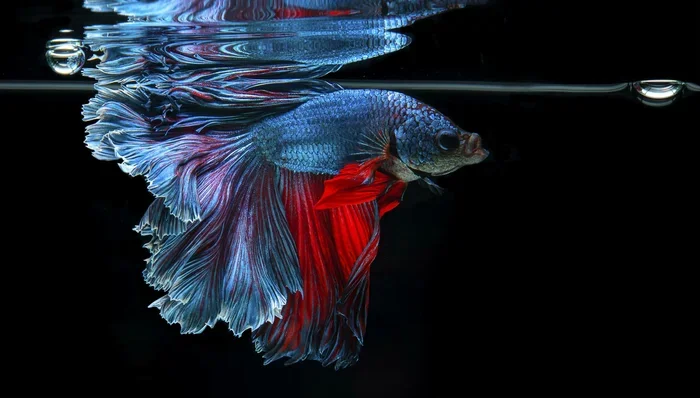
Can Betta Fish Regain Color
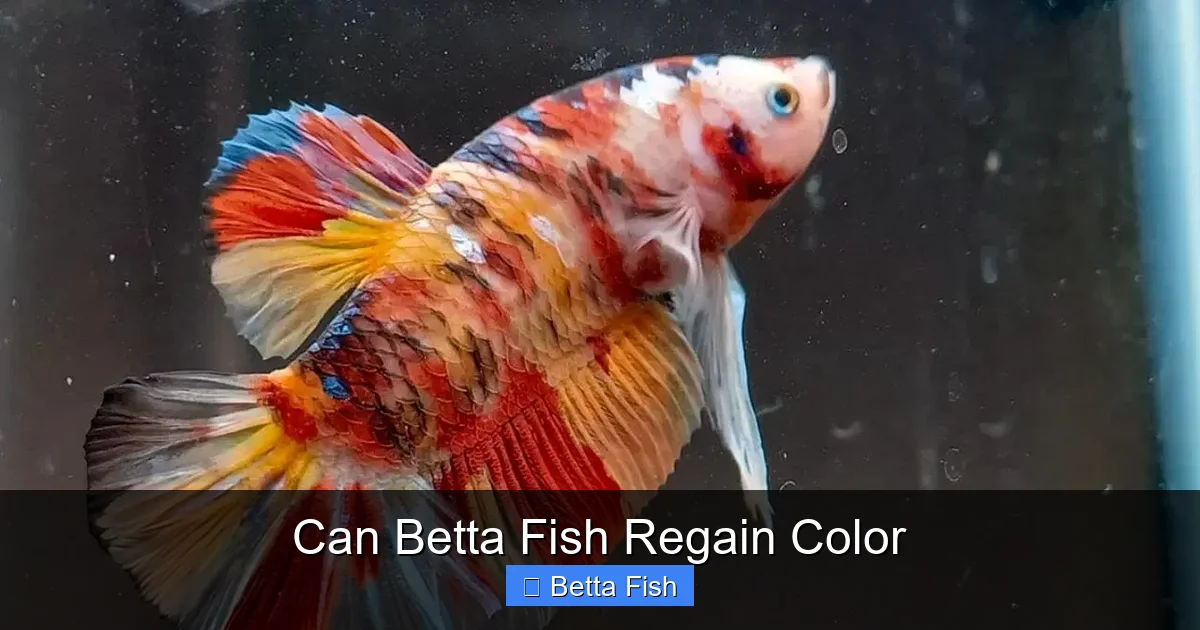
Yes, betta fish can often regain their color when the underlying cause of color loss is identified and properly addressed. Color changes in bettas are frequently linked to stress, poor water quality, illness, or aging. By optimizing their diet, maintaining pristine water conditions, and reducing environmental stressors, most betta fish can return to their stunning, vibrant appearance. This guide covers everything you need to know about why bettas lose color and how to help them shine again.
Key Takeaways
- Color loss is often reversible: In most cases, betta fish can regain their color once the root cause—such as stress, poor water quality, or illness—is resolved.
- Stress is the #1 culprit: Environmental stressors like aggressive tank mates, small tanks, and sudden changes are leading reasons bettas lose their vibrant hues.
- Water quality matters enormously: Ammonia, nitrite, and nitrate buildup can dull a betta’s color fast. Regular water changes and proper filtration are essential.
- Nutrition plays a key role: A diet rich in carotenoids and high-quality proteins helps betta fish maintain and restore their natural pigmentation.
- Some color change is natural: Marble bettas and aging bettas may shift colors over time due to genetics or age, which is not a health concern.
- Illness can cause fading: Diseases like ich, fin rot, and velvet often cause color loss as a symptom, requiring prompt treatment.
- Patience is essential: Restoring a betta’s color can take days to weeks depending on the cause, so consistent care and observation are critical.
📑 Table of Contents
- Can Betta Fish Regain Color? Here’s What Every Betta Owner Needs to Know
- Why Do Betta Fish Lose Their Color?
- How to Help Your Betta Fish Regain Color
- Preventing Future Color Loss
- When Color Loss Is Permanent
- Frequently Asked Questions About Betta Fish Color
- Final Thoughts: Can Betta Fish Regain Color?
Can Betta Fish Regain Color? Here’s What Every Betta Owner Needs to Know
You bring home a gorgeous betta fish—electric blue fins, a fiery red body, and colors so vivid they look painted on. But then, over days or weeks, something changes. The once-brilliant hues start to fade. Your betta looks washed out, pale, or even white in patches. Panic sets in. What went wrong?
First, take a breath. Color loss in betta fish is one of the most common concerns among owners, and the good news is that in most cases, betta fish can regain their color. The key is figuring out why the color faded in the first place. Once you identify the cause and take corrective action, your betta’s natural vibrancy often returns.
In this comprehensive guide, we’ll walk you through every reason bettas lose color, how to fix each issue, and what you can do to keep your fish looking its absolute best for years to come. Whether you’re a first-time betta owner or a seasoned aquarist, this article has something for you.
Why Do Betta Fish Lose Their Color?
Before we talk about solutions, it’s important to understand the “why.” Color loss in betta fish isn’t random—it’s almost always a signal that something in their environment or health needs attention. Think of it like a check-engine light for your fish.
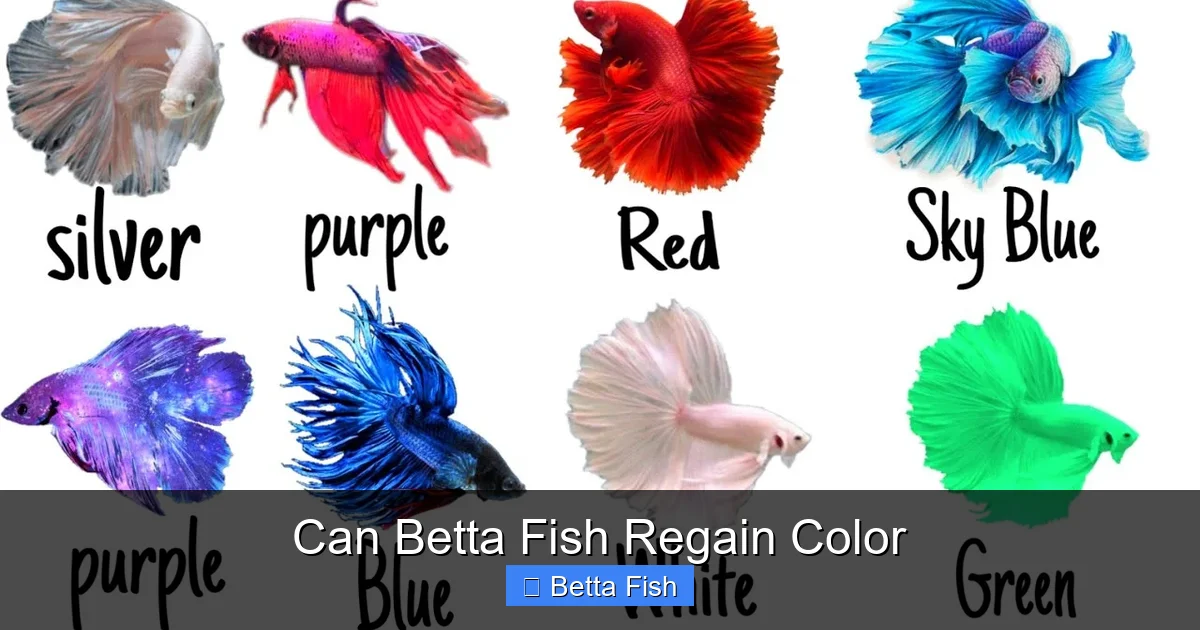
Visual guide about Can Betta Fish Regain Color
Image source: i.ytimg.com
Stress and Environmental Factors
Stress is the single most common reason betta fish lose their color. Bettas are sensitive creatures, and even small disruptions to their environment can trigger a stress response that shows up as fading or dullness. Common stressors include:
- Small or unsuitable tanks: Keeping a betta in a tiny bowl or unfiltered container is one of the fastest ways to stress them out. If you’ve ever wondered whether you can keep a betta fish in a bowl, the answer is that it’s strongly discouraged—bowls lack proper heating, filtration, and swimming space.
- Aggressive tank mates: Bettas are territorial, especially males. Housing them with fin-nippers or overly active fish causes chronic stress. Even choosing the wrong tank mates for betta fish can lead to constant chasing and hiding.
- Sudden environmental changes: Drastic shifts in temperature, pH, or lighting can shock a betta’s system and cause rapid color loss.
- Loud noises and vibrations: Placing a tank near a speaker, TV, or high-traffic area can keep a betta in a constant state of alert.
Poor Water Quality
Water quality is everything for betta fish. They live in that water 24/7, so any imbalance hits them hard and fast. Ammonia spikes, high nitrite levels, and excessive nitrates are the usual suspects behind color fading. These toxins build up quickly in small, unfiltered tanks and can cause:
- Pale or washed-out coloration
- Lethargy and loss of appetite
- Clamped fins (fins held tight against the body)
- Gasping at the water surface
The ideal water parameters for bettas are: temperature between 76–82°F (24–28°C), pH between 6.5–7.5, ammonia and nitrite at 0 ppm, and nitrates below 20 ppm. Testing your water weekly with a liquid test kit is one of the best habits you can develop as a betta owner.
Illness and Disease
Several common betta diseases cause color loss as a primary symptom. If your betta is fading and also showing other warning signs, illness may be the cause:
- Ich (White Spot Disease): Tiny white spots resembling salt grains on the body and fins, often accompanied by color fading and scratching against objects.
- Velvet: A gold or rust-colored dusting on the skin, clamped fins, and rapid color loss. This parasitic infection can be fatal if untreated.
- Fin Rot: Frayed, disintegrating fins that may turn white or black at the edges. As the infection progresses, the betta’s overall color can dull significantly.
- Dropsy: Pinecone-like scales due to fluid retention. Bettas with dropsy often turn pale or grayish.
- Columnaris: White or gray patches on the mouth, fins, and body that can cause localized color loss.
If you suspect illness, quarantine the betta if possible and begin appropriate treatment immediately. Early intervention dramatically improves recovery chances—and the likelihood that your betta will regain color.
Nutritional Deficiencies
What you feed your betta directly impacts their color. Bettas are carnivorous fish that need a protein-rich diet with specific nutrients to maintain their pigmentation. A diet consisting solely of low-quality flakes or an incomplete feeding regimen can lead to gradual color fading over time.
Carotenoids are particularly important. These natural pigments—found in foods like shrimp, daphnia, and high-quality betta pellets—are responsible for the reds, oranges, and yellows in your betta’s coloration. Without adequate carotenoid intake, these warm tones can fade noticeably.
For a complete breakdown of proper betta nutrition, check out our guide on what betta fish can eat to ensure you’re covering all the nutritional bases.
Aging
Just like humans gray as they age, betta fish can lose some of their vibrancy over time. Most bettas live 3–5 years, and as they enter their later years, it’s normal for their colors to soften slightly. This is a natural process and not a cause for concern. An older betta with slightly muted colors but good appetite, active swimming, and clear eyes is simply aging gracefully.
Genetics and the Marble Gene
Some bettas carry what’s known as the “marble gene,” which causes them to change colors throughout their lives. A marble betta might be blue one month and white the next, or develop new patches of red or black over time. This is completely normal and not a sign of illness or stress.
If you’re curious about this fascinating phenomenon, our article on whether betta fish can change color dives deep into the genetics behind it.
How to Help Your Betta Fish Regain Color
Now that you know the causes, let’s talk solutions. Helping your betta regain color is about addressing the root problem and then giving their body the resources it needs to recover.
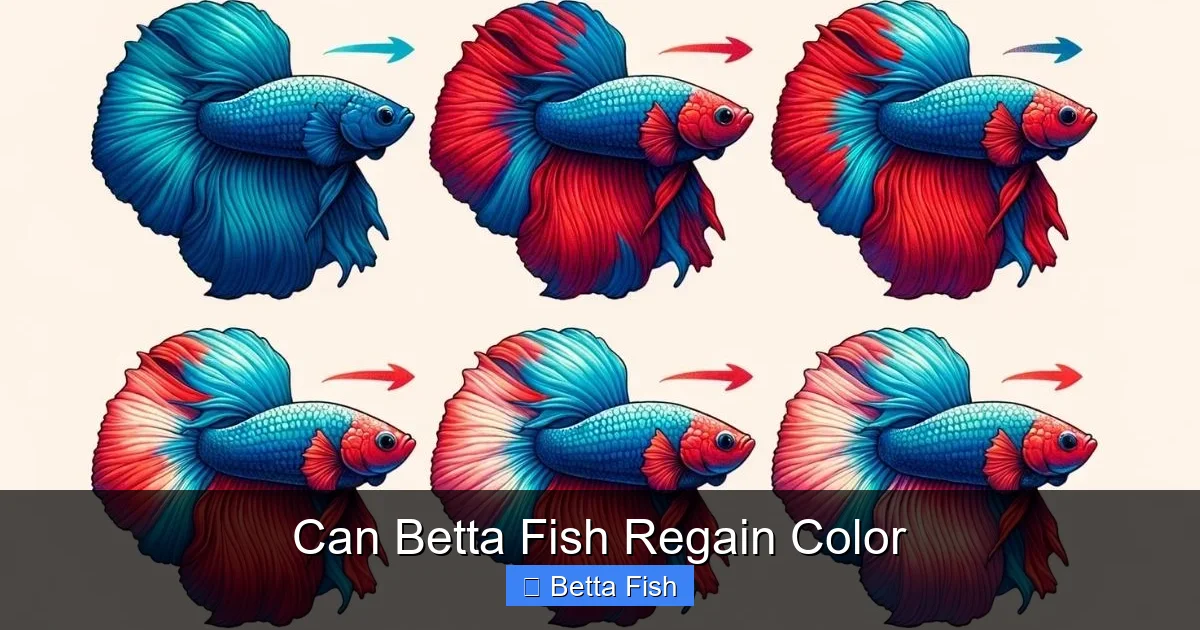
Visual guide about Can Betta Fish Regain Color
Image source: colorvisit.com
Step 1: Optimize Water Conditions
This is always the first step, regardless of the suspected cause. Even if stress or illness is the primary issue, poor water quality will make everything worse. Here’s your action plan:
- Perform a 25–50% water change immediately if you haven’t done one recently. Use a water conditioner to remove chlorine and chloramines.
- Test your water for ammonia, nitrite, nitrate, and pH. Address any imbalances you find.
- Ensure proper filtration. A gentle sponge filter is ideal for bettas—it keeps water clean without creating strong currents.
- Maintain a stable temperature between 76–82°F using an adjustable heater. Bettas are tropical fish and cold water suppresses their immune system and dulls their color.
- Establish a weekly water change routine. For a 5-gallon tank, a 25% weekly change is usually sufficient. Smaller tanks need more frequent changes.
Step 2: Reduce Stress
Once your water is clean, look at the betta’s environment and identify any stress triggers:
- Upgrade the tank size. A minimum of 5 gallons is recommended for a single betta. More space means more stable water parameters and less stress.
- Add hiding spots. Live plants, silk plants, caves, and betta hammocks give your fish places to retreat and feel secure.
- Remove aggressive tank mates. If your betta is being harassed, separate the fish immediately. Chronic stress from bullying is a major cause of color loss.
- Dim the lighting. Bettas prefer subdued light. If your tank light is very bright, reduce the duration or add floating plants to create shade.
- Minimize disturbances. Keep the tank in a calm area away from loud sounds, direct sunlight, and heavy foot traffic.
Step 3: Improve the Diet
Nutrition is a powerful tool for color restoration. Here’s how to feed your betta for maximum vibrancy:
- Choose high-quality betta pellets as a staple food. Look for brands with whole fish meal or shrimp as the first ingredient, and avoid fillers like wheat and corn.
- Supplement with frozen or live foods 2–3 times per week. Bloodworms, brine shrimp, and daphnia are excellent choices that are rich in carotenoids and protein.
- Avoid overfeeding. Bettas have tiny stomachs—about the size of their eye. Feed 2–3 pellets twice daily, and skip one day per week to prevent bloating and water quality issues.
- Consider color-enhancing foods. Some betta foods are specifically formulated with added carotenoids and spirulina to boost coloration.
Step 4: Treat Any Illness
If your betta is showing signs of disease beyond color loss, prompt treatment is essential:
- For ich: Raise the temperature gradually to 82–84°F and treat with an ich medication containing malachite green or copper. Remove activated carbon from your filter during treatment.
- For velvet: Dim the lights (velvet parasites are photosynthetic) and treat with copper-based medication or acriflavine.
- For fin rot: Clean water is the best medicine for mild cases. For severe infections, use an antibiotic treatment like erythromycin or a dedicated fin rot medication. You might also want to read about whether betta fish fins can grow back, since fin rot often causes significant fin damage alongside color loss.
- For dropsy: This is very difficult to treat, but Epsom salt baths and antibiotics like kanamycin may help in early stages.
Always follow medication instructions carefully and complete the full course of treatment, even if your betta starts looking better partway through.
Step 5: Be Patient and Consistent
Color restoration doesn’t happen overnight. Depending on the cause, it can take anywhere from a few days to several weeks for your betta’s full color to return. During this time:
- Maintain excellent water quality with regular changes
- Keep feeding a nutritious, varied diet
- Minimize handling and disturbances
- Observe your betta daily for signs of improvement or new symptoms
- Take weekly photos in consistent lighting to track progress—sometimes the change is gradual enough that you won’t notice it day-to-day
Preventing Future Color Loss
Once your betta has regained their color, you’ll want to keep it that way. Prevention is always easier than treatment, and a few simple habits go a long way.
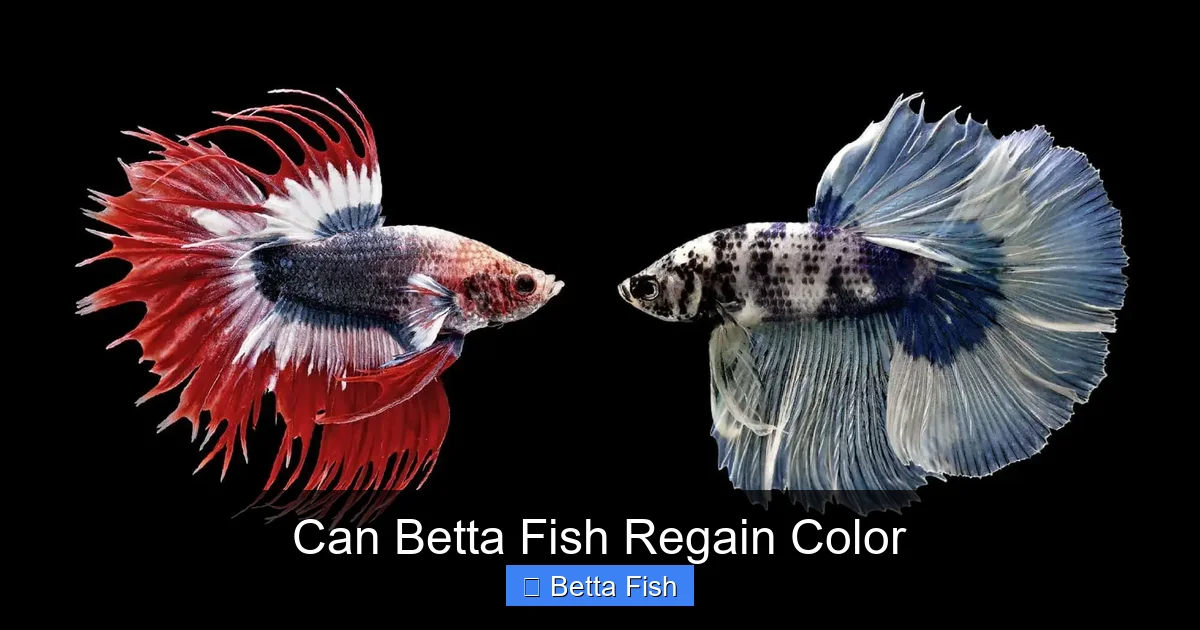
Visual guide about Can Betta Fish Regain Color
Image source: bettasource.com
Maintain a Consistent Care Routine
Bettas thrive on consistency. Feed them at the same times each day, perform water changes on a regular schedule, and keep their environment stable. Sudden changes—even well-intentioned ones like a complete tank overhaul—can stress your betta and trigger color loss.
Monitor Water Parameters Weekly
Don’t wait for problems to appear. Test your water weekly so you can catch issues like ammonia spikes or pH swings before they affect your betta’s health and appearance. A small investment in a liquid test kit (like the API Master Test Kit) pays for itself many times over.
Provide Environmental Enrichment
A bored betta is a stressed betta. Keep your fish engaged with:
- Live plants like java fern, anubias, and hornwort
- A varied landscape with caves, tunnels, and resting spots near the surface
- Occasional introduction of safe, novel objects (like a clean terracotta pot or a new silk plant)
- Gentle interaction—many bettas enjoy following your finger along the glass or exploring a betta-safe mirror for a few minutes
Choose Tank Mates Carefully
If you want to add companions to your betta’s tank, research thoroughly first. Not every fish is compatible with bettas, and a bad pairing can cause chronic stress that leads to color loss and other health problems. Peaceful, non-aggressive species that occupy different areas of the tank tend to work best.
When Color Loss Is Permanent
While most color loss is reversible, there are situations where a betta may not fully regain their original vibrancy:
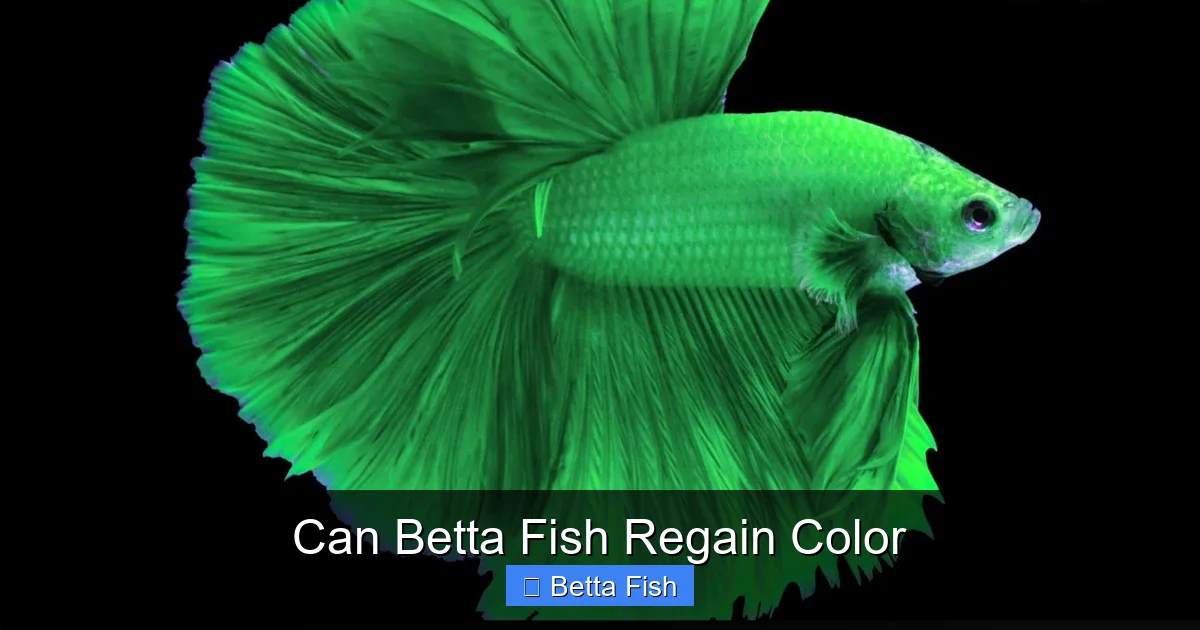
Visual guide about Can Betta Fish Regain Color
Image source: buildyouraquarium.com
- Severe or prolonged illness: If a disease was left untreated for too long, it can cause permanent damage to the fish’s pigment cells.
- Advanced age: Older bettas naturally lose some color, and this is irreversible.
- Genetic factors: Some bettas simply have less stable coloration due to their breeding. Mass-produced bettas from large-scale farms may have weaker genetics that result in less vibrant or less stable colors.
- Physical trauma: Severe injuries can damage the skin and pigment cells in affected areas, leading to permanent white or discolored patches.
Even in these cases, providing excellent care ensures your betta lives a comfortable, happy life. Color is just one aspect of a betta’s beauty—their personality, fin shape, and activity level matter just as much.
Frequently Asked Questions About Betta Fish Color
Let’s address some of the most common questions betta owners ask about color changes and restoration.
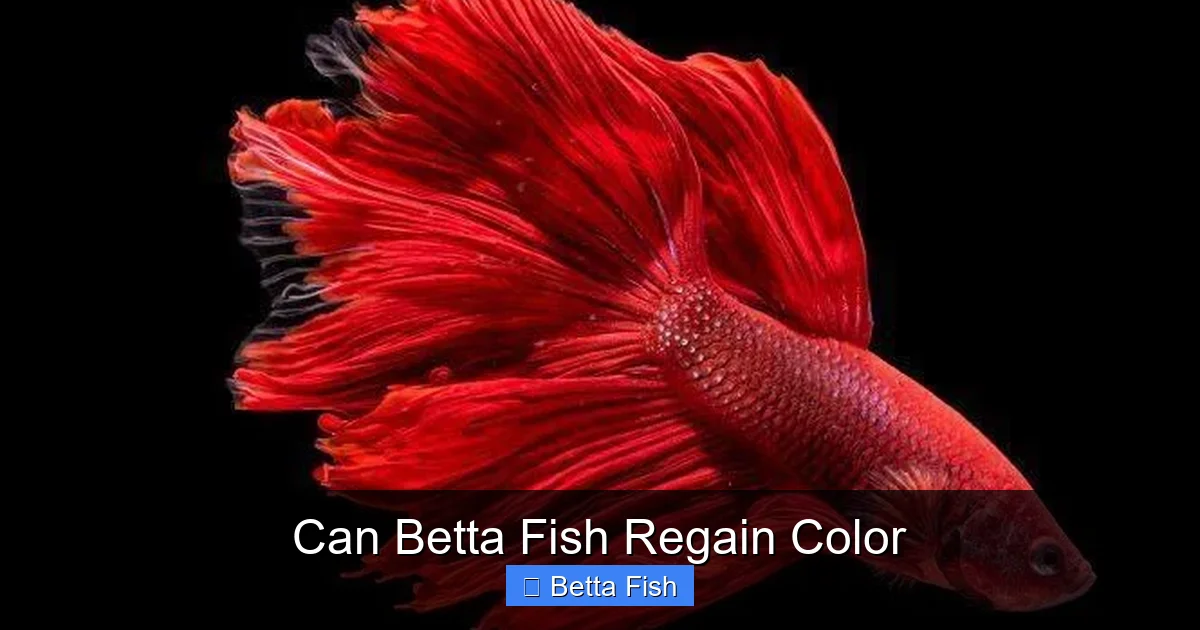
Visual guide about Can Betta Fish Regain Color
Image source: i5.walmartimages.com
How long does it take for a betta to regain color?
It depends on the cause. If the color loss is due to a temporary stressor—like a water change with slightly different parameters—your betta might bounce back within a day or two. For illness-related color loss, it can take 1–3 weeks after treatment begins. Nutritional improvements may show results within 2–4 weeks. The key is addressing the root cause and then giving your betta’s body time to recover.
Can stress stripes be mistaken for color loss?
Absolutely. Stress stripes are horizontal lines that appear on a betta’s body when they’re stressed or frightened. They’re often mistaken for a color change or illness. Female bettas display stress stripes more prominently, but males can have them too. These stripes are different from the vertical breeding stripes females display when ready to spawn. If you see stress stripes, evaluate your betta’s environment for stressors and address them.
Do betta fish change color as they grow?
Yes, many bettas go through color changes as they mature. Young bettas often don’t display their full adult coloration until they’re several months old. Some bettas develop more intense colors over time, while others may shift hues slightly. This is a normal part of development and not a cause for concern.
Can I use aquarium salt to help my betta regain color?
Aquarium salt can be beneficial in small doses for certain conditions (like mild fin rot or stress), but it’s not a color-restoration treatment. Use it sparingly—1 teaspoon per gallon—and only for short periods. Overuse of salt can damage a betta’s kidneys and actually worsen their condition. Always dissolve the salt in water before adding it to the tank.
Final Thoughts: Can Betta Fish Regain Color?
The answer is a resounding yes—in the vast majority of cases, betta fish can regain their color when given the right care. Color loss is your betta’s way of telling you something is off, and once you listen and take action, the recovery process usually begins quickly.
Visual guide about Can Betta Fish Regain Color
Image source: coloringpagesonly.com
Start with water quality, since it’s the foundation of betta health. Then address stress, nutrition, and any potential illness. Be patient, be consistent, and don’t be afraid to seek help from experienced betta keepers or aquatic veterinarians if you’re unsure about a diagnosis.
Your betta’s vibrant colors are a reflection of their overall health and happiness. By providing a clean, enriching, stress-free environment and a nutritious diet, you’re not just helping them regain color—you’re giving them the best possible life. And there’s nothing more rewarding than watching your betta flare those brilliant fins, knowing you helped them shine again.
Frequently Asked Questions
Can betta fish regain color after stress?
Yes, betta fish can absolutely regain color after stress. Once the stressor is removed—whether it’s aggressive tank mates, poor water conditions, or an unsuitable environment—most bettas will return to their normal coloration within a few days to a couple of weeks.
What causes a betta fish to lose color suddenly?
Sudden color loss in betta fish is usually caused by acute stress, a rapid change in water parameters, or the onset of illness. Ammonia spikes, temperature shock, and bullying from tank mates are among the most common triggers for rapid color fading.
Can a betta fish regain color after illness?
In most cases, yes. Once the underlying illness is properly treated and the betta’s immune system recovers, their color typically returns. However, severe or prolonged illness can sometimes cause permanent color changes, especially if pigment cells were damaged.
Does diet affect betta fish color?
Diet has a significant impact on betta fish color. Foods rich in carotenoids—such as brine shrimp, bloodworms, and daphnia—help maintain and enhance red, orange, and yellow pigments. A varied, high-quality diet is one of the most effective ways to keep your betta’s colors vibrant.
Is color loss in betta fish always a sign of illness?
No, color loss isn’t always caused by illness. Stress, poor water quality, aging, genetics (like the marble gene), and even normal maturation can all cause color changes. It’s important to look at the full picture—including behavior, appetite, and water parameters—before assuming illness.
How can I prevent my betta fish from losing color?
Prevent color loss by maintaining excellent water quality with regular changes, feeding a varied and nutritious diet, keeping the tank at a stable warm temperature, minimizing stress, and choosing compatible tank mates. Weekly water testing and a consistent care routine are your best prevention tools.