How You Get a Female Betta Fish Pregnant
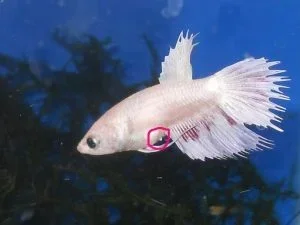
A female betta fish doesn’t get pregnant in the traditional sense. Instead, she carries and releases eggs that a male betta fertilizes externally. Understanding this unique process is essential for any fish keeper looking to breed bettas successfully. This guide walks you through every step, from recognizing pregnancy signs to setting up the right breeding tank.
Have you ever wondered how a female betta fish gets pregnant? It is a fascinating process that is very different from what happens with mammals. Unlike dogs or cats, betta fish do not carry live young inside their bodies. Instead, the female releases eggs, and the male fertilizes them outside her body. This process is called spawning, and it is one of the most rewarding experiences for fish keepers.
If you are new to betta breeding, the whole thing can feel confusing at first. But once you understand the basics, it all makes sense. In this guide, we will walk you through everything step by step. You will learn how to tell if your female is carrying eggs, how to set up a breeding tank, and what to do after the eggs are released. Whether you are a curious beginner or an experienced hobbyist, this article has something valuable for you.
Knowing how to properly manage the breeding process also helps keep your fish healthy. Betta fish care goes hand in hand with successful breeding. A well-prepared fish keeper is far more likely to have a smooth spawning experience. Let us dive right in.
Key Takeaways
- Female betta fish are egg layers, not livebearers: They release eggs that a male fertilizes outside the body.
- Look for a white egg spot and swollen belly: These are the most common signs a female betta is carrying eggs.
- A proper breeding tank setup is critical: Water temperature, hiding spots, and gentle filtration all matter.
- The male builds a bubble nest: This is where fertilized eggs are collected and kept safe during development.
- Separate the female after spawning: The male may become aggressive, so removing the female protects her health.
- Proper care before and after breeding leads to better results: Feeding and water quality play a huge role.
📑 Table of Contents
Understanding How Female Betta Fish Get Pregnant
The term “pregnant” is used loosely when it comes to betta fish. Female bettas do not grow babies inside them. Instead, they produce eggs that need to be fertilized by a male. The male then collects the fertilized eggs and places them in a bubble nest. This is a natural process that has been perfected over thousands of years.
The Egg-Laying Process Explained
When a female betta is ready to release eggs, her body prepares them internally. The eggs develop inside her ovipositor, which is a small tube-like organ. Once she is ready, the male will wrap his body around hers in a behavior called spawning embrace. During this embrace, the female releases eggs, and the male fertilizes them at the same time. This usually happens multiple times over several hours.
After spawning, the male chases the female away. He focuses on gathering the eggs and placing them gently into the bubble nest. The female plays no further role after this point. This is why it is so important to remove her from the breeding tank once spawning is complete.
Why People Say Betta Fish Get “Pregnant”
The word “pregnant” is commonly used because a female betta fish looks swollen when she is full of eggs. Her belly becomes round and firm. Many fish keepers use this term out of habit, even though it is not technically accurate. As long as you understand the real process, the label does not matter much. What matters is knowing how to care for your fish during this time.
If you want to learn more about how long betta fish carry eggs before releasing them, check out our article on Can Female Betta Fish Get Pregnant.
Signs That Your Female Betta Fish Is Carrying Eggs
Spotting the early signs of a gravid (egg-carrying) female betta is an important skill. The sooner you notice these signs, the better prepared you will be for the breeding process. Here are the most reliable indicators to watch for.
The White Egg Spot
Look closely at the underside of your female betta. You should see a small white dot near her vent area. This is called the ovipositor, and it is where the eggs will exit her body. This spot becomes more visible when she is carrying eggs. If you do not see it right away, try looking at her from slightly below. Sometimes the angle makes all the difference.
Swollen or Rounded Belly
A female carrying eggs will have a noticeably rounder belly than usual. The swelling should look firm and even. If the belly looks bloated or uneven, that could be a sign of illness instead. It is important to tell the difference between a healthy egg load and a potential health problem. A fish carrying eggs will still eat normally and swim actively. A sick fish may refuse food or hide in corners.
Changes in Behavior
Many female bettas become more active when they are carrying eggs. You might notice her flaring at tank mates or swimming with more energy. Some females also start searching for hiding spots, which is a natural instinct before spawning. If your usually calm betta suddenly seems restless, that could be a clue.
Color Changes
In some cases, a female betta’s colors may become more vivid when she is ready to breed. This is especially true for females who already have bright coloration. The breeding bars, which are faint horizontal stripes on the body, may also become more visible. These bars are a sign that she is ready to mate.
How to Prepare for Breeding Your Betta Fish
Breeding betta fish requires some planning and preparation. You cannot simply toss a male and female together and hope for the best. A proper setup makes all the difference between a successful spawn and a stressful experience for your fish.
Setting Up the Breeding Tank
The breeding tank should be at least 10 gallons. Use a sponge filter to keep the water clean without creating strong currents. Bettas prefer calm water, and a powerful filter can stress both the male and female. Keep the water temperature between 78 and 82 degrees Fahrenheit. This warmth encourages breeding behavior and helps the eggs develop properly.
Add a few floating plants or a spawning mop. These give the male something to attach his bubble nest to. The nest is essential because it holds the fertilized eggs in a safe, oxygen-rich environment. Without it, the eggs would sink and likely die.
Conditioning the Fish Before Breeding
Before introducing the pair, you should condition them with high-quality food. Feed both the male and female live or frozen brine shrimp and bloodworms for about one to two weeks. This helps bring them into peak breeding condition. A well-fed female produces healthier eggs, and a well-fed male builds a stronger bubble nest.
During conditioning, keep the male and female in separate tanks. This prevents them from stressing each other out before the actual breeding day. You can use a clear divider so they can see each other. This builds anticipation and often triggers breeding behavior.
Introducing the Pair
Once both fish look healthy and active, you can introduce them to the breeding tank. Watch their interactions closely. Some chasing is normal, but if the male bites the female’s fins or she looks injured, separate them immediately. A successful pairing involves the male building a bubble nest and the female showing interest in it.
For more tips on keeping your female betta happy and healthy before breeding, visit our guide on Can You Put a Female Betta Fish With Other Fish.
The Spawning Process: What Happens Step by Step
The actual spawning process is quick but fascinating to watch. Understanding what happens during each stage helps you know when to intervene and when to let nature take its course.
Step 1: Bubble Nest Building
The male starts building the bubble nest first. He blows tiny bubbles from his mouth and mixes them with saliva to make them sticky. The nest usually forms near the surface of the water, often under a leaf or floating plant. A healthy nest can be several inches wide. If the male is not building a nest, it may mean he is not ready or the conditions are not ideal.
Step 2: The Spawning Embrace
Once the nest is ready, the male will start courting the female. He will flare his fins and wrap his body around hers. This is the spawning embrace. The female releases a small batch of eggs each time, and the male fertilizes them right away. This process repeats many times over a period of one to two hours. A healthy female can release anywhere from 30 to 500 eggs in a single session.
Step 3: Egg Collection
After each embrace, the male will carefully pick up the fertilized eggs in his mouth and place them in the bubble nest. He works quickly and with great care. The female usually rests on the bottom of the tank during this time. Once all the eggs are collected, the male becomes very protective of them.
Step 4: Removing the Female
This is a critical step. The male can become aggressive toward the female once the eggs are safe in the nest. He may chase her and bite her fins. To keep the female safe, gently remove her from the breeding tank. Use a soft net and move slowly to avoid startling the male. The female can return to her regular tank and recover.
Caring for the Eggs and Fry
Once the female is removed, the male takes over all parenting duties. He will guard the bubble nest and repair it if any eggs fall out. He also picks up any eggs that drop and places them back in the nest. This behavior is completely normal and should not be interrupted.
The eggs typically hatch within 24 to 48 hours. During this time, keep the water quality high and avoid making sudden changes. The male may stop eating during this period, which is also normal. Do not disturb the tank too much. After hatching, the fry (baby bettas) will fall to the bottom of the tank. The male will continue to retrieve them and place them back in the nest.
After about three to four days, the fry will start swimming freely. At this point, you should remove the male from the tank. He may start eating the fry if he gets hungry. Feed the baby bettas infusoria or liquid fry food for the first week. As they grow, you can gradually introduce baby brine shrimp. Keeping the water clean and warm is essential for their survival.
Proper betta fish care during the fry stage is just as important as during the breeding process. For more detailed guidance on raising healthy betta fish, check out our article on How Do You Care For A Betta Fish.
Common Mistakes to Avoid When Breeding Betta Fish
Breeding betta fish can go wrong if you make common mistakes. Learning from other people’s errors can save you time, money, and most importantly, the lives of your fish.
- Skipping the conditioning phase: Underfed fish produce fewer and weaker eggs. Always condition both the male and female for at least one week before breeding.
- Using too small a tank: A cramped breeding tank causes stress and reduces the chances of success. A 10-gallon tank is the minimum recommended size.
- Ignoring water quality: Dirty water can cause the eggs to fungus and fail. Test your water parameters regularly and keep ammonia and nitrite levels at zero.
- Leaving the female in too long: The male can hurt the female if she stays in the tank after spawning. Remove her as soon as the process is complete.
- Disturbing the bubble nest: The male needs a stable environment to care for the eggs. Avoid tapping on the tank or making loud noises near the breeding setup.
When to Seek Help
Not every breeding attempt goes smoothly. If the female looks sick after spawning, check for signs of stress or infection. Loss of color, clamped fins, and refusal to eat are warning signs. If the male stops tending to the bubble nest for an extended period, the eggs may not survive. In these cases, you may need to step in and manually move the eggs to a separate hatching container. For more information on recognizing when your betta is unwell, read our article on How Do You Know A Betta Fish Is Dying.
Breeding betta fish is a rewarding hobby that teaches you a lot about fish behavior and biology. The process of how a female betta fish gets pregnant and releases eggs is just the beginning. From there, you get to watch the male care for the eggs and eventually see tiny fry swimming around. It is a journey that requires patience, preparation, and a genuine love for these beautiful creatures.
Remember that not every breeding attempt will be successful, and that is okay. Even experienced breeders sometimes lose batches of eggs or deal with aggressive behavior. The key is to learn from each experience and keep improving your setup. With time, you will become more confident and skilled at helping your bettas through the entire breeding process.
Take your time, enjoy the process, and always put the health and safety of your fish first. A successful spawn is a wonderful thing to witness, and the knowledge you gain along the way makes it all worthwhile.
Frequently Asked Questions
Can a female betta fish get pregnant without a male?
No, a female betta fish cannot get pregnant without a male. She can carry eggs internally, but those eggs will not be fertilized without a male to release milt during spawning. Unfertilized eggs will not develop into fry and will eventually be reabsorbed by the female’s body.
How long is a female betta fish pregnant for?
Technically, a female betta is not pregnant in the traditional sense. She carries eggs internally for about one to two weeks before releasing them during spawning. The entire breeding process, from courtship to egg release, usually takes place over the course of a few hours once the pair is introduced.
How many eggs does a female betta fish release at once?
A healthy female betta can release anywhere from 30 to 500 eggs in a single spawning session. The exact number depends on her age, size, diet, and overall health. Younger, well-conditioned females tend to produce more eggs than older or underfed ones.
Do female betta fish eat their own eggs?
Female bettas do not typically eat their own eggs because they are removed from the breeding tank after spawning. However, if a female is left in the tank, she may eat unfertilized eggs. The male is the primary guardian of the fertilized eggs and the bubble nest.
What should I feed a female betta before breeding?
Feed the female high-quality live or frozen foods like brine shrimp, bloodworms, and daphnia. These foods are rich in protein and help her produce healthy eggs. Start conditioning her about two weeks before you plan to introduce her to the male. Avoid overfeeding, as excess food can foul the water.
Can I keep a male and female betta fish together permanently?
It is not recommended to keep a male and female betta fish together permanently except during breeding. Outside of spawning, they are likely to fight and injure each other. The male becomes territorial, and the female can become stressed. Always separate them once the breeding process is complete.
=== CONCLUSION ===
Understanding how a female betta fish gets pregnant is the first step toward successful breeding. From recognizing the signs of a gravid female to setting up the perfect breeding tank, every detail matters. The process is not as simple as it looks, but with patience and proper preparation, you can guide your fish through a healthy spawning experience. Remember to condition both the male and female, monitor water quality closely, and always prioritize the safety of your fish. Whether you are breeding for fun or as a serious hobby, the rewards of watching betta fry grow and thrive are truly special.