Can Betta Fish Over Eat
Yes, betta fish can absolutely overeat, which poses serious risks to their health and lifespan. Overfeeding leads to digestive problems, poor water quality, and even fatal conditions. Understanding proper portion sizes and feeding schedules is essential for every betta owner. This guide covers everything you need to know about preventing overeating in your betta fish.
If you have ever owned a betta fish, you know how exciting it is to watch them swim up to the surface when you approach the tank. Their enthusiasm for feeding time is adorable. But here is a question that trips up a lot of betta owners — can betta fish overeat?
The short answer is yes, they absolutely can. In fact, overfeeding is one of the most common mistakes new betta owners make. Betta fish are natural survivors. In the wild, they don’t know when their next meal will come, so they eat whenever the opportunity presents itself. That instinct doesn’t change just because they are living in a cozy home aquarium.
The problem is that overeating can lead to a cascade of health problems that can seriously shorten your betta’s life. This article will walk you through everything you need to know about how and why betta fish overeat, the dangers involved, and exactly how to feed your fish the right way so they stay healthy and vibrant for years to come.
Key Takeaways
- Bettas can and do overeat: Betta fish have tiny stomachs and will eat whenever food is available, making overfeeding a common and dangerous problem.
- Overeating causes serious health issues: Constipation, swim bladder disease, fatty liver disease, and poor water quality are all direct results of overfeeding.
- Signs of overeating include: Bloated belly, lethargy, uneaten food sinking to the bottom, and stringy white feces.
- Feed small portions twice daily: A betta’s stomach is roughly the size of its eyeball, so 2-3 pellets per feeding is usually sufficient.
- Implement a fasting day: Skipping feeding one day per week helps prevent digestive issues and mimics natural eating patterns.
- Water quality suffers from overfeeding: Excess food decomposes and spikes ammonia levels, creating a toxic environment for your betta.
- Choose high-quality food: Premium pellets with protein as the first ingredient reduce waste and provide better nutrition per serving.
📑 Table of Contents
- Understanding a Betta Fish’s Digestive System
- The Dangers of Overeating in Betta Fish
- Signs Your Betta Fish Is Overeating
- How Much Should a Betta Fish Eat?
- Choosing the Right Food for Your Betta
- Common Feeding Mistakes to Avoid
- What to Do If You Have Overfed Your Betta
- Creating a Healthy Feeding Routine
- Conclusion
Understanding a Betta Fish’s Digestive System
Their Stomachs Are Tiny
One of the most important things to understand about betta fish anatomy is the size of their stomach. A betta’s stomach is approximately the same size as its eyeball. That is incredibly small. This means they simply cannot process large amounts of food at once. When you drop too many pellets into the tank, your betta will eat them all because their instinct tells them to. But their digestive system simply cannot handle that volume.
Think of it this way — imagine eating ten hamburgers in one sitting. You might do it because they are right in front of you, but your body would not thank you for it. The same principle applies to your betta fish, just on a much smaller scale.
They Are Opportunistic Feeders
In their natural habitat — shallow rice paddies, slow-moving streams, and ponds in Southeast Asia — betta fish eat insects, larvae, and small crustaceans. Food is not always abundant in these environments. So bettas evolved to eat whenever they can. This survival mechanism served them well in the wild, but in a home aquarium where food is plentiful, it becomes a real problem.
Your betta does not know that you will feed them again tomorrow. Every time food appears, their brain says “eat now, survive later.” This is why you should never judge how much to feed your betta based on how eagerly they eat. Their enthusiasm is not a reliable indicator of hunger.
The Dangers of Overeating in Betta Fish
Constipation and Digestive Blockage
The most immediate consequence of overeating in betta fish is constipation. When a betta consumes more food than its digestive system can process, the excess food sits in the gut and causes a blockage. You will notice your betta becoming lethargic, losing its appetite, and possibly developing a swollen belly.
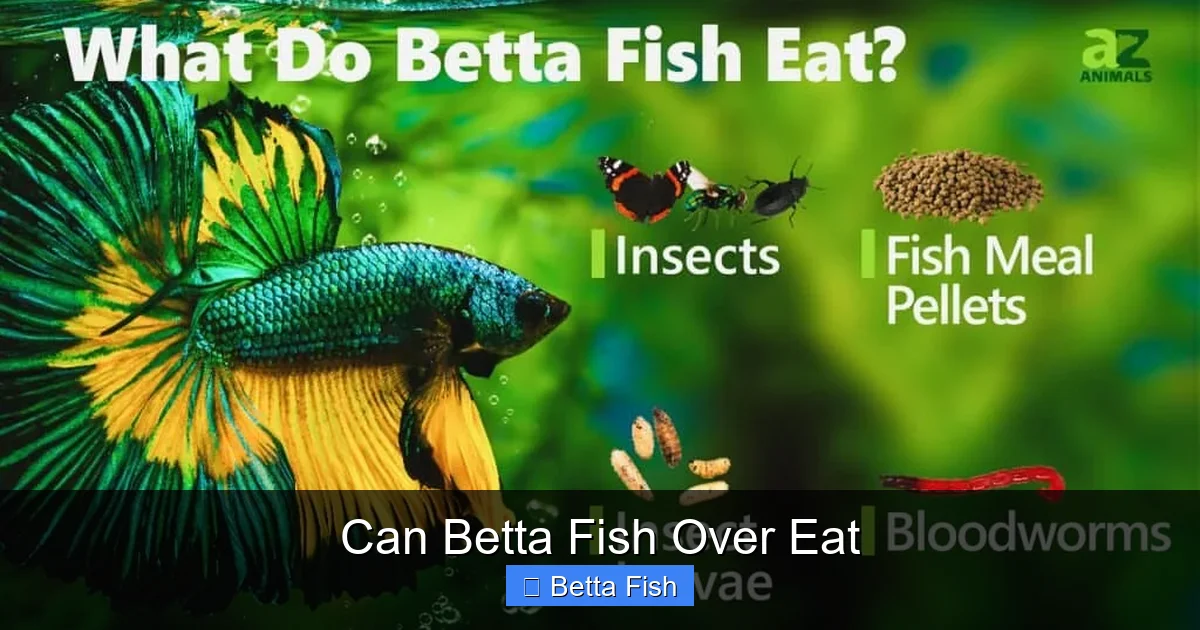
Visual guide about Can Betta Fish Over Eat
Image source: a-z-animals.com
Constipation might sound minor, but for a small fish, it can be very serious. A blocked digestive system puts pressure on other organs, including the swim bladder, which controls buoyancy. If left untreated, constipation can lead to swim bladder disease, making it difficult or impossible for your betta to swim normally.
Swim Bladder Disease
Swim bladder disease is one of the most common conditions in betta fish, and overfeeding is a leading cause. The swim bladder is a gas-filled organ that helps fish maintain their position in the water. When a betta overeats, the swollen digestive tract compresses the swim bladder, disrupting its function.
A betta with swim bladder disease may swim sideways, float to the top involuntarily, sink to the bottom, or struggle to maintain a normal upright position. While swim bladder disease can sometimes be treated by fasting the fish for a few days and then offering a small amount of cooked, de-shelled pea, prevention through proper feeding is always the best approach.
Fatty Liver Disease
Just like humans, betta fish can develop fatty liver disease from a poor diet and overeating. When a betta consistently consumes more calories than it needs, the excess is stored as fat in the liver. Over time, this can impair liver function and lead to organ failure.
Fatty liver disease is particularly dangerous because the symptoms are not always obvious in the early stages. By the time you notice your betta looking pale, bloated, or behaving unusually, significant damage may have already occurred. This is another reason why prevention through proper feeding is so critical.
Poor Water Quality
Overfeeding does not just affect your betta directly. It also has a major impact on the water quality in your tank. Any food that your betta does not eat will sink to the bottom and begin to decompose. As it breaks down, it releases ammonia, nitrites, and nitrates into the water.
Elevated ammonia levels are toxic to fish. Even low levels of ammonia can burn your betta’s gills, damage their fins, and stress their immune system. A stressed betta is far more susceptible to diseases like fin rot, ich, and velvet. If you notice your tank water becoming cloudy or developing a foul smell, overfeeding is often the culprit.
Signs Your Betta Fish Is Overeating
Visible Bloating
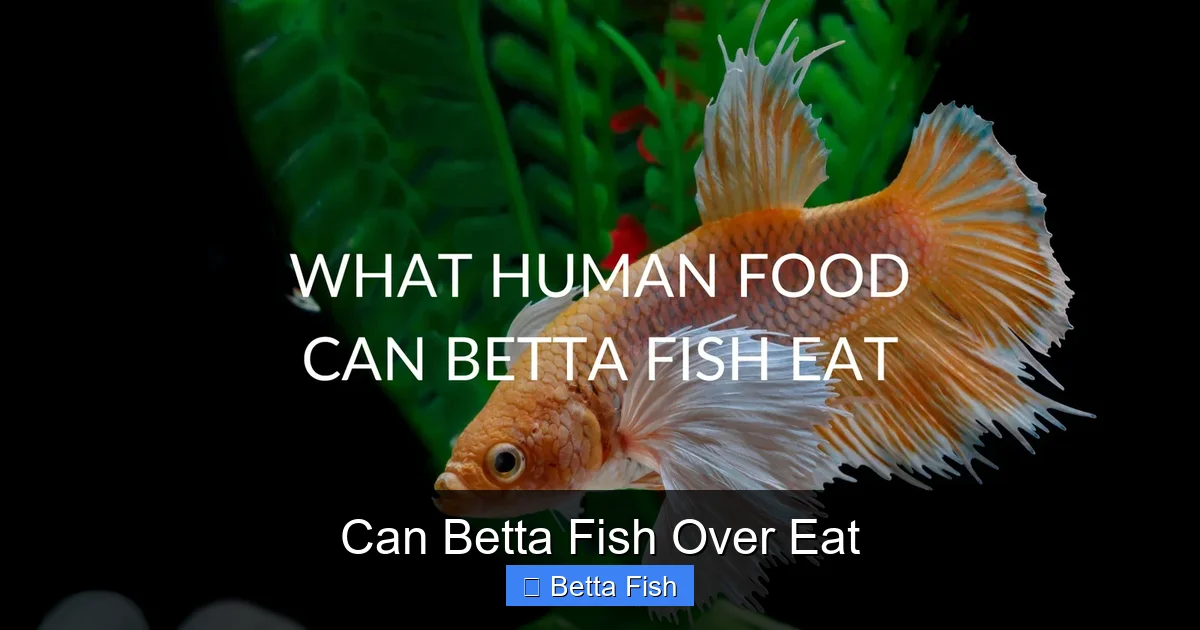
The most obvious sign of overeating is a bloated or swollen belly. A healthy betta should have a smooth, streamlined body shape. If your betta’s abdomen appears distended or rounded, especially after feeding, it is likely eating too much. Some bloating is normal immediately after a meal, but if the swelling persists for more than a few hours, you need to cut back on portions.
Visual guide about Can Betta Fish Over Eat
Image source: bettacarefishguide.com
Uneaten Food Accumulating
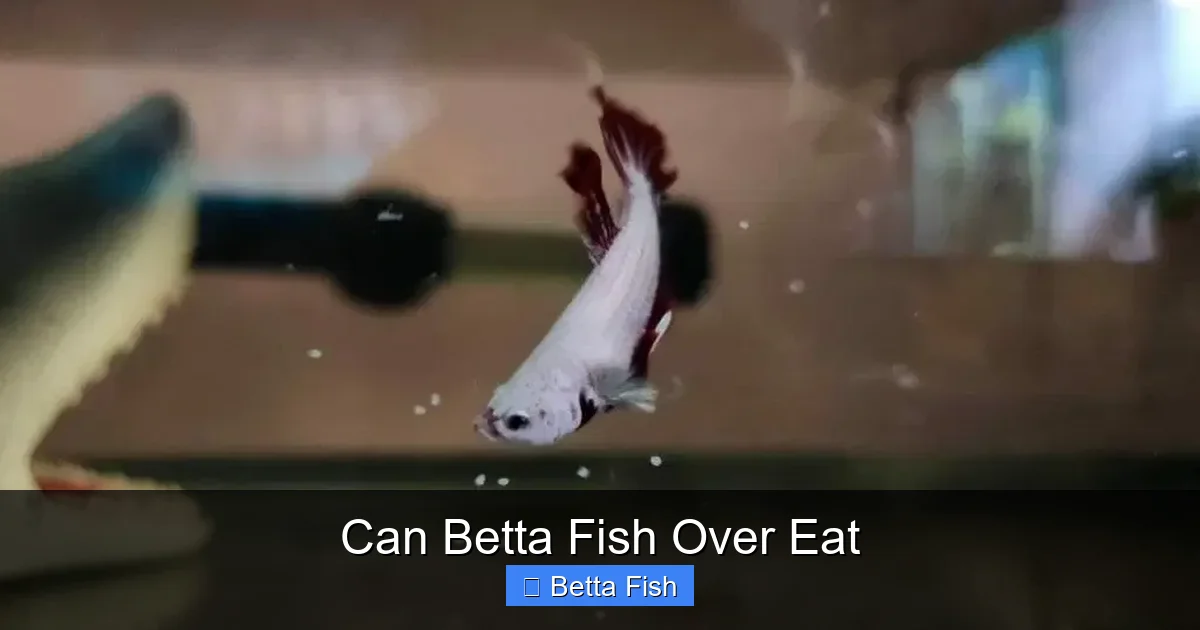
If you notice food pellets or flakes sitting at the bottom of the tank after feeding time, that is a clear sign you are offering too much. Betta fish are surface feeders, and they typically eat within a few minutes. Any food that remains after five minutes should be removed with a turkey baster or small net to prevent it from decomposing.
Stringy or White Feces
Healthy betta feces should be small, brown or reddish, and relatively solid. If you notice long, stringy, white, or clear feces hanging from your betta, that is a sign of digestive distress. This often indicates constipation or an internal issue caused by overeating. Paying attention to your betta’s waste is one of the best ways to monitor their digestive health.
Lethargy and Loss of Appetite
A betta that is overfed may become unusually lethargic. Instead of swimming actively around the tank, an overfed betta may rest on the bottom, hide behind decorations, or stay near the surface for extended periods. You might also notice a decreased interest in food, which is ironic given that the problem started with too much eating. This loss of appetite is your betta’s body telling you that its digestive system is overwhelmed.
Cloudy or Foul-Smelling Water
As mentioned earlier, excess food decomposes and pollutes the water. If your tank water becomes cloudy, develops an unpleasant odor, or requires more frequent water changes than usual, overfeeding is likely contributing to the problem. Regular water testing can help you identify ammonia spikes caused by decomposing food.
How Much Should a Betta Fish Eat?
The Eyeball Rule
A good rule of thumb for feeding betta fish is to offer an amount of food roughly equal to the size of the fish’s eye. For most bettas, this translates to about 2-3 high-quality pellets per feeding. Some owners prefer to feed 4-5 small pellets, which is also fine as long as the total volume is appropriate.
Visual guide about Can Betta Fish Over Eat
Image source: efindanything.com
It is always better to slightly underfeed than to overfeed. A healthy betta can go several days without food without any harm. If you are ever unsure whether you are feeding the right amount, err on the side of caution and offer less.
Feeding Frequency
Adult betta fish should be fed once or twice a day. If you feed twice daily, offer a smaller portion at each feeding — about 2 pellets in the morning and 2 in the evening. If you prefer once-a-day feeding, 3-4 pellets is appropriate. Baby bettas, or fry, need to be fed more frequently — about 3-4 times a day — because they are growing rapidly and have higher energy needs.
Consistency is key. Try to feed your betta at roughly the same times each day. Fish are creatures of habit, and a regular feeding schedule helps reduce stress and keeps their digestive system running smoothly.
The Fasting Day
Many experienced betta keepers recommend implementing one fasting day per week. This means you simply skip feeding your betta for one day. This practice gives their digestive system a chance to fully process any remaining food and helps prevent constipation and bloating.
In the wild, bettas do not eat every single day. There are times when food is scarce, and their bodies are adapted to handle these periods. A weekly fasting day mimics this natural cycle and can actually improve your betta’s overall health. If you are worried about your betta starving, don’t be — one day without food is completely safe and beneficial.
Choosing the Right Food for Your Betta
High-Quality Pellets
The foundation of a betta’s diet should be high-quality betta-specific pellets. Look for pellets where the first ingredient is a protein source like fish meal, shrimp meal, or whole fish. Avoid pellets that are primarily filled with wheat, corn, or other fillers. Bettas are carnivorous fish, and they need a protein-rich diet to thrive.
Visual guide about Can Betta Fish Over Eat
Image source: ekk4j69ebaa.exactdn.com
Quality pellets are also designed to be easily digestible, which reduces the risk of constipation. They produce less waste in the water compared to cheaper alternatives, helping maintain better water quality in your tank. For a detailed guide on what foods are best for your betta, check out our article on what can betta fish eat.
Freeze-Dried and Frozen Foods
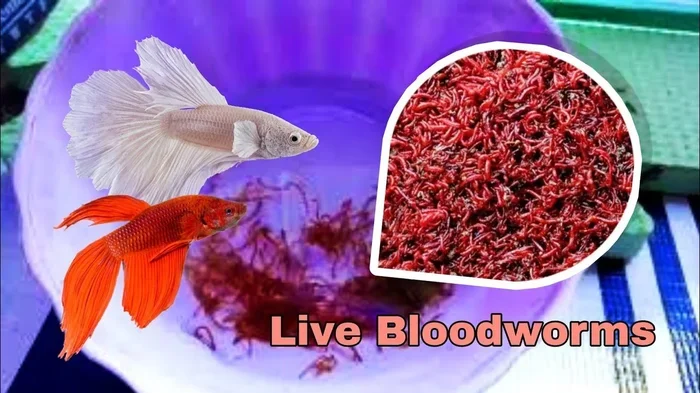
To add variety to your betta’s diet, you can supplement pellets with freeze-dried or frozen foods like bloodworms, daphnia, and brine shrimp. These foods are closer to what bettas eat in the wild and provide excellent nutritional benefits. However, they should be offered as treats, not as a replacement for pellets.
Freeze-dried foods should be soaked in tank water for a few minutes before feeding. If you feed them dry, they can expand in your betta’s stomach and cause bloating. Frozen foods should be thawed before offering. Limit treats to once or twice a week to avoid overfeeding.
Live Foods
Live foods like mosquito larvae, brine shrimp, and daphnia are excellent for bettas. They provide mental stimulation as your betta hunts and catches the food, and they are highly nutritious. However, live foods can sometimes carry parasites or bacteria, so it is important to source them from reputable suppliers.
If you are interested in feeding your betta shrimp, our article on can betta fish eat shrimp provides a comprehensive overview of the benefits and best practices.
Common Feeding Mistakes to Avoid
Feeding Too Much at Once
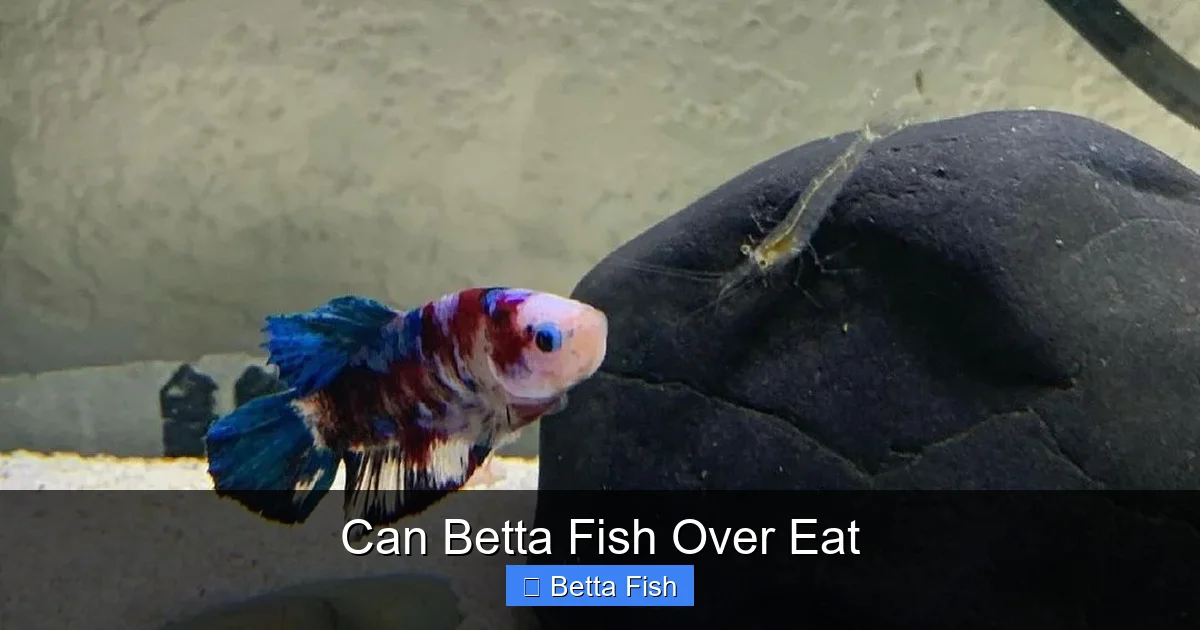
This is the number one mistake betta owners make. It is tempting to drop a handful of pellets into the tank, especially when your betta is swimming excitedly at the surface. But remember, their stomach is tiny. Stick to 2-3 pellets per feeding, and resist the urge to add more just because your fish seems hungry.
Visual guide about Can Betta Fish Over Eat
Image source: ouraquariumlife.com
Using the Wrong Type of Food
Not all fish food is created equal. Betta fish have specific nutritional needs that differ from other tropical fish. Feeding your betta goldfish food, tropical flakes, or other inappropriate foods can lead to nutritional deficiencies and digestive problems. Always use food specifically formulated for betta fish. Learn more about this in our article on can betta fish eat tropical flakes.
Ignoring the Feeding Schedule
Feeding your betta randomly throughout the day or offering food every time you walk past the tank is a recipe for overfeeding. Establish a consistent feeding schedule and stick to it. Your betta does not need to be fed every time you think about it.
Not Removing Uneaten Food
Leaving uneaten food in the tank is almost as bad as overfeeding in the first place. Excess food decomposes rapidly, releasing harmful ammonia and creating a breeding ground for bacteria. Always remove any food that has not been eaten within 5 minutes of feeding.
What to Do If You Have Overfed Your Betta
Immediate Steps
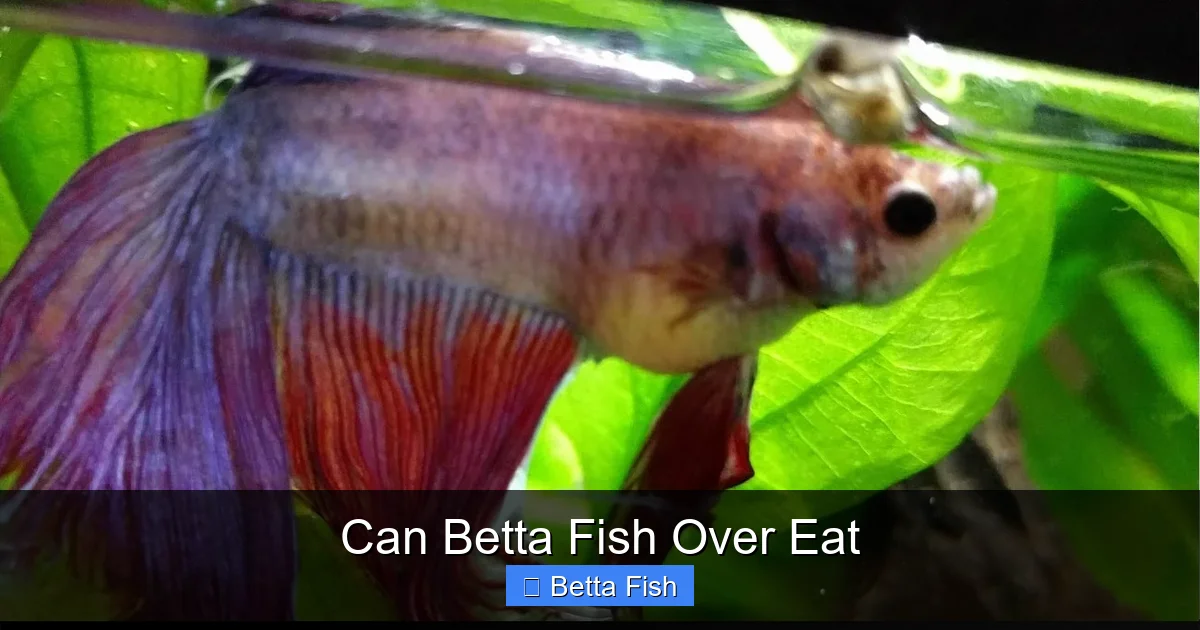
If you realize you have accidentally overfed your betta, do not panic. First, remove any uneaten food from the tank immediately. Use a small net or turkey baster to scoop out pellets or flakes that have sunk to the bottom. Then, perform a partial water change — about 25% of the tank water — to help remove any dissolved waste from the decomposing food.
Visual guide about Can Betta Fish Over Eat
Image source: buildyouraquarium.com
Fasting Period
After an overfeeding incident, skip feeding your betta for 24-48 hours. This gives their digestive system time to process the excess food. Do not worry — your betta will be perfectly fine without food for a couple of days. After the fasting period, resume feeding with a smaller-than-usual portion.
Monitor for Symptoms
Keep a close eye on your betta over the next few days. Watch for signs of bloating, constipation, or swim bladder issues. If your betta appears to be struggling — floating sideways, sinking to the bottom, or showing a severely distended belly — you may need to offer a small piece of cooked, de-shelled pea. The fiber in the pea can help move things along in the digestive tract.
When to Seek Help
In most cases, a betta will recover from overfeeding with a simple fasting period. However, if your betta shows no improvement after 3-4 days, or if symptoms worsen, it may be time to consult a veterinarian who specializes in fish. Conditions like dropsy, which can be triggered by chronic overfeeding and organ damage, require professional treatment.
Creating a Healthy Feeding Routine
Set a Schedule and Stick to It
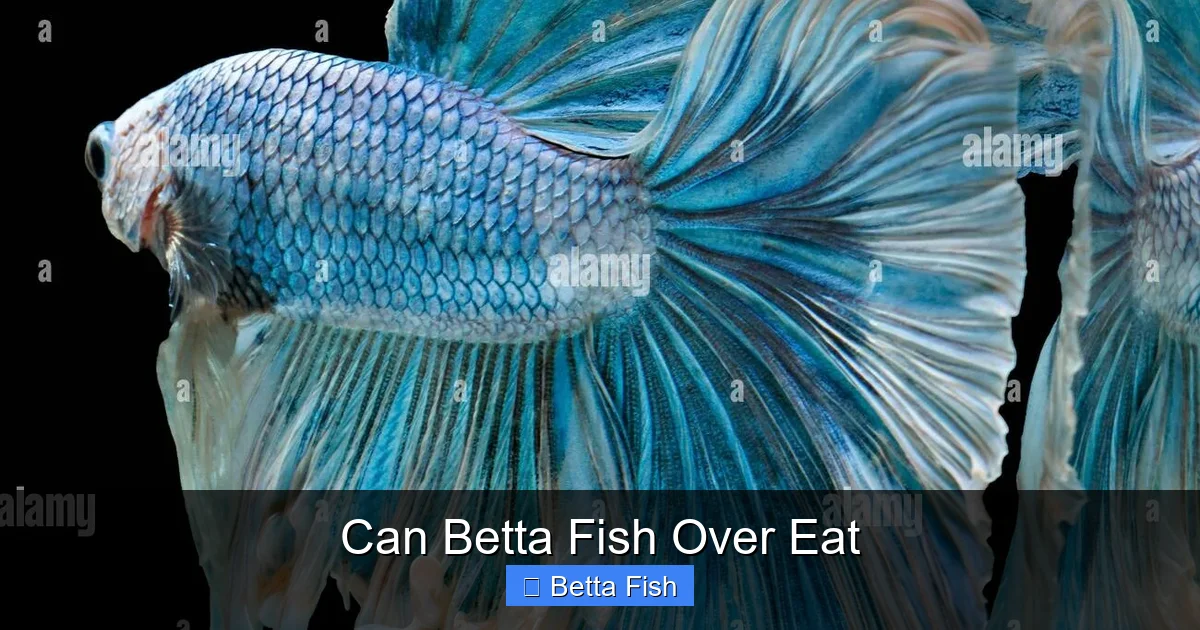
The best way to prevent overfeeding is to establish a consistent feeding routine. Feed your betta at the same times every day, and always offer the same portion size. Many owners find it helpful to set a phone reminder so they do not accidentally feed their betta twice.
Visual guide about Can Betta Fish Over Eat
Image source: c8.alamy.com
Use a Feeding Ring
A feeding ring is a small floating ring that you place on the surface of the water. It keeps the food in one spot, making it easier for your betta to eat and easier for you to remove any leftovers. Feeding rings are inexpensive and widely available at pet stores.
Observe Your Betta
Every betta is slightly different. Some are more active and may need slightly more food, while others are more sedentary and need less. Pay attention to your betta’s body condition over time. If they are gaining weight and developing a round belly, cut back. If they look thin or their head appears disproportionately large compared to their body, you may need to increase portions slightly.
Keep a Feeding Log
This might sound excessive, but keeping a simple log of when and how much you feed your betta can be incredibly helpful, especially if you are new to betta care. It helps you identify patterns, track your betta’s health, and avoid accidental overfeeding. A simple note on your phone is all you need.
Conclusion
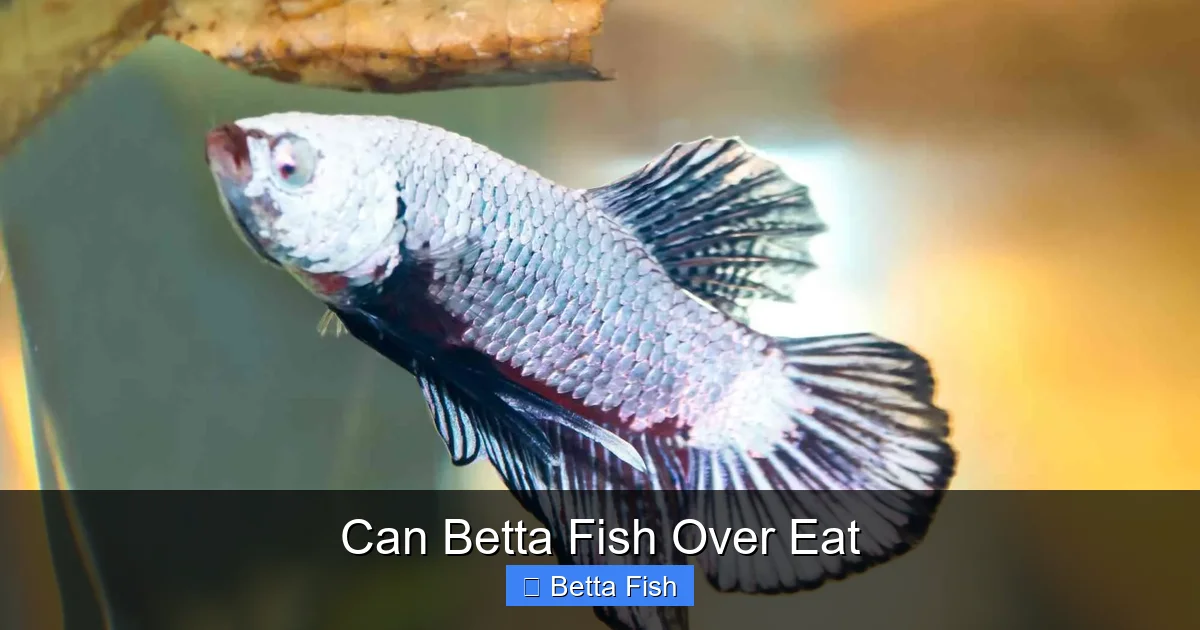
So, can betta fish overeat? The answer is a resounding yes. Overeating is one of the most common and preventable health problems in betta fish. Their tiny stomachs, opportunistic feeding instincts, and enthusiastic behavior at mealtime make them particularly vulnerable to overfeeding.
Visual guide about Can Betta Fish Over Eat
Image source: fishkeepandchill.com
The good news is that preventing overeating is simple once you know what to do. Feed small portions of high-quality food once or twice a day, implement a weekly fasting day, remove uneaten food promptly, and monitor your betta’s body condition regularly. These small steps can make a huge difference in your betta’s health, happiness, and lifespan.
Remember, a well-fed betta is not an overfed betta. Your fish will thrive on a modest, consistent diet far better than it will on an abundance of food. By understanding your betta’s needs and respecting their natural biology, you can enjoy a beautiful, healthy fish for years to come.
Frequently Asked Questions
How do I know if I am overfeeding my betta fish?
Signs of overfeeding include a bloated belly, uneaten food accumulating at the bottom of the tank, stringy white feces, lethargy, and cloudy or foul-smelling water. If you notice any of these signs, reduce your feeding portions immediately and remove any leftover food from the tank.
Can overfeeding kill a betta fish?
Yes, chronic overfeeding can be fatal. It leads to serious conditions like constipation, swim bladder disease, fatty liver disease, and poor water quality from decomposing food. These health issues can progressively weaken your betta and eventually cause death if the feeding habits are not corrected.
How many pellets should I feed my betta fish per day?
Most adult betta fish should be fed 2-3 high-quality pellets twice daily, or 3-4 pellets once daily. Remember that a betta’s stomach is roughly the size of its eyeball, so small portions are always better than large ones.
What should I do if my betta fish is constipated from overeating?
Fast your betta for 24-48 hours to allow their digestive system to clear. After the fasting period, offer a small piece of cooked, de-shelled pea, which acts as a natural laxative. Resume normal feeding with smaller portions once your betta has recovered.
Is it okay to skip feeding my betta fish for a day?
Yes, it is actually recommended to skip feeding your betta one day per week. This fasting day helps prevent constipation and digestive issues, and it mimics the natural feeding patterns bettas experience in the wild where food is not always available.
Can betta fish eat too many bloodworms?
Yes, bloodworms should only be offered as an occasional treat, not a staple food. Feeding too many bloodworms can cause bloating and digestive problems. Limit bloodworm feedings to once or twice a week, and always soak freeze-dried bloodworms before offering them to your betta.