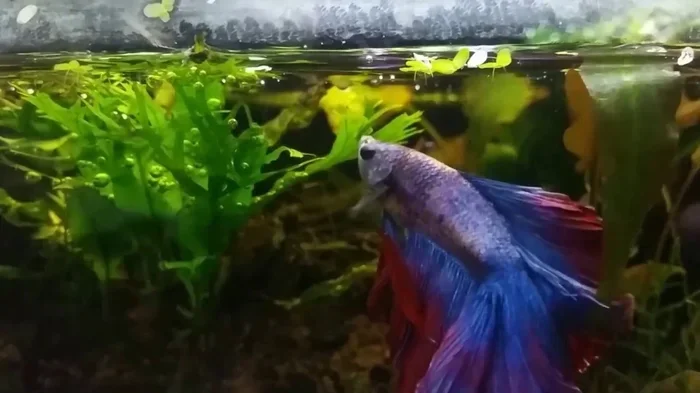
How to Pair Up Betta Fish
Pairing up betta fish requires careful planning, the right tank setup, and close monitoring. Whether you want a sorority tank or a community setup, understanding betta fish behavior is the key to success. This guide walks you through every step to keep your fish healthy and happy.
Pairing up betta fish can feel tricky. These beautiful creatures are known for their bright colors and big personalities. But they can also be territorial and aggressive. If you want to keep more than one betta in the same tank, you need to plan carefully.
This guide will show you exactly how to pair up betta fish the right way. You will learn about tank setup, gender differences, introduction steps, and how to keep the peace. By the end, you will feel confident about creating a safe home for your fish.
Key Takeaways
- Choose the right tank size: A minimum of 10 gallons is essential for pairing betta fish safely.
- Know the gender matters: Male and female bettas have different temperaments and pairing needs.
- Set up hiding spots: Plants and decorations reduce aggression during introductions.
- Monitor behavior closely: Watch for signs of stress or aggression after pairing betta fish together.
- Have a backup plan: Be ready to separate fish if they do not get along.
- Maintain water quality: Clean water keeps betta fish calm and reduces conflict.
📑 Table of Contents
Why Pair Up Betta Fish?
Many fish owners love the idea of a community tank. Betta fish are stunning, and watching them interact can be very rewarding. A well-planned pair or group can bring life and color to your aquarium.
But bettas are also called “Siamese fighting fish” for a reason. Males especially can be very aggressive toward each other. Female bettas are usually calmer, but they can still fight. So pairing them up the wrong way can lead to injury or even death.
The good news? With the right approach, you can successfully pair up betta fish. It just takes knowledge, patience, and the right setup.
Understanding Betta Fish Behavior
Before you pair up betta fish, you need to understand their natural behavior. Bettas are solitary by nature. In the wild, they prefer to live alone. They claim territory and defend it fiercely.
Here are some key behavior traits to know:
- Males are highly territorial: They will flare their gills and fight other males.
- Females can be social: A group of females, called a sorority, can sometimes live together.
- Bettas are labyrinth fish: They breathe air from the surface, which means they need access to the top of the tank.
- Color and fins matter: Bright-colored males may trigger more aggression in others.
Knowing these traits helps you make better decisions when pairing betta fish. You will know what to expect and how to prevent problems.
Choosing the Right Pair
Not all bettas can live together. Choosing the right pair is the most important step. The wrong combination can lead to constant fighting and stress.
Male and Female Pairings
A male and female betta can sometimes live together, but it is not always safe. This setup is often called a “breeding pair.” It requires careful management and close observation.
Here are some tips for male-female pairings:
- Use a tank that is at least 10 gallons. Small tanks increase aggression.
- Add plenty of plants and hiding spots. This gives fish a place to retreat.
- Introduce the female first. Let her claim a space before adding the male.
- Watch for signs of chasing or fin nipping. Separate them if needed.
Remember, even a male and female pair may not get along. Always be prepared with a backup tank or divider.
Female and Female Pairings (Sorority)
A female betta sorority is the most common successful pairing. A group of 4 to 6 females can live together in a larger tank. The key is to have enough space and hiding spots.
When setting up a sorority, follow these guidelines:
- Use a tank of 20 gallons or more.
- Add at least 6 to 8 hiding spots using plants or decorations.
- Introduce all females at the same time to avoid one fish being targeted.
- Choose females with similar body shapes and colors to reduce jealousy.
A well-set-up sorority tank can be a beautiful and peaceful display. Just make sure you set up your betta fish tank properly before adding any fish.
Male and Male Pairings
You should never pair two male bettas together. They will almost always fight, and one or both fish can be seriously injured or killed. This is a hard and fast rule in betta fish care.
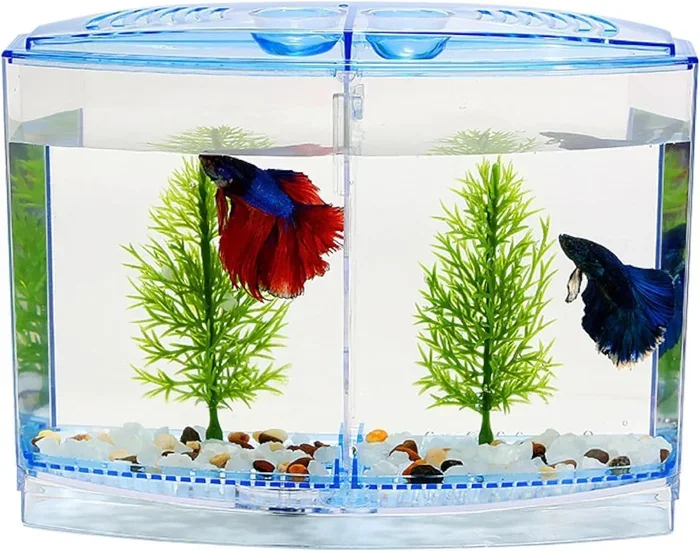
The only exception is using a tank divider. A divider lets two males live in the same tank without touching each other. This can work if the tank is large enough and both fish have their own space.
Setting Up the Tank for Pairing
The tank setup is critical when you want to pair up betta fish. A poorly set up tank is the number one cause of aggression and stress. Take your time with this step.
Tank Size Requirements
Size matters a lot with bettas. A small tank makes fish feel trapped and increases aggression. Here is a quick look at tank size recommendations:
| Setup Type | Minimum Tank Size | Ideal Tank Size |
|---|---|---|
| Male-Female Pair | 10 gallons | 20 gallons |
| Female Sorority (4-6 fish) | 20 gallons | 30 gallons or more |
| Male with Tank Divider | 20 gallons total | 30 gallons total |
Bigger tanks give fish more room to swim and establish their own zones. This naturally reduces conflict. If you are moving fish to a new setup, make sure you transfer your betta fish carefully to avoid stress.
Plants and Decorations
Plants are your best friend when pairing betta fish. They create natural barriers and hiding spots. Bettas feel safer when they can see places to retreat.
Great plant options include:
- Java Fern: Easy to grow and betta-friendly.
- Amazon Sword: Provides great coverage and breaks up sightlines.
- Anubias: Hardy plant that grows slowly and stays dense.
- Floating Plants: Duckweed or frogbit can soften the light and make fish feel more secure.
Decorations like caves, driftwood, and ceramic pots also work well. Just make sure there are no sharp edges that could hurt your fish.
Water Parameters
Clean, stable water keeps bettas calm. Stress from bad water is a leading cause of aggression. Here are the ideal parameters for a betta tank:
- Temperature: 78°F to 80°F (25°C to 27°C)
- pH Level: 6.5 to 7.5
- Ammonia: 0 ppm
- Nitrite: 0 ppm
- Nitrate: Below 20 ppm
Use a heater and a filter to keep conditions stable. Bettas are tropical fish and need warm water to thrive. If you are unsure about water preparation, check out our guide on how to prepare water for a betta fish.
How to Introduce Paired Betta Fish
The introduction process is where many people go wrong. Rushing this step can lead to fights and injuries. Take it slow and follow these steps.
Step-by-Step Introduction Process
- Quarantine new fish first: Keep the new fish in a separate tank for 2 to 4 weeks. This helps you spot any diseases or health issues.
- Set up the main tank in advance: Make sure plants, hiding spots, and equipment are all in place before adding any fish.
- Use a clear divider at first: Place the new fish in a container inside the main tank. Let them see each other for a few days without physical contact.
- Watch for aggression signs: Flaring, chasing, and fin nipping are red flags. If these happen, give them more time apart.
- Remove the divider slowly: If both fish seem calm, remove the divider and observe closely for at least an hour.
- Have a backup plan ready: Keep a separate container or small tank nearby in case you need to separate them quickly.
This process takes patience, but it is worth it. A slow introduction gives fish time to get used to each other. It also reduces the chance of serious fights.
Signs That the Pairing Is Working
How do you know your pairing is successful? Look for these positive signs:
- Fish swim past each other without flaring
- Both fish are eating normally
- No chasing or nipping behavior
- Fish are exploring the tank independently
- Both fish show bright colors and healthy fins
If you notice any of these, your pairing is off to a great start. But stay alert. Behavior can change over time.
Signs That the Pairing Is Not Working
Not every pairing will work out. Watch for these warning signs:
- Constant chasing or flaring
- One fish hiding all the time
- Biting fins or torn fins
- Loss of appetite
- Fish gasping at the surface
If you see these signs, act fast. Separate the fish immediately. Keeping aggressive fish together can cause long-term stress and health problems. If your fish shows signs of stress after a failed pairing, learn how to treat a stressed betta fish right away.
Common Mistakes When Pairing Betta Fish
Even experienced fish keepers make mistakes. Here are the most common ones to avoid.
Using Too Small a Tank
A tiny tank leaves no room for fish to escape each other. This is the fastest way to trigger aggression. Always use a tank that is big enough for the number of fish you plan to keep.Skipping the Quarantine Period
Adding a new fish directly into an established tank is risky. The new fish might carry diseases. It also has no established territory of its own, which can cause conflict.
Overcrowding the Tank
Too many fish in one tank creates stress for everyone. Stick to the recommended numbers for your tank size. More fish does not mean a better tank.
Ignoring Water Quality
Dirty water makes fish irritable and sick. Test your water regularly and do partial water changes weekly. Poor water conditions are a hidden cause of aggression in bettas.
Pairing Incompatible Fish
Not all bettas are the same. Some are naturally more aggressive than others. Also, certain color patterns or fin types can trigger more fighting. Pay attention to your individual fish and adjust accordingly.
Maintaining Peace After Pairing
Once your bettas are paired and settled in, your job is not done. Ongoing maintenance and observation are key to long-term success.
Feeding Tips to Reduce Aggression
Feeding time can trigger competition and aggression. To keep the peace:
- Feed small amounts multiple times a day instead of one large meal.
- Spread food across the tank so fish do not compete for the same spot.
- Use a variety of foods like pellets, frozen bloodworms, and brine shrimp.
- Remove uneaten food after a few minutes to keep the water clean.
Regular Tank Maintenance
A clean tank is a calm tank. Stick to a regular maintenance routine:
- Test water parameters weekly.
- Do a 25% water change every week.
- Clean the filter monthly without replacing all media at once.
- Check the heater and thermometer regularly.
When to Use a Tank Divider
If things are not working out, a tank divider is a great solution. You can split the tank so both fish have their own space but can still share the same water. If you need one, learn how to make a betta fish tank divider at home with simple materials.
A divider lets you keep two bettas in the same room without the risk of fighting. It is a smart compromise when pairing does not go as planned.
Expert Tips for Successful Pairing
Here are some expert-level tips that can make a big difference:
- Watch the time of day: Introduce new fish in the evening when bettas are less active. This reduces initial aggression.
- Use a mirror test: Briefly show a mirror to each fish before pairing. This helps release built-up aggression in a controlled way.
- Match similar sizes: Fish of similar size are less likely to see each other as a threat.
- Add the tank to a quiet room: Loud noises and vibrations can stress bettas and trigger fighting.
- Be patient: Some pairings take weeks to settle in. Do not give up too quickly.
Pairing betta fish is both an art and a science. Every fish has its own personality. What works for one pair may not work for another. Stay flexible and always put the fish’s well-being first.
Final Thoughts
Pairing up betta fish is a rewarding challenge. It requires research, patience, and a commitment to proper care. But when it works, it is incredibly satisfying to watch a peaceful community tank come to life.
Start with the right tank, choose compatible fish, introduce them slowly, and monitor their behavior. If things do not work out, do not be afraid to separate them. The health and safety of your fish always come first.
With the tips and steps in this guide, you are well on your way to successfully pairing up betta fish. Trust your instincts, keep learning, and enjoy the journey of creating a beautiful underwater home for your fish.
Frequently Asked Questions
Can I pair two male betta fish together?
No, two male bettas should never be kept in the same tank without a divider. They will almost always fight and can seriously injure or kill each other. A tank divider is the only safe option for keeping two males in the same aquarium.
How many female bettas can I keep together?
A group of 4 to 6 female bettas works best in a sorority setup. You need at least a 20-gallon tank with plenty of hiding spots. Fewer than 4 females can lead to one fish being bullied by the others.
How long does it take for paired bettas to get along?
It can take anywhere from a few days to several weeks. Some pairs settle in quickly, while others need more time. Watch their behavior closely and be patient during the introduction period.
What should I do if my paired bettas are fighting?
Separate them immediately. Use a backup tank or a divider to keep them apart. Check the water quality and tank setup, and make sure there are enough hiding spots. Sometimes rearranging decorations can help reset territories.
Can I pair a male betta with other species of fish?
Yes, but it requires careful selection. Peaceful, non-fin-nipping fish like corydoras, snails, or small tetras can work. Avoid fish with bright colors or long fins, as bettas may see them as threats.
Do I need a heater when pairing betta fish?
Yes, absolutely. Betta fish are tropical and need warm, stable water between 78°F and 80°F. A heater is essential for keeping stress levels low and supporting a healthy immune system for all fish in the tank.
=== META DESCRIPTION ===
Learn how to pair up betta fish safely with our step-by-step guide. Discover tips for tank setup, compatibility, and reducing aggression today.
=== SEO TITLE ===
How to Pair Up Betta Fish
=== META TITLE ===
How to Pair Up Betta Fish: Tips, Steps & Setup Guide
=== URL SLUG ===
/how-to-pair-up-betta-fish/
=== INTERNAL LINKS USED ===
1. set up your betta fish tank
2. transfer your betta fish carefully
3. treat a stressed betta fish
4. make a betta fish tank divider
Total internal links used: 4 (within the 3-5 range)