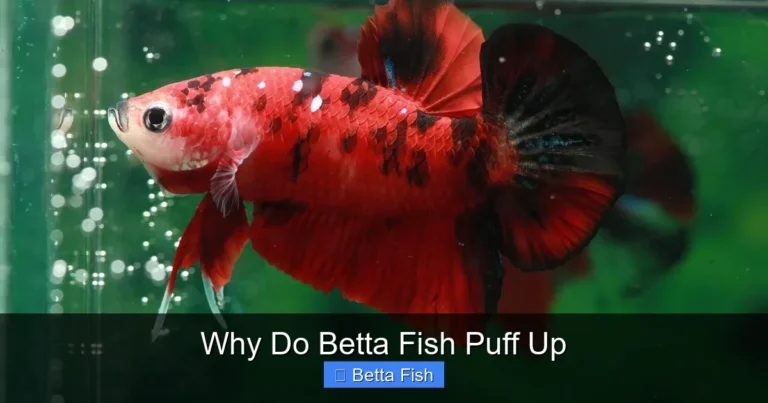
Can Betta Fish Lose Their Eyesight
Yes, betta fish can lose their eyesight due to factors such as cataracts, infections, poor water quality, and aging. Maintaining a clean tank and proper nutrition is essential to safeguard their vision and overall health.
Key Takeaways
- Betta fish can lose eyesight due to injury, disease, or poor water conditions.
- Cloudy eyes signal infection and require immediate treatment to prevent blindness.
- Maintain clean water to protect your betta’s vision and overall health.
- Feed a balanced diet rich in vitamins to support eye health.
- Blind bettas adapt well using their lateral line and memory.
- Prevent aggression to avoid eye injuries from tank mates.
📑 Table of Contents
- Can Betta Fish Lose Their Eyesight? What Every Owner Needs to Know
- Understanding Betta Fish Eyes: How They Work
- What Causes Betta Fish to Lose Their Eyesight?
- How to Tell If Your Betta Fish Is Losing Vision
- Preventing Vision Loss in Betta Fish
- Treating Eye Problems in Betta Fish
- Living with a Blind or Visually Impaired Betta Fish
- Final Thoughts: Can Betta Fish Lose Their Eyesight and Still Thrive?
Can Betta Fish Lose Their Eyesight? What Every Owner Needs to Know
So, you’ve noticed your betta fish acting a little… off. Maybe he’s bumping into the glass, ignoring his favorite bloodworms, or just seems a bit lost in his own tank. Your mind starts racing. “Can betta fish lose their eyesight?” It’s a question that hits every betta owner right in the gut. I remember the first time I saw my betta, a fiery red guy named Rusty, swimming in circles and missing his food. My heart sank. Was he going blind?
The short answer is yes, betta fish can lose their eyesight. It’s not super common, but it happens. And honestly, it’s one of those things that’s way easier to deal with when you know what’s going on. Think of it like this: your betta’s eyes are tiny windows to his world. When those windows get cloudy or damaged, his whole life changes. But here’s the good news. With the right care, many bettas adapt beautifully and still live happy, full lives.
In this post, we’re going to walk through everything together. What causes vision loss in bettas, how to spot the signs early, what you can do to help, and how to make sure your little buddy thrives even if his sight isn’t what it used to be. Grab a cup of coffee, and let’s dive in.
Understanding Betta Fish Eyes: How They Work
The Basics of Betta Vision
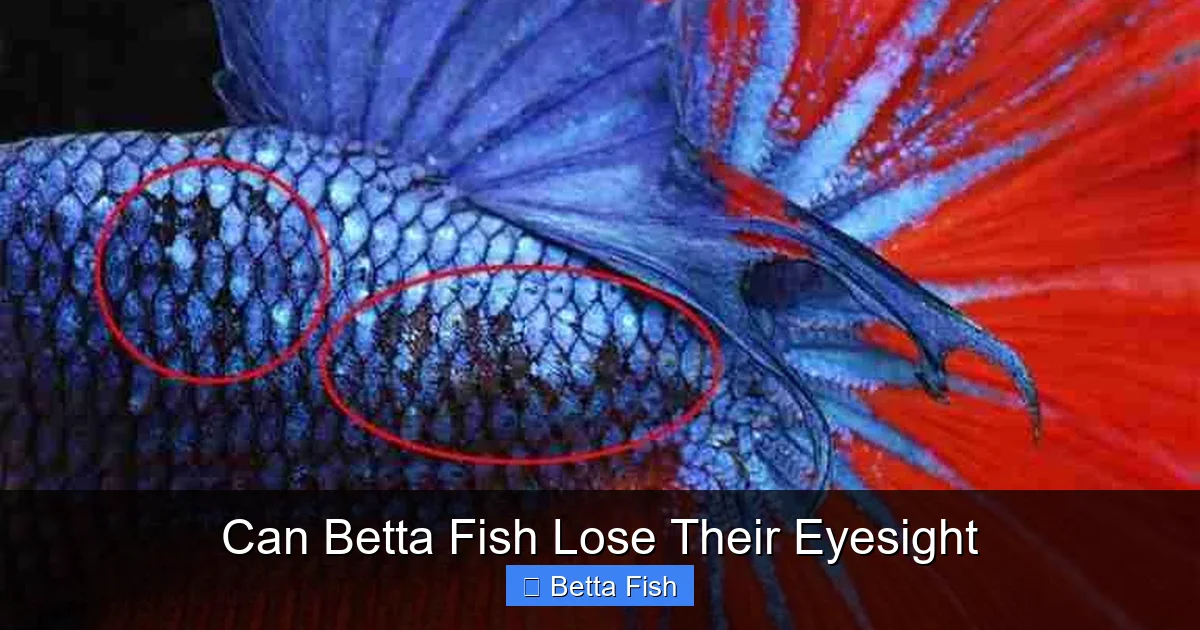
Before we talk about vision loss, let’s chat about how betta fish eyes actually work. Betta fish have pretty decent eyesight for their size. They can see colors, detect movement, and navigate their environment with surprising precision. Their eyes are positioned on the sides of their heads, which gives them a wide field of view. This is great for spotting food and avoiding predators in the wild.
Visual guide about Can Betta Fish Lose Their Eyesight
Image source: fishkeepingacademy.com
But here’s something cool. Bettas don’t see the world exactly like we do. They can see some colors we can’t, especially in the ultraviolet range. Their vision is adapted for shallow, murky waters where they naturally live. So their eyes are built for function, not necessarily for crystal-clear sharpness like ours.
Common Eye Structures in Betta Fish
A healthy betta eye should be clear and bright. You might notice a dark pupil surrounded by a colorful iris that matches their body coloration. The surface should be smooth and slightly bulging. If you look closely, you’ll see a thin, transparent layer called the cornea protecting the front of the eye.
When something goes wrong with any part of this delicate structure, vision problems can develop. It’s kind of like how a scratched camera lens ruins your photos. Even a small issue with the cornea or the internal parts of the eye can make a big difference for your betta.
What Causes Betta Fish to Lose Their Eyesight?
Poor Water Quality: The Silent Culprit
Let’s be real. Water quality is the number one issue for almost every betta health problem, and vision loss is no exception. When ammonia, nitrite, or nitrate levels spike, it creates a toxic environment that can damage your betta’s eyes over time. Imagine swimming in a pool with way too much chlorine. Your eyes would burn and get red, right? It’s similar for bettas.
Visual guide about Can Betta Fish Lose Their Eyesight
Image source: koala.sh
Dirty water also breeds bacteria and fungi. These nasty little organisms can cause infections that directly attack the eyes. I’ve seen bettas kept in bowls with no filtration develop serious eye problems within weeks. If you’re wondering whether you can keep a betta fish in a bowl, the answer is technically yes, but it dramatically increases the risk of health issues including vision problems.
Physical Injury and Trauma
Bettas are curious little guys. They love exploring their tank, darting through plants, and investigating new decorations. Sometimes that curiosity leads to accidents. Sharp decorations, rough gravel, or even aggressive tank mates can scratch or damage a betta’s eyes.
If you’re thinking about adding companions to your betta’s tank, it’s worth researching what other fish can live with betta fish safely. Some fish are nippy, and a betta’s flowing fins and delicate eyes can become easy targets. Even bumping into the tank walls repeatedly during flaring episodes can cause minor trauma over time.
Infections and Diseases
Several infections can directly affect your betta’s eyes. Let me break down the most common ones:
- Cloudy Eye: This is probably the most frequent eye issue betta owners encounter. It causes a white or grayish film over the eye. It’s usually caused by bacterial infection or poor water quality.
- Popeye Disease (Exophthalmia): This condition makes the eye bulge outward dramatically. It’s often caused by bacterial infection inside the eye or behind it. If both eyes are affected, it’s usually a systemic issue. If only one eye is bulging, it’s more likely an injury.
- Fungal Infections: These can appear as cotton-like growths around the eye area. They typically take hold when a betta’s immune system is already weakened.
- Parasites: Certain internal parasites can affect the eyes indirectly, causing swelling or cloudiness as the body tries to fight off the invader.
Age-Related Vision Loss
Just like us, bettas can experience vision decline as they age. Most bettas live between 3 and 5 years with proper care. As they get older, their eyes may naturally become less sharp. You might notice your senior betta taking a bit longer to find his food or being slightly less reactive to movement outside the tank.
This type of vision loss is gradual and usually not as dramatic as disease-related blindness. It’s a natural part of the aging process, and most older bettas adapt just fine. They rely more on their lateral line system, which detects vibrations and water movement, to navigate their world.
How to Tell If Your Betta Fish Is Losing Vision
Behavioral Changes to Watch For
Your betta can’t tell you his eyes hurt or that things look blurry. So you have to be a bit of a detective. Here are the signs that something might be going on with his vision:
- Bumping into objects: If your betta keeps crashing into decorations, plants, or the tank walls, that’s a red flag.
- Missing food: A betta that consistently misses when striking at food might be having trouble seeing it.
- Startling easily: If your betta used to be calm when you approached the tank but now jumps or darts away, he might not be seeing you coming.
- Swimming in circles or erratically: Disoriented swimming patterns can indicate vision problems.
- Not responding to visual stimuli: Try waving your finger near the glass. A betta with healthy vision will usually react.
Physical Signs of Eye Problems
Sometimes you can actually see the problem with your own eyes. Here’s what to look for during your daily tank check:
- Cloudiness or a milky film over one or both eyes
- Bulging or swelling of the eye area
- Redness or inflammation around the eye
- White or gray patches on the eye surface
- One eye appearing larger than the other
- A sunken appearance in severe cases
I always recommend taking a quick photo of your betta’s eyes once a week when you do your water change. That way, you have a reference point. It’s amazing how easy it is to miss gradual changes when you see your fish every single day.
Preventing Vision Loss in Betta Fish
Maintaining Pristine Water Quality
This is the single most important thing you can do to protect your betta’s eyesight. Here’s my tried-and-true water quality routine:
- Weekly water changes: Replace 25-50% of the tank water every week. Use a gravel vacuum to remove debris from the substrate.
- Test your water regularly: Get a liquid test kit (not strip tests, they’re unreliable). You want ammonia and nitrite at 0 ppm, and nitrate below 20 ppm.
- Use a proper filter: A gentle filter keeps water clean without creating a strong current that stresses your betta.
- Keep the tank heated: Bettas are tropical fish. A stable temperature between 76-82°F keeps their immune system strong.
- Don’t overfeed: Excess food decays and fouls the water fast. Feed only what your betta can eat in about 2 minutes.
If you’re curious about what betta fish can eat for optimal health, a varied diet of high-quality pellets, frozen bloodworms, and brine shrimp goes a long way toward keeping their immune system in top shape.
Choosing Safe Tank Decorations
Not all decorations are created equal. Some are downright dangerous for betta eyes and fins. Here’s what to look for and what to avoid:
Safe options:
- Silk plants (soft and flexible)
- Live plants like java fern, anubias, and hornwort
- Smooth driftwood with no sharp edges
- Terracotta pots (sand down any rough spots)
- Smooth river rocks
Avoid these:
- Plastic plants with sharp edges (run a nylon stocking over them; if it snags, it’ll hurt your betta)
- Rough lava rock
- Decorations with small holes where a betta could get stuck
- Anything metallic that could leach into the water
Feeding for Eye Health
Nutrition plays a bigger role in eye health than most people realize. Foods rich in vitamins A, C, and E support healthy eyes in bettas. Here’s a simple feeding schedule I recommend:
- Daily: High-quality betta pellets as the staple diet
- 2-3 times per week: Frozen or live treats like bloodworms, daphnia, or brine shrimp
- Once a week: A fasting day to aid digestion
Variety is key. Just like you wouldn’t want to eat the same thing every day, your betta benefits from different nutrients found in different foods. A well-nourished betta has a stronger immune system, which means better ability to fight off infections that could affect the eyes.
Treating Eye Problems in Betta Fish
Immediate Steps When You Notice a Problem
Okay, so you’ve spotted something wrong with your betta’s eyes. Don’t panic. Here’s what to do right away:
Visual guide about Can Betta Fish Lose Their Eyesight
Image source: vergecampus.com
- Test your water immediately. Check ammonia, nitrite, nitrate, and pH. Poor water quality is the cause more often than not.
- Do a 50% water change. Use dechlorinated water that’s the same temperature as the tank.
- Set up a hospital tank if possible. This lets you treat the betta without affecting your main tank’s beneficial bacteria.
- Remove any sharp decorations from the tank to prevent further injury.
- Take clear photos of the affected eye(s) to track progress.
Common Treatments for Eye Conditions
Here’s a quick reference table for the most common betta eye problems and their treatments:
| Condition | Symptoms | Treatment | Recovery Time |
|---|---|---|---|
| Cloudy Eye | White/gray film over eye, mild swelling | Water changes, aquarium salt, antibacterial medication | 1-3 weeks |
| Popeye (one eye) | Bulging eye, possible redness | Epsom salt baths, antibacterial treatment, clean water | 2-6 weeks |
| Popeye (both eyes) | Both eyes bulging, lethargy, loss of appetite | Broad-spectrum antibiotic, pristine water, reduce stress | 4-8 weeks |
| Physical Injury | Scratches, swelling, possible bleeding | Clean water, aquarium salt, remove sharp objects | 1-4 weeks |
| Fungal Infection | Cotton-like growths near eye | Antifungal medication, improve water quality | 2-4 weeks |
Important note: Always follow the dosage instructions on any medication exactly. Bettas are small and sensitive to over-medication. When in doubt, use a half dose and observe how your betta responds.
When to Consider Epsom Salt Baths
Epsom salt (magnesium sulfate) can be a game-changer for bettas with popeye or swelling around the eyes. It works by drawing excess fluid out of the tissue through osmosis. Here’s how to do it safely:
- Use 1 tablespoon of unscented Epsom salt per gallon of dechlorinated water
- Place your betta in the bath for 10-15 minutes maximum
- Watch closely for signs of stress (rapid gilling, lying on side)
- Return your betta to clean, warm tank water afterward
- Repeat once daily for up to 5 days if needed
I’ve personally used this method with great success on two different bettas who developed popeye. Both made full recoveries within about three weeks. The key is catching it early and being consistent with treatment.
Living with a Blind or Visually Impaired Betta Fish
Adapting the Tank Environment
Here’s something that might surprise you. Bettas can live remarkably well even with significant vision loss. They have an amazing sensory system called the lateral line that detects vibrations and changes in water pressure. It’s like having a built-in radar system.
To help a visually impaired betta thrive, consider these tank modifications:
- Keep the layout consistent. Don’t rearrange decorations frequently. Your betta will memorize the layout and navigate by memory and vibration.
- Use smooth, rounded decorations only. Eliminate anything that could cause injury if bumped into.
- Add more plants. Live or silk plants create gentle barriers that help your betta sense his surroundings without sharp impacts.
- Reduce water flow. A strong current can disorient a blind betta. Use a gentle filter or baffle the output.
- Keep the lighting consistent. Sudden changes in light can startle a visually impaired fish.
Feeding a Blind Betta
Feeding time requires a bit more patience with a vision-impaired betta, but it’s totally manageable. Here are some tricks that work really well:
- Feed in the same spot every time. Your betta will learn where to expect food.
- Use a feeding ring. This keeps the food in one predictable location at the surface.
- Tap the water gently before feeding. Your betta will associate the vibration with food time.
- Try sinking pellets. These create more vibration in the water as they fall, making them easier to locate.
- Use feeding tweezers. You can hold food right in front of your betta’s mouth so he can smell and grab it easily.
I had a betta named Captain who lost most of his vision due to a severe infection. Within about two weeks, he had his feeding routine down perfectly. I’d tap the glass three times, and he’d swim right to his feeding spot. It was honestly one of the most heartwarming things I’ve experienced as a fish keeper.
Monitoring Long-Term Health
A betta with vision loss needs a little extra attention, but it’s not overwhelming. Here’s what I recommend for ongoing care:
- Weekly water testing and changes (non-negotiable)
- Daily observation during feeding time
- Monthly photos to track any changes in eye appearance
- Keeping a simple health journal (even just notes on your phone)
- Being extra cautious about tank mates, since a blind betta can’t defend himself as effectively
Speaking of tank mates, if your betta has vision issues, it’s generally best to keep him alone or with very peaceful companions. A blind betta can’t see threats coming, so even normally docile fish might take advantage. If you do want to explore options, check out our guide on keeping betta fish with shrimp, as shrimp are usually harmless and can even help keep the tank clean.
Final Thoughts: Can Betta Fish Lose Their Eyesight and Still Thrive?
So, can betta fish lose their eyesight? Absolutely, they can. But here’s the thing that I really want you to take away from this whole post. Vision loss doesn’t mean the end of a happy life for your betta. With proper care, a safe environment, and a little extra patience, visually impaired bettas can live full, content lives.
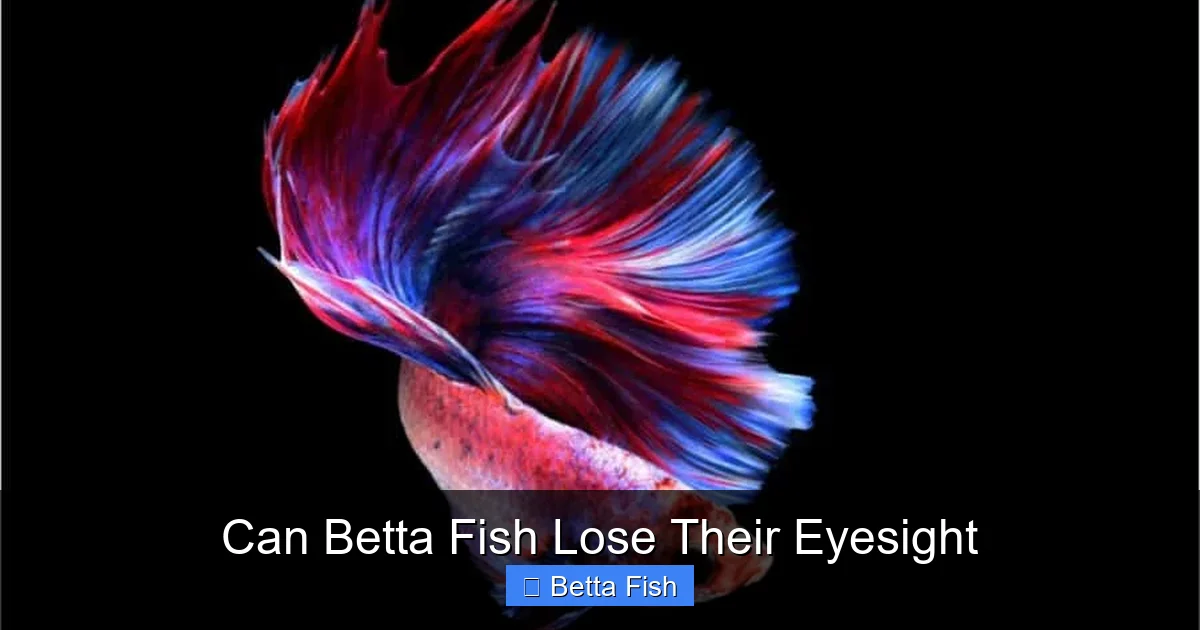
Visual guide about Can Betta Fish Lose Their Eyesight
Image source: ouraquariumlife.com
The best thing you can do as a betta owner is focus on prevention. Keep that water clean, feed a nutritious diet, choose safe decorations, and pay attention to changes in behavior. If problems do arise, early detection and treatment make a world of difference. Most eye conditions in bettas are treatable when caught early.
And if your betta does lose his sight, don’t give up on him. These little fish are incredibly resilient. They adapt in ways that will genuinely amaze you. I’ve seen blind bettas learn to navigate their tanks flawlessly, eat enthusiastically, and even flare at their own reflections (well, at the vibrations they sense). They’re tougher than we give them credit for.
Take good care of your betta, and he’ll reward you with years of companionship, personality, and those gorgeous fin displays we all love. Whether his eyes are crystal clear or a bit cloudy, he’s still your little buddy. And he’s counting on you to give him the best life possible.
Frequently Asked Questions
Can betta fish lose their eyesight?
Yes, betta fish can lose their eyesight due to various factors such as poor water quality, infections, physical injury, or age-related degeneration. Maintaining clean water and a healthy environment can help prevent vision problems in betta fish.
What causes betta fish to go blind?
Common causes of blindness in betta fish include bacterial or fungal infections, cataracts, physical trauma, and poor water conditions. Regular tank maintenance and prompt treatment of diseases can reduce the risk of vision loss.
How can I tell if my betta fish is losing its eyesight?
Signs that a betta fish may be losing its eyesight include bumping into objects, difficulty finding food, or cloudy eyes. If you notice these symptoms, it’s important to check water quality and consult a vet if necessary.
Can betta fish recover from blindness?
In some cases, betta fish can recover from blindness if the underlying cause is treated early, such as clearing up an infection or improving water conditions. However, severe or long-term damage may result in permanent vision loss.
Is blindness common in betta fish?
Blindness is not extremely common in betta fish, but it can occur, especially in older fish or those kept in suboptimal conditions. Proper care and a clean environment significantly reduce the chances of vision issues.
How can I prevent my betta fish from losing its eyesight?
To prevent betta fish from losing their eyesight, maintain excellent water quality, avoid overcrowding, and provide a balanced diet. Regular health checks and prompt treatment of any signs of illness also play a crucial role in preserving their vision.