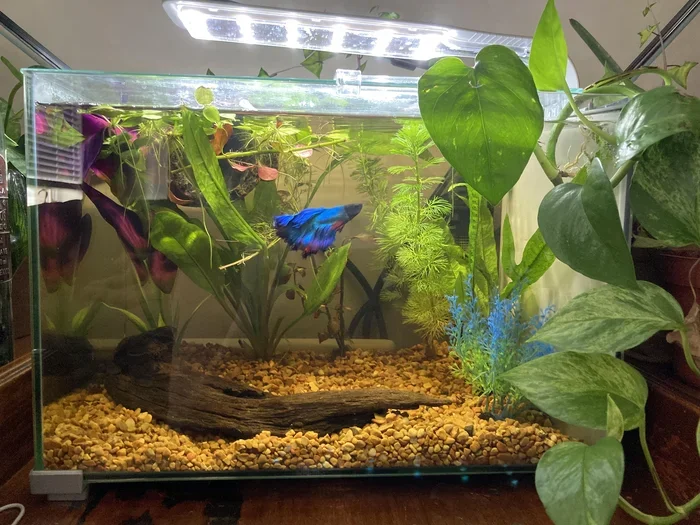
Can Betta Fish Live in Cold Water The Truth About Their Survival

Can betta fish live in cold water? The short answer is no, they cannot thrive in chilly conditions. Betta fish are tropical creatures that need warm, stable water to stay healthy and active. When the temperature drops too low, their immune system weakens and they become sluggish. This guide will show you exactly why warmth matters and how to protect your fish.
This is a comprehensive guide about can betta fish live in cold water.
Key Takeaways
- Betta fish are tropical: They originate from warm climates and require heated water to survive long term.
- Cold water causes stress: Low temperatures slow their metabolism and weaken their immune system.
- Ideal temperature range: Keep water between 78 and 82 degrees Fahrenheit for optimal health.
- Sudden temperature drops are dangerous: Rapid cooling can shock your fish and lead to illness or death.
- Heaters are essential: A reliable aquarium heater helps maintain stable, warm water year round.
- Monitor water temperature regularly: Use a good thermometer to catch fluctuations before they harm your betta.
- Cold rooms affect tanks: Even indoor rooms that feel cool can lower tank temperature over time.
[FEATURED_IMAGE_PLACEHOLDER]
Can Betta Fish Live in Cold Water The Truth About Their Survival
Many new fish owners ask can betta fish live in cold water before they even bring their first fish home. It is a smart question to ask. Betta fish look beautiful and seem tough, but they have very specific needs. One of the biggest mistakes people make is assuming these fish can handle cool or room temperature water. They cannot.
Bettas come from warm, shallow waters in Southeast Asia. Those natural habitats stay consistently warm throughout the year. When you keep a betta in cold water, you are asking the fish to survive in an environment it never evolved for. That mismatch causes real health problems. In this article, we will break down exactly why temperature matters, what happens when water gets too cold, and how you can create the best setup for your betta.
You will also learn how to spot early warning signs, what equipment you really need, and how to avoid common temperature mistakes. By the end, you will know how to keep your betta comfortable, active, and healthy.
Why Temperature Matters So Much for Betta Fish
Water temperature is one of the most important parts of betta care. It affects everything from digestion to breathing to overall energy. When the water is too cold, your betta cannot function the way it should. That is why people who wonder can betta fish live in cold water often see their fish become dull, slow, or sick.
How Warm Water Supports Betta Health
Warm water helps bettas stay active and alert. It supports a healthy metabolism, which means your fish can digest food properly and use energy throughout the day. Stable warmth also helps the immune system do its job. A healthy immune system matters because it protects your fish from common illnesses.
In the right temperature range, bettas usually show brighter colors, better appetite, and more natural behavior. They swim with purpose, explore their tank, and respond to their surroundings. That is what a healthy betta should look like.
What Happens When Water Gets Too Cold
When the water temperature drops, your betta’s body slows down. Breathing can become sluggish. Digestion gets harder. The fish may stop moving much and spend more time resting at the bottom or near the surface. This is not relaxation. It is often a sign that the fish is struggling.
Cold water also makes bettas more vulnerable to disease. A stressed fish is easier target for infections and parasites. Even if the water is not freezing, a temperature that is too low for too long can still cause serious problems. That is why the question can betta fish live in cold water is really about long term health, not just short term survival.
The Ideal Temperature Range for Bettas
Most bettas do best in water that stays between 78 and 82 degrees Fahrenheit. This range mimics the warm conditions they prefer in the wild. It gives them enough warmth to stay active without pushing them into overly hot stress. You do not need to aim for the very top of that range every day. Consistency matters more than chasing a perfect number.
A stable temperature within that range is a big part of good betta care. If the water stays steady, your fish does not have to constantly adjust to changing conditions. That stability helps reduce stress and supports better overall health.
Can Betta Fish Survive in Cold Water Short Term
Some people hope their betta can handle a temporary drop in temperature. Maybe the heater broke, or the tank was moved, or the room got unusually chilly. So, can betta fish live in cold water for a short period? Sometimes a betta may survive a brief dip in temperature, but survival is not the same as thriving.
Short Term Exposure Versus Long Term Harm
A short, accidental temperature drop may not kill a betta right away. The fish might seem okay at first. But even brief cold exposure can be stressful. If the temperature stays low for too long, the risk grows quickly. The fish may become weaker, less responsive, and more likely to get sick.
This is why it is so important to fix temperature problems fast. Do not assume your betta is fine just because it is still moving. Stress can build quietly, and the effects may show up later.
Cold Room Conditions and Tank Temperature
Even if your tank heater works, the room around the tank matters too. A cold room can pull heat away from the water over time. That means the tank may drift lower than you expect. If you have ever asked can betta fish live in a cold room, the answer is that the room itself can create a constant challenge for your tank.
Drafts, open windows, air conditioning, and cold floors can all affect water temperature. It is a good idea to place the tank in a stable area away from sudden temperature changes. A spot near a heater, vent, or sunny window may not always be ideal either, so balance matters.
Signs Your Betta Is Too Cold
Bettas cannot tell you when they are uncomfortable, so you have to watch their behavior. If you are wondering can betta fish live in cold water in your own tank, look for these warning signs.
Behavior Changes to Watch For
- Less movement: The fish may swim slowly or stay still for long periods.
- Hiding more often: A cold betta may spend time tucked behind plants or decorations.
- Low appetite: Food interest can drop when the fish feels sluggish.
- Clamped fins: Fins may appear pressed close to the body instead of flowing naturally.
- Surface breathing: The fish may hang near the top more than usual.
These signs do not always mean cold water is the only problem, but they are strong clues. If you notice them, check your temperature right away.
Physical Signs of Temperature Stress
Temperature stress can also show up in the fish’s appearance. Colors may look duller. The fish may seem pale or tired. In some cases, illness follows soon after the stress starts. That is why early action matters. If you catch the problem quickly, you can often help your betta recover before things get worse.
How to Keep Betta Water Warm and Stable
If you want to give your betta the best chance at a long, healthy life, you need a setup that keeps the water warm and steady. The question can betta fish live in cold water is best answered by preventing cold water in the first place. Here is how to do that.
Choose the Right Heater
A good aquarium heater is one of the most important tools for betta care. It helps maintain a consistent temperature even when the room cools down. When choosing a heater, think about tank size, reliability, and ease of use. A heater that is too weak for the tank will struggle to keep the water warm. A heater that is too strong can make temperature control harder.
It is also smart to pick a heater with a built in thermostat or adjustable setting. That way you can set the temperature and help keep it within the range your betta prefers.
Use a Reliable Thermometer
You cannot manage what you do not measure. A thermometer gives you a clear picture of what is happening in the tank. It helps you spot drops early and confirm that your heater is doing its job. Digital thermometers and simple stick on thermometers can both work well, as long as you check them regularly.
Make it part of your routine. A quick daily check takes very little time and can prevent big problems later.
Avoid Common Temperature Mistakes
- Placing the tank in a drafty area: Cold air flow can lower water temperature over time.
- Turning the heater off too often: Inconsistent heating creates swings that stress fish.
- Ignoring room temperature changes: Seasonal shifts and air conditioning can matter more than many people expect.
- Using a tank that is too small without proper heating: Small volumes of water can lose heat quickly.
- Relying on room temperature alone: Room temperature is usually not warm enough for a betta tank.
What to Do If the Water Gets Too Cold
Sometimes temperature problems happen anyway. A heater may fail, a power outage may occur, or the tank may be moved to a colder spot. If that happens, act quickly and calmly. The goal is to raise the temperature safely without shocking the fish.
Warm the Tank Gradually
Do not dump hot water into the tank. Sudden heat changes can be just as dangerous as cold ones. Instead, warm the water slowly and steadily. You can use a proper aquarium heater if it is still working. If you are trying to stabilize the tank during a problem, you may need temporary backup options, but the key is gradual change.
Watch the thermometer closely. Small, steady improvements are better than fast swings.
Check for Stress and Illness After a Cold Period
After the temperature returns to a better range, keep a close eye on your betta. Look for changes in appetite, movement, and appearance. If the fish seemed stressed for a while, it may need extra attention. Clean water, good feeding, and a calm environment can help it recover.
If you notice signs of illness, address them early. A stressed betta is more likely to develop problems, so do not wait too long if something seems off.
Common Myths About Betta Temperature
There is a lot of bad advice floating around about betta care. Let’s clear up a few common misunderstandings related to can betta fish live in cold water.
Myth Cold Water Is Fine Because Bettas Are Hardy
Bettas can seem tough, but hardy does not mean indestructible. They can tolerate some changes, but they still need the right conditions. A betta may survive in less than ideal water for a while and still suffer for it. Survival is not the same as good care.
Myth Room Temperature Is Enough
In many homes, room temperature is lower than what a betta prefers. That means a tank without a heater may slowly drift into a range that is too cool. If you want your betta to stay healthy, do not assume the room will do the job for you.
Myth Bettas Do Not Need a Heater in Warm Weather
Even in warmer months, temperature can fluctuate. Nighttime drops, weather changes, and air conditioning can all affect the tank. A heater helps keep things stable, not just warm. Stability is one of the biggest gifts you can give your fish.
Quick Tips for Better Betta Temperature Control
Here are a few simple habits that make a big difference.
- Keep your tank away from drafts, vents, and direct cold air flow.
- Check your thermometer at least once a day.
- Use a heater that matches your tank size.
- Make temperature adjustments slowly.
- Watch your betta’s behavior as an early warning system.
- Keep the tank in a room with a fairly stable temperature.
- Have a backup plan in case your heater fails.
Expert Insight Stable Warmth Is the Real Goal
The best betta setups are not just warm. They are stable. A fish that lives in a steady, appropriate temperature range spends less energy coping with stress and more energy living normally. That means better feeding, better movement, and better overall condition.
If you are asking can betta fish live in cold water because you want to keep things simple, the honest answer is that simple care still needs the right temperature. Warmth is not an extra luxury. It is a basic need.
Key Takeaways for Betta Temperature Care
Before you finish setting up or adjusting your tank, remember these points.
- Bettas need warmth: They are tropical fish, not cold water fish.
- Consistency matters: Stable temperature is just as important as the number itself.
- Cold water creates stress: Sluggish behavior and weak immunity are common results.
- Heaters help prevent problems: A good heater reduces the risk of dangerous drops.
- Watch for warning signs: Behavior changes often show up before serious illness does.
- Fix issues quickly: Gradual correction is safer than sudden changes.
- Good temperature supports everything else: Feeding, activity, and health all improve when the water is right.
Conclusion
So, can betta fish live in cold water? They may survive for a short time in some situations, but they should not live in cold water long term. Cold conditions put stress on their bodies, slow their natural functions, and increase the risk of illness. If you want a healthy, active betta, warm and stable water is the way to go.
Keep the tank in a steady location, use a reliable heater, and check the temperature often. Watch your fish for signs of discomfort and make changes slowly when needed. With the right setup, your betta can live in a comfortable environment that supports its health and natural behavior. That is the best answer to the question, and the best way to care for your fish.
Frequently Asked Questions
Can betta fish live in cold water for a short time?
They may survive briefly, but cold water still causes stress and can weaken the fish quickly. It is best to correct the temperature as soon as possible.
What temperature is too cold for a betta fish?
Any temperature well below the preferred warm range can become unsafe if it stays there too long. Consistency matters, so avoid letting the water drift too low.
Do betta fish need a heater?
Yes, a heater is usually the best way to keep the water warm and stable. It helps prevent drops that can stress or harm your fish.
Can a betta fish live in a cold room?
A cold room can make it harder to keep the tank at a healthy temperature. The tank may lose heat over time, so placement matters.
How do I know if my betta is too cold?
Look for slow movement, low appetite, hiding, and clamped fins. Checking the thermometer is the fastest way to confirm the problem.
What should I do if my betta tank gets too cold?
Warm the water gradually and monitor the fish closely afterward. Avoid sudden temperature changes, since they can shock the fish.