How Often Do You Have To Feed A Betta Fish For Best Health

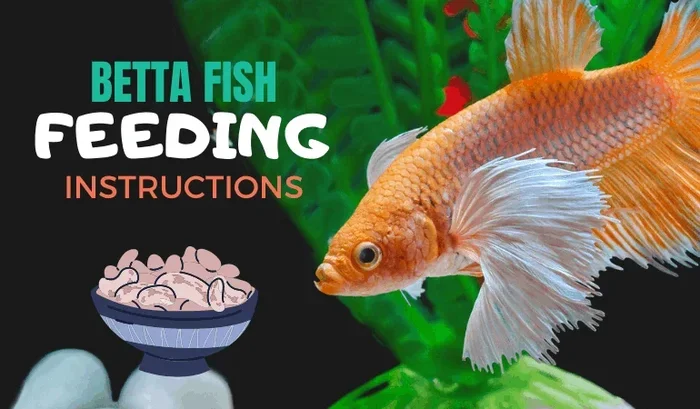
Feeding your betta fish the right amount at the right time is crucial for its long-term health and vitality. Most adult bettas thrive on a schedule of two small meals per day, with portions they can finish in under two minutes. Overfeeding is a common mistake that leads to poor water quality and serious digestive issues. By mastering a simple feeding routine, you will keep your aquatic friend active, colorful, and disease-free.
Key Takeaways
- Ideal Schedule: Feed adult betta fish twice daily with small, manageable portions.
- Portion Control: Offer only what your fish can eat in two minutes to prevent waste.
- Fasting Benefits: Skipping one day per week helps digestion and mimics natural cycles.
- Watch for Signs: A swollen belly or lethargy often signals overfeeding or constipation.
- Water Quality Link: Uneaten food decays quickly, so remove leftovers promptly.
- Age Matters: Fry and juveniles need more frequent, smaller meals than adults.
- Variety Helps: Rotate high-quality pellets, frozen foods, and occasional treats for balanced nutrition.
📑 Table of Contents
- Understanding the Basics of Betta Feeding
- How Often Do You Have To Feed A Betta Fish for Peak Health
- Portion Control and the Two-Minute Rule
- The Role of Fasting and Rest Days
- Choosing the Right Foods for Your Betta
- Common Feeding Mistakes and How to Avoid Them
- Expert Insights on Long-Term Betta Care
- Conclusion
Understanding the Basics of Betta Feeding
Betta fish are small, vibrant creatures with surprisingly big appetites. Many new owners assume these fish need constant food, but that is not true. In fact, knowing how often do you have to feed a betta fish is one of the most important skills for keeping them healthy. These fish originate from shallow rice paddies and slow-moving streams in Southeast Asia. In the wild, they eat small insects, larvae, and tiny crustaceans whenever they find them. This natural pattern means they are built to handle periods of feast and famine.
Your home aquarium is very different from a wild habitat. Food is always available, and there are no predators to keep them active. This makes portion control and timing essential. A proper feeding routine supports strong immunity, bright colors, and steady growth. It also keeps your tank water clean and stable. When you understand their natural habits, you can create a simple schedule that works for both you and your fish.
How Often Do You Have To Feed A Betta Fish for Peak Health
The short answer is that most healthy adult bettas do best with two small feedings per day. This rhythm matches their active periods and gives their digestive systems time to rest. You should offer food in the morning and again in the late afternoon or early evening. Each meal should be tiny enough that your fish finishes it within two minutes. If food sinks to the bottom or lingers on the surface, you are giving too much.
Young bettas, also called fry or juveniles, need more frequent meals. Their bodies are still growing, and they burn energy quickly. You can offer them three to four small feedings daily. The portions remain small, but the frequency increases. As they mature, you can gradually shift to the standard adult schedule. Watching their behavior is the best guide. Active fish that swim to the front of the tank during meal times are usually ready to eat.
Consistency matters just as much as frequency. Fish thrive on routine. They learn to anticipate food at certain times, and their metabolism adjusts accordingly. Try to feed at roughly the same hours each day. This simple habit reduces stress and makes it easier to spot changes in appetite. A sudden drop in interest often signals illness or poor water conditions.
Adjusting the Schedule for Your Specific Tank
Not every aquarium is the same. Water temperature, tank size, and filtration all play a role in how much food your betta needs. Warmer water speeds up metabolism, so fish in heated tanks may need slightly more frequent attention. Cooler water slows digestion, meaning you can stretch the time between meals. If your tank lacks strong filtration, uneaten food breaks down faster and harms water quality. In those cases, stick to conservative portions and remove leftovers quickly.
You should also consider your fish’s activity level. A highly active betta burns more calories than a shy or sedentary one. Observe how your fish moves throughout the day. If it explores constantly and flares occasionally, it likely needs the standard two-meal routine. If it hides often or rests on the bottom, you may need to reduce portions slightly. Every fish is unique, so let behavior guide your choices.
Portion Control and the Two-Minute Rule
Portion size is where many owners go wrong. It is easy to overestimate how much a small fish needs. A betta’s stomach is roughly the size of its eye. That visual cue is your best guide. Each meal should equal about two to three high-quality pellets, or a small pinch of flakes. If you use frozen or live foods, keep the serving very modest.
The two-minute rule is a simple way to prevent overfeeding. Drop the food in and watch your fish eat. If it finishes everything in that window, you nailed the portion. If food remains after two minutes, remove the excess with a net or siphon. Leftover food decays rapidly. It releases ammonia, clouds the water, and stresses your fish. Clean water is just as important as good nutrition.
You can also alternate food types to keep things balanced. Pellets provide steady nutrition, while frozen brine shrimp or bloodworms add variety. Treats should stay occasional, not daily. Rotating foods prevents nutritional gaps and keeps your betta interested. Just remember that treats still count toward the daily total. Do not add extra meals when you introduce a new food type.
Signs You Are Feeding Too Much
Overfeeding shows up in clear ways. The most obvious sign is a swollen or distended belly. Your betta may look rounder than usual, especially near the midsection. You might also notice cloudy water, excess algae growth, or a foul smell coming from the tank. These issues point to decaying food and poor filtration. Behavior changes matter too. A lethargic fish that stops exploring or hides constantly may be struggling with digestion.
Constipation is another common result of too much food. Betta fish have simple digestive tracts, and excess material can slow things down. You may see stringy waste or notice your fish struggling to swim normally. In severe cases, swim bladder issues can develop. Catching these signs early lets you adjust portions before serious harm occurs. A short fasting period often helps clear the system.
The Role of Fasting and Rest Days
Giving your betta a break from food is a healthy practice. Many experienced keepers skip one day per week. This rest day mimics natural cycles and gives the digestive tract time to clear. It also reduces the risk of constipation and keeps water quality stable. You do not need to worry about your fish going hungry for a single day. Betta fish handle short fasts very well.
Some owners prefer a lighter meal on one day instead of a full skip. Both approaches work. The key is to avoid back-to-back heavy feeding days. Spread the portions evenly across the week. If you travel or miss a feeding, do not panic. A missed meal is rarely harmful. In fact, it can be a gentle reset for your fish’s system.
Fasting is especially useful after introducing new foods or during water change weeks. It gives your betta a chance to process everything smoothly. You can also use a rest day to observe behavior without the distraction of feeding. Watch for signs of stress, unusual hiding, or changes in color. These quiet moments often reveal important clues about your fish’s overall condition.
How Fasting Supports Digestion and Water Quality
Digestion in bettas is efficient but sensitive. Large or frequent meals can overwhelm their system. A weekly break allows the gut to empty fully. This lowers the chance of bloating and keeps waste production steady. Less waste means fewer toxins in the water. Ammonia and nitrite levels stay more stable, which protects your fish’s gills and immune system.
Water quality and feeding are tightly connected. Every uneaten pellet or leftover treat becomes a pollutant over time. By controlling portions and adding a rest day, you reduce the organic load in your tank. Your filter works more efficiently, and your maintenance routine becomes easier. Clean water supports vibrant scales, strong fins, and active swimming. It is a simple cycle that pays off quickly.
Choosing the Right Foods for Your Betta
Nutrition shapes everything from color intensity to energy levels. High-quality betta pellets should form the foundation of your routine. Look for formulas with real protein sources like fish meal or shrimp. Avoid fillers that add bulk without nutrition. The best pellets sink slowly or float briefly, making them easy for your betta to catch.
Frozen foods are excellent supplements. Brine shrimp, daphnia, and bloodworms offer variety and mimic natural prey. These options are rich in nutrients and often spark enthusiastic feeding responses. Live foods work too, but they require careful sourcing to avoid parasites or poor water conditions. If you choose live options, buy from reputable suppliers and quarantine when possible.
Treats should stay occasional. Many owners ask can you feed peanut butter to a betta fish, and the answer is no. Human foods like peanut butter, bread, or dairy are unsafe and hard to digest. They pollute the water and can cause serious blockages. Instead, stick to fish-safe options. If you want a snack, try a small piece of freeze-dried treat or a few crushed pellets. Variety is good, but safety comes first.
Comparing Food Types for Daily Feeding
Different foods serve different purposes. Pellets are convenient and nutritionally balanced. Frozen foods add excitement and extra nutrients. Flakes are easy to use but can create more waste if overused. Here is a quick comparison to help you choose:
- Pellets: Steady nutrition, easy to portion, low waste when used correctly.
- Frozen Foods: High protein, natural mimicry, great for variety and appetite stimulation.
- Flakes: Simple and affordable, but can fragment and cloud water if portions are too large.
- Treats: Best used sparingly, ideal for training or bonding, should never replace staple foods.
You can rotate these options throughout the week. For example, use pellets for daily meals and add a frozen treat once or twice. This keeps your betta engaged and supports balanced nutrition. Always watch how your fish responds. Some bettas prefer certain textures or sizes. Adjust based on what your fish eats eagerly and cleanly.
Common Feeding Mistakes and How to Avoid Them
Even well-meaning owners make errors. The most frequent mistake is giving too much food. It feels caring to offer extra, but it harms water quality and digestion. Stick to small portions and trust the two-minute rule. Another common error is inconsistent timing. Random feeding confuses your fish and makes it harder to notice appetite changes. Set a simple routine and follow it.
Using the wrong foods is another pitfall. Human snacks, bread, and fatty foods are dangerous. They do not provide proper nutrition and can cause blockages. Some owners also rely on a single food type for months. Monotony can lead to nutritional gaps and reduced interest. Rotate safe options and keep treats minimal.
Ignoring water changes is a hidden mistake. Feeding and maintenance go hand in hand. Even perfect portions create some waste. Regular water changes remove dissolved pollutants and keep the environment stable. If you notice cloudy water or excess debris, check your feeding habits first. Small adjustments often solve the problem quickly.
Quick Tips for Safer Feeding
Here are a few practical habits that make a big difference:
- Pre-measure portions: Use a small dish or your fingers to avoid guessing.
- Remove leftovers: Siphon or net out uneaten food after two minutes.
- Watch behavior: Active fish at meal times usually mean healthy appetite and good conditions.
- Keep a schedule: Feed at similar times daily to reduce stress and build routine.
- Rotate safely: Mix pellets with occasional frozen treats for balanced nutrition.
- Track changes: Note appetite shifts, belly shape, and water clarity to catch issues early.
Expert Insights on Long-Term Betta Care
Experienced keepers agree that feeding is only one part of the picture. Water parameters, tank size, and enrichment all influence how your betta responds to meals. A well-maintained tank with gentle filtration and stable temperature supports better digestion. Adding plants, hiding spots, and gentle surface movement gives your fish mental stimulation. Active, curious bettas often show stronger appetites and better overall condition.
Observation is your best tool. Spend a few minutes each day watching your fish without disturbing the tank. Note swimming patterns, color brightness, and how quickly your betta approaches food. These details reveal more than any single test kit. If you ever notice persistent bloating, lethargy, or refusal to eat, check water quality first. Then consider adjusting portions or adding a short fast. Small changes often restore balance quickly.
You may also wonder do betta fish have treats for a snack, and the answer is yes, but they should be fish-safe and occasional. Treats can strengthen your bond and add variety, yet they must never replace a solid staple diet. Keep portions modest, maintain clean water, and stay consistent. Over time, these habits create a thriving environment where your betta can live fully and comfortably.
Conclusion
Learning how often do you have to feed a betta fish is a simple but powerful step toward better care. Most adults thrive on two small meals per day, with portions they can finish in under two minutes. Adding a weekly rest day supports digestion and keeps water quality high. Young fish need more frequent feedings, while adults benefit from steady routines and careful portion control. Avoid human foods, skip the overfeeding trap, and rotate safe options for balanced nutrition. With consistent habits and close observation, your betta will stay active, colorful, and healthy for years to come.
Frequently Asked Questions
How many times a day should I feed my betta fish?
Most adult bettas do best with two small feedings per day, usually in the morning and evening. Each portion should be tiny enough that your fish finishes it within two minutes. Younger bettas may need three to four small meals daily while they grow.
Can I skip a day of feeding without harming my betta?
Yes, skipping one day per week is generally safe and can even help digestion. A short fast mimics natural cycles and reduces the risk of constipation. Your betta will not suffer from a single missed meal, and it can help keep water cleaner.
What happens if I feed my betta too much?
Overfeeding can cause a swollen belly, constipation, and poor water quality from decaying leftovers. You may also see cloudy water, excess algae, or a fish that becomes lethargic. Reduce portions immediately and consider a short fasting period to help your betta recover.
How much food should I give at each meal?
A good rule is two to three high-quality pellets or a small pinch of flakes per meal. Your betta’s stomach is roughly the size of its eye, so keep portions modest. If food remains after two minutes, remove the excess to protect water quality.
Can I feed my betta fish treats like frozen brine shrimp?
Yes, frozen brine shrimp and similar options make excellent occasional treats. They add variety and can spark enthusiastic feeding, but they should not replace staple pellets. Keep treat portions small and offer them only a few times per week.
Do water changes affect how often I should feed my betta?
Water changes do not change the basic feeding schedule, but they are closely linked to feeding habits. Uneaten food and waste build up quickly, so regular water changes help maintain a healthy environment. If you notice water quality dropping, review your portions and remove leftovers promptly.