Why Is There a Bump on My Betta Fish
Seeing a bump on your betta fish can be alarming, but most bumps have identifiable reasons and easy fixes. Learn the common culprits—from parasites to water issues—and how to act fast so your betta stays vibrant and thriving.
Key Takeaways
- Identify the type: Bumps can be tumors, parasites, injuries, or fungal growths, each needing a different response.
- Water quality matters: Poor parameters often trigger skin problems and weaken immunity.
- Quarantine first: Isolate a bumpy betta to prevent spread and to treat safely.
- Treat promptly: Early medication or water changes can stop a minor issue from becoming fatal.
- Observe behavior: Changes in swimming, eating, or coloration give clues about the bump’s seriousness.
- Prevention is key: Regular tank maintenance and a balanced diet reduce future bumps.
- Seek expert help: When in doubt, consult a vet or experienced hobbyist for diagnosis.
📑 Table of Contents
Introduction: When a Bump Pops Up
Finding a lump or bump on your betta fish can feel like a mini heart attack. You’ve spent time setting up the perfect tank, choosing the right foods, and now—boom—something’s wrong. The good news? Most bumps are not instant death sentences. With a little detective work and timely action, you can often clear up the problem and get your finned friend back to flashing its brilliant colors.
In this guide we’ll walk through the most common reasons a betta develops a bump, how to tell which cause you’re dealing with, and step‑by‑step remedies you can try at home. By the end, you’ll feel confident spotting early warning signs and keeping your betta in peak condition.
1. Common Types of Bumps and What They Mean
1.1 Parasite‑Induced Growths
External parasites such as Ichthyophthirius multifiliis (ich) or Costia can cause raised, white or grayish spots that look like tiny bumps. These parasites latch onto the skin and feed on mucus, leading to inflammation.

Visual guide about Why Is There a Bump on My Betta Fish
Image source: static01.nyt.com
1.2 Fungal Infections
Fungal mats often start as a small white or pinkish nodule that spreads outward, giving a fuzzy appearance. They thrive in warm, stagnant water—exactly the kind of environment many betta owners unintentionally create.
1.3 Bacterial Abscesses
When bacteria enter a tiny cut or abrasion, the fish’s immune system may wall it off, forming a pus‑filled lump. These bumps are usually red, swollen, and may ooze if pressed.
1.4 Tumors and Neoplasms
Although rarer, bettas can develop benign or malignant tumors. These growths are often firm, irregular, and may grow slowly over weeks. A tumor rarely resolves without professional treatment.
1.5 Physical Injuries
Sharp décor, aggressive tank mates, or even a busted fin can leave a raised scar. Injuries may look like a bump but are usually accompanied by bleeding or frayed tissue.
2. Checking the Basics: Water Quality and Tank Conditions
2.1 Test Your Water
Bad water is the silent killer behind many skin problems. Use a liquid test kit to check ammonia, nitrite, nitrate, and pH. Ideal betta parameters are:

Visual guide about Why Is There a Bump on My Betta Fish
Image source: auctions.c.yimg.jp
- Ammonia: 0 ppm
- Nitrite: 0 ppm
- Nitrate: < 20 ppm
- pH: 6.5–7.5
If any value is out of range, perform a partial water change (25–30 %) and re‑test after a few hours.
2.2 Temperature Matters
Betta fish love warmth—ideally 78–80°F (25–27°C). Temperatures below 74°F stress the immune system, making bumps more likely. Use an aquarium heater with a reliable thermostat and check it daily.
2.3 Filtration and Flow
Even a gentle sponge filter helps keep water moving and oxygenated. Stagnant water encourages fungal spores and bacterial growth. If your tank has no filter, consider adding a low‑flow unit.
3. Spotting Red Flags: When a Bump Signals a Bigger Problem
3.1 Changes in Appetite
If your betta stops eating or begins spitting out food, it could be a sign the bump is painful. See our article on why betta fish spit out food for more clues.
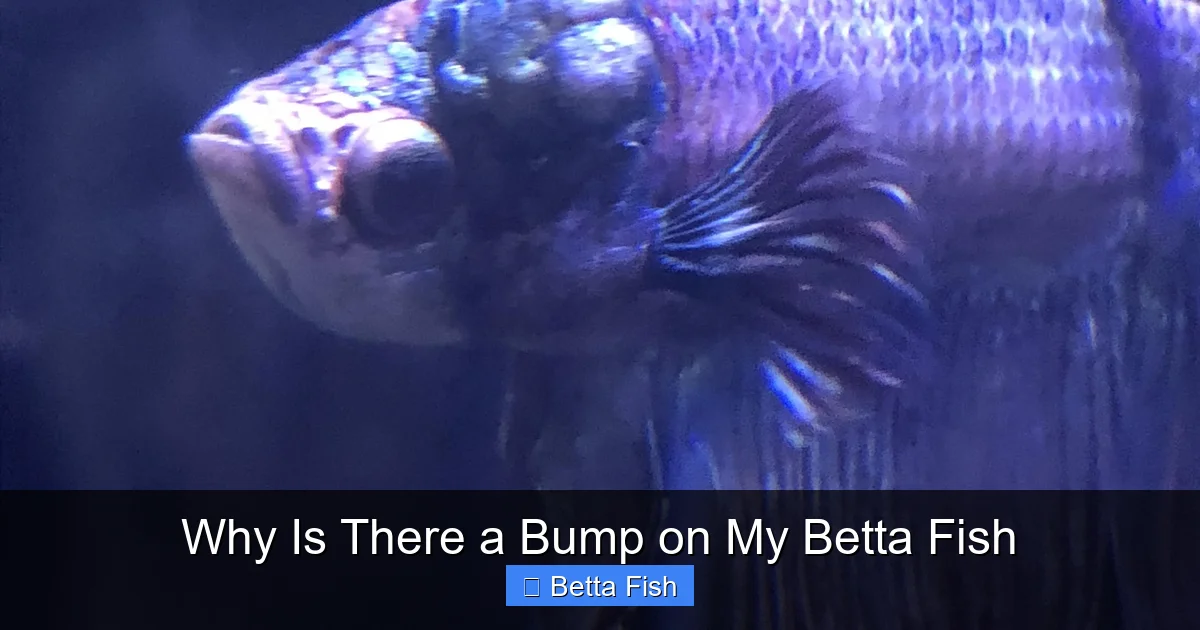
Visual guide about Why Is There a Bump on My Betta Fish
Image source: i.redd.it
3.2 Odd Swimming Patterns
Floating sideways, swimming erratically, or staying glued to the bottom often means the fish is ill. Check out why bettas float sideways for related symptoms.
3.3 Color Fading or White Patches
Sudden loss of color or white spots can accompany fungal or parasitic bumps. If you also notice the fish turning white, read our guide on why betta fish turn white.
3.4 Excessive Scratching
Rubbing against décor or the tank glass repeatedly indicates irritation. This behavior can worsen an existing wound, turning a small cut into a larger abscess.
4. Step‑by‑Step Treatment Plan
4.1 Quarantine the Affected Betta
Move the fish to a separate hospital tank (2–5 gallon) with the same temperature and water parameters. This prevents any potential disease from spreading to tank mates.
4.2 Identify the Bump Type
Use a magnifying glass or a smartphone macro lens to examine the bump:
- White, peppered spots: Likely parasites.
- Fuzzy, cotton‑like growth: Fungal infection.
- Red, pus‑filled swelling: Bacterial abscess.
- Firm, irregular lump: Possible tumor.
4.3 Medication Options
Based on the identification:
- Parasites: Treat with a 7‑day dose of copper‑based medication (e.g., CopperSafe) or a formalin dip (25 ppm for 30 seconds, repeat daily for three days).
- Fungus: Add a fungal treatment like malachite green (0.5 ppm) or use a commercial anti‑fungal broth for 5 days.
- Bacterial: Broad‑spectrum antibiotics such as Maracyn 2 (2 ml per 10 g of fish) for 5 days work well.
- Tumor: Unfortunately, home remedies are ineffective. Consult a vet experienced with fish for possible surgery or euthanasia if quality of life declines.
4.4 Supportive Care
During treatment, feed high‑quality, easily digestible foods like frozen bloodworms or brine shrimp. Add a small amount of aquarium salt (1 g per 5 gallon) to reduce stress and aid healing.
4.5 Monitor Progress
Check the bump daily. If it shrinks, the treatment is working. If it worsens after 48 hours, consider switching medication or seeking professional help.
5. Prevention: Keeping Bumps at Bay
5.1 Regular Water Changes
Changing 25 % of the water weekly removes waste and keeps nitrate low. Use a water conditioner to neutralize chlorine and chloramines.
5.2 Clean, Soft Décor
Choose smooth plants, driftwood, or silk ornaments. Avoid sharp rocks or cheap plastic decorations that can cut delicate skin.
5.3 Balanced Diet
Feed a varied diet: high‑protein pellets, occasional live or frozen foods, and a small amount of vegetable matter (blanched peas). Overfeeding leads to waste buildup, which fuels disease.
5.4 Quarantine New Arrivals
Any new betta or snail should spend at least two weeks in a separate tank before joining the main community. This catches hidden parasites early.
5.5 Keep an Eye on Temperature
Invest in a reliable aquarium heater and a thermometer. Fluctuations of more than 2°F can stress the fish and make skin issues more likely.
Conclusion
A bump on a betta fish is rarely a mystery once you understand the common causes. By checking water quality, observing behavior, and treating promptly, most bumps resolve without lasting damage. Remember to quarantine, use the right medication, and maintain a clean, stable environment to keep future growths at bay. With attentive care, your betta will continue to flash its radiant colors and dance across the surface for years to come.
Frequently Asked Questions
Why does my betta have a white bump on its head?
White bumps are often a sign of parasitic infection (like ich) or a fungal growth. A quick dip in a formalin solution and a water change usually clear it up.
Can a bump be a tumor, and how do I know?
Yes, tumors can appear as firm, irregular lumps that grow slowly. If the bump is hard, non‑responsive to medication, and the fish’s health declines, consult a vet.
Is it safe to use copper medication if I have live plants?
Copper can be toxic to many live plants. If you need to treat parasites, move the betta to a hospital tank without plants or use a plant‑safe medication like formalin.
How long should I wait before seeing improvement after treatment?
Most effective treatments show visible improvement within 48–72 hours. If the bump hasn’t shrunk after three days, re‑evaluate the diagnosis or try a different medication.
My betta stopped eating after the bump appeared. What should I do?
Offer soft, high‑protein foods like frozen bloodworms and reduce feeding frequency to avoid waste buildup. If appetite doesn’t return in 24 hours, check water parameters and consider treatment.
Can poor water quality cause bumps?
Yes. High ammonia or nitrate levels stress the immune system, allowing parasites and fungi to take hold. Regular water changes and testing are essential prevention steps.