Betta fish and water frogs may seem like an interesting tank pairing, but they generally should not live together. Their environmental needs, behaviors, and dietary requirements differ significantly, creating a high-stress environment for both animals. This article explores why this combination is risky and what alternatives work better for a harmonious aquarium.
Key Takeaways
- Different Temperature Needs: Betta fish thrive in warm water (76–82°F), while many water frogs prefer cooler temperatures, making it hard to meet both species’ needs in one tank.
- Aggression Risk: Betta fish are territorial and may attack or stress out water frogs, especially during feeding or breeding times.
- Dietary Conflicts: Both species are carnivorous and may compete for food, leading to malnutrition or aggression.
- Water Quality Sensitivity: Frogs produce more waste and are sensitive to ammonia, which can harm bettas if filtration isn’t optimal.
- Stress and Disease: Co-habitation increases stress, weakening immune systems and raising disease risk for both animals.
- Better Alternatives Exist: Peaceful tank mates like snails or shrimp are safer and more compatible with bettas.
- Expert Recommendation: Most aquarists advise against housing bettas with water frogs due to high risk and low success rate.
📑 Table of Contents
Can Betta Fish Live with Water Frogs? A Complete Guide
If you’ve ever wondered, “Can betta fish live with water frogs?”—you’re not alone. Many aquarium enthusiasts dream of creating a diverse, vibrant tank with multiple species. But when it comes to pairing bettas with aquatic frogs, the answer is usually no. While both are fascinating pets, their needs clash in ways that can lead to stress, illness, or even death.
In this guide, we’ll break down exactly why betta fish and water frogs don’t make good tank mates. We’ll cover their natural behaviors, environmental needs, feeding habits, and what experts recommend instead. Whether you’re a beginner or a seasoned fish keeper, this article will help you make the safest choice for your aquatic friends.
Understanding Betta Fish Behavior and Needs
Territorial Nature of Bettas
Betta fish, especially males, are famously territorial. In the wild, they defend small patches of water from intruders. This instinct doesn’t disappear in captivity. When another creature enters their space—like a water frog—they may see it as a threat. This can trigger aggressive behaviors such as flaring, chasing, or biting.
Even if your betta seems calm at first, stress can build over time. Constant vigilance wears them down, making them prone to diseases like fin rot or ich. That’s why choosing peaceful, non-threatening tank mates is crucial.
Ideal Water Conditions for Bettas
Bettas are tropical fish that need warm, clean water to stay healthy. The ideal temperature range is 76–82°F (24–28°C). They also prefer slightly acidic to neutral pH (6.5–7.5) and low water flow, since they’re not strong swimmers.
Maintaining stable water parameters is key. Sudden changes in temperature or pH can shock your betta and weaken its immune system. That’s why consistent filtration and regular water changes are non-negotiable.
What Are Water Frogs?
Common Types of Aquatic Frogs
When people say “water frogs,” they often mean African dwarf frogs or African clawed frogs. African dwarf frogs are small, fully aquatic, and popular in home aquariums. African clawed frogs are larger, more aggressive, and less suitable for community tanks.
Both types breathe air and must surface regularly. They’re also nocturnal, meaning they’re most active at night—opposite to bettas, which are diurnal (active during the day). This difference in activity cycles can cause unexpected interactions.
Habitat and Care Requirements
Water frogs need clean, well-oxygenated water with plenty of hiding spots. While African dwarf frogs can tolerate warmer water (up to 80°F), they often do best in the 72–78°F range—slightly cooler than what bettas prefer.
They’re also messy eaters and produce a lot of waste. Without strong filtration, ammonia levels can spike quickly, which is dangerous for both frogs and fish. Plus, they require a secure lid—they’re excellent escape artists!
Why Betta Fish and Water Frogs Don’t Mix
Temperature Incompatibility
One of the biggest issues is temperature. Bettas need consistently warm water to thrive. Water frogs, especially African dwarf frogs, can survive in warmer temps but may become stressed or short-lived if kept too hot. Trying to find a “middle ground” often means neither animal is truly comfortable.
For example, keeping the tank at 78°F might be okay for both—but it’s at the upper limit for frogs and the lower limit for bettas. Over time, this compromise can affect their health and lifespan.
Aggression and Stress
Bettas are known for their feisty personalities. A slow-moving frog wandering into their territory can trigger an attack. Even if the betta doesn’t injure the frog, the constant stress can weaken the frog’s immune system.
On the flip side, frogs might accidentally nip at a betta’s long, flowing fins—mistaking them for food or out of curiosity. This can lead to torn fins, infections, or chronic stress for the fish.
Feeding Challenges
Both bettas and water frogs are carnivores. Bettas eat pellets, freeze-dried bloodworms, or brine shrimp. Frogs prefer sinking pellets, live foods, or frozen treats. In a shared tank, the betta might hog all the food, leaving the frog underfed.
Alternatively, the frog might outcompete the betta during feeding time, especially if food sinks too fast. Either way, one animal ends up malnourished—a serious welfare concern.
Risks of Co-Habitation
Water Quality Issues
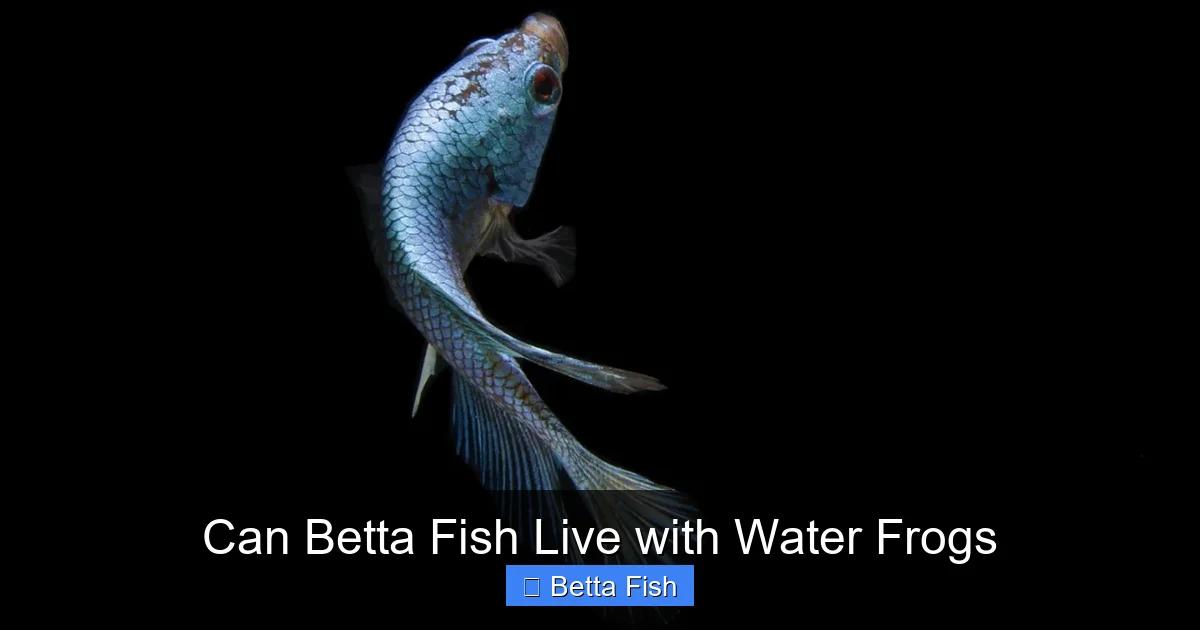
Frogs produce more waste than fish of similar size. Their high metabolism and messy eating habits mean ammonia and nitrite levels can rise fast. Bettas are sensitive to poor water quality, which can lead to gill damage, lethargy, or death.
Visual guide about Can Betta Fish Live with Water Frogs
Image source: doggodigest.com
To keep both species safe, you’d need a powerful filter and frequent water changes—sometimes twice a week. That’s a lot of maintenance for a tank that’s already high-risk.
Disease Transmission
Stress weakens immune systems. A stressed betta or frog is more likely to carry or contract diseases. Some pathogens can jump between species, especially in warm, crowded tanks. For example, Chytrid fungus, which affects amphibians, can persist in water and infect other animals.
Quarantining new pets is always smart—but even then, mixing species increases the chance of cross-contamination.
Safer Alternatives to Water Frogs
Peaceful Tank Mates for Bettas
If you want to add life to your betta’s tank, there are much safer options. Snails like nerite or mystery snails are excellent choices. They’re calm, help clean algae, and won’t bother your betta.
Shrimp, such as cherry or ghost shrimp, are another great option. Just know that some bettas may see tiny shrimp as snacks—so provide plenty of hiding places.
For fish, consider small, fast-moving species like ember tetras or corydoras catfish. These fish occupy different areas of the tank and rarely provoke bettas. Always research compatibility before adding any new pet.
Creating a Species-Only Tank
Sometimes, the best choice is to keep your betta alone. Bettas don’t get lonely—they’re solitary by nature. A well-decorated 5-gallon tank with plants, caves, and gentle filtration can be a paradise for a single betta.
If you love frogs, consider setting up a separate tank just for them. African dwarf frogs do best in groups of two or more and enjoy a species-only setup with soft substrate and live plants.
Expert Tips for a Healthy Aquarium
Monitor Behavior Closely
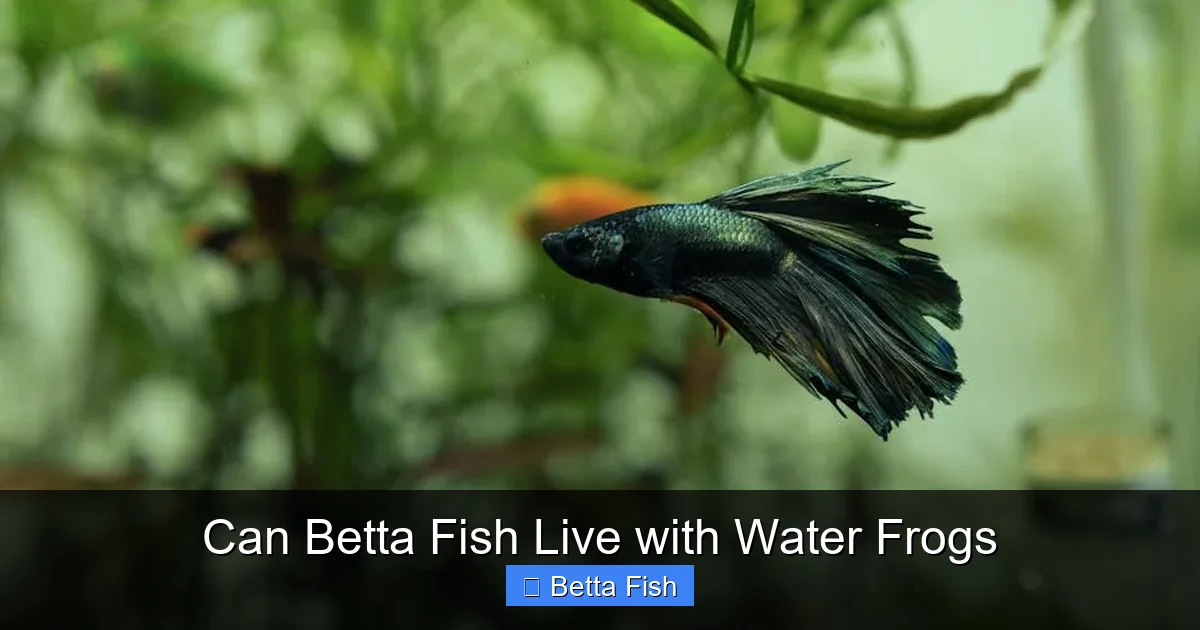
If you still want to try housing bettas and frogs together (not recommended), watch them 24/7 for the first week. Look for signs of stress: clamped fins, loss of color, hiding, or refusal to eat. Separate them immediately if aggression occurs.
Visual guide about Can Betta Fish Live with Water Frogs
Image source: doggodigest.com
Use a tank divider as a temporary measure while you observe. But remember—even if they seem fine at first, problems can develop over time.
Optimize Tank Setup
A larger tank (20 gallons or more) gives both animals space to establish territories. Include dense plants, caves, and floating logs to break lines of sight. This reduces confrontations and provides escape routes.
Use a gentle filter to avoid strong currents. Both bettas and frogs prefer calm water. And always keep the lid secure—frogs can jump out, and bettas are known to leap too.
Final Thoughts: Should You Try It?
After weighing all the factors, the answer to “Can betta fish live with water frogs?” is clear: it’s not worth the risk. The differences in temperature, behavior, diet, and waste production create a perfect storm for stress and illness.
Your betta will be happiest and healthiest in a species-only tank or with carefully chosen, peaceful companions. And your frogs will thrive in their own dedicated setup where their unique needs are fully met.
Remember, responsible pet ownership means prioritizing animal welfare over aesthetics. A beautiful tank isn’t worth it if your pets are suffering. Do your research, plan carefully, and always put your animals’ well-being first.
Frequently Asked Questions
Can African dwarf frogs live with betta fish?
It’s not recommended. While both can survive in similar water conditions, bettas may attack the frogs, and the frogs’ waste can harm water quality. Stress and aggression make this pairing risky.
What temperature do betta fish and water frogs need?
Bettas need 76–82°F, while water frogs prefer 72–78°F. This overlap is narrow and often forces one species into suboptimal conditions, which can affect their long-term health.
Will my betta eat my water frog?
Bettas won’t eat adult frogs, but they may nip at them out of aggression or curiosity. Small or juvenile frogs could be seen as prey, especially by more aggressive bettas.
Are there any frogs safe to keep with bettas?
No frog species is considered truly safe with bettas. Even peaceful frogs like African dwarf frogs face risks from betta aggression and environmental mismatches.
What are good tank mates for betta fish?
Safe options include snails, shrimp, and small peaceful fish like corydoras or ember tetras. Always introduce new tank mates slowly and monitor behavior closely.
How big should a tank be for a betta and frog?
If attempting cohabitation (not advised), a minimum of 20 gallons is needed to reduce territorial disputes. However, separate tanks are strongly recommended for both species’ well-being.

