Can Betta Fish Live with Platies
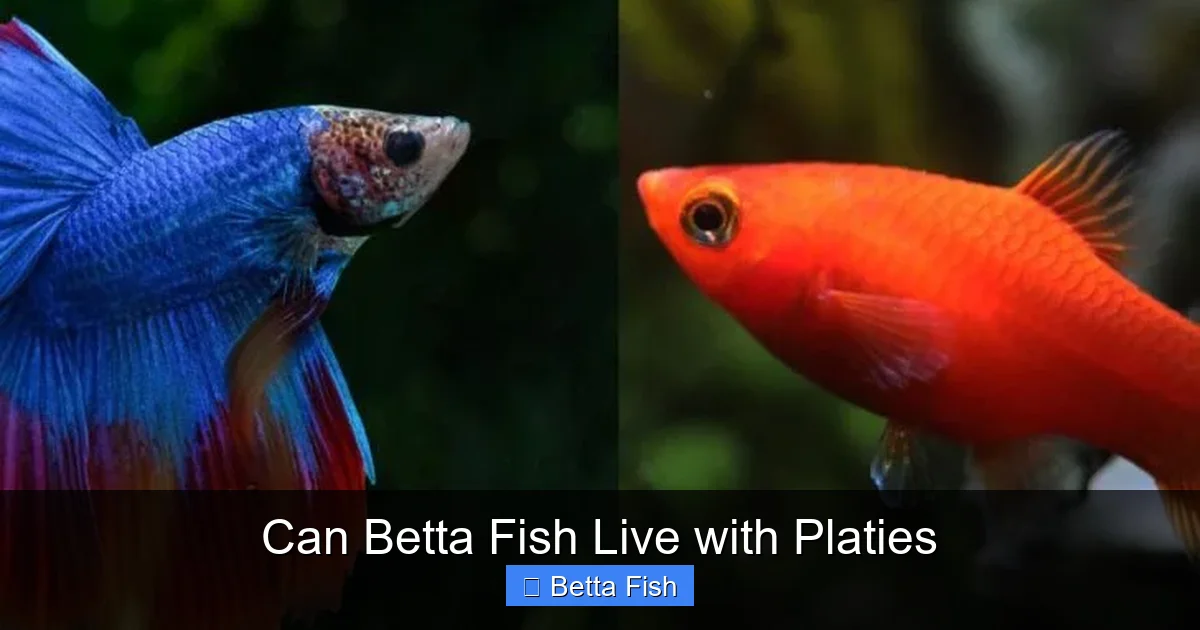
Can betta fish live with platies? It’s a common question among aquarium hobbyists looking to build a peaceful community tank. While it’s possible for bettas and platies to coexist, success depends on several critical factors including tank size, the betta’s temperament, water parameters, and proper introduction techniques. This guide covers everything you need to know before pairing these two popular freshwater fish together.
Key Takeaways
- Tank size matters: A minimum of 20 gallons is recommended when housing betta fish with platies to reduce territorial aggression and provide adequate swimming space.
- Temperament is key: Male bettas are more aggressive than females, so choosing a calmer betta or a female betta significantly increases compatibility chances.
- Water parameters overlap: Both species thrive in similar temperature ranges (76–82°F) and pH levels (6.8–7.8), making them reasonably compatible from a water chemistry standpoint.
- Platies are livebearers: Platies breed quickly, which can lead to overpopulation and stress in a shared tank if not managed properly.
- Monitor closely: Even with perfect conditions, you must watch for signs of aggression, fin nipping, or stress during the first few weeks of cohabitation.
- Provide hiding spots: Plants, caves, and decorations give both species places to retreat, reducing conflict and stress in the aquarium.
- Have a backup plan: Always be ready to separate the fish if aggression occurs, as not every betta will tolerate tank mates regardless of preparation.
📑 Table of Contents
- Can Betta Fish Live With Platies? A Complete Guide
- Understanding Betta Fish Temperament
- Understanding Platy Fish Behavior
- Water Parameters and Tank Requirements
- Setting Up the Tank for Success
- Introducing Bettas and Platies
- Feeding Bettas and Platies Together
- Potential Problems and How to Handle Them
- Alternative Tank Mates for Bettas
- Frequently Asked Questions About Bettas and Platies
- Final Thoughts: Can Betta Fish Live With Platies?
Can Betta Fish Live With Platies? A Complete Guide
If you’ve ever stared at your betta fish swimming solo in a beautiful tank and thought, “This could use a little more life,” you’re not alone. One of the most common questions in the aquarium hobby is can betta fish live with platies? It’s a fair question. Both species are colorful, hardy, and popular among beginners and experienced fish keepers alike. But mixing fish isn’t as simple as tossing them together and hoping for the best.
Betta fish, also known as Siamese fighting fish, have a reputation. They’re territorial, sometimes aggressive, and can be picky about their tank mates. Platies, on the other hand, are peaceful, social, and active little fish that love to explore every corner of the aquarium. So what happens when you put these two very different personalities together? The answer isn’t a simple yes or no. It depends on a handful of factors that we’re going to break down in detail throughout this guide.
By the time you finish reading, you’ll know exactly what it takes to make a betta-and-platy community tank work. You’ll also know when it’s better to keep them apart. Let’s dive in.
Understanding Betta Fish Temperament
Why Bettas Have a Reputation for Aggression
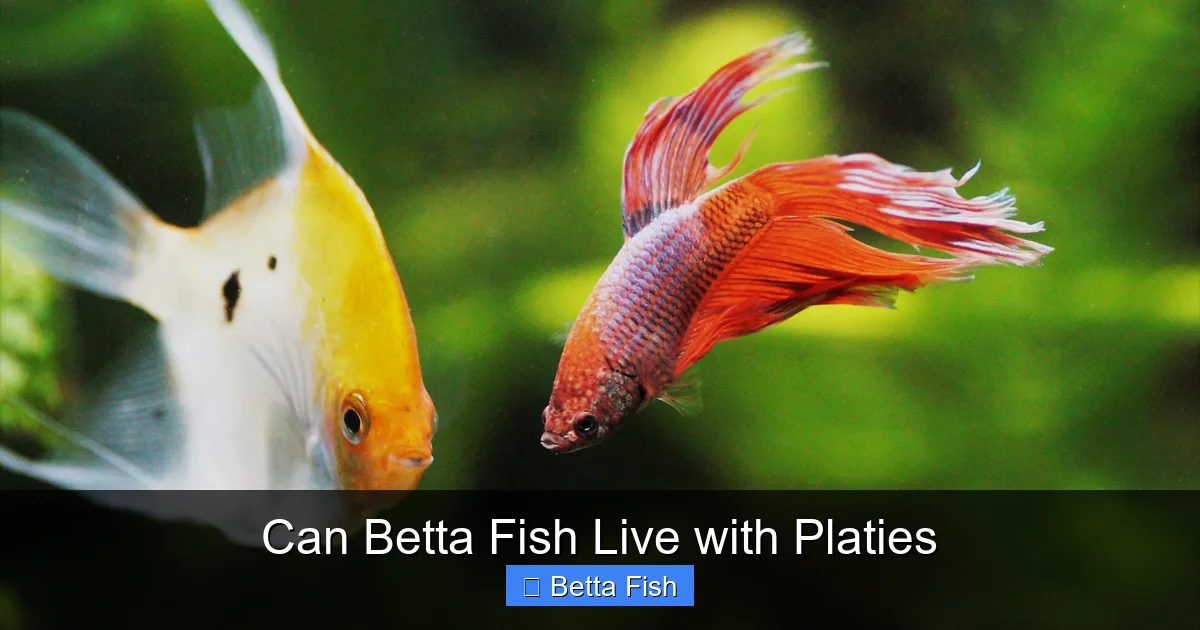
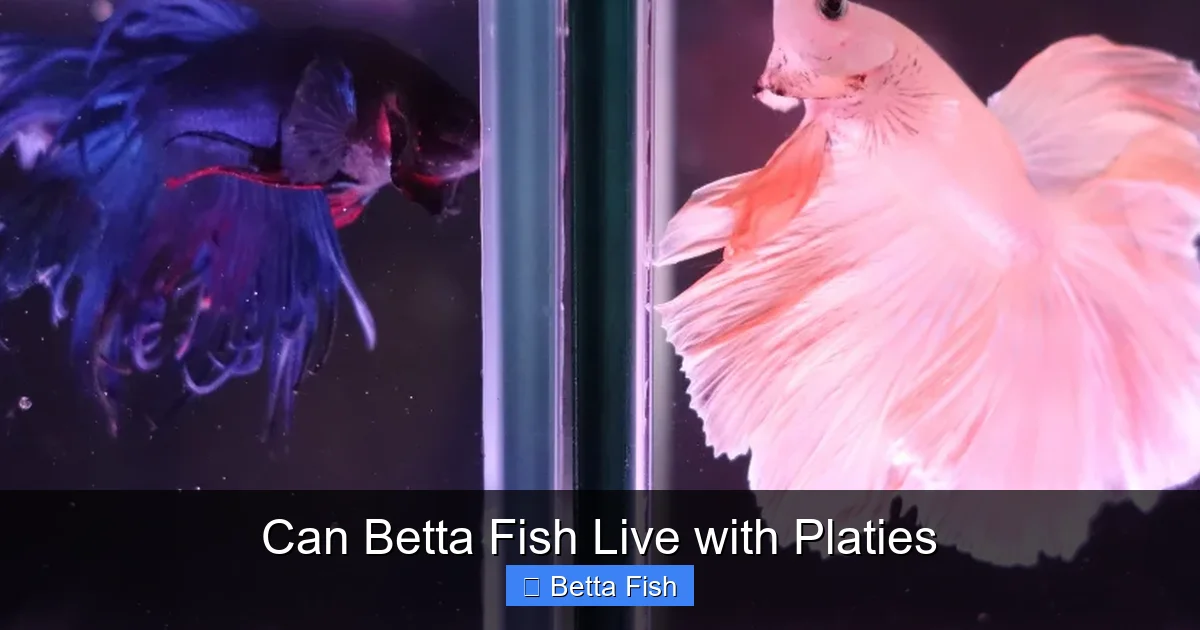
Betta fish earned their “fighting fish” nickname for a reason. In the wild, male bettas defend small territories in shallow rice paddies and slow-moving streams across Southeast Asia. They’re wired to see other fish, especially those with bright colors and flowing fins, as threats. This instinct doesn’t disappear just because your betta lives in a home aquarium.
Visual guide about Can Betta Fish Live with Platies
Image source: yoyipet.com
Male bettas are generally more aggressive than females. They flare their gills, spread their fins, and will chase or attack fish they perceive as rivals. That said, not every male betta is a terror. Some are surprisingly mellow and tolerate tank mates just fine. It really comes down to the individual fish’s personality.
Female bettas tend to be less aggressive, though they can still be territorial. If you’re set on keeping a betta with platies, a female betta might be your best bet for a peaceful community tank.
Signs Your Betta May Not Tolerate Tank Mates
Before introducing any tank mate, it’s important to observe your betta’s behavior. Here are some red flags that suggest your betta may not be community-tank material:
- Constant flaring at their own reflection or at you through the glass
- Aggressive reactions when you place a mirror near the tank (some flaring is normal, but excessive aggression is a warning sign)
- Attacking or harassing snails, shrimp, or other small creatures already in the tank
- Guarding specific areas of the tank and chasing anything that comes near
If your betta shows these behaviors consistently, it might be safer to keep them in a species-only setup. Not every betta is meant to share space, and that’s perfectly okay.
Understanding Platy Fish Behavior
What Makes Platies Great Community Fish
Platies are one of the most beginner-friendly freshwater fish you can buy. They’re small, usually growing to about 2–2.5 inches, and they come in a stunning variety of colors and patterns. From red wag platies to sunset platies to Mickey Mouse platies, there’s a type for every taste.
What makes platies especially appealing as potential tank mates for bettas is their temperament. They’re peaceful, active, and non-aggressive. They don’t have long, flowing fins that might trigger a betta’s territorial instincts. They’re also hardy fish that adapt well to a range of water conditions, which makes them relatively low-maintenance.
Platies are social fish, though. They do best in groups of three or more. A single platy can become stressed, which weakens its immune system and makes it more susceptible to disease. So if you’re planning to add platies to a betta tank, plan on getting at least three to five of them.
The Breeding Factor
Here’s something many new fish keepers don’t realize: platies are livebearers. That means they give birth to free-swimming fry instead of laying eggs. And they do it a lot. A single female platy can produce 20–40 fry every 4–6 weeks under the right conditions.
In a community tank with a betta, some of the fry may get eaten. But many will survive if there are enough plants and hiding spots. Before long, you could have a population explosion on your hands. Overcrowding leads to poor water quality, stress, and aggression, which defeats the purpose of creating a peaceful community tank in the first place.
To manage this, consider keeping only male platies if you don’t want babies. Or be prepared to separate pregnant females and care for the fry in a separate tank.
Water Parameters and Tank Requirements
Matching Temperature and pH
One of the reasons people ask can betta fish live with platies is because both species have overlapping water parameter needs. Here’s a quick comparison:
Visual guide about Can Betta Fish Live with Platies
Image source: japanesefightingfish.org
- Temperature: Bettas prefer 76–82°F. Platies thrive in 72–80°F. The sweet spot for both is around 77–79°F.
- pH: Bettas do best in 6.5–7.5. Platies prefer 6.8–7.8. A neutral pH of around 7.0–7.4 works well for both.
- Water hardness: Bettas prefer soft to moderately hard water. Platies tolerate a wider range but do well in moderately hard water. Aim for a general hardness of 5–15 dGH.
As you can see, the overlap is significant. This is one area where bettas and platies are naturally compatible. Maintaining stable water conditions is more important than hitting exact numbers, so invest in a reliable heater and test your water regularly.
Tank Size: The Most Critical Factor
If there’s one thing that can make or break a betta-and-platy community tank, it’s tank size. A small tank is a recipe for disaster. Here’s why:
Bettas are territorial. In a small tank, they see the entire space as “theirs” and will chase away any intruder. Platies are active swimmers that need room to move. Cramming them into a tiny space creates stress for everyone involved.
The minimum recommended tank size for housing betta fish with platies is 20 gallons. A 20-gallon long tank is ideal because it provides more horizontal swimming space, which both species appreciate. If you can go bigger, even better. A 29-gallon or 40-gallon breeder tank gives you more room for plants, decorations, and a larger group of platies.
Avoid anything smaller than 15 gallons. In a 5-gallon or 10-gallon tank, the risk of aggression is simply too high. Your betta will feel cornered, and your platies will have nowhere to escape.
Filtration and Water Flow
Both bettas and platies prefer calm water with gentle flow. Bettas, in particular, struggle in strong currents because their large fins make swimming against a heavy flow exhausting. Platies are stronger swimmers but still prefer moderate conditions.
Use a sponge filter or an adjustable hang-on-back filter set to a low flow rate. This keeps the water clean and oxygenated without creating a current that stresses your fish. Perform weekly water changes of 25–30% to maintain water quality, especially in a stocked community tank.
Setting Up the Tank for Success
Creating a Safe and Comfortable Environment
The way you set up your tank plays a huge role in whether betta fish and platies can live together peacefully. A bare tank with no decorations is stressful for both species and increases the likelihood of aggression.
Here’s what you need:
- Live or silk plants: Plants like java fern, anubias, hornwort, and amazon sword provide cover and break up sight lines. This is crucial because it prevents your betta from constantly seeing the platies and feeling the need to defend its territory. Avoid plastic plants with sharp edges, as they can tear a betta’s delicate fins.
- Hiding spots: Caves, driftwood, and ceramic decorations give both species places to retreat when they need a break. Platies especially appreciate having somewhere to hide if they’re being chased.
- Open swimming areas: While hiding spots are important, don’t overcrowd the tank. Platies are active and need open water to swim and explore.
- A designated betta zone: Bettas like to claim a specific area, usually near the surface. Place a betta hammock leaf or a tall plant near one end of the tank to give your betta a “home base.”
Lighting Considerations
Both bettas and platies do well with moderate lighting on a regular day/night cycle of about 8–10 hours of light per day. Too much light can stress fish and promote algae growth. Too little light can affect plant health and make the tank feel gloomy. A simple LED aquarium light with a timer works perfectly.
Introducing Bettas and Platies
The Right Way to Add Fish to the Tank
How you introduce your fish matters just as much as the tank setup. A bad introduction can set the tone for ongoing conflict. Here’s a step-by-step approach:
- Set up the tank first. Cycle the tank completely before adding any fish. This usually takes 4–6 weeks. A cycled tank has established beneficial bacteria that process harmful ammonia and nitrites.
- Add the platies first. Let the platies settle in for a week or two before introducing the betta. This allows the platies to establish themselves and claim their own areas without immediately being seen as “invaders” by a territorial betta.
- Introduce the betta last. When you add the betta, do it gently. Float the bag in the tank for 15–20 minutes to equalize temperature, then slowly add small amounts of tank water to the bag over 30 minutes before releasing the fish.
- Monitor closely for 48 hours. The first two days are critical. Watch for signs of aggression, chasing, or stress. Have a backup plan ready in case things go south.
What to Watch For
During the introduction period and the first few weeks, keep an eye out for these warning signs:
- Betta flaring or chasing platies: Some initial curiosity is normal, but persistent chasing or attacking is a problem.
- Platies nipping at the betta’s fins: While platies are generally peaceful, they may occasionally nip at a betta’s long fins. This can cause injury and stress.
- Loss of appetite: Stress from aggression can cause fish to stop eating.
- Hiding constantly: If either species is hiding all the time, it’s a sign of stress or fear.
- Torn or damaged fins: This is a clear sign of physical aggression and means you need to separate the fish immediately.
If you notice any of these signs, be prepared to separate the fish. You can use a tank divider or move one species to a separate tank. It’s always better to err on the side of caution.
Feeding Bettas and Platies Together
Dietary Needs of Each Species
Feeding time can be a source of conflict in a community tank. Bettas are primarily carnivores and need a protein-rich diet. Platies are omnivores and eat both plant matter and protein. Here’s how to feed both species properly:
For bettas: High-quality betta pellets should be the staple food. Supplement with frozen or freeze-dried bloodworms, brine shrimp, or daphnia a few times a week. Feed 2–3 pellets twice a day.
For platies: Flake food or micro pellets designed for tropical fish work well. Supplement with blanched vegetables like zucchini or spinach and occasional protein treats like brine shrimp. Feed small amounts 1–2 times a day.
Avoiding Feeding Conflicts
One challenge with feeding a betta and platies together is that bettas can be slow eaters while platies are fast and enthusiastic. The platies may gobble up all the food before the betta gets its share.
To solve this, try feeding at opposite ends of the tank. Drop the betta’s pellets on one side and the platies’ flakes on the other. You can also use a feeding ring to keep the betta’s food in one spot. Another trick is to distract the platies with a small amount of food on one side while you feed the betta on the other.
Potential Problems and How to Handle Them
Aggression From the Betta
Even with the best setup, some bettas simply won’t tolerate tank mates. If your betta is relentlessly attacking the platies, you need to act quickly. Prolonged stress can injure or kill the platies, and it’s not fair to any of the fish involved.
Options include:
- Using a tank divider to separate the betta from the platies while still sharing the same water
- Moving the betta to a separate tank
- Rehoming the betta or the platies if the situation can’t be resolved
There’s no shame in admitting that a particular combination doesn’t work. Every fish is an individual, and compatibility isn’t guaranteed.
Fin Nipping From Platies
While less common, some platies may nip at a betta’s flowing fins. This behavior is more likely if the platies are bored, underfed, or kept in too small a group. Make sure you have at least three to five platies, provide plenty of enrichment, and feed them adequately.
If fin nipping persists, you may need to remove the offending platy or reconsider the pairing altogether. A betta with damaged fins is susceptible to infections like fin rot, which can become serious if left untreated.
Overpopulation From Breeding
As mentioned earlier, platies breed prolifically. In a community tank, this can quickly lead to overcrowding. Too many fish in a tank means more waste, higher ammonia levels, increased stress, and a greater chance of disease.
To prevent this, keep only male platies, or be prepared to manage the population by separating pregnant females and finding homes for the fry. Some fish stores will take fry as donations, or you can sell them locally.
Alternative Tank Mates for Bettas
If Platies Don’t Work Out
If you’ve tried keeping betta fish with platies and it just isn’t working, don’t worry. There are plenty of other options. If you’re curious about what other fish can live with betta fish, there are several species that tend to be more compatible.
Some popular choices include:
- Corydoras catfish: Peaceful bottom dwellers that stay out of the betta’s way
- Ember tetras: Small, fast, and not flashy enough to trigger aggression
- Kuhli loaches: Shy, nocturnal fish that hide during the day
- Harlequin rasboras: Calm mid-water swimmers that do well in groups
You might also consider invertebrates. Can betta fish live with snails? Yes, many bettas do well with nerite snails or mystery snails. Can betta fish live with shrimp? It depends on the betta’s temperament, but cherry shrimp and amano shrimp are worth trying in a well-planted tank.
The key is to choose tank mates that don’t compete with the betta for the same space, don’t have bright colors or long fins, and are fast enough to avoid trouble if the betta gets feisty.
Frequently Asked Questions About Bettas and Platies
Can a Male Betta Live With Platies?
Yes, but it’s riskier than pairing a female betta with platies. Male bettas are more territorial and aggressive. If you want to try this combination, use a larger tank (25 gallons or more), provide plenty of plants and hiding spots, and choose a betta with a known calm temperament. Always monitor the situation closely and be ready to separate them if needed.
How Many Platies Should I Keep With a Betta?
Keep at least three to five platies. They’re social fish and do best in groups. A single platy will be stressed, and a pair may not provide enough of a “school” dynamic to make the platies feel secure. In a 20-gallon tank, five to six platies is a good number alongside one betta.
Do Platies Need a Heater?
Yes, platies are tropical fish and need a stable water temperature between 72–80°F. Since bettas also need warm water (76–82°F), a heater is essential for both species. Set your heater to around 78°F to keep everyone comfortable.
Will My Betta Eat Platy Fry?
Very likely, yes. Bettas will eat small fry if they can catch them. However, in a well-planted tank, some fry will survive by hiding in dense vegetation. If you want to raise platy fry, it’s best to move pregnant females to a separate breeding tank or use a breeding box within the main tank.
What Should I Do If My Betta Attacks the Platies?
Separate them immediately. Use a tank divider or move the betta to a separate container. Give both species time to calm down. You can try reintroducing them later, but if the aggression continues, it’s best to keep them in separate tanks permanently. No tank setup can change a betta’s fundamental personality.
Final Thoughts: Can Betta Fish Live With Platies?
So, can betta fish live with platies? The honest answer is: sometimes. It’s not a guaranteed success story, but it’s not impossible either. With the right tank size, proper setup, careful introduction, and close monitoring, many hobbyists have successfully kept bettas and platies together in peaceful community tanks.
The most important things to remember are:
- Use a tank that’s at least 20 gallons
- Heavily plant the tank and provide plenty of hiding spots
- Introduce the platies before the betta
- Monitor behavior closely, especially in the first few weeks
- Be ready to separate the fish if aggression occurs
- Manage platy breeding to prevent overpopulation
If you’re new to fish keeping, it might be wise to start with a betta-only tank and gain some experience before attempting a community setup. Once you’re comfortable with water parameters, cycling, and fish behavior, you’ll be better equipped to handle the challenges of a mixed-species tank.
And remember, every fish is unique. Just because your friend’s betta gets along with platies doesn’t mean yours will. Pay attention to your individual fish’s behavior, and don’t force a pairing that isn’t working. The health and happiness of your fish should always come first.
Good luck with your aquarium adventure. Whether you end up with a betta-and-platy community tank or a beautiful betta solo setup, you’re going to enjoy the journey.
Frequently Asked Questions
Can betta fish live with platies in a 10-gallon tank?
A 10-gallon tank is too small for betta fish and platies to live together comfortably. The limited space increases territorial aggression and stress. A minimum of 20 gallons is recommended for this combination to give both species adequate room to establish territories and swim freely.
Are platies aggressive toward betta fish?
Platies are generally peaceful and not aggressive toward bettas. However, they may occasionally nip at a betta’s long, flowing fins, especially if they’re bored or kept in too small a group. Keeping at least three to five platies and providing enrichment reduces this risk.
What temperature is best for bettas and platies together?
The ideal temperature range for a shared betta and platy tank is 77–79°F. This falls within the comfort zone for both species. Bettas prefer 76–82°F and platies thrive at 72–80°F, so this middle ground keeps everyone happy and healthy.
Can female bettas live with platies more easily than males?
Yes, female bettas are generally less aggressive than males and may tolerate platies better. However, individual temperament varies, so there’s no guarantee. Female bettas can still be territorial, so the same precautions apply regarding tank size, setup, and monitoring.
Will platies outcompete my betta for food?
Platies are faster eaters and may consume food before your betta gets its share. To prevent this, feed at opposite ends of the tank or use a feeding ring to keep the betta’s food in one spot. You can also distract the platies while your betta eats.
How do I know if my betta and platies are compatible?
Signs of compatibility include peaceful coexistence, no chasing or flaring, both species eating normally, and no torn fins or injuries. If your betta ignores the platies or only shows mild curiosity, that’s a good sign. Persistent aggression means they’re not compatible and should be separated.