Are Betta Fish Pellets Supposed to Sink
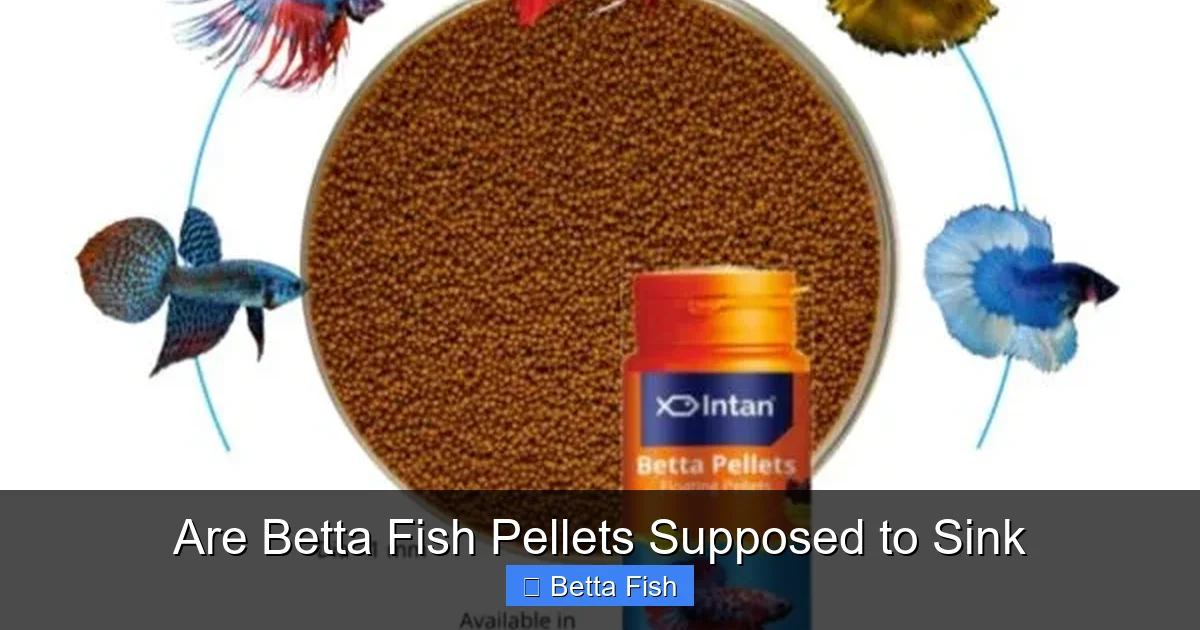
Betta fish pellets can be either sinking or floating, and both types have their place in a proper diet. Understanding the pros and cons of each helps you feed your betta safely, prevent waste, and keep the water clear.
Key Takeaways
- Both sinkers and floaters are safe: The choice depends on tank setup and feeding habits.
- Floaters aid surface feeding: They mimic natural insects and let bettas show their natural hunting behavior.
- Sinking pellets reduce waste: They settle quickly, limiting uneaten food floating in the water.
- Size and composition matter: Small, high‑protein pellets are best for bettas of all ages.
- Observe your fish: Watch how your betta reacts and adjust the type of pellet accordingly.
- Combine foods wisely: Mixing a few floaters with sinkers can provide variety and enrichment.
- Regular tank maintenance: Regardless of pellet type, clean the tank frequently to keep water quality high.
📑 Table of Contents
- Introduction: The Great Pellet Debate
- 1. Understanding Betta Feeding Habits
- 2. Types of Betta Pellets: Sinkers vs. Floaters
- 3. How to Choose the Right Pellet for Your Tank
- 4. Feeding Techniques That Work
- 5. Maintaining Water Quality with Pellets
- 6. Common Concerns and Troubleshooting
- Conclusion: Trust Your Observation
Introduction: The Great Pellet Debate
If you’ve ever watched a betta glide to the surface for a floating pellet, you might wonder whether that’s the “right” way to feed. The truth is, there isn’t a single answer that fits every tank. Some hobbyists swear by sinking pellets, while others love the excitement of a floating treat. In this article we’ll break down the science, the practicalities, and the simple tricks that let you decide which pellet type (or mix) works best for your finned friend.
We’ll also cover how pellet shape, size, and ingredients affect digestion, water quality, and your betta’s natural behavior. By the end, you’ll feel confident choosing the perfect food and feeding routine—no more guessing, just clear, actionable steps.
1. Understanding Betta Feeding Habits
What Betta Fish Eat in the Wild
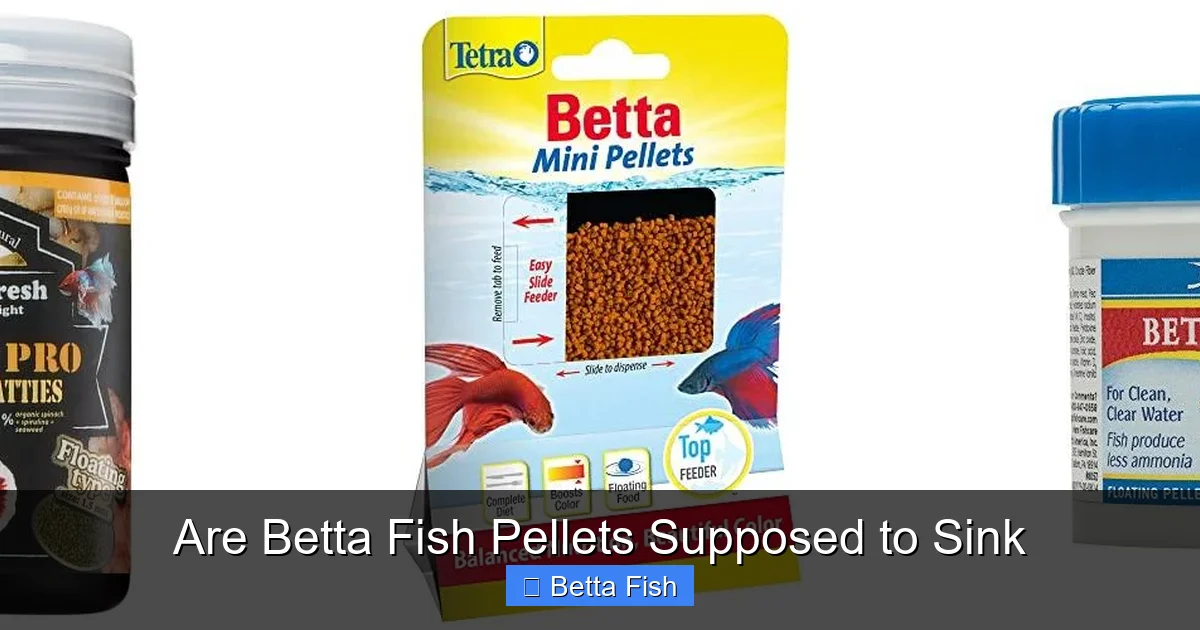
In their native habitats of Southeast Asian rice paddies and slow‑moving streams, bettas are surface hunters. They snap up insects, larvae, and tiny crustaceans that drift just below the water’s surface. This natural preference explains why many betta owners see their fish eagerly rising for floating food.
Visual guide about Are Betta Fish Pellets Supposed to Sink
Image source: animalspick.com
Why Natural Behavior Matters in the Home Aquarium
Even in a modest 5‑gallon tank, replicating that surface‑feeding instinct can reduce stress and encourage healthy exercise. However, a captive environment also brings challenges—uneaten food can quickly foul the water, and a shy betta may hide if food constantly drifts away.
2. Types of Betta Pellets: Sinkers vs. Floaters
Sinking Pellets
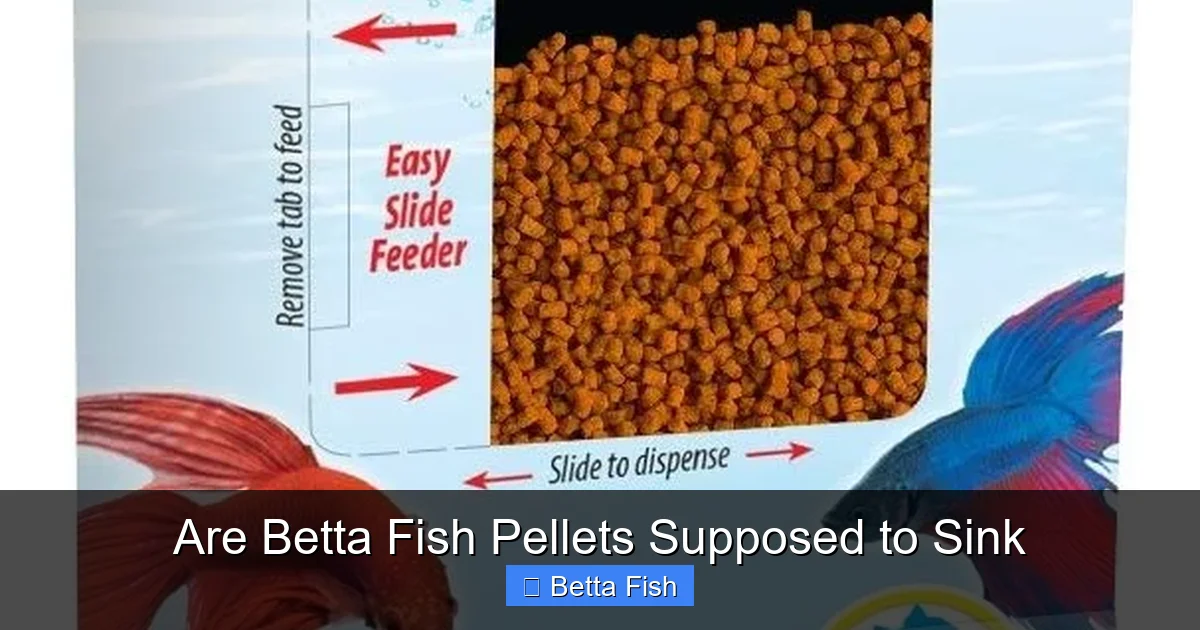
Sinking pellets are formulated to descend within seconds of hitting the water. They are often denser, contain binders like wheat or soy, and may be slightly larger. Benefits include:
Visual guide about Are Betta Fish Pellets Supposed to Sink
Image source: alittlebitfishy.com
- Quick removal: Uneaten pellets settle at the bottom, making it easy to spot and siphon them out.
- Less surface waste: Water stays clearer, which is especially important in smaller tanks.
- Encourages bottom‑feeding behavior: Some bettas enjoy foraging along the substrate.
Floating Pellets
Floating pellets are lighter and designed to stay at the surface. They often contain higher levels of insect protein to mimic natural prey. Advantages are:
- Stimulates natural hunting: Betta can see and chase the food, providing mental enrichment.
- Easy to observe: You can watch how much your fish eats, helping you avoid over‑feeding.
- Works well with surface‑only feeders: Some automatic feeders are calibrated for floaters.
3. How to Choose the Right Pellet for Your Tank
Consider Tank Size and Filtration
In a heavily filtered 10‑gallon setup, floating pellets may linger less, making them a safe choice. In a tiny 2‑gallon bowl with limited filtration, sinking pellets reduce the risk of cloudy water.
Visual guide about Are Betta Fish Pellets Supposed to Sink
Image source: articles.hepper.com
Assess Your Betta’s Personality
Active, curious bettas love chasing floating bits, while shy or older fish may prefer a slow‑sinking pellet that they can nibble at the bottom. Observe your fish for a few days with both types to see which they favor.
Check the Ingredient List
High‑quality betta pellets should list a specific animal protein (e.g., Artemia or fish meal) in the first three ingredients. Avoid products with excessive fillers, artificial colors, or preservatives.
4. Feeding Techniques That Work
Portion Control
Generally, 2–3 small pellets twice a day is enough for an adult betta. For precise amounts, see our guide on how many pellets to feed betta fish. Adjust based on activity level and water temperature.
Mixing Sinkers and Floaters
Many hobbyists find a 70/30 split (floaters/sinkers) offers the best of both worlds. Start with a few floating pellets to spark interest, then add a sinking pellet to finish the meal. This method also helps keep the water clear.
Using Feeding Tools
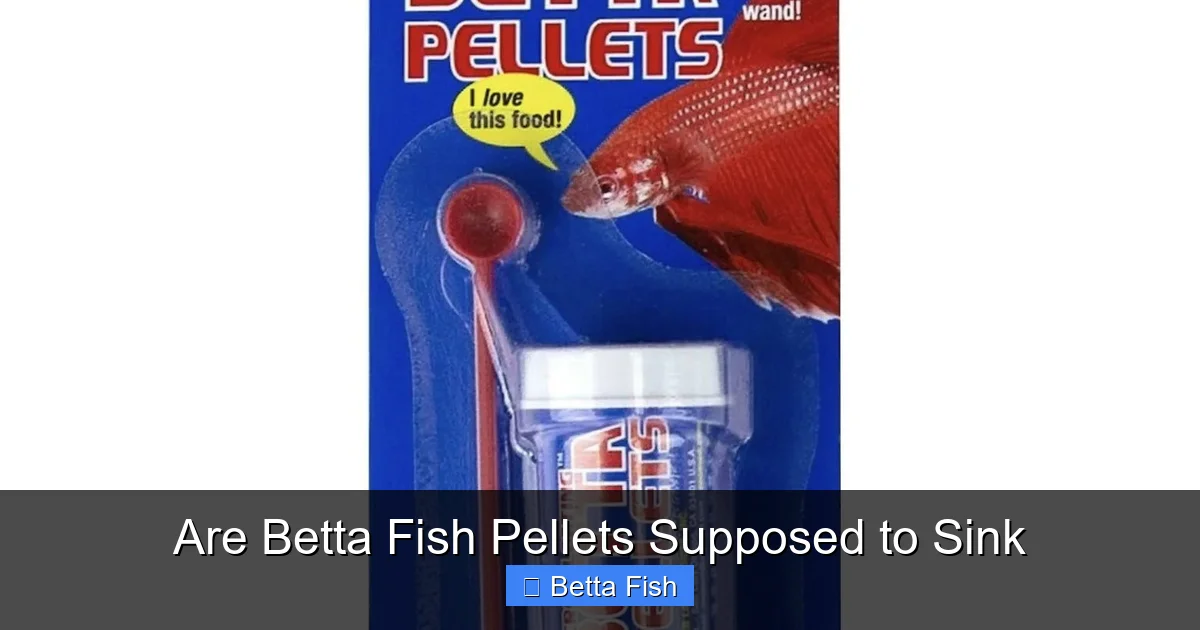
A small turkey baster or a feeding stick can gently place sinking pellets where you want them. For floating pellets, a lightweight spoon works well. These tools prevent the food from scattering too far and becoming lost.
5. Maintaining Water Quality with Pellets
Spotting Uneaten Food
After feeding, wait 2–3 minutes and then glance at the water surface and substrate. If you see floating crumbs, remove them with a net. Sinking pellets that remain on the bottom after 5 minutes should also be siphoned out.
Regular Tank Cleaning
Even the best pellets break down over time. A weekly 20‑minute water change and a quick gravel vacuum keep ammonia low. For tips on overall tank care, read how to set up betta fish tank.
Monitoring Water Parameters
Keep an eye on nitrate and nitrite levels. If they creep up, it may indicate over‑feeding or insufficient cleaning. Adjust portion sizes accordingly.
6. Common Concerns and Troubleshooting
My Betta Won’t Eat Floating Pellets—What Now?
Try a different brand with a stronger insect scent, or lightly crush the pellet to release more aroma. Sometimes warming the pellet (just a few seconds in warm water) mimics the temperature of live prey.
Water Becomes Cloudy After Feeding
This usually means excess food is decomposing. Switch to sinking pellets, reduce the amount, and increase your cleaning frequency.
Should I Use Live Food Instead?
Live food is a great occasional treat, but it’s not necessary for a balanced diet. High‑quality pellets provide consistent nutrition without the risk of introducing parasites.
Conclusion: Trust Your Observation
There is no universal rule that says betta fish pellets must sink or float. The “right” choice hinges on your tank’s size, filtration, and, most importantly, your betta’s behavior. By experimenting with both types, monitoring water quality, and feeding responsibly, you’ll give your betta a diet that supports health, encourages natural hunting instincts, and keeps your aquarium sparkling.
Remember, the best feeding strategy is the one that keeps your betta thriving and your water clean. Happy feeding!
Frequently Asked Questions
Do sinking pellets harm betta fish?
No. Sinking pellets are safe as long as they are high‑quality and appropriate for betta nutrition. The key is to remove any uneaten food promptly.
Can I feed only floating pellets?
You can, but be mindful of water quality. Floating pellets can linger on the surface and decompose, so regular cleaning is essential.
How often should I feed my betta?
Two small meals per day are ideal for most adult bettas. For detailed feeding frequency, see how often are you supposed to feed betta fish.
What size pellet is best for baby bettas?
Choose tiny, finely ground pellets or powdered foods designed for fry. These dissolve quickly and are easy for small mouths to ingest.
Will my betta become obese if I overfeed?
Yes. Over‑feeding can lead to excess weight and health issues like fatty liver disease. Stick to recommended portion sizes.
Is it okay to mix live food with pellets?
Mixing occasional live treats with high‑quality pellets adds variety and enrichment, but pellets should remain the staple diet.