Are Betta Fish Playful
Betta fish can be surprisingly playful, showing curiosity, interactive swimming, and even game‑like behavior when given the right environment. Understanding their natural instincts and providing enrichment lets you enjoy a lively, engaging companion that loves to explore and interact.
Key Takeaways
- Understanding are betta fish playful: Provides essential knowledge
📑 Table of Contents
- Introduction: The Curious Case of Playful Bettas
- What Does Play Look Like in a Betta?
- How to Tell If Your Betta Is Being Playful
- Creating a Play‑Friendly Environment
- Training Your Betta to Play
- Playful Behavior and Betta Personality Types
- Health Benefits of Play for Bettas
- Conclusion: Embrace the Playful Side of Your Betta
Introduction: The Curious Case of Playful Bettas
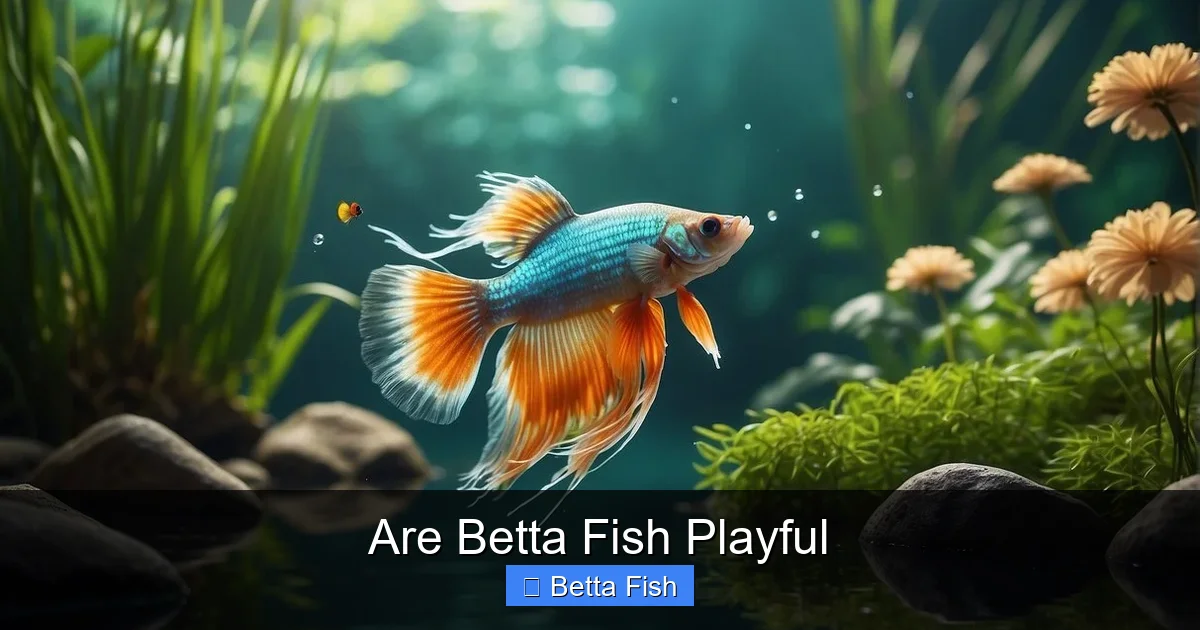
If you’ve ever watched a betta fish flare its fins and glide across the water, you might wonder if there’s more to this tiny marvel than just bright colors. Many hobbyists ask, are betta fish playful? The short answer is yes—betta fish can show playful behavior, but it looks different from the way a dog or cat might play.
In this guide we’ll dive into what “play” means for a betta, the signs to watch for, and practical ways to encourage a fun‑filled life for your fish. By the end, you’ll know how to turn a simple aquarium into a playground that keeps your betta happy, healthy, and active.
What Does Play Look Like in a Betta?
Natural instincts that resemble play
Bettas are native to the shallow waters of Southeast Asia, where they hunt insects, chase each other, and build bubble nests. These activities are instinctual, but they also serve as a form of “play” that sharpens skills and relieves boredom.

Visual guide about Are Betta Fish Playful
Image source: i.pinimg.com
Common playful behaviors
- Bubble‑nest building: When a male betta starts gathering bubbles at the surface, it’s not just preparing for breeding—it’s an enjoyable, repetitive task that many bettas repeat even without a mate.
- Surface dancing: Quick, erratic swims near the water’s surface often indicate excitement or curiosity.
- Chasing reflections: A betta may dart at its own reflection in the glass or a small mirror. This can be playful, but watch for signs of stress.
- Interaction with objects: Bettas love nudging floating toys, leaves, or ping‑pong balls. If they push a toy around, consider it a game.
How to Tell If Your Betta Is Being Playful
Observational cues
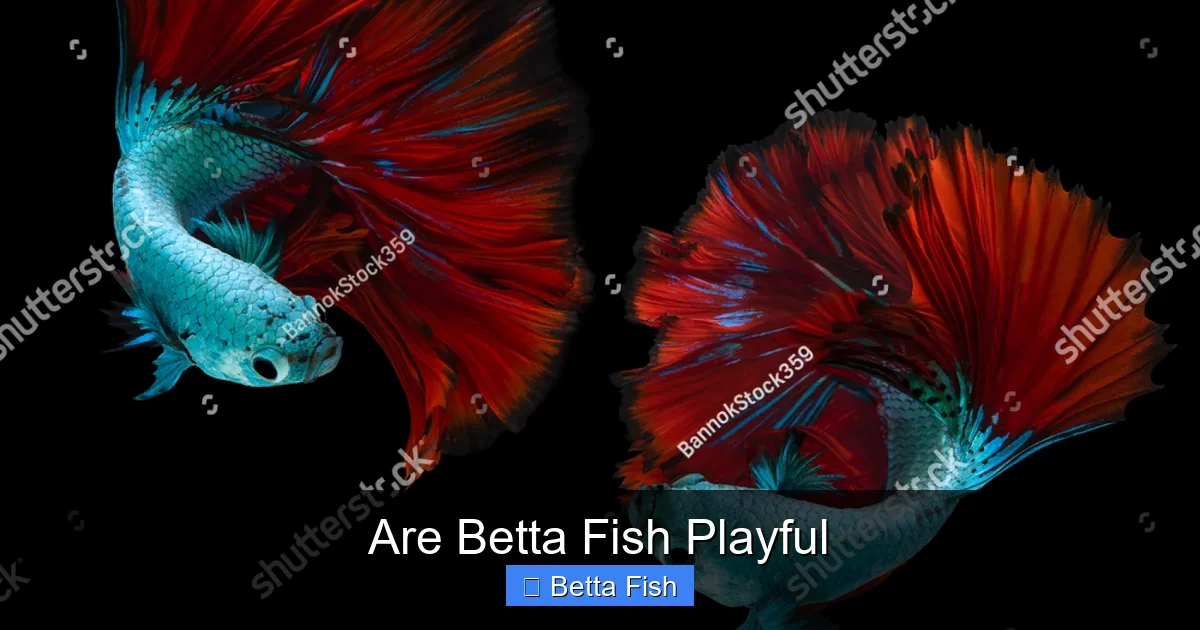
Playful bettas are usually active, bright, and display a relaxed posture. Look for these signs:
Visual guide about Are Betta Fish Playful
Image source: shutterstock.com
- Frequent swimming across the tank, not just hovering near the top.
- Quick, purposeful movements toward objects rather than random drifting.
- Bright, “flaring” fin displays without aggression toward other fish (if present).
- Regular bubble‑nest construction even when no breeding is intended.
Distinguishing play from stress
It’s easy to mistake stress for play. If a betta is constantly hiding, gasping at the surface, or shows faded colors, it’s likely stressed. Playful behavior is accompanied by steady, healthy coloration and steady breathing.
Creating a Play‑Friendly Environment
Tank size and setup
While many keep bettas in tiny bowls, a 5‑gallon (or larger) tank with gentle filtration provides space to explore. A larger tank also reduces stress, making play more likely.

Visual guide about Are Betta Fish Playful
Image source: wallpapers.com
Enrichment ideas
- Floating toys: Small, non‑sharp plastic toys or ping‑pong balls float well and invite nudging.
- Live plants: Plants like Java fern or Anubias give hiding spots and natural surfaces for exploration. See our guide on which live plants are good for betta fish for details.
- Mirrors: A small mirror placed briefly can trigger a “chase” response. Use it for short periods (under a minute) to avoid aggression.
- Changing décor: Rotating a new leaf, stone, or tunnel every few weeks keeps the environment fresh.
Water quality matters
Clean water encourages activity. Perform weekly 25‑30% water changes, keep temperature between 76‑82°F, and maintain a stable pH around 6.5‑7.5. A healthy betta is more likely to play.
Training Your Betta to Play
Hand‑target training
Betta fish can learn to follow a finger or a small stick. Start by placing a finger near the water surface and rewarding the betta with a tiny food pellet when it approaches. Over time, you can guide it to swim through hoops or around obstacles.
Using food as motivation
Freeze‑dried brine shrimp or bloodworms are excellent treats. Drop a single piece near a toy and watch your betta chase it. This reinforces the idea that the toy is a source of fun.
Safety tips
- Never use sharp or heavy objects that could damage fins.
- Limit training sessions to 5‑10 minutes to avoid fatigue.
- Always observe the fish’s reaction; stop if it shows signs of stress.
Playful Behavior and Betta Personality Types
Male vs. female play
Male bettas are often more flamboyant, showing aggressive flares that can double as playful displays. Females tend to be more social with other bettas and may engage in gentle “chasing” games. For more on female aggression, read are female betta fish aggressive.
Aggressive tendencies
Because bettas are known for their territorial nature, a highly aggressive male might interpret a mirror as a rival rather than a toy. If the fish becomes overly stressed, remove the mirror and offer other enrichment.
Link to broader temperament
Understanding whether bettas are generally aggressive helps you set expectations for play. See our article on are betta fish aggressive for a deeper look.
Health Benefits of Play for Bettas
Physical exercise
Active swimming strengthens muscles and improves cardiovascular health. A betta that regularly chases a toy is less prone to fin rot and other health issues.
Mental stimulation
Just like other pets, bettas need mental challenges. Enrichment reduces boredom, which can otherwise lead to stress‑related diseases such as white spot or fin degradation.
Monitoring health through play
Changes in playful behavior can be an early warning sign. If a previously active betta becomes lethargic, check water parameters and look for signs of illness.
Conclusion: Embrace the Playful Side of Your Betta
Bettas are far more than pretty fish that flare their fins. With the right environment, enrichment, and a bit of patience, you’ll see them engage in playful activities that bring joy to both you and your finned friend. Remember to keep the tank clean, provide interesting toys, and watch for those tell‑tale signs of curiosity. By doing so, you’ll answer the question “are betta fish playful?” with a resounding yes—and enjoy a vibrant, interactive aquarium for years to come.
Frequently Asked Questions
Do betta fish naturally play on their own?
Yes, bettas exhibit natural play‑like behaviors such as bubble‑nest building, surface dancing, and exploring objects in their environment.
Can I use mirrors to make my betta play?
Mirrors can trigger a chasing response, but use them only briefly. Prolonged exposure may cause stress or aggression.
What toys are safe for betta fish?
Floating, smooth plastic toys, small ping‑pong balls, and non‑sharp decorations are safe. Avoid anything with sharp edges that could tear fins.
How often should I change the water to keep my betta playful?
Change 25‑30% of the water weekly and test parameters regularly. Clean water promotes activity and overall health.
Do female bettas play differently than males?
Females often engage in gentler chasing and are more social with other bettas, while males may display more flamboyant, aggressive “play” like fin flaring.
Is play a sign that my betta is healthy?
Active, playful behavior usually indicates good health. If play declines, check water quality and look for signs of illness.