Where to Find Wild Betta Fish
Wild betta fish (Betta splendens) are not found in pet stores but in the shallow, tropical waters of Southeast Asia. Locating them requires understanding their specific natural habitats, navigating complex international wildlife laws, and prioritizing ethical, conservation-minded practices over simple collection. Responsible observation or sourcing involves permits, local guides, and a commitment to preserving their dwindling wild populations.
Key Takeaways
- Natural Range Only: True wild bettas exist exclusively in the lowland, shallow ecosystems of Thailand, Cambodia, Vietnam, and parts of Malaysia and Indonesia.
- Strict Legal Protections: International trade is regulated by CITES Appendix II; collection requires permits from the source country and export/import documentation.
- Ethics Over Collection: The priority should be non-invasive observation; wild collection for personal aquariums is often harmful and frequently illegal.
- Habitat Specificity: They thrive in warm, slow-moving or stagnant waters like rice paddies, ditches, and forest swamps with dense vegetation and leaf litter.
- Major Conservation Threats: Primary dangers are habitat destruction from agriculture/urbanization and pollution, not the ornamental fish trade itself.
- Captive-Bred is the Ethical Choice: For hobbyists, genetically diverse, captive-bred “wild-type” bettas from reputable breeders offer a sustainable alternative.
- Local Knowledge is Essential: Successfully finding them requires partnering with local ecologists, guides, or researchers who know specific, accessible locations.
📑 Table of Contents
- The Allure and Reality of the Wild Betta
- The Native Kingdom: Geographic Range and Habitat
- The Legal Maze: Permits, CITES, and Sovereignty
- The Ethical Imperative: Conservation and Impact
- How to Responsibly Observe Wild Betta Fish
- The Sustainable Alternative: Captive-Bred Wild-Type Bettas
- Conclusion: A Shift in Perspective
The Allure and Reality of the Wild Betta
When you picture a betta fish, you likely imagine the flowing, jewel-toned fins of a domestic Siamese fighting fish gliding in a solitary glass vase. But the true, unadulterated wild ancestor—Betta splendens—tells a far more subtle and rugged story. Finding these fish in their natural environment is not a casual weekend adventure; it’s an expedition into the muddy, teeming heart of Southeast Asia’s wetlands. The allure is powerful: to witness the raw, instinctual behavior of the fish that launched a global phenomenon. Yet, the reality is grounded in biology, law, and ethics. This guide will navigate the complex journey of where to find wild betta fish, transforming romantic curiosity into actionable, responsible knowledge.
The first critical distinction is between wild-caught and wild-type. A wild-caught fish is physically removed from its native habitat. A wild-type is a fish bred in captivity that closely resembles its wild ancestors in morphology and often behavior. For the vast majority of aquarists, the ethical and legal path ends with the latter. This article will explore the geography of the former and the virtues of the latter, providing a complete picture of the wild betta’s world.
The Native Kingdom: Geographic Range and Habitat
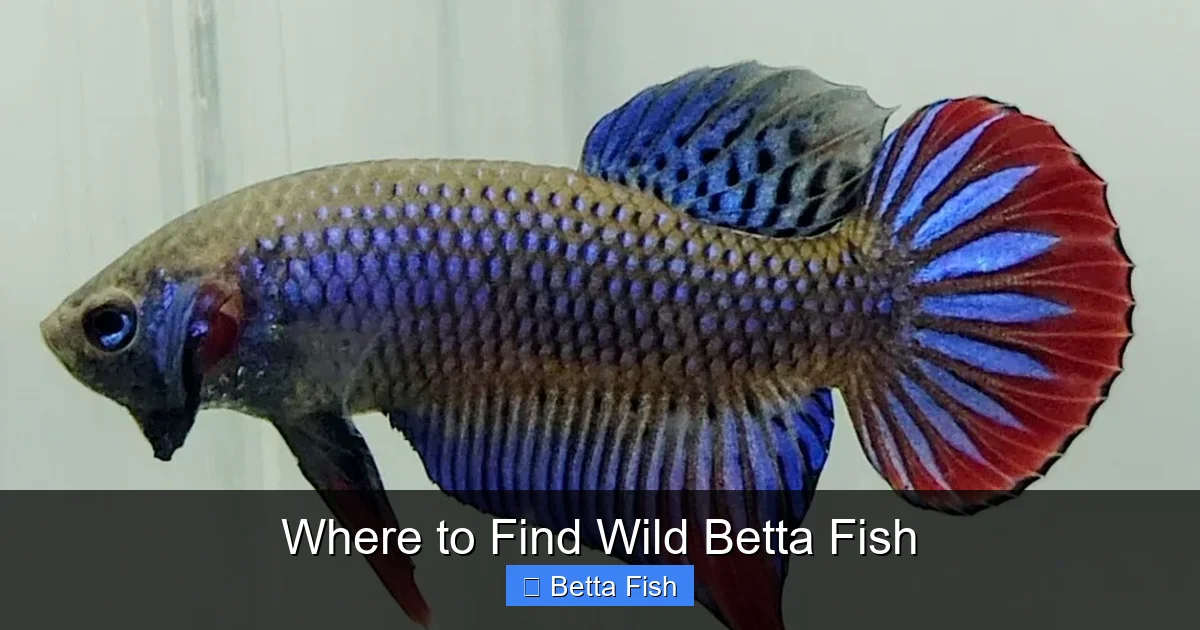
Wild bettas are endemic to the Chao Phraya and Mekong river basins. Their range is not a vast expanse but a network of specific, interconnected lowland habitats. Understanding this geography is the first step in knowing where to look.
Visual guide about Where to Find Wild Betta Fish
Image source: i.ytimg.com
Thailand: The Epicenter
Central Thailand is the undisputed core of the wild betta’s range. Here, the flat, floodplain landscapes are crisscrossed with canals, rice paddies, and swamp forests.
- Provinces to Note: The bettas are famously associated with the Chao Phraya River basin, particularly around provinces like Samut Sakhon, Samut Songkhram, and Pathum Thani. The Mae Khlong River tributaries and the swamp forests of the Bang Pu area are classic historical collection sites.
- Habitat Details: Look for shallow, stagnant or slow-flowing water less than 30 cm deep. The water is often tea-colored from tannins, with dense emergent vegetation (like reeds and grasses) and a thick layer of decaying leaf litter on the bottom. Substrate is soft mud or silt. Canals and ditches bordering rice fields are prime real estate.
Cambodia and Vietnam: The Eastern Extent
The range extends eastward into the floodplains of the Mekong River.
- Cambodia: The Mekong floodplains around Phnom Penh and the Tonle Sap lake region harbor populations. The habitats are similar to Thailand’s—seasonally flooded forests, marshes, and agricultural ditches.
- Vietnam: Found in the southern Mekong Delta, particularly in provinces like An Giang and Dong Thap. The network of canals and swamps here provides suitable habitat, though political and access complexities are higher.
Malaysia and Indonesia: Peripheral Populations
Populations in peninsular Malaysia (e.g., in the state of Perak) and on the Indonesian island of Sumatra are less studied and are sometimes considered subspecies or closely related species (like Betta imbellis). These locations are even more remote and logistically challenging.
Key Environmental Factors: Across all locations, wild bettas require warm water (24-30°C / 75-86°F), low dissolved oxygen (they are labyrinth fish, breathing atmospheric air), acidic to neutral pH (5.5-7.0), and heavy vegetation for security, hunting, and bubble-nesting. They are almost never found in clear, fast-flowing, open streams.
The Legal Maze: Permits, CITES, and Sovereignty
This is the most non-negotiable section. You cannot simply travel to Thailand and start scooping fish from a ditch. Wild bettas are protected under international and national law.
Visual guide about Where to Find Wild Betta Fish
Image source: bwaquatics.com
CITES Appendix II
The Convention on International Trade in Endangered Species (CITES) lists Betta splendens in Appendix II. This means international trade is not necessarily banned but is strictly controlled to ensure it does not threaten the species’ survival. Any commercial export from the source country requires:
- A CITES export permit from the Management Authority of the country of origin (e.g., Thailand’s Department of National Parks, Wildlife and Plant Conservation).
- Proof that the export will not be detrimental to the wild population (a “non-detriment finding”).
- An import permit from the destination country’s CITES authority (e.g., the U.S. Fish & Wildlife Service).
For personal, non-commercial collection, the legal path is even murkier and typically requires scientific or educational permits, not tourist visas.
National and Local Laws
Each source country has its own fisheries and wildlife protection laws. In Thailand, for instance, collecting wildlife from certain protected areas (national parks, wildlife sanctuaries) is illegal without specific research permits. What might look like an unprotected ditch could be on private land or under local fisheries regulations. Penalties for illegal collection and export can include heavy fines, confiscation of specimens, equipment, and even imprisonment.
The Permit Reality Check
Obtaining these permits as an individual hobbyist is extraordinarily difficult, if not impossible. They are designed for:
- Certified scientific researchers conducting population studies.
- Recognized zoological institutions for conservation breeding programs.
- Licensed commercial exporters who work with local collectors under quota systems and contribute to conservation.
Practical Takeaway: For 99.9% of people, “finding” a wild betta means learning about them, observing them in the wild with permission, or purchasing captive-bred wild-types. The legal barrier to personal collection is effectively insurmountable and designed to be so for good reason.
The Ethical Imperative: Conservation and Impact
Even if legal hurdles were removed, a profound ethical question remains: should you take a wild betta? The answer, from a conservation standpoint, is a resounding no.
Visual guide about Where to Find Wild Betta Fish
Image source: fantaseaaquariums.com
Threats to Wild Populations
While the pet trade’s demand for wild-caught show bettas is negligible (they are almost all captive-bred), localized collection for the Thai fighting fish tradition (plakat) and habitat loss are genuine pressures.
- Habitat Loss: The #1 threat. Conversion of wetlands to industrial agriculture (especially palm oil and rice), urbanization, and pollution from pesticides and agricultural runoff are destroying and fragmenting their homes at an alarming rate.
- Water Pollution: Pesticides, herbicides, and heavy metals from farming and industry contaminate the shallow, slow-moving waters bettas inhabit. Their labyrinth organ, while an adaptation for low oxygen, does not filter toxins.
- Over-Collection for Local Markets: In some areas, wild males are still captured for local fighting arenas. While not on the scale of the global aquarium trade, it can deplete local genetic diversity.
The “Look But Don’t Touch” Ethos
Responsible observation is the only ethical way for a visitor to interact with wild bettas. This means:
- No netting or capturing. The stress of capture can be fatal, and removing even a single male from a small ditch can disrupt a local breeding population.
- Minimal habitat disturbance. Avoid trampling vegetation, stirring sediment, or leaving trash.
- Observing from a distance. Use binoculars. Watch their natural behaviors—the territorial flaring of males, the subtle foraging of females—without influencing them.
- Supporting local conservation. Your tourism dollars should go to guides, lodges, and projects that actively protect wetland habitats.
The true reward is not owning a wild betta, but understanding its world and advocating for the swamp forests and rice paddies that sustain it.
How to Responsibly Observe Wild Betta Fish
If your goal is to see these fish in their element, it is possible through structured, ethical ecotourism or research collaboration.
Partner with Experts and Guides
Do not go it alone. You need:
- Local Ecological Guides: In Thailand, organizations like Wildlife Friends Foundation Thailand (WFFT) or local university biology departments may offer guided wetland tours. A knowledgeable guide knows which canals are accessible, which are on protected land, and how to spot the subtle movements of a betta among the reeds.
- Research Expeditions: Some ichthyological research projects allow limited, supervised participation. This is the most legitimate way to be involved in field collection data, but it requires academic affiliation or significant sponsorship.
Practical Field Tips
If you are with a guide in an appropriate location:
- Timing: Early morning is best. Males are often building or guarding bubble nests near the surface at dawn.
- Gear: Polarized sunglasses cut glare off the water’s surface. A good pair of binoculars is essential. Wear waterproof boots—you’ll be in muck.
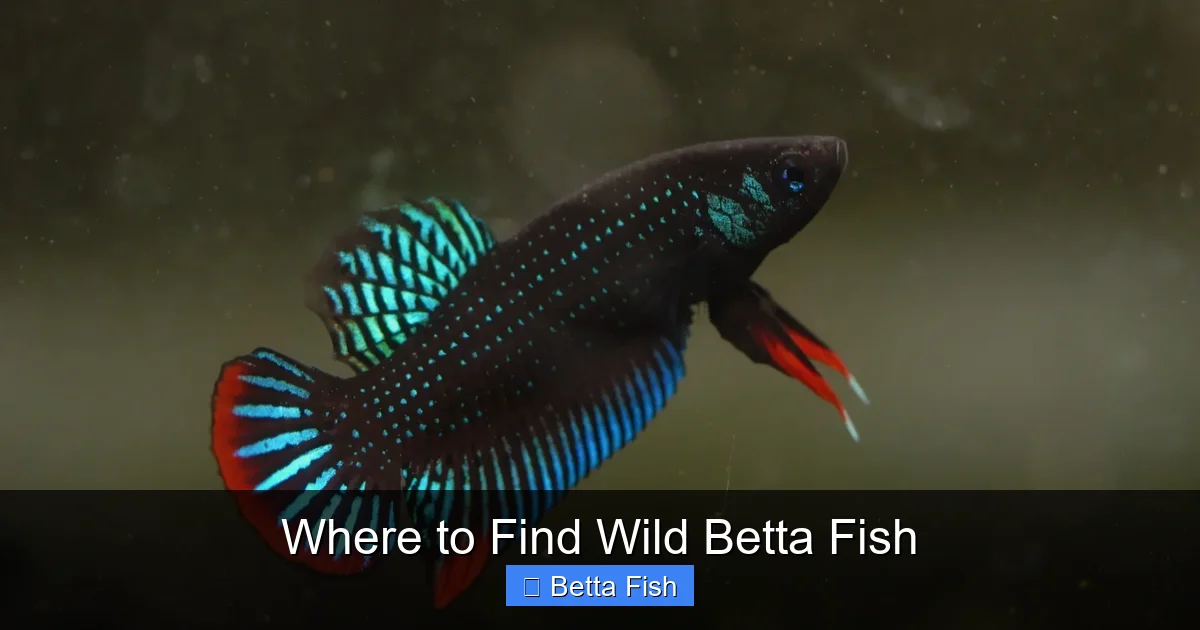
- What to Look For: Don’t expect a vibrant blue and red flash. Wild males are typically short-finned, dull green, brown, or grey with faint iridescence. They are camouflage masters. Look for a small, elongated fish (5-7 cm) holding position near the surface or under a leaf, often flaring at a rival you can’t see.
- Photography: Use a zoom lens. Avoid splashing or sudden movements that could scare the fish or damage plants.
Respect the Landscape
The habitat is everything. The rice paddy you’re peering into is someone’s livelihood. Always ask permission from landowners. Never trespass. Remember you are a guest in an ecosystem that is fragile and economically important.
The Sustainable Alternative: Captive-Bred Wild-Type Bettas
For the aquarist who desires the raw beauty and genetic robustness of a wild betta without the legal and ethical baggage, captive-bred wild-types are the perfect solution.
What Are Wild-Type Bettas?
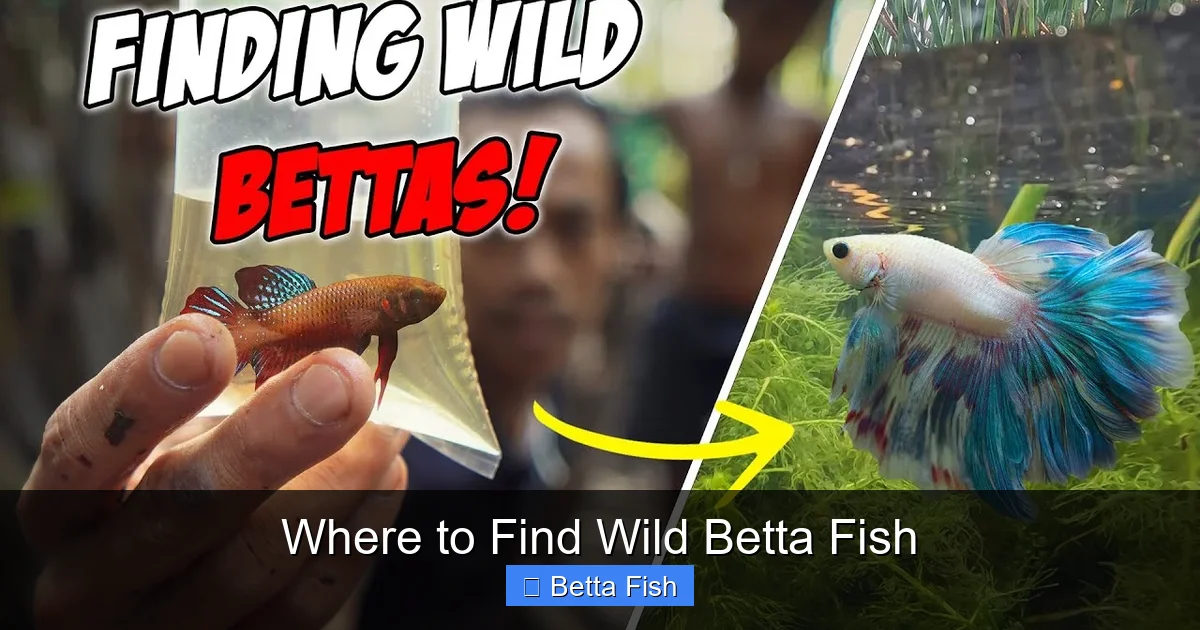
These are bettas descended from wild ancestors but bred in captivity for generations. They retain the short, functional fins (plakat or other short-finned types), natural coloration patterns (green, brown, “kissing” iridescent blues), and often the hardier constitution of their wild cousins. They are not genetically identical to a fish from a Thai ditch, but they are the closest, most responsible alternative.
Where to Find Reputable Sources
You will not find these in big-box pet stores. You must seek out specialized breeders:
- Specialist Online Breeders: Search for breeders who explicitly state they work with “wild-type,” “natural,” or “short-finned” lines. Look for detailed information on their fish’s origins (e.g., “Thai wild-type,” “Cambodian”).
- Betta Fish Shows and Clubs: The International Betta Congress (IBC) and local clubs have breeder directories. Many members specialize in wild-type and halfmoon plakat varieties.
- What to Ask A Breeder: “Are your wild-type lines originally sourced from wild imports?” “How many generations have they been in captivity?” “Do you practice outcrossing to maintain genetic diversity?” Reputable breeders are transparent.
Benefits of Captive-Bred Wild-Types
- Zero Impact on Wild Populations: No fish are removed from fragile ecosystems.
- Healthier and Hardier: They are accustomed to tank life, less stressed, and often more disease-resistant than freshly wild-caught specimens.
- Legal and Simple: No permits, no customs seizures. They are shipped like any other ornamental fish.
- Ethical Peace of Mind: You can enjoy the aesthetic and behavioral authenticity while supporting sustainable aquaculture.
Conclusion: A Shift in Perspective
The question “where to find wild betta fish” has a literal geographic answer: the tannin-stained, leaf-littered shallows of Southeast Asia. But its meaningful answer is a compass pointing toward responsibility. The wild betta’s story is no longer just one of natural beauty and fierce independence; it is now a story of habitat loss and the critical importance of conservation. To “find” a wild betta today is to understand its world, to support the protection of its wetland home, and to choose a captive-bred wild-type if you wish to keep one. The most profound connection you can make is not by removing a fish from its home, but by learning about its ecosystem, respecting its fragility, and advocating for the swamps and rice paddies that are its entire universe. Let your search end not with a net, but with knowledge, respect, and a commitment to the survival of Betta splendens in the wild.
Frequently Asked Questions
Is it legal for a tourist to catch and bring home a wild betta fish?
No. It is illegal under both international (CITES) and national laws to capture and export wild bettas as a tourist. Permits are restricted to researchers, licensed exporters, and zoos. Attempting to do so can result in severe penalties, including fines and imprisonment.
What is the main visual difference between a wild betta and a domestic betta?
Wild bettas have much shorter, less ornate fins (typically plakat or short-finned), and their coloration is subdued—shades of green, brown, and grey with only faint iridescent blues or reds, primarily used for display. Domestic bettas have been selectively bred for long, flowing fins and vibrant, solid colors.
How can I ethically see wild betta fish in their natural habitat?
By joining a guided ecotour with a reputable local organization or university research group. These tours focus on observation only—no collecting—and support local conservation efforts while ensuring you are on permitted land with expert guidance.
Are wild betta fish harder to keep than domestic ones?
Yes, in some ways. While often hardier against temperature fluctuations, they are less adapted to life in a pristine aquarium. They are more prone to stress from bright lights, loud noises, and lack of complex hiding places. They require a heavily planted, covered tank with still, warm water and live or frozen foods.
What is the single biggest threat to wild betta populations?
Habitat destruction and degradation. The draining and conversion of their wetland homes—swamp forests, rice paddies, and ditches—for agriculture (like palm oil plantations) and urban development is the primary cause of their population decline, far more than collection for the aquarium trade.
Where can I buy a true wild-type betta fish for my aquarium?
From specialized, reputable breeders who focus on wild-type lines, not from general pet stores. Search for breeders through the International Betta Congress (IBC) or dedicated betta fish forums. Ensure they can trace their lines to original wild imports and practice ethical breeding to maintain genetic diversity.