How to Calm Down a Territorial Betta Fish
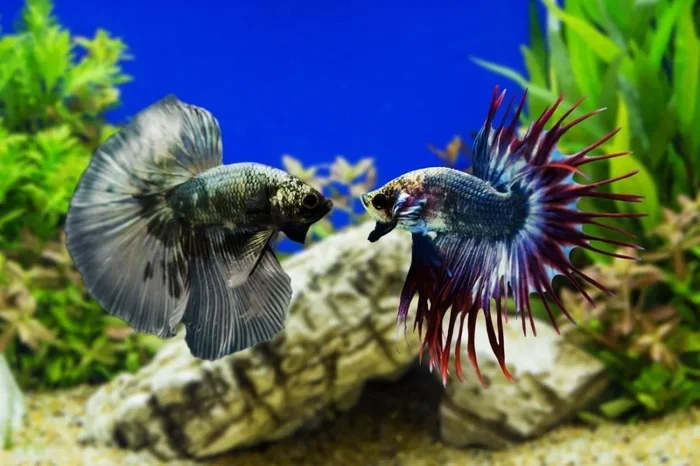
Calming a territorial betta fish is easier than most owners think. With the right tank setup, consistent routines, and a few smart adjustments, you can significantly reduce aggression and stress. This guide covers proven methods to help your betta feel safe and relaxed.
Owning a betta fish can be incredibly rewarding. These colorful creatures have personality and flair that few other pets can match. But when your betta starts flaring, chasing, or refusing to eat, it can be stressful for both you and your fish. If you are struggling with an aggressive betta, you are not alone. Many betta owners face the challenge of how to calm down a territorial betta fish at some point.
The good news is that territorial behavior in bettas is manageable. With the right approach, you can create a peaceful environment where your betta feels safe and secure. This guide walks you through everything you need to know. From understanding why bettas act territorial to practical steps you can take today, we have you covered.
Whether you are a new betta owner or have had fish for years, these strategies will help. You will learn about the signs of stress, the best tank setups, and simple tricks that make a real difference. Let us dive in and help your betta find its calm side.
Key Takeaways
- Territorial behavior in bettas is natural: Understanding the root cause helps you address it effectively.
- Tank environment matters: Proper size, layout, and hiding spots reduce aggression significantly.
- Quick calming techniques work fast: Simple changes like dimming lights and adding plants can help immediately.
- Consistent feeding routines reduce stress: A predictable schedule makes your betta feel secure.
- Tank dividers are a game changer: They allow multiple fish to coexist without conflict.
- Building trust takes time: Patience and gentle interaction go a long way in calming your betta.
📑 Table of Contents
Understanding Why Betta Fish Become Territorial
Before you can fix the problem, you need to understand why it happens. Betta fish, also known as Siamese fighting fish, are naturally territorial. This behavior is deeply rooted in their instincts. In the wild, bettas claim small areas of water and defend them fiercely. They use their vibrant fins and aggressive displays to warn off rivals.
The Natural Instinct Behind Territorial Behavior
Male bettas are especially prone to territorial behavior. In their native habitats in Southeast Asia, they live in shallow rice paddies and slow-moving streams. These environments are crowded with other males, so aggression became a survival trait. When a male betta sees another male or even its own reflection, it perceives a threat.
Female bettas can also be territorial, though they tend to be less aggressive. A group of female bettas sometimes forms a hierarchy, and disputes can still arise. Understanding that this behavior is natural helps you respond with patience rather than frustration.
Common Triggers for Aggression
Several things can trigger territorial behavior in bettas. Recognizing these triggers is the first step toward a solution.
- Seeing another betta: Even a reflection in the glass can set off a male betta.
- Overcrowded tank: Too many fish in a small space increases tension.
- Lack of hiding spots: Without places to retreat, your betta feels exposed and anxious.
- Poor water quality: Dirty water causes stress, which often leads to aggression.
- Sudden changes: Moving the tank, adding new decorations, or changing the routine can upset your betta.
- Mirror exposure: Some owners use mirrors to show off flaring, but this causes chronic stress.
Once you identify the trigger, you can take targeted action. The goal is to remove or reduce the source of stress so your betta can relax.
Signs Your Betta Fish Is Stressed or Territorial
Bettas communicate their feelings through behavior and physical changes. Learning to read these signs helps you intervene before things escalate. A stressed or territorial betta will show clear warning signals.
Physical Signs to Watch For
- Flaring fins: Your betta spreads its gills and fins to look larger. This is a classic territorial display.
- Clamped fins: Fins held close to the body signal fear or stress.
- Faded colors: A healthy betta has vibrant colors. Dull or pale coloring often means stress.
- Loss of appetite: Refusing food is a strong indicator that something is wrong.
- Rapid breathing: Panting at the surface can indicate poor water conditions or anxiety.
Behavioral Changes That Matter
- Chasing other fish: Your betta may aggressively pursue tank mates or its own reflection.
- Hiding constantly: While bettas enjoy hiding spots, staying hidden all the time suggests fear.
- Destructive behavior: Biting plants or digging at the substrate can signal frustration.
- Glass surfing: Swimming repeatedly along the tank walls is a sign of boredom or stress.
If you notice several of these signs, it is time to act. Addressing the root cause early prevents long-term health problems and helps your betta thrive.
How to Calm Down a Territorial Betta Fish
Now that you understand the why and the signs, let us talk about solutions. Calming a territorial betta fish requires a combination of environmental changes, routine adjustments, and patience. Here are the most effective strategies that actually work.
Step-by-Step Solutions That Actually Work
Follow these steps in order for the best results. Each one builds on the last to create a comprehensive calming strategy.
- Check your tank size. A small tank amplifies territorial behavior. Bettas need at least 5 gallons of space to feel comfortable. A cramped tank makes your betta feel trapped and defensive. If you are using a bowl or a tank smaller than 5 gallons, upgrading to a larger tank can make an immediate difference.
- Add hiding spots. Plants, caves, and decorations give your betta places to retreat. When your fish feels it has a safe zone, aggression drops. Live plants like java fern or anubias work great. They also improve water quality, which adds another layer of benefit.
- Dim the lights. Bright lights can stress bettas, especially those that are already territorial. Use a soft LED light or keep the room dimly lit. This creates a calming atmosphere that helps your betta settle down.
- Remove reflections. If your betta is flaring at its own reflection, try reducing the glare on the tank glass. A background sticker on the outside of the tank helps. You can also angle the tank slightly to minimize reflections.
- Maintain water quality. Test your water parameters regularly. Ammonia and nitrite should always be at zero. Nitrate should stay below 20 ppm. Clean water reduces stress and makes your betta feel safer in its environment.
- Use a tank divider if needed. If you keep multiple bettas, a divider allows them to share a tank without direct contact. This is one of the most effective ways to manage territorial aggression. You can learn more about setting one up in our guide on how to make a betta fish tank divider.
Quick Tips for Immediate Relief
Some techniques work within minutes. Try these when your betta is actively flaring or showing signs of stress.
- Cover three sides of the tank: This reduces your betta’s feeling of vulnerability. A simple towel or tank background does the trick.
- Talk softly near the tank: Sudden loud noises startle bettas. A calm voice helps them relax.
- Slow your movements: Avoid tapping on the glass or making fast movements near the tank.
- Offer a favorite treat: A small piece of bloodworm or brine shrimp can distract and soothe an agitated betta.
These quick fixes are not long-term solutions, but they help in the moment. Use them alongside the bigger changes listed above for the best outcome.
Setting Up the Right Tank Environment
A well-designed tank is the foundation of a calm betta fish. The environment you create directly impacts your fish’s mood and behavior. Getting the setup right means fewer territorial episodes and a happier, healthier pet.
Tank Size and Layout Matters
The minimum recommended tank size for a single betta is 5 gallons. Larger tanks provide more swimming space and help dilute territorial tension. A cramped bowl or vase is not just uncomfortable, it can actually cause aggressive behavior.
When arranging your tank, think about flow and open space. Bettas prefer gentle water movement. Strong filters can stress them out, so consider using a sponge filter on low settings. Leave open swimming areas as well as planted zones. This balance gives your betta room to explore while still feeling secure.
If you are setting up a new tank, make sure to cycle it properly before adding your betta. Uncycled tanks have unstable water parameters that cause chronic stress. You can find detailed guidance on how to set up a fish tank for betta fish to ensure you get everything right from the start.
Adding Hiding Spots and Plants
Plants are your best friend when dealing with a territorial betta. They break up sightlines and give your fish places to hide and claim as its own. Both live and silk plants work well. Avoid sharp plastic decorations that can tear your betta’s delicate fins.
Some of the best plant options for betta tanks include:
- Java fern: Easy to grow and hardy, it provides excellent cover.
- Anubias: Low maintenance and great for mid-ground placement.
- Amazon sword: Tall and dramatic, it creates a natural feeling environment.
- Betta bulbs: These produce long, flowing leaves that bettas love to nest in.
Add at least a few hiding spots using caves, driftwood, or coconut shells. Your betta will choose its favorite spots and feel more in control of its territory. This sense of control is key to reducing aggression.
Long-Term Strategies for a Peaceful Betta
Quick fixes help in the short term, but long-term consistency is what truly calms a territorial betta. Building a stable routine and environment takes time, but the results are worth it.
Feeding Routines That Reduce Aggression
Feeding schedules play a bigger role in betta behavior than many owners realize. A predictable feeding routine gives your betta a sense of security. Feed your betta at the same times each day, ideally twice a day with small portions. Overfeeding can lead to health problems and increased lethargy, which can worsen territorial behavior.
Variety in diet also matters. High-quality betta pellets should form the base of their diet. Supplement with frozen or live foods like bloodworms and brine shrimp a few times a week. A well-fed betta is a calmer betta. For tips on portion sizes, check out our article on how many pellets to feed a betta fish.
Building Trust Over Time
Trust is a powerful tool for calming a territorial betta. When your fish learns to associate your presence with positive experiences, aggression decreases. Start by sitting near the tank and talking softly. After a few days, try offering food from your fingers.
Be patient during this process. Some bettas warm up quickly, while others take weeks. Never force interaction. If your betta flares when you approach, slow down and give it more space. Over time, most bettas learn to recognize their owner and become less defensive.
If you want to deepen your bond, consider reading our guide on how to grow a bond with your betta fish. It offers additional techniques for building trust and creating a harmonious relationship with your pet.
When to Seek Help for Persistent Aggression
Most territorial behavior can be managed with the strategies above. However, some cases require extra attention. If your betta remains highly aggressive despite all your efforts, there may be an underlying issue.
Persistent aggression can sometimes be a sign of illness. Fish diseases like ich or bacterial infections can cause pain and discomfort, leading to increased irritability. If you notice unusual spots, lesions, or swelling along with aggressive behavior, it is time to investigate further. You can learn how to identify common health issues in our guide on how to treat a stressed betta fish.
Another reason for ongoing aggression is an incompatible tank setup. If you are keeping your betta with other fish, the species you choose matters greatly. Avoid colorful, long-finned fish that your betta might perceive as rivals. Stick to peaceful, bottom-dwelling species like corydoras or kuhli loaches if you want tank mates.
Sometimes, despite your best efforts, a betta simply cannot coexist peacefully with other fish. In these cases, a single-species tank is the kindest option. Your betta will be healthier and less stressed living alone in a well-set-up environment.
Conclusion
Learning how to calm down a territorial betta fish is a journey that requires patience, observation, and the right strategies. By understanding your betta’s natural instincts, recognizing the signs of stress, and making thoughtful changes to its environment, you can transform an aggressive fish into a relaxed and happy companion. Start with the basics: proper tank size, hiding spots, clean water, and a consistent feeding routine. Then build on those foundations with trust-building and long-term care.
Remember that every betta is different. What works for one fish may not work for another. Stay flexible, keep experimenting, and always prioritize your betta’s well-being. With time and effort, you will see real results. Your betta deserves a peaceful home, and you now have the tools to create one.
Frequently Asked Questions
Why is my betta fish so aggressive all of a sudden?
Sudden aggression often points to a change in the environment or a health issue. Check your water parameters first, as poor water quality is a common culprit. Also look for signs of illness like faded colors or clamped fins. If the tank has been recently rearranged, your betta may feel the need to re-establish its territory.
Can a territorial betta fish live with other fish?
Yes, but it depends on the setup. A well-planned tank with plenty of hiding spots and a proper divider can help. Avoid housing your betta with colorful or long-finned fish, as they may trigger territorial responses. Peaceful bottom-dwellers like corydoras are often good tank mates.
How long does it take for a betta fish to calm down?
It varies from fish to fish. Some bettas show improvement within a few days of environmental changes. Others may take several weeks to fully settle in. Consistency with feeding, water changes, and a calm presence around the tank speeds up the process significantly.
Does tank size really affect betta aggression?
Absolutely. A tank that is too small increases stress and territorial behavior. Bettas need at least 5 gallons to feel comfortable. In a larger tank, your betta has more space to establish its territory without feeling constantly threatened by its own reflection or nearby objects.
Should I use a mirror to test my betta’s aggression?
No. Using a mirror causes unnecessary stress and can worsen territorial behavior over time. While a brief flare response can help you assess your betta’s health, repeated mirror exposure is harmful. There are better ways to monitor your betta’s well-being without causing distress.
What is the best way to introduce a new betta to an existing tank?
Go slowly. Place the new betta in a separate container within the tank first, allowing both fish to see each other without direct contact. Gradually increase exposure time over several days. Make sure the tank has plenty of hiding spots so each fish can establish its own space without constant confrontation.