Can Betta Fish Females Live Together

Female betta fish can co‑habitate, but success hinges on tank size, hiding spots, and careful monitoring. With the right environment and a few simple rules, you can enjoy a vibrant community of gentle bettas without constant fighting.
Key Takeaways
- Size matters: A minimum of 20‑gallon tank gives each female enough territory.
- Plants and décor are essential: Live plants, caves, and driftwood create visual barriers.
- Choose compatible personalities: Look for calm, non‑aggressive females when adding new fish.
- Monitor water quality: Stable parameters reduce stress and aggression.
- Gradual introductions work best: Use a divider or a quarantine tank before full release.
- Know the warning signs: Fade‑out colors, torn fins, and frantic swimming signal trouble.
- Alternative options: If females can’t coexist, consider a single‑female setup or a species‑only community.
Quick Answers to Common Questions
Can I keep two female bettas in a 10‑gallon tank?
It’s possible, but not ideal. A 10‑gallon tank offers limited space for territories, increasing the risk of aggression. A 20‑gallon tank is a safer choice.
Do female bettas need a heater?
Yes. Betta fish are tropical and thrive at 76‑82°F (24‑28°C). Consistent temperature helps reduce stress.
How often should I feed female bettas?
Feed small amounts 2‑3 times a day, only what they can eat in a few minutes. Overfeeding can foul the water quickly.
Can I add live plants to a female betta community?
Absolutely. Live plants improve water quality and provide natural hiding spots, which help keep peace.
What should I do if one female constantly flares?
First, check water parameters and tank size. If everything is optimal, consider rearranging décor or separating the fish temporarily.
📑 Table of Contents
- Introduction: Why the Question Matters
- 1. The Natural Behavior of Female Betta Fish
- 2. Setting Up the Perfect Community Tank
- 3. Choosing the Right Female Betta
- 4. Introducing Females to the Tank
- 5. Managing Conflict and Maintaining Harmony
- 6. Alternatives and Frequently Asked Scenarios
- Conclusion: Can Betta Fish Females Live Together?
Introduction: Why the Question Matters
Betta fish, often called Siamese fighting fish, have a reputation for aggression—especially males. That reputation makes many hobbyists wonder if females are any different. The short answer is yes: female bettas are generally less territorial, but they are not automatically “peace‑loving.” Understanding their social needs can turn a potential battle zone into a lively, colorful display.
In this guide we’ll explore everything you need to know about keeping female bettas together. From tank size and décor to personality matching and health monitoring, you’ll get a step‑by‑step roadmap. By the end, you’ll be confident about whether you can house multiple females in one aquarium and how to do it successfully.
1. The Natural Behavior of Female Betta Fish
1.1 Social instincts
In the wild, female bettas live in rice paddies and slow‑moving streams where many individuals share the same space. They establish loose hierarchies rather than the rigid dominance seen in males. This means they can tolerate neighbors, but they still need personal space.
1.2 Aggression triggers
Even calm females will flare if they feel cramped, if water conditions fluctuate, or if a “bully” appears. Common triggers include:
- Insufficient hiding spots.
- Overcrowding in a small tank.
- Sudden temperature or pH changes.
- Introducing a new fish without a proper acclimation period.
2. Setting Up the Perfect Community Tank
2.1 Tank size guidelines
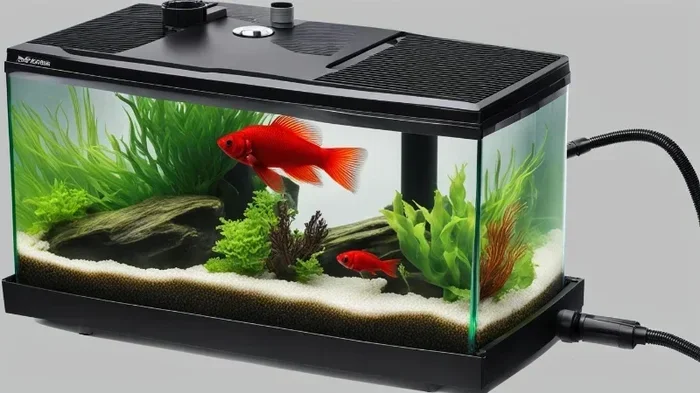
The most cited rule is a minimum of 20 gallons for a small group of females (2‑4 fish). Larger groups benefit from 30 gallons or more. A bigger water column also helps dilute any waste, keeping water quality stable.

Visual guide about Can Betta Fish Females Live Together
Image source: u.today
2.2 Filtration and water parameters
Use a gentle filter that creates a soft flow—betta fins are delicate. Aim for:
- Temperature: 76‑82°F (24‑28°C)
- pH: 6.5‑7.5
- Hardness: 3‑4 dGH
Stable parameters reduce stress, which in turn lowers the chance of aggression.
2.3 Hiding places and visual barriers
Plants (live or silk), driftwood, and smooth rocks act as natural dividers. They break the line of sight, allowing each female to claim a territory without constant visual contact. A good rule of thumb is to provide at least one hiding spot per fish.
2.4 Lighting and décor
Soft, diffused lighting mimics their natural habitat and reduces territorial displays. Avoid bright, direct light that can make bettas feel exposed.
3. Choosing the Right Female Betta
3.1 Assessing temperament
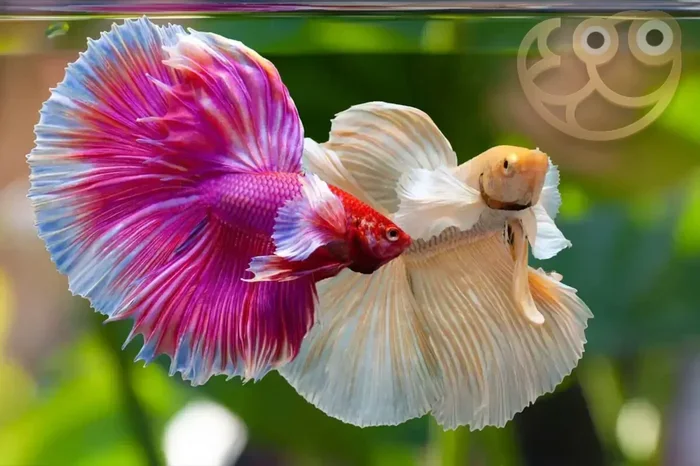
When purchasing, observe the fish for calm swimming, subtle color, and minimal flaring. Some breeders label females as “peaceful” or “community‑grade.” If possible, ask for a short observation period before buying.

Visual guide about Can Betta Fish Females Live Together
Image source: blog.insightfulaccountant.com
3.2 Size and age considerations
Match fish of similar size and age. A much larger female can dominate smaller tank mates, leading to stress and injury.
3.3 Health check
Look for clear eyes, intact fins, and steady swimming. Any signs of disease (white spots, ragged fins) should be treated before introducing the fish to a community tank.
4. Introducing Females to the Tank
4.1 Quarantine first
All new bettas should spend at least two weeks in a separate quarantine tank. This prevents the spread of parasites and gives you a chance to watch their behavior.
4.2 Gradual introduction methods
Two popular techniques are:
- Divider method: Place a clear acrylic or mesh divider in the main tank. Let the fish see each other without contact for 3‑5 days, then slowly increase the opening.
- Driftwood bridge: Use a thick piece of driftwood as a temporary barrier. It lets the fish smell each other while limiting direct interaction.
4.3 Full release
When the fish show curiosity without aggression, gently move them into the main tank using a soft net. Observe closely for the first 24‑48 hours.
5. Managing Conflict and Maintaining Harmony
5.1 Spotting early warning signs
Watch for:
- Fins that appear torn or frayed.
- Loss of vibrant color.
- Rapid, frantic swimming near the surface.
- Frequent flaring that lasts more than a few seconds.
If you notice these, be ready to separate the fish immediately.
5.2 Re‑arranging the tank
Sometimes a simple rearrangement of plants and décor can reset territories. Move a few pieces, add new hides, and give the fish a fresh landscape to explore.
5.3 When to separate
If aggression continues for more than a day, or if injuries appear, it’s safest to move the aggressor to a separate tank. This protects the health of the entire group.
6. Alternatives and Frequently Asked Scenarios
6.1 Single‑female setup
Many keepers prefer a single, beautifully displayed female betta in a well‑planted 5‑gallon tank. This eliminates any risk of conflict while still showcasing the fish’s colors.
6.2 Mixed‑species community
Peaceful bottom dwellers like corydoras or small shrimp can coexist with females, provided the tank is spacious and has plenty of cover. For more ideas, see our article on What Other Fish Can Live With Betta Fish.
6.3 When females won’t get along
Even with perfect setup, some females simply don’t click. In that case, consider a “betta sorority” of 5‑6 females in a 30‑gallon tank with dense planting. Sororities require even more space and careful monitoring but can thrive when managed well.
Conclusion: Can Betta Fish Females Live Together?
Yes—female bettas can live together, but success isn’t guaranteed without the right conditions. A spacious tank, plenty of hiding spots, stable water, and careful personality matching are the three pillars of a harmonious community. Start slow, watch for signs, and be ready to adjust. With patience, you’ll enjoy a lively, colorful group of females that showcase the true beauty of betta fish without the constant drama of male battles.
Frequently Asked Questions
Do female bettas fight as much as males?
Females are generally less aggressive than males, but they can still display territorial behavior, especially in cramped conditions.
Can I keep a male and female betta together?
It’s risky. Males are highly territorial and may attack females. If you try, use a large tank with many hiding spots and monitor closely.
How many female bettas can I keep in a 30‑gallon tank?
Four to six females can usually coexist in a well‑planted 30‑gallon tank, provided each has its own space and plenty of cover.
Is a sorority the same as a group of female bettas?
A sorority is a specific setup of 5‑6 females in a large, heavily planted tank. It requires more careful management than a simple pair.
Can I mix female bettas with other community fish?
Yes, gentle species like neon tetras, small rasboras, or corydoras can share the tank if the space is adequate and there are enough hiding spots.
What internal link can help me learn more about betta compatibility?
Read more about Can 2 Female Betta Fish Live Together for detailed case studies and tips.