How Big Is a Betta Fish Heart

A betta fish heart is incredibly small, roughly the size of a grain of rice or a pinhead. Despite its tiny size, the betta fish heart plays a vital role in pumping blood through the body. Understanding betta fish anatomy helps you care for your pet better and spot early signs of trouble.
Have you ever wondered how big a betta fish heart really is? It is tiny, incredibly tiny. We are talking about an organ that is smaller than the tip of your pinky finger. But do not let the size fool you. That little betta fish heart works nonstop to keep your fish alive and healthy.
Betta fish, also known as Siamese fighting fish, are popular pets around the world. Their vibrant colors and flowing fins make them stand out in any tank. But beneath those beautiful scales lies a fascinating betta fish anatomy that many owners overlook. The heart is one of the most important organs, and understanding its size and function can help you become a better fish parent.
In this article, we will explore everything about the betta fish heart. We will look at how big it actually is, how it works, and what you can do to keep it healthy. Whether you are a beginner or a seasoned fish keeper, this guide has something valuable for you.
Key Takeaways
- Tiny but Mighty: A betta fish heart is about the size of a grain of rice, yet it keeps the entire body functioning.
- Two-Chambered Structure: Unlike human hearts, a betta heart has two chambers that push blood in a single loop.
- Heart Health Matters: A healthy betta fish heart is essential for a long betta fish lifespan and overall well-being.
- Signs of Heart Trouble: Lethargy, loss of appetite, and swollen abdomen can signal betta fish health problems linked to the heart.
- Care Tips Help: Clean water, proper temperature, and a balanced diet support a strong betta fish cardiovascular system.
- Size Doesn’t Tell the Whole Story: Even though betta fish are small, their organs work harder than you might expect.
📑 Table of Contents
The Size of a Betta Fish Heart
A betta fish heart is remarkably small. In fact, it is barely visible to the naked eye. Most betta fish hearts measure between 1 and 2 millimeters in length. To put that in perspective, a single grain of rice is about 7 millimeters long. So the heart is less than a third of that size.
Despite being so small, the heart does a big job. It pumps blood through a betta fish cardiovascular system that reaches every fin, tail, and organ. The entire betta fish body size is small too, so the heart does not need to be large to do its work efficiently.
How Does the Heart Compare to the Body?
A fully grown betta fish is usually about 2.5 to 3 inches long. That means the heart takes up a very tiny fraction of the total body. But the ratio of heart size to body size is actually quite efficient in bettas. Their organs are proportionally sized to support their needs. This is one reason why bettas can live up to 3 to 5 years with proper care.
If you want to learn more about how big betta fish get overall, check out our guide on how big does a betta fish get. Understanding the full body size helps you appreciate just how small and delicate the heart really is.
What Does a Betta Fish Heart Look Like?
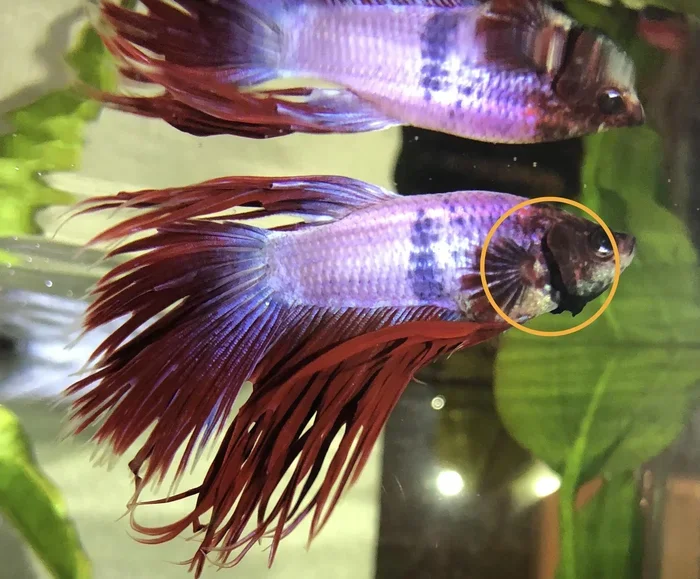
Under close observation or a magnifying glass, a betta fish heart looks like a tiny, slightly elongated bump near the gills. It is usually a dull red or pinkish color. The heart beats in a steady rhythm, and you may even be able to see it pulsing if your fish is very still and the lighting is right.
Some experienced fish keepers can actually see the heartbeat through the translucent skin near the gill area. It is a fascinating sight. The heartbeat of a healthy betta is regular and consistent. Any irregularity might be a sign of stress or illness.
How Does a Betta Fish Heart Work?
The betta fish heart is simpler than a human heart. It has only two chambers: one atrium and one ventricle. This is called a two-chambered heart. Blood flows through the heart in a single loop, moving from the heart to the gills, then to the body, and back again.
This single-loop system works well for fish. It is different from the four-chambered hearts found in mammals. But for a creature the size of a betta, it is perfectly designed. The heart pushes oxygen-poor blood to the gills, where it picks up fresh oxygen. Then the oxygen-rich blood travels through the body to feed organs and muscles.
The Role of the Heart in Betta Fish Health
Every cell in a betta fish’s body depends on the heart. Without a functioning heart, oxygen and nutrients cannot reach the tissues. This is why betta fish health is so closely tied to heart function. A healthy heart means a healthy fish.
Here are some key functions the betta fish heart performs:
- Pumping blood: The heart creates the pressure needed to move blood through the body.
- Oxygen delivery: It helps transport oxygen from the gills to every part of the fish.
- Nutrient distribution: Nutrients from food are carried by the blood, and the heart keeps them flowing.
- Waste removal: Carbon dioxide and other waste products are carried away from organs thanks to the heart’s pumping action.
- Temperature regulation: Blood flow helps distribute heat evenly through the fish’s body.
Want to understand more about how long your betta can live with a healthy heart? Read our article on how long is a betta fish life span for detailed insights.
Signs of a Healthy Betta Fish Heart
You cannot always see the heart directly, but you can observe the signs of a healthy cardiovascular system. A betta with a strong heart will show specific behaviors and physical traits that are easy to notice.
Behavioral Signs
A healthy betta fish is an active betta fish. Here are signs that your fish’s heart is working well:
- Active swimming: The fish moves around the tank with energy and purpose.
- Regular breathing: The gills move steadily, not too fast and not too slow.
- Good appetite: A healthy heart supports a healthy metabolism, so the fish eats eagerly.
- Bright colors: Good blood flow brings nutrients to the skin, keeping colors vibrant.
- Responsive to stimuli: The fish reacts to your presence and tank changes.
Physical Signs
Beyond behavior, there are physical indicators of heart health:
- Smooth fins: Fins are held open and move gracefully without clamping.
- Clear eyes: Eyes are bright and free of cloudiness.
- Balanced body: The body is symmetrical with no unusual swelling.
- Consistent color: There are no pale patches or sudden fading of color.
Common Heart Problems in Betta Fish
Even though betta fish hearts are small and resilient, they are not invincible. Several factors can affect betta fish heart function. Understanding these problems helps you prevent them.
Heart Failure in Betta Fish
Heart failure in fish is not the same as in humans, but it does happen. It usually occurs when the heart can no longer pump blood effectively. This can result from age, poor water conditions, or underlying diseases. Older bettas are more prone to heart-related issues.
Some common causes of heart problems include:
- Poor water quality: Ammonia and nitrite buildup stresses the fish and damages organs.
- High tank temperature: Water that is too hot forces the heart to work harder than it should.
- Overfeeding: Obesity puts extra strain on the cardiovascular system.
- Genetics: Some bettas may be born with weaker hearts.
- Infections: Bacterial or parasitic infections can spread to the heart.
How to Spot Heart Trouble Early
Early detection is key to saving your betta. Watch for these warning signs:
- Lethargy: The fish spends most of its time resting at the bottom of the tank.
- Loss of appetite: The fish refuses food for more than a day or two.
- Rapid breathing: Gills move quickly even when the fish is not active.
- Swollen abdomen: This could indicate fluid buildup, a sign of heart distress.
- Clamped fins: Fins are held close to the body, signaling discomfort.
If you notice these symptoms, act quickly. Check your water parameters and consider consulting a fish veterinarian. For more on recognizing when your betta is seriously unwell, see our article on how do you know a betta fish is dying.
Can a Betta Fish Recover from Heart Issues?
The answer depends on the severity of the problem. Mild stress-related heart issues can often be reversed with better care. Improving water quality, adjusting the temperature, and providing a balanced diet can make a big difference. However, advanced heart damage may not be reversible.
This is why prevention is always better than treatment. A clean tank, proper feeding, and a stress-free environment go a long way in protecting your betta’s heart.
How to Keep Your Betta Fish Heart Healthy
Good news. Keeping your betta’s heart healthy is not complicated. A few simple habits can make a huge difference. Here are practical tips every betta owner should follow.
Maintain Clean Water
Clean water is the foundation of betta fish health. Ammonia and nitrites are toxic and can damage the heart over time. Use a reliable filter and perform regular water changes. Aim for a 25 to 30 percent water change every week.
Test the water parameters regularly. The ideal conditions are:
- Temperature: 76 to 82 degrees Fahrenheit.
- pH: 6.5 to 7.5.
- Ammonia: 0 ppm.
- Nitrite: 0 ppm.
- Nitrate: Below 20 ppm.
Feed a Balanced Diet
What you feed your betta directly affects its heart. A diet rich in protein supports muscle and organ health. Pellets formulated for bettas are a great staple. Supplement with frozen or live foods like brine shrimp and bloodworms for variety.
But do not overfeed. Excess food leads to obesity, which strains the heart. Feed small amounts twice a day and remove any uneaten food after a few minutes.
Keep the Tank Stress-Free
Stress weakens the immune system and puts extra pressure on the heart. Here is how to create a calm environment:
- Avoid aggressive tank mates: Some fish may nip at betta fins and cause stress.
- Provide hiding spots: Plants and decorations give your betta a sense of security.
- Keep the lighting gentle: Too much bright light can stress your fish.
- Avoid sudden movements near the tank: Loud noises and vibrations can startle your betta.
Monitor Your Betta Regularly
Spend a few minutes each day watching your fish. Look for changes in behavior, color, or appetite. The sooner you notice something is off, the sooner you can take action. Regular observation is one of the simplest and most effective ways to protect your betta’s heart.
If you are new to betta keeping and want to set up the right environment from the start, check out our guide on how to set up a fish tank for betta fish. A proper setup from day one sets the stage for a healthy heart and a long life.
Interesting Facts About the Betta Fish Heart
Now that you understand the basics, here are some fun and fascinating facts about the betta fish heart that might surprise you.
Betta Fish Hearts Beat Fast
A healthy betta fish heart beats between 30 and 60 times per minute. That is slower than a human heart, but for a fish that small, it is impressively fast. The heart rate can increase when the fish is stressed or excited.
The Heart Is Located Near the Gills
If you look closely at your betta, you will notice that the heart sits right behind the gills. This placement makes sense because the gills are where oxygen enters the blood. The heart is positioned close to the source of oxygen to keep the blood moving efficiently.
Cold Water Slows the Heart
Betta fish are tropical fish, and they need warm water to thrive. In cold water, the heart rate slows down significantly. This is one reason why maintaining the right temperature is so important. A too-cold tank can put unnecessary strain on the heart and lead to health problems.
Betta Fish Hearts Can Regenerate to Some Degree
Research has shown that fish hearts have some regenerative ability. While this is not as dramatic as what you see in movies, minor damage can heal over time with proper care and a healthy environment.
When to Seek Help for Your Betta Fish
Sometimes, despite your best efforts, your betta may develop heart-related problems. Knowing when to seek professional help can make all the difference. If your fish shows persistent signs of distress, do not wait too long before taking action.
Consult a veterinarian who specializes in fish health. They can perform a thorough examination and recommend treatment options. In the meantime, you can improve water quality and reduce stress in the tank to give your betta the best chance of recovery.
For tips on caring for a sick betta, read our guide on how to help a betta fish that is sick. It covers practical steps you can take at home to support your fish during illness.
Conclusion
The betta fish heart may be tiny, but it is the engine that keeps your fish alive. From pumping blood to delivering oxygen and nutrients, every beat matters. Understanding how big a betta fish heart is and how it works gives you the knowledge to care for your pet more effectively.
Keep the water clean, feed a balanced diet, and watch for warning signs of trouble. These simple steps go a long way in protecting your betta’s heart and ensuring a long, happy life. Your little fish depends on you, and with the right care, it can thrive for years to come.
Remember, a healthy heart starts with you. The choices you make every day as a fish owner directly impact your betta’s well-being. So take what you have learned here and put it into practice. Your betta will thank you with vibrant colors, energetic swimming, and a long, healthy life.
Frequently Asked Questions
How big is a betta fish heart compared to other fish?
Betta fish hearts are proportionally similar in size to other small tropical fish. The heart is typically about 1 to 2 millimeters long, which is consistent with the body size of most small freshwater fish. Larger fish species have bigger hearts, but the ratio of heart size to body size remains fairly similar across species.
Can you see a betta fish heart with the naked eye?
In most cases, you cannot see the heart clearly without magnification. However, experienced fish keepers can sometimes observe a subtle pulsing near the gills of a betta with thin or translucent skin. Using a magnifying glass or a macro camera can help you get a better look at this tiny organ.
What causes heart problems in betta fish?
Heart problems in bettas are usually caused by poor water quality, high ammonia levels, incorrect temperatures, overfeeding, and infections. Stress and genetics also play a role. Maintaining a clean tank and proper conditions is the best way to prevent heart-related issues.
How can I tell if my betta fish has a heart problem?
Signs of heart trouble include lethargy, rapid breathing, loss of appetite, swollen abdomen, and clamped fins. If you notice these symptoms, test your water parameters immediately and consider consulting a fish veterinarian for a proper diagnosis.
Does water temperature affect a betta fish heart?
Yes, water temperature has a direct impact on heart rate. Cold water slows the heart down, while warm water within the ideal range keeps it beating steadily. Temperatures that are too high or too low can stress the heart and lead to health complications.
Can a betta fish live a normal life with a damaged heart?
Mild heart damage may not significantly shorten a betta’s life if the environment is optimized. Clean water, proper nutrition, and low stress can help the fish compensate. However, severe heart damage is difficult to treat and may reduce the fish’s quality of life.