Can Betta Fish Fight Each Other
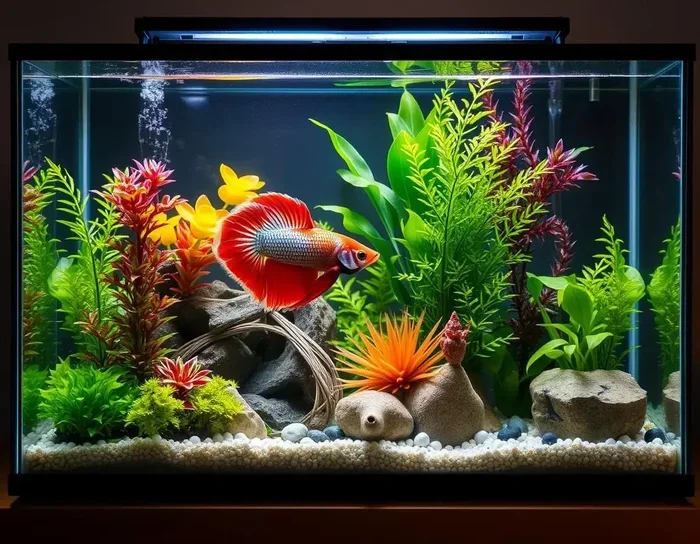
Betta fish are naturally territorial and will often fight if placed together, especially males. Understanding their behavior, tank setup, and proper introductions can prevent injuries and keep your aquatic friends healthy.
Key Takeaways
- Territorial nature: Male bettas view any other similar fish as a rival and may attack.
- Tank size matters: A larger, well‑planted tank reduces aggression by providing hiding spots.
- Female groups: A sorority of females can coexist if the group is large enough (4‑6) and the environment is spacious.
- Observation is key: Early signs of flare‑ups include gill flaring, rapid fin spreading, and chasing.
- Separate when needed: If fights become severe, provide a divider or move one fish to a new tank.
- Proper introductions: Use a neutral container or a mesh barrier to let bettas see each other without direct contact.
- Compatibility with other species: Some peaceful community fish can live with a betta if the tank is appropriately set up.
Quick Answers to Common Questions
Can two male bettas live together?
Only with a solid divider or in a very large, heavily planted tank; otherwise they will fight.
Do female bettas fight?
Females are less aggressive, and a group of 4‑6 can coexist in a spacious, well‑planted tank.
How long does a betta fight usually last?
Most visual displays end within a few minutes, but physical fights can last longer and cause serious injury.
Can I keep a betta with neon tetras?
Yes, neon tetras occupy a different water level and are fast enough to avoid aggression, making them good tank mates.
What should I do if my betta’s fins are torn?
Separate the fish, treat the wound with a mild antibacterial dip, and keep the water clean to prevent infection.
📑 Table of Contents
- Introduction: The Betta’s Battle Instinct
- Why Betta Fish Fight: Evolution and Hormones
- How to Recognize an Impending Fight
- Can Betta Fish Coexist? The Different Scenarios
- Setting Up a Peaceful Betta Environment
- Practical Tips for Introducing New Betta Fish
- When Fights Escalate: What to Do Next
- Conclusion: Balancing Beauty and Battle
Introduction: The Betta’s Battle Instinct
Betta fish, often called Siamese fighting fish, earned their name for a good reason. In the wild they defend small rice‑paddy territories, and in our homes that instinct can turn a peaceful aquarium into a battlefield. If you’ve ever wondered “can betta fish fight each other?” the answer is a clear yes—especially when two males meet. But the story isn’t just about aggression; it’s also about how you can manage that instinct, create a safe environment, and even enjoy multiple bettas under the right conditions.
This guide walks you through the science behind betta fights, the visual cues that warn of trouble, and practical steps to keep the peace. By the end you’ll know exactly when bettas can share a space and when a divider is the smartest move.
Why Betta Fish Fight: Evolution and Hormones
Territorial roots
In their native Thailand, male bettas guard shallow water pools that are often just a few gallons in size. The limited space forces them to become fiercely protective of food, shelter, and mates. When another male wanders into their domain, the resident betta sees a direct threat to survival.

Visual guide about Can Betta Fish Fight Each Other
Image source: down-id.img.susercontent.com
Hormonal triggers
During breeding season, testosterone spikes and makes males even more aggressive. Even in a home aquarium, bright colors, good nutrition, and a healthy environment can boost hormone levels, prompting flares and displays.
Visual signals
Betta fights usually start with a visual showdown. The fish will flare its gills, spread its fins, and swim in tight circles. This is a warning meant to avoid a physical clash—if the opponent backs down, the fight ends there.
How to Recognize an Impending Fight
Behavioral red flags
- Rapid fin spreading and gill flaring
- Chasing or hovering directly behind another fish
- Sudden bursts of speed followed by stillness
- Loss of appetite or hiding more than usual
Physical signs of injury
After a clash you might see torn fins, missing scales, or dark spots where blood has pooled. These injuries can become infected quickly, so early detection is crucial.

Visual guide about Can Betta Fish Fight Each Other
Image source: 6ixsex.com
Can Betta Fish Coexist? The Different Scenarios
Male vs. male
Two male bettas in the same tank is a recipe for a fight. Unless you use a solid divider, they will eventually clash. The safest approach is to keep each male in a separate compartment or give them a large tank with at least 20 gallons and plenty of plants, but even then the risk remains high.

Visual guide about Can Betta Fish Fight Each Other
Image source: i.pinimg.com
Female sororities
Female bettas are less aggressive than males, and a group of four to six can live together if the tank is spacious (20+ gallons) and richly planted. The group dynamic spreads the territorial pressure, reducing the chance of any single fish feeling the need to dominate.
Mixed gender
A single male with several females can work, but only if the tank is large enough and the male is not overly dominant. Watch closely for any signs of the male harassing the females; if it happens, separate them immediately.
Betta with other species
Many community fish can share a space with a betta if the tank is set up correctly. Species that are fast‑swimming and occupy a different level of the water column, such as neon tetras or small rasboras, are good choices. For more ideas, see our article on what other fish can live with betta fish.
Setting Up a Peaceful Betta Environment
Tank size and layout
More space equals less aggression. A minimum of 10 gallons for a single betta is recommended, but for multiple bettas aim for at least 20 gallons. Fill the tank with live plants, driftwood, and caves to create visual barriers.
Using dividers
Clear acrylic or glass dividers allow you to keep two bettas in the same tank while preventing physical contact. Make sure the divider is sealed so water can flow but the fish cannot pass.
Water parameters
Maintain a stable temperature (78‑80°F), pH (6.5‑7.5), and low ammonia/nitrite levels. Stress from poor water quality can increase aggression.
Feeding strategies
Feed bettas at opposite ends of the tank or use a feeding cup to avoid competition. Overfeeding can also trigger fights, so give only what they can consume in 2‑3 minutes.
Practical Tips for Introducing New Betta Fish
Quarantine first
Always quarantine a new betta for at least two weeks to prevent disease spread.
Neutral territory introduction
Place both fish in a separate container (like a small jar) inside the main tank for an hour. This allows them to see each other without defending a home base.
Gradual visual exposure
After the neutral period, use a mesh screen to let them see each other for short intervals, slowly increasing the time over several days.
Watch and act
If any flare‑ups occur, return the fish to separate compartments immediately. Patience is key; sometimes it takes weeks for bettas to accept a new neighbor.
When Fights Escalate: What to Do Next
Separate the aggressor
Move the more aggressive fish to a backup tank. Keep the water parameters identical to reduce stress.
Treat injuries
Use a mild antibacterial dip (e.g., aquarium salt bath) for torn fins. Keep the tank clean to prevent infection.
Re‑evaluate tank setup
If fights keep happening, consider a larger tank, more plants, or a permanent divider. Sometimes the safest solution is to house each betta alone.
Conclusion: Balancing Beauty and Battle
Betta fish are stunning, but their natural instinct to fight can be a challenge for hobbyists. By understanding why they clash, recognizing the warning signs, and providing a well‑structured environment, you can often prevent serious injuries and even enjoy multiple bettas together. Remember, the key is observation, proper tank size, and respectful introductions. When in doubt, give each betta its own space and enjoy their vivid displays from a safe distance.
Frequently Asked Questions
Why do betta fish flare their fins?
Flaring is a warning signal meant to intimidate rivals and avoid a physical fight. It displays the fish’s size and strength.
Can bettas live in community tanks?
Yes, if the tank is large, well‑planted, and stocked with peaceful, fast‑moving fish that stay away from the betta’s territory.
Is a 5‑gallon tank enough for two bettas?
No. A 5‑gallon tank is too small; each betta needs at least 5 gallons, plus extra space for plants and hiding spots.
Do bettas recognize their own reflection?
They often mistake their reflection for another fish and may flare or attack, so avoid mirrors in the tank.
Can I use a tank divider for a mixed‑gender pair?
Yes, a divider lets a male and female see each other without direct contact, which can be useful during breeding or when monitoring aggression.
What’s the best water temperature for bettas?
Maintain 78‑80°F (25‑27°C) to keep bettas healthy and reduce stress that can lead to fighting.