Can Betta Fish Eat Human Food

Yes, betta fish can eat certain human foods in moderation. Safe options include boiled peas, leafy greens, and small amounts of cooked meat. However, not all human food is safe for bettas, and overfeeding can lead to serious health problems.
You love your betta fish, and you want to give them the best life possible. That means thinking beyond the standard pellet or flake every now and then. Many fish owners wonder, can betta fish eat human food, and the answer is more nuanced than you might expect. Some human foods are perfectly safe and even beneficial. Others can make your fish very sick. This guide breaks it all down so you can feed your betta with confidence and keep them happy and healthy.
Betta fish are not just any tropical fish. They are carnivorous creatures with specific dietary needs. In the wild, they eat insects, larvae, and small crustaceans. In captivity, they rely on specially formulated betta pellets and flakes. But adding a little variety through safe human foods can enrich their diet and support their overall well-being. Let us explore exactly what works, what does not, and how to do it the right way.
Key Takeaways
- Safe human foods: Boiled peas, spinach, cucumber, and small amounts of cooked chicken or egg yolk can benefit your betta.
- Avoid harmful foods: Processed, salty, oily, or seasoned foods can seriously harm your betta fish health.
- Moderation is key: Human food should only be an occasional treat, not a replacement for proper betta pellets or flakes.
- Variety matters: Adding safe human foods occasionally can boost your betta’s appetite and provide missing nutrients.
- Preparation counts: Always wash, cook, and cut human food into tiny, betta-sized pieces before feeding.
- Watch for reactions: Monitor your betta after introducing any new food to watch for digestive issues or refusal to eat.
📑 Table of Contents
- Understanding Your Betta Fish Diet
- Safe Human Foods for Betta Fish
- Human Foods to Avoid Feeding Your Betta
- How to Safely Introduce Human Food to Your Betta
- Comparing Commercial Betta Food vs. Human Food
- Signs Your Betta Is Not Tolerating New Foods Well
- Expert Tips for Feeding Your Betta Fish
- Common Mistakes to Avoid When Feeding Your Betta
- Final Thoughts on Feeding Your Betta Human Food
Understanding Your Betta Fish Diet
Before you start sharing your plate with your fish, it helps to understand what bettas actually need to thrive. A balanced betta fish diet is rich in protein and includes a mix of nutrients that support vibrant colors, strong fins, and a healthy immune system.
What Do Betta Fish Need to Stay Healthy?
Bettas need a diet that is primarily protein-based. In their natural habitat in Southeast Asia, they feast on mosquito larvae, small insects, and tiny worms. This gives them a high-protein, low-carbohydrate nutritional profile. In an aquarium setting, their diet should mimic this as closely as possible.
Here is what a healthy betta diet includes:
- High-quality betta pellets: These are specially formulated to meet all nutritional needs.
- Protein-rich treats: Bloodworms, brine shrimp, and daphnia are excellent options.
- Occasional variety: Small amounts of safe human foods can add nutritional diversity.
- Proper feeding frequency: Twice a day in small amounts is the sweet spot for most bettas.
When you consider can betta fish eat human food, the key is understanding that human food is a supplement, not a staple. Bettas need their regular fish food as the foundation of their diet. Human food should only make up a small portion of what they eat each week.
Why Variety Matters for Betta Fish
Just like us, bettas can get bored with the same food every day. A varied diet keeps them interested and encourages natural feeding behaviors. It also helps fill in any nutritional gaps that commercial foods might miss. Adding safe human foods occasionally can stimulate their appetite and provide vitamins they might not get from pellets alone.
That said, variety does not mean random. Every food you offer needs to be safe for bettas and prepared properly. Not everything from your kitchen is suitable for your fish tank.
Safe Human Foods for Betta Fish
If you have been asking yourself, can betta fish eat human food, here is the good news. Several human foods are not only safe but actually good for your betta. Let us look at the best options.
Boiled Peas
Boiled peas are one of the most recommended human foods for betta fish. They are soft, easy to digest, and packed with fiber. Fiber helps prevent constipation, which is a common issue in bettas, especially those fed a diet heavy in dry pellets.
To prepare peas for your betta, follow these simple steps:
- Remove the outer shell of the pea.
- Boil the pea until it is very soft.
- Let it cool completely.
- Mash it into a tiny piece small enough for your betta to eat.
- Drop it into the tank and remove any uneaten portions after a few minutes.
Feed peas once or twice a week as a treat. Your betta will likely love them, and their digestive system will thank you.
Leafy Greens
Spinach, lettuce, and kale are all safe for bettas in small amounts. These greens provide vitamins and minerals that support overall health. They are especially helpful for bettas that need a little extra fiber in their diet.
When offering leafy greens, always wash them thoroughly first to remove any pesticides or chemicals. Blanch the greens briefly in boiling water, then let them cool. Cut them into tiny pieces and offer a small amount. Remove any leftovers quickly to keep the water clean.
Cooked Chicken and Egg Yolk
Betta fish are carnivores, so small amounts of cooked, unseasoned chicken can be a great protein boost. Egg yolk is another excellent option. It is rich in nutrients and most bettas find it irresistible.
Important rules for meat and egg:
- Never use raw meat or eggs.
- Cook thoroughly without any oil, salt, or seasoning.
- Offer only a tiny piece the size of your betta’s eye.
- Feed sparingly, as too much protein can cause digestive issues.
Cucumber and Zucchini
These mild vegetables are safe for bettas and can provide hydration and nutrients. Slice a small piece, blanch it briefly, and let it cool before offering it to your fish. Some bettas will nibble on it right away, while others may take a day or two to get curious.
Human Foods to Avoid Feeding Your Betta
Just as important as knowing what is safe is knowing what is dangerous. Certain human foods can cause serious harm to your betta fish. Always keep these items far away from your tank.
Processed and Junk Foods
Chips, crackers, bread, and other processed foods are terrible for bettas. They contain high levels of salt, preservatives, and fillers that your fish cannot digest. Feeding these foods can lead to bloating, swim bladder issues, and poor water quality as they decompose in the tank.
Salty and Seasoned Foods
Bettas are freshwater fish, and salt is harmful to them in large amounts. Any food with added salt, garlic seasoning, onion, garlic powder, or other spices should never go into the tank. Even small amounts of seasoning can stress your fish and damage their sensitive organs.
Oily and Fatty Foods
Fried foods, butter, and oily meats can coat your betta’s internal organs and cause serious health problems over time. Bettas need lean protein sources, not fatty ones. Keep the deep fryer away from the fish tank, always.
Sugary Foods and Dairy
Bettas cannot digest dairy or sugar. Chocolate, cake, ice cream, and cheese are all completely off-limits. These foods offer no nutritional value and can cause severe digestive distress.
How to Safely Introduce Human Food to Your Betta
If you are ready to start offering human foods to your betta, doing it the right way matters a lot. A sudden change in diet can cause stress and digestive problems. Here is how to do it safely.
Start Small and Slow
Begin with a tiny piece of one safe food. Offer it alongside your betta’s regular pellets. Watch how your fish responds over the next 24 hours. If they eat it eagerly and show no signs of discomfort, you can slowly increase the amount over time. If they ignore it or seem unwell, remove the food and try a different option later.
Prepare Food Properly
Proper preparation is essential. Always wash fruits and vegetables thoroughly to remove pesticides and chemicals. Cook all foods until they are soft and easy to digest. Never add salt, oil, butter, or any seasoning. Cut everything into pieces small enough for your betta to swallow easily.
Remove Uneaten Food Quickly
Human food decomposes faster than commercial fish food. Uneaten pieces can foul the water quickly, raising ammonia and nitrite levels. Use a small net or turkey baster to remove any food your betta does not eat within a few minutes of feeding.
Stick to a Feeding Schedule
Your betta’s main diet should still be high-quality betta pellets or flakes. Human food is a treat, not a meal replacement. Offer human food no more than two to three times per week, and always in small amounts. A consistent feeding schedule helps your betta stay healthy and maintain a good appetite.
Comparing Commercial Betta Food vs. Human Food
It is helpful to understand how human foods compare to commercial betta diets. Commercial foods are designed to meet all of your betta’s nutritional needs in one serving. Human foods can complement this but should never replace it entirely.
Here is a quick comparison:
- Betta pellets: Complete nutrition, balanced protein and nutrients, easy to portion, and specifically formulated for bettas.
- Human foods (safe ones): Provide variety, additional vitamins, and enrichment. However, they lack the complete nutritional balance of commercial foods.
- Human foods (unsafe ones): Can cause illness, water quality issues, and long-term health damage.
If you ever wonder about specific food comparisons, you can also check out our guide on can betta fish eat other fish food for more detailed insights on food variety.
Think of human food as a dessert for your betta, not the main course. It adds enjoyment and nutritional variety, but it needs to be served in moderation alongside a solid commercial diet.
Signs Your Betta Is Not Tolerating New Foods Well
Even with the best intentions, some bettas may not take to certain foods well. Watch for these warning signs after introducing any new food:
- Refusing to eat: If your betta ignores the food completely for more than a day, try something different.
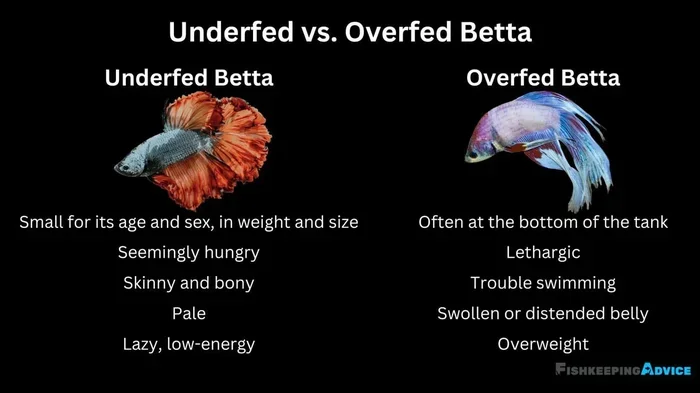
- Bloating or swelling: A swollen belly can indicate digestive issues from food that is hard to process.
- Lethargy: If your betta becomes unusually still or hides more than normal, the food may be causing discomfort.
- Swim bladder problems: Difficulty swimming or floating upside down can result from overfeeding or inappropriate foods.
- Changes in water quality: Cloudy water or a bad smell shortly after feeding suggests uneaten food is decaying in the tank.
If you notice any of these signs, stop offering the new food immediately. Stick to your betta’s regular diet and let their system recover. If symptoms persist, consider consulting a fish veterinarian or experienced aquarist for advice.
Expert Tips for Feeding Your Betta Fish
Here are some practical tips from experienced betta keepers that can help you get the most out of feeding time:
- Fast your betta once a week: Skipping one feeding day per week helps prevent overfeeding and gives the digestive system a break.
- Soak dry pellets before feeding: This prevents them from expanding in your betta’s stomach, which can cause bloating.
- Use a feeding ring: A feeding ring keeps food in one spot so your betta can find it easily and uneaten food does not spread across the tank.
- Rotate food types regularly: Switching between pellets, frozen foods, and occasional safe human foods keeps your betta engaged and well-nourished.
- Observe your betta during feeding: Watching how your fish eats helps you spot appetite changes early, which can signal health issues.
For more ideas on expanding your betta’s diet, you might also enjoy our article on can betta fish eat live food, which covers live food options that many bettas love. You can also explore whether frozen foods are safe for bettas and how to incorporate them into your feeding routine.
Common Mistakes to Avoid When Feeding Your Betta
Even the most caring betta owners can make mistakes when it comes to feeding. Here are the most common ones to watch out for:
- Overfeeding: This is the number one mistake. Bettas have small stomachs, and overfeeding leads to obesity, bloating, and poor water quality. Feed only what your betta can consume in two minutes.
- Skipping variety entirely: Feeding only pellets every single day can lead to nutritional gaps and a bored, stressed fish.
- Offering random table scraps: Not all human food is safe. Always research a food before offering it to your betta.
- Ignoring water quality after feeding: Uneaten food degrades quickly. Always remove leftovers to maintain a clean tank.
- Changing the diet too quickly: Gradual transitions are always better. Sudden diet changes can shock your betta’s system.
Avoiding these simple mistakes can make a huge difference in your betta’s health and lifespan. A well-fed betta is a happy, colorful, and active betta.
Final Thoughts on Feeding Your Betta Human Food
So, can betta fish eat human food? The answer is a clear yes, with some important caveats. Safe human foods like boiled peas, leafy greens, cooked chicken, and egg yolk can add valuable variety and nutrition to your betta’s diet. But it all comes down to preparation, moderation, and knowing what to avoid.
Always prioritize a high-quality commercial betta diet as the foundation of your fish’s nutrition. Use human foods as a supplement and treat, not as a replacement. With the right approach, you can keep your betta healthy, entertained, and well-nourished for years to come.
Remember that every betta is unique. Some may love certain human foods, while others might turn their nose up at anything new. Patience and observation are your best tools. Keep experimenting with safe options, watch how your fish responds, and enjoy the process of being a thoughtful and informed betta owner.
Your betta depends on you for everything, including what they eat. By making informed choices about their diet, you are giving them the best possible life. And that is exactly what every fish lover wants.
Frequently Asked Questions
Can betta fish eat bread?
No, bread is not safe for betta fish. It contains fillers and yeast that bettas cannot digest, and it can expand in their stomachs, causing bloating and serious digestive issues. Always avoid feeding bread or any baked goods to your betta.
How often can I feed my betta human food?
Safe human food should be offered no more than two to three times per week as a treat. It should never replace their regular betta pellets or flakes, which provide the complete nutrition your fish needs every day.
Can betta fish eat fruits?
Some soft fruits like small pieces of banana or mango can be offered occasionally, but fruits are high in sugar and should be given very sparingly. Always remove uneaten fruit quickly to prevent it from fouling the tank water.
Is it okay to feed my betta raw meat?
No, raw meat can carry harmful bacteria and parasites that can make your betta seriously ill. Always cook meat thoroughly without any seasoning, oil, or salt before offering it to your fish.
What human food is best for betta fish?
Boiled peas, blanched leafy greens, cooked unseasoned chicken, and egg yolk are among the best human foods for bettas. They are easy to digest, nutritious, and safe when offered in small amounts as an occasional treat.
Can feeding human food improve my betta’s colors?
Some human foods like cooked egg yolk and certain vegetables contain nutrients that can support vibrant colors indirectly by improving overall health. However, the primary way to enhance your betta’s colors is through a high-quality commercial diet and proper tank conditions.