Is It Better to Fish at Night or Day
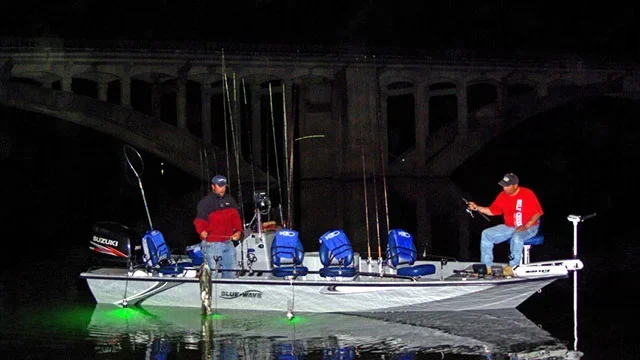
So, is it better to fish at night or day? The answer depends on your target species, local conditions, and personal comfort. Night fishing offers cooler temperatures, active catfish and bass, and fewer crowds. Daytime fishing gives you better visibility, more species options, and consistent feeding patterns. Both approaches have strong advantages, and the best choice often comes down to what you want to catch and where you fish.
Fishing is one of the most rewarding outdoor activities you can enjoy. But when is the best time to head out? Anglers have debated is it better to fish at night or day for decades. Some swear by the quiet of a moonlit lake. Others love the sunshine and warmth of a bright morning on the water. The truth is, both approaches have real merit. Your choice depends on what species you want to catch, where you are, and what kind of experience you are after.
Night fishing has a certain magic to it. The world slows down. The water cools. And many fish species start to feed aggressively. If you have ever stood on a dock at midnight with a rod in your hands, you know the feeling. Daytime fishing is different but equally rewarding. The sun is up, the birds are singing, and you can see everything happening on the water. Let us break down the real differences and help you decide which approach fits your style.
Key Takeaways
- Night fishing excites catfish and bass: Many species become more active after dark, making it a prime time for certain catches.
- Daytime fishing offers better visibility: You can see your line, lure, and surroundings more clearly, which helps beginners.
- Water temperature matters a lot: Fish behavior changes with temperature, and this shifts between day and night.
- Both times have unique feeding windows: Dawn and dusk are often the most productive periods regardless of your choice.
- Safety and comfort play a role: Night fishing requires extra precautions, while daytime fishing is generally easier for newcomers.
- Season and location change everything: What works in summer may not work in winter, and vice versa.
📑 Table of Contents
Why Fish at Night?
Night fishing attracts a special kind of angler. Maybe it is the peace and quiet. Maybe it is the chance to catch fish that rarely bite during the day. Whatever the reason, there are clear benefits to hitting the water after dark.
Fish Behavior Changes After Dark
Many freshwater species become more active at night. Catfish are the most famous night feeders. They rely on their sensitive barbels and smell to find food in the dark. Bass also tend to feed more aggressively during low-light hours. This is because they feel safer moving into shallow water without the threat of bright sunlight.
If you want to try night fishing for catfish, you will find that the bite often picks up once the sun goes down. The same goes for bass fishing at night. These species use the cover of darkness to hunt without the pressure of daytime heat or boat traffic.
Cooler Temperatures and Comfort
Summer heat can make daytime fishing miserable. The sun beats down, the bugs swarm, and the fish often retreat to deeper, cooler water. Fishing at night solves all of these problems. The air cools down, the water surface temperature drops slightly, and you can fish comfortably for hours without overheating.
This is especially true in southern regions where daytime temperatures regularly exceed 90 degrees Fahrenheit. Many local anglers shift their entire fishing schedule to the nighttime during peak summer months.
Fewer People on the Water
One of the best parts of fishing at night is the lack of crowds. Boat traffic disappears. Shore anglers go home. The water becomes your own private fishing spot. This means less competition for spots and fewer distractions. You can focus entirely on your technique and reading the water.
Many experienced anglers say the best catches happen when nobody else is around. Night fishing gives you that advantage, especially on weekends and holidays when daytime spots get packed.
Why Fish During the Day?
Daytime fishing is the traditional approach, and for good reason. It offers advantages that night fishing simply cannot match. Let us look at why many anglers still prefer to fish in daylight hours.
Better Visibility and Safety
When the sun is out, you can see everything. Your line, your lure, your bobber, and the surrounding structure are all clearly visible. This makes daytime fishing much easier for beginners. You can track your cast, watch how your bait moves through the water, and spot underwater features that might hold fish.
Safety is another major factor. Fishing in daylight means fewer tripping hazards, better navigation, and easier access to help if something goes wrong. For families fishing with children, daytime is almost always the safer choice.
More Species Are Active
While some species prefer the dark, many others feed primarily during the day. Trout, panfish, and many saltwater species are most active in daylight hours. If you want variety in your catch, daytime fishing gives you access to a wider range of species.
Sunlight also drives the food chain. Plankton rises toward the surface, baitfish follow, and predatory fish feed on them. This chain reaction creates consistent feeding opportunities throughout the day, especially in the early morning and late afternoon.
Easier to Use Advanced Techniques
Many fishing techniques rely on sight. Sight fishing for bass in shallow water, targeting bedding beds, or watching for surface strikes all require good light. If you enjoy these methods, daytime is the only real option. Even fly fishing becomes much easier when you can see your fly and the fish you are targeting.
Night vs Day Fishing: Key Differences
Let us put the two approaches side by side. Understanding the differences helps you make a smarter choice for your next trip.
Fish Activity Comparison
Fish feeding patterns shift between day and night. Many species are crepuscular, meaning they feed most actively at dawn and dusk. These twilight hours sit right between day and night fishing, giving you the best of both worlds.
Here is a quick look at how common species behave:
- Catfish: Most active at night, especially after sunset and before sunrise.
- Largemouth Bass: Feed heavily at dawn, dusk, and throughout the night in summer.
- Trout: Prefer early morning and late afternoon daylight hours.
- Bluegill and Panfish: Most active during mid-morning and late afternoon.
- Saltwater Species: Vary widely, but many feed at dawn and dusk.
Weather and Light Conditions
Light levels change everything about how fish behave. During the day, bright sunlight pushes fish into deeper water or under cover. At night, the lack of light draws them into shallower areas. Overcast days create a middle ground where fish feed actively throughout the water column.
If you want to learn more about how weather affects your chances, check out our guide on is it better to fish when cloudy or sunny. Cloud cover can make both day and night fishing more productive.
Equipment and Setup Differences
Night fishing requires some extra gear. You need headlamps, lanterns, and glow-in-the-dark bobbers. Setting up your fishing equipment in the dark takes practice. Daytime fishing is more straightforward, with no need for extra lighting.
However, some anglers prefer simplified night setups. With fewer visual distractions, you can focus on the basics: a strong rod, fresh bait, and a quiet approach. The gear list is shorter, but the skills required are sharper.
Best Species for Night Fishing
Not all fish are equal when it comes to nighttime activity. Some species are true night hunters and will reward you handsomely if you fish after dark.
Catfish: The King of Night Fishing
Channel catfish, blue catfish, and flathead catfish all feed heavily at night. They use their incredible sense of smell to locate food in complete darkness. If you want to target catfish, fishing after sunset is almost always your best bet. Many tournament anglers plan their entire strategy around nighttime catfish bites.
Bass and Walleye
Largemouth and smallmouth bass move into shallow water at night to hunt. They follow baitfish into areas they would avoid during the day. Walleye, with their excellent low-light vision, are built for nighttime feeding. Both species can produce outstanding catches after dark.
Other Night-Active Species
Do not overlook other species that feed at night. Gar, bowfin, and certain saltwater species like redfish and snook are all more active after dark. The specific species available to you depends on your location and the time of year.
For a deeper look at targeting specific species after dark, read our article on is it better to fish for catfish at night. It covers timing, bait selection, and proven techniques.
Tips for Night and Day Fishing Success
Whether you fish at night or during the day, a few proven tips will improve your results. These practical strategies work across species and seasons.
For Night Fishing
- Arrive before dark: Set up your spot while you can still see. This saves you frustration and lets you fish the prime hours right after sunset.
- Use live or fresh bait: Fish rely more on smell and vibration at night. Fresh bait catches more fish than lures in the dark.
- Keep noise to a minimum: Fish in shallow water at night are easily spooked. Move slowly and speak in low voices.
- Bring a headlamp with a red light mode: Red light preserves your night vision and does not spook fish the way bright white light does.
- Fish the edges: Transition zones where deep water meets shallow structure are prime nighttime feeding spots.
For Day Fishing
- Fish early and late: The first two hours after sunrise and the last two hours before sunset are the most productive daylight windows.
- Watch the shadows: Fish hold near shade structures like docks, fallen trees, and rock piles during bright midday hours.
- Match the hatch: Pay attention to what insects and baitfish are active, and choose lures and baits that mimic them.
- Stay hydrated and protected: Sunscreen, hats, and plenty of water make long daytime sessions much more enjoyable.
- Use polarized sunglasses: They cut glare and help you see into the water to spot structure and fish.
Quick Tips for Both
- Check the moon phase before you go. A full moon brightens the water at night and can change feeding behavior.
- Monitor water temperature and oxygen levels. Fish are more active when conditions are comfortable.
- Keep a fishing log to track what works at different times of day and in different conditions.
- Always tell someone where you are going, especially if you fish at night in remote areas.
Which Is Right for You?
The final answer to “is it better to fish at night or day” comes down to your personal situation. Consider these factors before you make your choice.
Your Schedule
Most people work during the day and can only fish at night. That is a perfectly valid reason to embrace nighttime fishing. On the other hand, if you are retired or have a flexible schedule, you can fish whenever conditions are best.
Your Target Species
If you want catfish or night-active bass, go after dark. If you want trout, panfish, or a wider variety of species, daytime is your best bet. Knowing what you want to catch should guide your timing decision.
Your Comfort Level
Night fishing requires confidence and some preparation. If you are a beginner, start with daytime fishing to build your skills. Once you feel comfortable, try a short evening session and work your way into full night trips.
Your Location
Where you fish matters a lot. In heavily pressured waters, night fishing can give you a serious advantage because fewer people are on the water. In remote areas with limited access, daytime may be your only practical option. Local regulations and safety conditions should also factor into your decision.
Some anglers find that the best approach is to fish both. Early morning, late evening, and overnight sessions all offer unique advantages. The more time you spend on the water, the better you understand your local fishery and its patterns.
If you want to explore how time of day affects fishing success more broadly, our article on is fishing better at night or day dives deeper into this comparison. And if you are curious about how weather interacts with your timing, check out is it better to go fishing before or after rain for more context.
Conclusion
So, is it better to fish at night or day? The honest answer is that both have powerful advantages. Night fishing gives you active catfish and bass, cooler conditions, and peaceful solitude. Daytime fishing offers better visibility, more species, and a safer, more comfortable experience. The best choice is the one that fits your lifestyle, your target species, and your comfort level.
The most successful anglers do not limit themselves to just one time of day. They adapt. They learn to read the water, understand fish behavior, and choose their timing based on conditions. Start with what feels right for you, keep learning, and most importantly, enjoy every moment on the water. The fish will come if you put in the time and do your homework.
Grab your gear, pick your time, and head out. Whether you are on the water under the stars or watching the sunrise over the lake, every fishing trip is a chance to connect with nature and catch something memorable.
Frequently Asked Questions
Is it better to fish at night or day for catfish?
Night fishing is almost always better for catfish. They are nocturnal feeders and become much more active after dark. Use fresh bait and fish near the bottom in deeper holes for the best results.
What is the best time of day to fish?
The early morning and late evening are generally the most productive times. Fish feed aggressively during these low-light windows, making them ideal for both daytime and nighttime anglers.
Can you catch bass at night?
Yes, bass fishing at night can be extremely productive. Largemouth bass move into shallow water after dark to hunt baitfish. Use topwater lures or soft plastics near structure for the best night bass catches.
Is night fishing safe?
Night fishing is safe when you take proper precautions. Bring a headlamp, fish with a buddy, tell someone your plans, and stay aware of your surroundings. Avoid fishing alone in unfamiliar or remote areas after dark.
Do fish bite more at night or during the day?
It depends on the species and conditions. Many predatory fish like catfish and bass feed more actively at night. But species like trout and panfish often bite better during daylight hours, especially in the early morning and late afternoon.
What gear do I need for night fishing?
Essential night fishing gear includes a headlamp with a red light mode, glow-in-the-dark bobbers or lights, fresh bait, and a reliable knife for bait prep. A comfortable folding chair and insect repellent also make a big difference during overnight sessions.
=== SEO TITLE ===
Is It Better to Fish at Night or Day?
=== META TITLE ===
Is It Better to Fish at Night or Day? (Night vs Day)
=== URL SLUG ===
is-it-better-to-fish-at-night-or-day