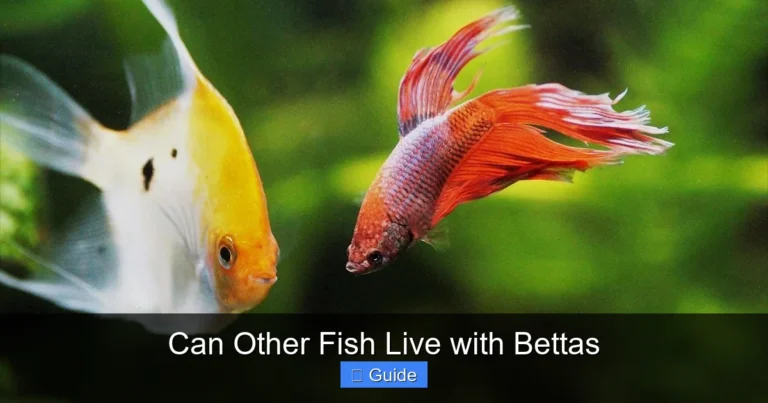
Can a Betta Fish Live in a Fishbowl
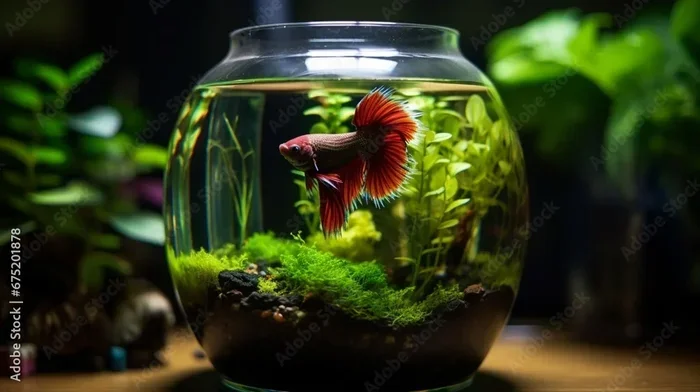
Can a betta fish live in a fishbowl? While bettas are known for surviving in small spaces, a fishbowl is not the ideal habitat for them. Betta fish need proper filtration, warmth, and room to swim. In this guide, we break down the risks and share practical tips if you still want to use a bowl.
Key Takeaways
- Fishbowls are not ideal: A fishbowl lacks filtration, space, and stable temperatures that bettas need to thrive.
- Water quality is a major concern: Without a filter, waste builds up fast and can harm your betta’s health.
- Better alternatives exist: Nano aquariums and small filtered tanks are much safer options for your betta fish.
- Setup matters: If you must use a bowl, frequent water changes and a heater are essential.
- Bettas are resilient but not invincible: While they can survive in poor conditions, they deserve a comfortable home.
- Regular monitoring is key: Whether in a bowl or tank, watch for signs of stress and illness.
📑 Table of Contents
- Can a Betta Fish Live in a Fishbowl? The Honest Answer
- What Makes a Fishbowl Different from a Tank?
- The Risks of Keeping a Betta in a Fishbowl
- How to Set Up a Fishbowl for a Betta (If You Must)
- Better Alternatives to a Fishbowl
- Common Mistakes to Avoid
- Expert Insights
- Final Verdict: Should You Keep a Betta in a Fishbowl?
- Conclusion
Can a Betta Fish Live in a Fishbowl? The Honest Answer
So you are wondering, can a betta fish live in a fishbowl? The short answer is yes, but with a big “but.” Bettas are tough little creatures. They have adapted to survive in some pretty rough conditions in the wild. But surviving and thriving are two very different things.
A fishbowl might look cute and cozy, but it is not a great long-term home for your betta. These little fish need clean water, warm temperatures, and enough space to swim around. A simple bowl often falls short on all three counts.
In this article, we will walk you through everything you need to know. We will cover the risks, the setup, and the better alternatives. By the end, you will know exactly what is best for your betta fish.
What Makes a Fishbowl Different from a Tank?
Before we dive into the details, let us understand why a fishbowl and a tank are not the same. The differences go beyond just size.
Size Limitations
Most fishbowls hold between 1 and 5 gallons of water. Some are even smaller. A betta fish needs at least 2.5 gallons to live comfortably, according to most experts. Betta tank size matters a lot for their health and happiness.
In a small bowl, your betta has limited room to swim. This can lead to boredom and stress. Bettas are active fish. They like to explore and patrol their territory. A cramped bowl restricts all of that.
Water Quality Challenges
One of the biggest problems with a fishbowl is water quality. Most bowls do not have space for a filter. Without a filter, harmful toxins like ammonia and nitrite build up quickly. These substances are toxic to bettas, even in small amounts.
You might think, “I can just change the water often.” And you would be right. But frequent full water changes can stress your fish too. It is a balancing act that is hard to get right.
If you are curious about how bettas manage in other small setups, check out our guide on can betta fish live in a nano aquarium. It covers similar challenges and solutions.
The Risks of Keeping a Betta in a Fishbowl
Let us be real. Keeping a betta in a fishbowl comes with some serious risks. Here is what you need to watch out for.
Poor Water Quality
This is the number one issue. In a bowl without a filter, waste from your betta breaks down into ammonia. Ammonia is poisonous to fish. Even a small spike can cause betta fish health problems like fin rot, lethargy, and loss of appetite.
You will need to test the water regularly and perform partial water changes at least twice a week. That is a lot of work for a small container.
Limited Swimming Space
Bettas may have short fins, but they are still active swimmers. In a fishbowl, they often bump into the walls. Over time, this can damage their fins. Betta fish lifespan can also be shortened due to stress and poor living conditions.
Here is a quick comparison to show the difference:
- Fishbowl: Limited movement, constant close contact with glass walls, no enrichment.
- Small tank: Room to swim, space for plants and decorations, better environmental quality.
Temperature Fluctuations
Bettas are tropical fish. They need warm water between 76°F and 82°F. A fishbowl does not hold heat well. Room temperature changes can cause rapid swings in water temperature. Cold water weakens their immune system and makes them sluggish.
Adding a small heater helps, but it is tricky in a tiny bowl. Heaters designed for larger tanks may overheat a small volume of water.
Low Oxygen Levels
Oxygen exchange happens at the water’s surface. A bowl has a small surface area compared to its volume. This means oxygen levels can drop quickly. Your betta may gasp at the surface, which is a clear sign of trouble.
Live plants can help by producing oxygen, but they are hard to maintain in a bowl without proper lighting and nutrients.
How to Set Up a Fishbowl for a Betta (If You Must)
If you still want to keep your betta in a fishbowl, there are steps you can take to make it safer. Here is how to do it right.
Essential Equipment
You will need a few key items to keep your betta healthy in a bowl:
- Small heater: A mini aquarium heater with a thermostat works best. This keeps the water temperature stable.
- Air pump: A tiny air pump helps with oxygen exchange and water movement.
- Water test kit: You need to monitor ammonia, nitrite, and nitrate levels regularly.
- Small net: For water changes and rescuing your fish if needed.
You might also want to look into whether a simple filter setup could work. Our article on can betta fish live in a tank without a filter gives helpful insight into filtration alternatives.
Step-by-Step Setup
Follow these steps for a safe bowl setup:
- Choose a round bowl that holds at least 2.5 gallons. Avoid tiny decorative bowls.
- Install the mini heater and set it to 78°F.
- Add a small air pump for surface agitation.
- Place a few live plants inside. Silk plants are safer than plastic, which can tear fins.
- Fill the bowl with treated tap water or purified water that is safe for fish.
- Let the water cycle for 24 hours before adding your betta.
- Acclimate your betta slowly by floating the bag in the bowl for 15 minutes.
Quick Tips
- Change 25-30% of the water every 3 days.
- Never use soap or chemicals to clean the bowl.
- Keep the bowl away from direct sunlight to prevent algae growth.
- Feed small amounts once or twice a day. Overfeeding pollutes the water fast.
Better Alternatives to a Fishbowl
Honestly, the best thing you can do for your betta is skip the fishbowl altogether. There are much better options that are affordable and easy to manage.
Nano Aquariums
A nano aquarium is a fantastic alternative. These small tanks usually hold 2.5 to 5 gallons. They are affordable, come with filters, and fit on a desk or shelf. Your betta will have plenty of room to swim and explore.
Nano tanks are easier to maintain than you think. Many come with built-in filters and LED lights. They also hold heat better than a bowl. If you want a dedicated betta setup, a nano tank is the way to go.
For more details, see our full guide on can betta fish live in a nano aquarium.
Small Tanks Without Filters
If you want something simple, a small filtered tank or even a well-maintained bowl with a filter is better than a plain bowl. Some bettas can live comfortably in a 1-gallon tank with regular water changes. Learn more in our article about can a betta fish live in a one gallon tank.
You can also check out our guide on can a betta fish live in a tank for a complete overview of tank options.
Comparison Table: Fishbowl vs. Nano Tank vs. Small Tank
| Feature | Fishbowl | Nano Tank | Small Tank (2.5+ gal) |
|---|---|---|---|
| Size | 1-3 gallons | 2.5-5 gallons | 2.5-10 gallons |
| Filtration | None | Built-in | Easy to add |
| Heating | Difficult | Simple | Simple |
| Swimming Space | Very limited | Moderate | Good |
| Maintenance | High | Low | Low |
| Betta Health | Poor long-term | Good | Excellent |
Common Mistakes to Avoid
Even experienced fish keepers can make mistakes when it comes to betta care. Here are some common pitfalls to avoid:
- Using a tiny decorative bowl: These are often under 1 gallon and lack any proper setup. They are more like showpieces than habitats.
- Skipping water changes: Even with a filter, you must clean the water regularly. Neglect leads to illness.
- Overcrowding: A fishbowl cannot support any tank mates. Betta fish live together only in very specific conditions, and a bowl is never one of them.
- Ignoring temperature: Room temperature is not enough. You need a heater to keep things stable.
- Using gravel from pet stores: Large gravel can trap waste. Fine sand or no substrate is better for a bowl setup.
Expert Insights
Professional aquarists generally advise against keeping bettas in fishbowls. Dr. Linda Cole, a well-known aquatic veterinarian, has stated that “bettas deserve environments that mimic their natural habitats. A fishbowl simply cannot provide that.”
The betta fish species originates from warm, slow-moving waters in Southeast Asia. In the wild, they live in rice paddies, streams, and ponds. These environments are far larger and more complex than any bowl can replicate.
That said, experts also acknowledge that bettas are incredibly hardy. They can tolerate poor conditions better than most fish. But tolerance is not the same as comfort. Your betta deserves better than just surviving.
Final Verdict: Should You Keep a Betta in a Fishbowl?
Let us sum it up. Can a betta fish live in a fishbowl? Technically, yes. But should they? Not really.
A fishbowl creates too many challenges. Water quality is hard to manage, temperatures swing wildly, and your betta has barely any room to move. With a little effort and a small budget, you can give your betta a much better life.
A nano aquarium or a small filtered tank costs about the same as a fancy fishbowl. The difference is your betta will actually thrive, not just survive. You will also spend less time on stressful water changes and worry less about your fish getting sick.
If you are set on a bowl, follow the setup tips we shared. Add a heater, an air pump, and commit to frequent water changes. But honestly, your betta will thank you for upgrading to a proper tank.
Conclusion
So, can a betta fish live in a fishbowl? The answer is nuanced. Bettas can survive in bowls, but they cannot truly thrive. The risks of poor water quality, low oxygen, and temperature swings are real. These problems can shorten your betta’s life and reduce its quality of life.
The good news is that better options are easy to find. A nano aquarium or a small tank gives your betta the space, warmth, and clean water it needs. These setups are affordable and surprisingly easy to maintain.
Your betta fish is a living creature that deserves a comfortable home. Make the switch, and you will see the difference. A happy betta is a colorful, active, and healthy betta. And that is what every fish lover wants.
Frequently Asked Questions
Can a betta fish survive in a fishbowl without a filter?
Yes, a betta can survive short-term without a filter, but it is not recommended long-term. You will need to change the water very frequently to keep ammonia levels safe. Without a filter, waste builds up fast and can make your betta very sick.
What size fishbowl is okay for a betta fish?
If you must use a bowl, choose one that holds at least 2.5 gallons. Anything smaller is too cramped and unhealthy. A larger bowl gives your betta more room to swim and makes water quality easier to manage.
How often should I change the water in a betta fishbowl?
You should change about 25-30% of the water every 3 days. Full water changes should be done weekly. Always use water that has been treated to remove chlorine and is close to the same temperature as the bowl water.
Can a betta fish live in a fishbowl with plants?
Yes, adding live plants can help. Plants produce oxygen and absorb some waste. However, plants alone cannot replace a proper filter or heater. The bowl still needs regular maintenance to keep your betta healthy.
Is a fishbowl cheaper than a small tank for a betta?
A basic fishbowl may cost less upfront, but a small tank is a better investment. Nano tanks and small filtered setups are affordable and reduce long-term maintenance costs. Your betta will also be healthier, saving you money on vet visits.
What temperature should the water be in a betta fishbowl?
Keep the water between 76°F and 82°F. Bettas are tropical fish and need warm, stable temperatures. Use a small heater with a thermostat to prevent dangerous temperature swings that can harm your fish.