Can Betta Fish Eat Frozen Food
Betta fish can enjoy frozen foods such as bloodworms, daphnia, and brine shrimp when offered correctly. Frozen foods provide high protein, essential nutrients, and variety, but they must be thawed, rinsed, and fed in proper portions to avoid water contamination and digestive issues.
Key Takeaways
- Safe options: Bloodworms, daphnia, brine shrimp, and mosquito larvae are the most betta‑friendly frozen foods.
- Preparation matters: Always thaw, rinse, and remove excess water before feeding.
- Portion control: A betta needs only 2–3 small pieces per feeding; overfeeding can cloud the tank.
- Supplement, not replace: Frozen foods should complement a high‑quality pellet or gel diet.
- Watch for signs: Look for bloating, constipation, or loss of appetite as red flags.
- Storage tips: Keep frozen food in airtight bags at –18 °C (0 °F) and use a freezer thermometer.
- Gradual introduction: Start with tiny amounts to let your betta adjust to new textures.
Quick Answers to Common Questions
Can I feed my betta frozen bloodworms every day?
It’s best to limit frozen bloodworms to 2–3 times a week. Daily feeding can cause nutrient imbalances and water quality problems.
Do frozen foods need to be cooked before feeding?
No. Frozen foods are pre‑cooked or flash‑frozen at low temperatures, preserving nutrients. Just thaw, rinse, and serve.
How long can I store thawed frozen food?
Once thawed, use the food within 30 minutes to an hour. If you need to keep it longer, store it in the refrigerator and discard after 24 hours.
My betta refuses frozen food. What should I do?
Try offering a tiny piece at the surface where the betta can see it. You can also gently move the food with a pair of tweezers to simulate movement.
Will frozen food affect my betta’s fin health?
High‑quality frozen foods are rich in essential fatty acids that support fin growth and repair, provided you feed them in moderation.
📑 Table of Contents
- Introduction: Why Frozen Food Gets a Spot on the Betta Menu
- 1. The Science Behind a Betta’s Diet
- 2. Which Frozen Foods Are Safe for Bettas?
- 3. How to Prepare Frozen Food Properly
- 4. How Much and How Often?
- 5. Benefits of Adding Frozen Food
- 6. Potential Risks and How to Mitigate Them
- 7. Practical Tips for Busy Betta Owners
- Conclusion: A Balanced Approach Works Best
- Related Reading
Introduction: Why Frozen Food Gets a Spot on the Betta Menu
When you first bring home a betta, you probably reach for the colorful pellet or gel that promises “complete nutrition.” Those products are great, but many betta owners soon discover that their fish craves variety. In the wild, bettas hunt tiny insects, larvae, and crustaceans that burst with protein and live movement. Frozen foods mimic this natural diet while offering the convenience of a store‑bought product.
In this guide we’ll answer the burning question—can betta fish eat frozen food?—and walk you through the best choices, how to prepare them, and what to watch out for. By the end, you’ll feel confident adding frozen treats to your betta’s routine without risking water quality or health.
1. The Science Behind a Betta’s Diet
1.1 Natural feeding habits
Bettas are native to the shallow, slow‑moving waters of Southeast Asia. Their mouths are built for short, quick strikes at small, soft‑bodied prey. In the wild they eat zooplankton, mosquito larvae, tiny crustaceans, and the occasional worm. This high‑protein diet fuels their brilliant colors and aggressive courtship displays.

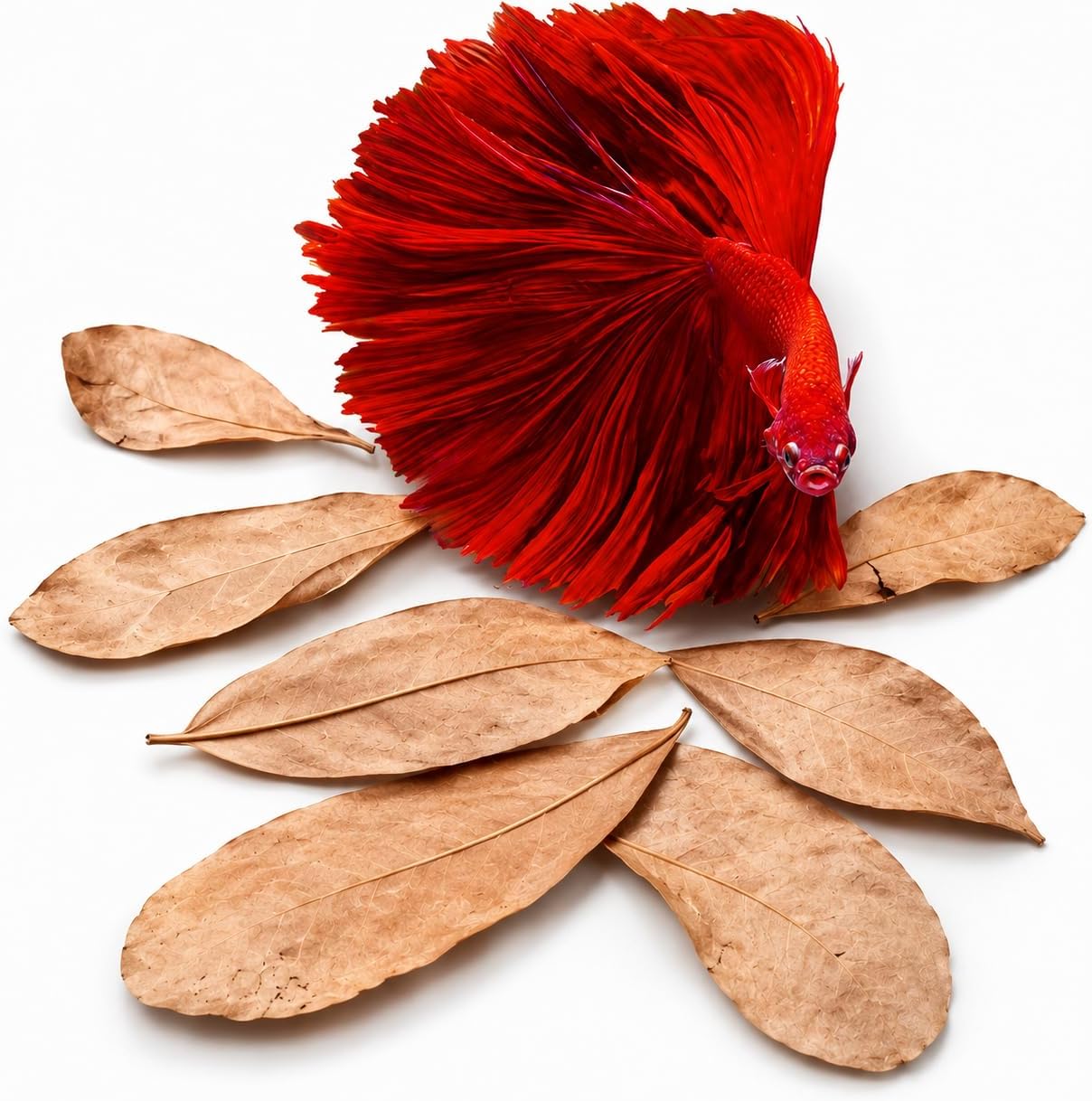
Visual guide about Can Betta Fish Eat Frozen Food
Image source: i.pinimg.com
1.2 What a commercial diet provides
Most betta pellets contain a blend of fish meal, shrimp meal, and plant proteins, plus vitamins and binders. While nutritionally adequate, they lack the texture and movement that trigger a betta’s hunting instinct. Adding frozen foods re‑creates that “live” experience and supplies nutrients that can be lost during pellet processing.
2. Which Frozen Foods Are Safe for Bettas?
2.1 Bloodworms (Tubifex larvae)
Bloodworms are a classic favorite. They’re rich in protein, iron, and omega‑3 fatty acids. When frozen, they retain their natural flavor and are easy to portion.
2.2 Daphnia (water fleas)
Daphnia are tiny, soft‑bodied crustaceans that add gentle movement to the tank. They’re also a natural source of fiber, helping prevent constipation—a common issue for bettas on a dry diet.
2.3 Brine shrimp (Artemia)
Brine shrimp are slightly larger than daphnia and provide a crunchy texture. They’re high in protein and contain essential carotenoids that enhance red and orange coloration.
2.4 Mosquito larvae
These are the exact insects a betta would hunt in the wild. If you can source them from a reputable supplier, they make an excellent occasional treat.
2.5 What to avoid
Never feed frozen foods that contain added salt, seasonings, or preservatives. Also steer clear of large shrimp or fish pieces that could choke a betta.
3. How to Prepare Frozen Food Properly
3.1 Thawing techniques
Place the required amount of frozen food in a small cup of tank water for 1–2 minutes. This quick‑thaw method prevents the food from absorbing too much water, which could dilute nutrients.
3.2 Rinsing
After thawing, gently swirl the food in the cup and pour out the water. This removes any freezer crystals or debris that might cloud the aquarium.
3.3 Drying (optional)
If you’re worried about excess moisture, lay the thawed pieces on a paper towel for a few seconds. Too much water can raise ammonia levels, especially in small betta tanks.
3.4 Feeding method
Use a pair of tweezers or a small spoon to drop the food right in front of the betta’s mouth. This encourages the natural “strike” behavior and reduces waste.
4. How Much and How Often?
4.1 Portion size
A single betta needs only 2–3 small frozen pieces per feeding. Think of it as a “snack” rather than a full meal. Overfeeding can lead to bloating, constipation, and cloudy water.
4.2 Feeding schedule
Offer frozen treats 2–3 times a week. On other days, stick to high‑quality pellets or gel foods. This balance keeps the diet varied without overwhelming the fish’s digestive system.
4.3 Adjusting for age and activity
Younger or more active bettas may need a slightly larger portion, while older, less active fish require less. Observe your betta’s body shape; a healthy betta should have a slight waist and a visible, but not protruding, belly.
5. Benefits of Adding Frozen Food
5.1 Enhanced coloration
Carotenoids in brine shrimp and bloodworms intensify reds and oranges, giving your betta a showroom shine.
5.2 Improved digestion
The soft bodies of daphnia act like natural fiber, helping move waste through the gut and preventing constipation.
5.3 Mental stimulation
Chasing moving frozen prey mimics hunting, reducing boredom and aggression toward tank mates.
5.4 Nutrient boost
Frozen foods contain live‑stage proteins and essential fatty acids that can be partially lost in processed pellets.
6. Potential Risks and How to Mitigate Them
6.1 Water quality issues
Uneaten frozen food decomposes quickly, raising ammonia and nitrite levels. Feed only what your betta can eat in 2–3 minutes and remove leftovers promptly.
6.2 Digestive upset
Sudden diet changes can cause bloating. Introduce frozen foods gradually—start with one tiny piece per feeding and watch for any signs of discomfort.
6.3 Parasites and pathogens
Buy frozen foods from reputable aquarium suppliers who freeze at –18 °C (0 °F) or lower. This temperature kills most parasites and bacteria.
6.4 Overreliance on frozen foods
While nutritious, frozen foods lack the balanced vitamins and minerals found in formulated pellets. Use them as supplements, not the sole diet.
7. Practical Tips for Busy Betta Owners
- Batch prep: Thaw a small batch of frozen food at the start of the week, store the liquid in a sealed container in the fridge, and use as needed.
- Label your freezer: Write the type and date on each bag to avoid feeding expired products.
- Use a feeding cup: A tiny cup or shallow dish keeps the food contained, making cleanup easier.
- Combine with live foods: If you can source live daphnia or mosquito larvae, alternate them with frozen options for maximum variety.
Conclusion: A Balanced Approach Works Best
Yes—betta fish can eat frozen food, and doing so can boost health, color, and happiness when you follow proper preparation and feeding guidelines. Think of frozen treats as a gourmet supplement to a solid pellet base. By monitoring portions, keeping the tank clean, and choosing reputable products, you’ll give your betta a diet that mirrors its wild heritage while staying convenient for modern aquarium life.
Ready to try? Start with a single frozen bloodworm this week, watch your betta’s reaction, and build from there. Your finned friend will thank you with brighter colors and enthusiastic strikes.
Related Reading
For more ideas on diversifying your betta’s diet, see What Can Betta Fish Eat. If you’re curious about feeding live options, check out Can You Feed Betta Fish Live Food. And for tips on keeping water clean after feeding, read Can Betta Fish Go A Day Without Food.
Frequently Asked Questions
Is frozen food safer than live food for bettas?
Yes. Frozen foods are usually pathogen‑free because they’re flash‑frozen at low temperatures, while live foods can carry parasites.
Can I feed my betta frozen brine shrimp as a sole diet?
No. Brine shrimp lack the complete vitamin and mineral profile of formulated pellets, so they should only supplement a balanced diet.
How do I know if my betta is overfed?
Look for a rounded belly, sluggish swimming, or cloudy water. Reduce portions and increase water changes if you see these signs.
Do frozen foods need a water conditioner?
Since you’re rinsing the food before feeding, a conditioner isn’t necessary for the food itself, but keep your tank water conditioned as usual.
Can I mix frozen food with my betta’s regular pellets?
Yes. Offer a pellet or two first, then add a small piece of frozen food to encourage natural hunting behavior.
What temperature should my freezer be for storing betta frozen foods?
Keep the freezer at –18 °C (0 °F) or lower. This temperature ensures the food stays safe and nutrient‑rich.