Can a Betta Fish Survive Out of Water
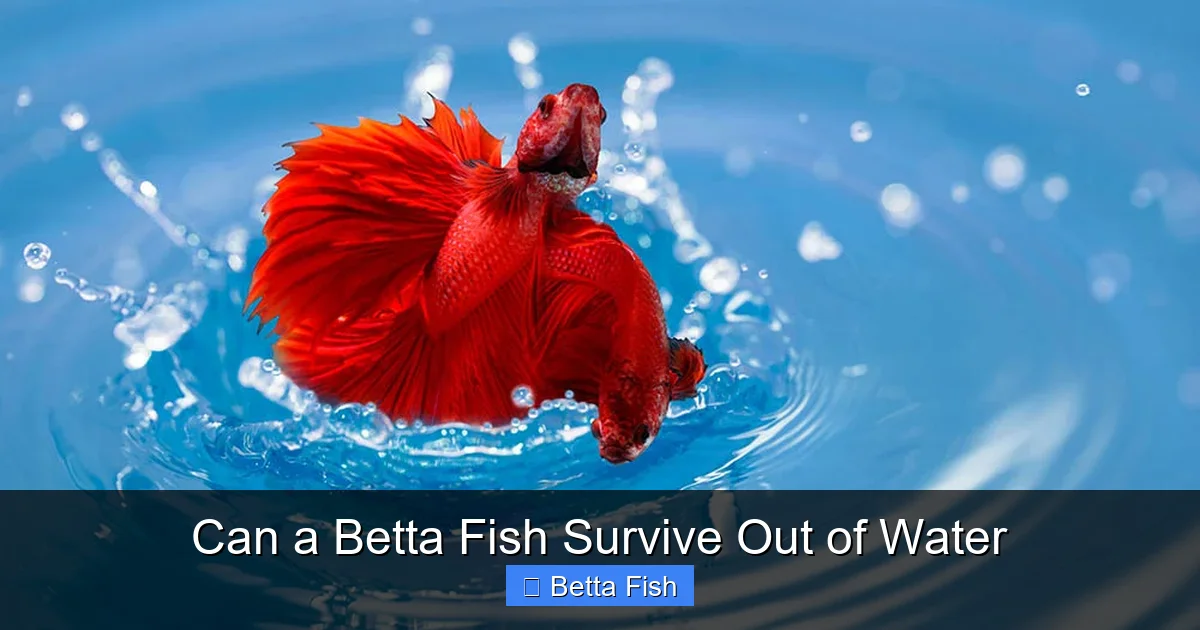
Betta fish can only survive a few minutes out of water before oxygen deprivation sets in. Understanding their biology, the signs of distress, and quick rescue steps can mean the difference between a short scare and a permanent loss.
Key Takeaways
- Brief exposure only: Most bettas can tolerate 30‑60 seconds out of water before serious harm occurs.
- Gill function changes: Out of water, gills collapse, making oxygen absorption impossible.
- Temperature matters: Warm, humid air prolongs survival slightly, but cold air speeds death.
- Rescue is simple: Gently return the fish to clean, temperature‑matched water and monitor for stress.
- Prevention beats cure: Secure lids, proper tank covers, and careful handling reduce accidents.
- Water quality still counts: Even brief exposure can stress a fish already suffering from poor water parameters.
- Know the limits: If a betta is out of water for more than a minute, seek expert advice immediately.
📑 Table of Contents
Introduction: Why the Question Keeps Coming Up
Anyone who has ever owned a betta fish knows how curious and active these little champions can be. Their bright fins ripple like silk, and they love to explore the surface of their tank. That natural curiosity sometimes leads to a scary moment—watching a betta hop out of the water or being accidentally lifted out during cleaning. The immediate thought? “Can a betta fish survive out of water?”
In this article we’ll break down the biology of betta gills, the exact time limits for survival, what to do if the worst happens, and how to prevent future mishaps. Think of it as a friendly chat over a cup of tea, but packed with the facts you need to keep your finned friend safe.
1. The Science Behind a Betta’s Breath
How Gills Work
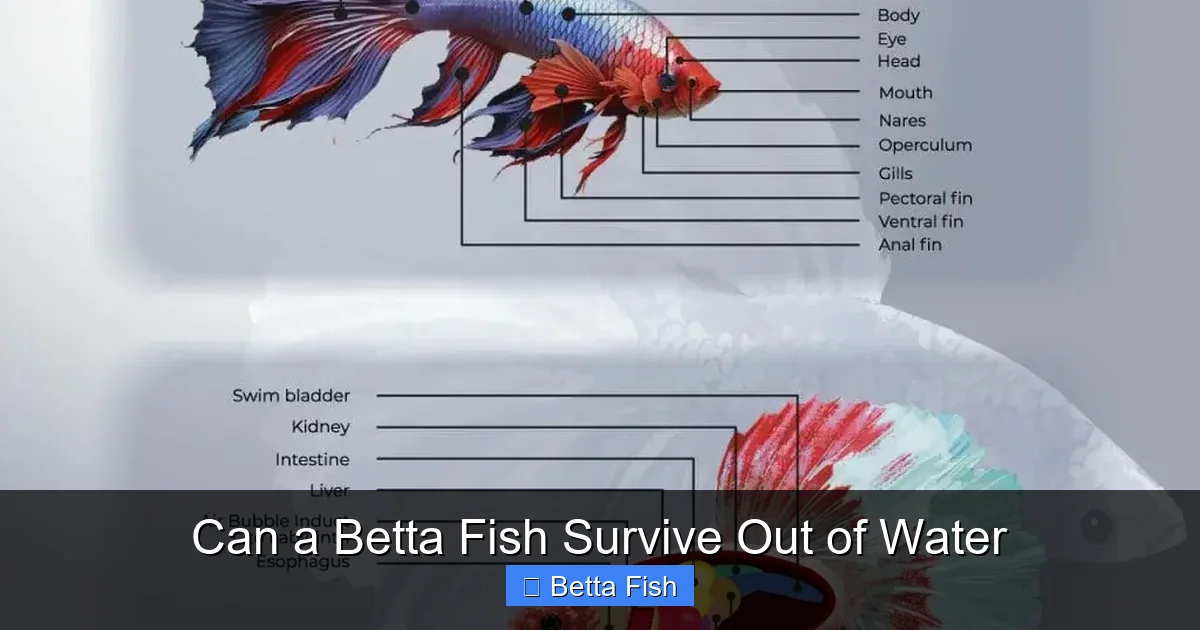
Betta fish, like all fish, rely on gills to extract dissolved oxygen from water. Tiny filaments called lamellae create a massive surface area, allowing oxygen to diffuse into the blood while carbon dioxide exits. When a betta is removed from water, those delicate lamellae collapse, and the fish can no longer get the oxygen it needs.
Visual guide about Can a Betta Fish Survive Out of Water
Image source: hepper.com
Air Breathing Myths
Some owners think bettas can “breathe air” because they have a labyrinth organ—a special structure that lets them gulp air from the surface. The organ helps them survive in low‑oxygen water, but it does not replace the need for water‑based gill respiration. In fact, the labyrinth organ can only supply a fraction of the oxygen a betta needs for long‑term survival.
Temperature & Humidity Effects
Warm, humid air can keep a betta’s skin from drying out too quickly, buying a few extra seconds. Cold, dry air accelerates dehydration and shock. That’s why you’ll often see a betta survive a bit longer in a steamy bathroom than on a chilly countertop.
2. How Long Can a Betta Actually Survive?
Typical Time Frame
Most healthy adult bettas can tolerate **30‑60 seconds** out of water before severe hypoxia sets in. Younger fry are even more vulnerable and may only last 10‑20 seconds.
Visual guide about Can a Betta Fish Survive Out of Water
Image source: infishtank.com
Factors That Shorten Survival
- Stress level: A stressed fish has a faster heart rate, using up oxygen quicker.
- Water temperature: Hot water (above 30°C/86°F) speeds metabolism, increasing oxygen demand.
- Health status: Fish already fighting disease or poor water quality have less reserve capacity.
When “Out of Water” Becomes “Dead”
If a betta shows no movement, its gills appear white and flaccid, and it does not respond to gentle prodding after 1‑2 minutes, it is likely beyond rescue. Prompt action during the first minute is crucial.
3. Immediate Rescue Steps
Stay Calm and Act Fast
Panicking only wastes precious seconds. Follow these steps:
Visual guide about Can a Betta Fish Survive Out of Water
Image source: ekk4j69ebaa.exactdn.com
- Gently scoop the fish: Use a soft, wet net or cupped hands to avoid harming the fragile fins.
- Place in pre‑conditioned water: The water should match the tank’s temperature (usually 78‑80°F/25‑27°C) and be free of chlorine.
- Observe breathing: Watch the gill movement. If it’s slow but present, the fish is still alive.
- Let the fish rest: Keep it still for a few minutes; avoid feeding immediately.
- Return to the tank: Slowly lower the fish into its home, allowing it to adjust.
Post‑Rescue Care
After a brief exposure, the betta may be stressed. Lower the lighting for a few hours, keep water parameters stable, and watch for signs of illness such as clamped fins or loss of appetite. If the fish refuses to eat for 24‑48 hours, consider a light treatment of Betta‑Safe medication and check water quality.
4. Preventing Accidental Out‑of‑Water Incidents
Secure Tank Covers
Betta tanks often have open tops. A simple mesh lid or a piece of aquarium glass can stop a curious fish from jumping out. Learn more about why bettas jump in our article Why Betta Fish Jump Out Of Tank.
Safe Handling Practices
- Always wet your hands before touching a betta.
- Use a soft net only when absolutely necessary.
- Never lift the tank to move a fish; instead, transfer water with a cup.
Maintain Proper Water Conditions
Stressed fish are more likely to attempt escape. Keep ammonia below 0.25 ppm, nitrite at 0 ppm, and nitrate under 20 ppm. Regular water changes and a good filter help. For details on ideal water parameters, see What Type Of Water Does A Betta Fish Need.
5. Frequently Asked Questions About Betta Survival
Can a betta survive in a bowl of water temporarily?
Yes, if the bowl contains clean, temperature‑matched water and the fish is placed in it within a minute, it can recover. However, a bowl is not a long‑term solution.
What should I do if my betta jumps out of the tank?
Quickly retrieve the fish with a wet net, place it back in a container of tank water, and monitor its breathing. Reduce stressors and check the tank lid.
Does humidity affect how long a betta can stay out of water?
Higher humidity slows skin drying, giving a few extra seconds, but it does not significantly extend survival beyond the 60‑second mark.
Can I use bottled or distilled water for a rescue?
Only if the water is conditioned to the correct temperature and free of chlorine. Otherwise, use water from the fish’s own tank.
How can I tell if my betta is still alive after a brief exposure?
Look for gill movement, a slight twitch of the tail, or a small rise in the mouth area. If none of these occur after a minute, the fish is likely dead.
Is it safe to feed a betta immediately after rescuing it?
Wait at least an hour before offering food. Feeding too soon can cause regurgitation if the fish is still stunned.
Conclusion: Keep Your Betta Safe and Happy
While the idea of a betta fish out of water can be unsettling, the answer is clear: they can survive only a very short time—usually less than a minute. Knowing the physiology, acting quickly, and preventing accidents are the best ways to protect your finned companion. By keeping the tank covered, maintaining clean water, and handling your betta with care, you’ll enjoy many vibrant, healthy years together.
Remember, a little preparation goes a long way. The next time you hear a splash or see a betta near the surface, you’ll be ready to act—and your betta will thank you with a dazzling display of colors.
Frequently Asked Questions
Can a betta fish survive out of water for more than a minute?
In almost all cases, no. After about 60 seconds the gills collapse and the fish cannot obtain oxygen, leading to rapid death.
What is the best way to rescue a betta that has jumped out?
Gently scoop it with a wet net, place it in a cup of its own tank water at the correct temperature, and let it rest before returning it to the tank.
Do temperature and humidity affect survival time?
Warm, humid conditions can buy a few extra seconds, but they do not dramatically extend survival beyond the typical 30‑60 second window.
Should I use bottled or distilled water for a rescue?
Only if the water is conditioned to match the tank’s temperature and is free of chlorine. Otherwise, use water from the fish’s tank.
How can I tell if my betta is still alive after being out of water?
Look for gill movement, a slight twitch of the tail, or a small rise in the mouth area. If none of these signs appear within a minute, the fish is likely dead.
Can I feed my betta immediately after rescuing it?
Wait at least an hour before offering food to allow the fish to recover from shock and avoid regurgitation.