
Can Baby Betta Fish Jump
Baby betta fish can jump, especially when startled or housed in a tank without a secure lid. Understanding their natural instincts, tank setup, and simple prevention tips will help you protect these delicate fry and enjoy a healthy aquarium.
Key Takeaways
- Jumping is natural: Young bettas may leap to escape perceived threats or explore.
- Secure lids are essential: A tight‑fitting cover stops accidental escapes.
- Water depth matters: Shallow water encourages jumping; keep fry in at least 2‑inch depth.
- Stress triggers jumps: Sudden lights, loud noises, or aggressive tank mates can startle fry.
- Simple fixes: Use a mesh lid, add plants, and maintain stable water parameters.
- Monitor growth: As bettas mature, jumping frequency usually drops.
- Quick response saves fish: If a fry lands on the tank rim, gently guide it back with a soft net.
📑 Table of Contents
Introduction: Why the Question Matters
Anyone who has ever raised a baby betta fish—those tiny, shimmering fry that dart about like living confetti—quickly learns that these little swimmers are full of surprises. One of the most common worries for new betta keepers is whether their tiny pets might jump out of the tank. The answer is a clear yes, but it’s also a question you can control with a few easy steps.
In this article we’ll explore the reasons juvenile bettas may try to leap, the science behind their behavior, and practical, budget‑friendly ways to keep them safe. By the end you’ll feel confident that your baby betta can explore its new home without the risk of a splash‑down disaster.
1. The Natural Instinct to Jump
Why do fish jump?
Jumping isn’t a random act; it’s an evolved survival skill. Wild bettas (native to the shallow rice paddies of Southeast Asia) often jumped to escape predators, move between water patches, or find better oxygen levels. Even in a home aquarium, that instinct can surface.

Visual guide about Can Baby Betta Fish Jump
Image source: i.ytimg.com
What triggers a baby betta to jump?
- Sudden disturbances: A loud tap on the glass, a sudden change in lighting, or a fast‑moving hand can startle a fry.
- Inadequate water depth: When the water is too shallow, the fry may try to reach deeper water by leaping.
- Overcrowding or aggression: If other fish or even older bettas are harassing the fry, they may jump to escape.
How often does it happen?
Most owners report a few jumps during the first two weeks of life, especially if the tank lacks a secure cover. After the fry grow to about 1‑inch length, the frequency drops dramatically.
2. Setting Up a Jump‑Proof Tank
Choosing the right container
While many beginners start with a simple bowl, a proper aquarium with a tight‑fitting lid is the safest choice. A 5‑gallon tank gives enough space for plants, hiding spots, and stable water parameters.

Visual guide about Can Baby Betta Fish Jump
Image source: unitedbettaworld.com
Secure lids and covers
Invest in a lid that snaps into place or a fine mesh screen that can’t be pushed aside by a tiny betta. A common mistake is using a loose plastic wrap; it can be torn away by a determined jumper.
Water depth and substrate
Maintain a minimum depth of 2‑3 inches for fry. Adding a soft substrate like fine sand or a layer of live plants not only mimics their natural habitat but also reduces the urge to leap.
3. Managing Stress to Reduce Jumping
Lighting and temperature
Betta fry prefer a gentle, consistent light cycle—about 10‑12 hours of low‑intensity light daily. Sudden bright flashes mimic predator shadows and can trigger jumps. Keep the water temperature stable between 78‑80°F (25‑27°C) using a reliable heater.
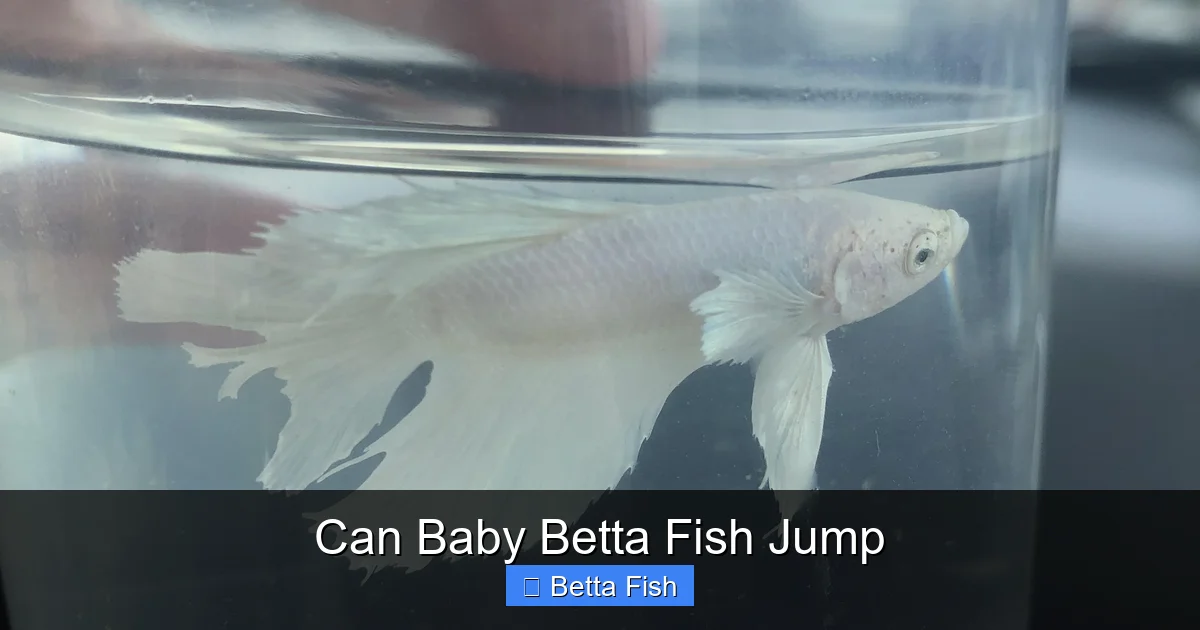
Visual guide about Can Baby Betta Fish Jump
Image source: i.redd.it
Tank mates and aggression
Even though baby bettas are tiny, they can sense the presence of larger, aggressive fish. If you plan to keep a community tank, choose peaceful species and provide plenty of plants for cover. For example, read our guide on What Other Fish Can Live With Betta Fish for safe companion ideas.
Noise and vibrations
Place the aquarium on a stable surface away from speakers or heavy foot traffic. A calm environment helps the fry settle and reduces the impulse to jump.
4. Practical Tips to Prevent Escapes
Use a mesh lid with a weighted border
Cut a piece of aquarium‑grade nylon mesh slightly larger than the tank opening, then secure it with silicone or a spring‑loaded clamp. The weight keeps the mesh from being lifted by a curious jumper.
Add floating plants or a hop‑off platform
Floating plants like Salvinia or Lemna give the fry a surface to rest on without needing to jump. A small piece of cork near the water line can also serve as a “rest stop” that satisfies their instinct to explore the surface.
Regular water changes
Changing 25‑30% of the water weekly removes waste that can cause irritation and stress, both of which increase jumping behavior.
5. What to Do If a Fry Does Jump
Stay calm and act quickly
If you see a tiny betta on the tank rim, use a soft, fine‑mesh net to scoop it back into the water. Avoid splashing, which can stress the fish further.
Check for injuries
Inspect the fry for any signs of damage—frayed fins, bruises, or missing scales. If you notice injuries, place the fry in a separate “hospital” tank with clean water and a few drops of a mild antibacterial soak.
Re‑evaluate tank conditions
After a jump, reassess lighting, temperature, and lid security. One slip often points to a hidden weak spot in your setup.
6. Long‑Term Care: From Fry to Adult
Growth milestones
Betta fry grow quickly. By day 7 they’re about 0.2‑inch long, and by week 4 they reach 0.5‑inch. As they develop stronger fins, their ability to jump diminishes.
Transitioning to a permanent home
When the fry are about 1‑inch and show vibrant colors, you can move them to a larger, decorated tank. Continue using a secure lid; adult bettas still love to jump, especially when they’re excited during feeding.
Feeding and nutrition
High‑quality liquid fry food or microworms provide the protein needed for rapid growth. For more on diet, see our article What Can Betta Fish Eat.
Conclusion
Yes, baby betta fish can jump, but the behavior is manageable with a few simple precautions. By understanding why fry leap, securing the tank, reducing stress, and reacting quickly if an escape occurs, you’ll give your tiny betta the best chance to thrive. A safe, stable environment not only prevents jumps but also promotes healthy growth, vibrant colors, and a happy, active fish you’ll love watching every day.
Frequently Asked Questions
Can baby betta fish jump out of a tank?
Yes, juvenile bettas may jump, especially if they feel threatened, the water is too shallow, or the tank lacks a secure lid.
What size tank is best for betta fry?
A 5‑gallon tank with a depth of at least 2‑3 inches provides enough space, stable water parameters, and room for plants that discourage jumping.
Do adult bettas still jump?
Adult bettas can jump, but they do it less often. They may leap during feeding excitement or when startled, so a lid remains important throughout their life.
How can I stop my betta fry from jumping?
Use a tight‑fitting lid or fine mesh cover, maintain consistent lighting and temperature, keep water depth adequate, and provide plenty of hiding places.
What should I do if my fry lands on the tank rim?
Gently scoop the fish with a soft net and return it to the water. Check for injuries and review your tank setup to prevent future jumps.
Are there any tank mates that increase jumping risk?
Fast‑moving or aggressive fish can stress fry and trigger jumps. Choose peaceful companions and provide ample cover, as discussed in What Other Fish Can Live With Betta Fish.