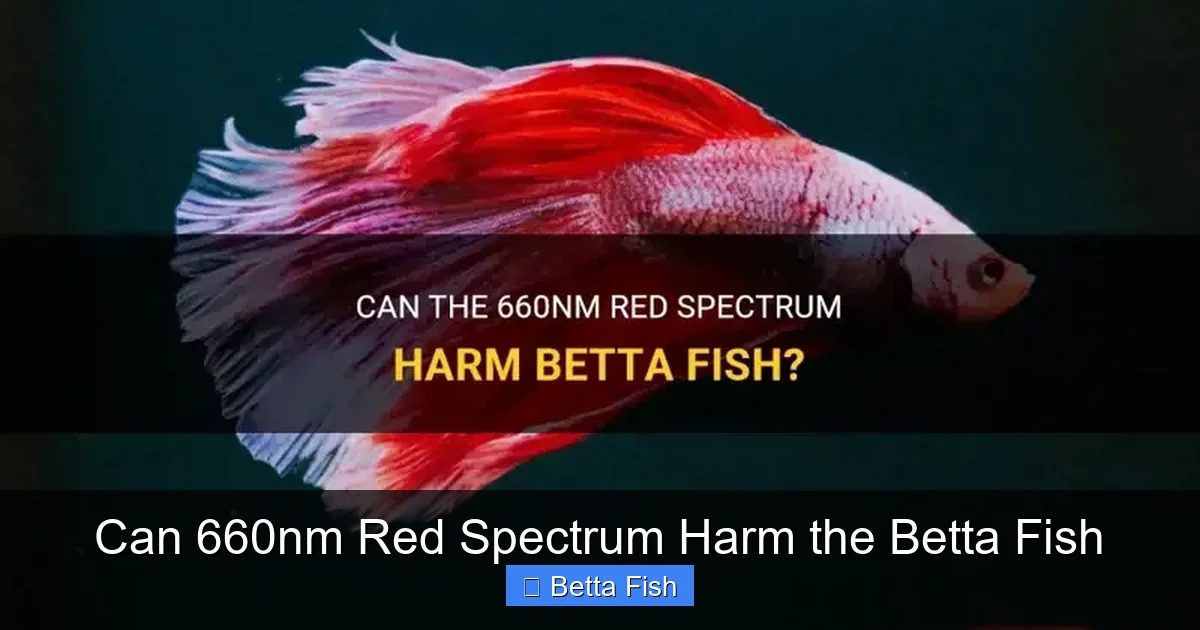
Can 660nm Red Spectrum Harm the Betta Fish
Wondering if 660nm red spectrum light is dangerous for your betta? In short, brief exposure at proper intensity is generally safe, but over‑use can stress the fish and affect its colors. Follow our lighting guidelines to enjoy the benefits without risking your betta’s wellbeing.
Key Takeaways
- Red light isn’t inherently toxic: 660nm wavelengths are low‑energy and usually safe when used correctly.
- Intensity matters more than color: Too bright or prolonged exposure can cause stress, regardless of spectrum.
- Natural day‑night cycles are crucial: Betta fish need darkness to rest; constant red light can disrupt sleep.
- Use red light for specific purposes: Night‑time viewing, plant growth, or highlighting colors can be beneficial.
- Monitor behavior: Signs of stress (flaring, hiding, loss of color) indicate the light may be too strong.
- Combine with proper tank setup: Good filtration, temperature, and diet reduce any potential lighting stress.
- Consult reputable sources: Reliable articles on betta care can help you fine‑tune lighting choices.
📑 Table of Contents
- Introduction: Why Light Matters for Betta Fish
- What Is 660nm Red Spectrum Light?
- How Betta Fish See Light
- Potential Risks of 660nm Red Light
- When Red Light Is Beneficial
- Best Practices for Using 660nm Red Light Safely
- Common Questions About Red Light and Betta Health
- Putting It All Together: A Sample Lighting Schedule
- Conclusion: Enjoy the Glow, Keep Your Betta Safe
Introduction: Why Light Matters for Betta Fish
When you set up a betta tank, the first thing you probably think about is the water, the heater, and the food. Light often gets less attention, yet it plays a massive role in your fish’s health and happiness. Light tells a betta when it’s time to eat, when to explore, and when to rest. It also brings out the dazzling colors that make bettas famous on social media.
One specific question keeps popping up in forums and comment sections: can 660nm red spectrum harm the betta fish? The answer isn’t a simple “yes” or “no.” It depends on how you use the red light, how long you leave it on, and the overall conditions in the tank. In this article we’ll break down the science, share practical tips, and give you a clear plan so you can enjoy the glow of red light without putting your betta at risk.
What Is 660nm Red Spectrum Light?
Understanding wavelength basics
Visible light is measured in nanometers (nm). The human eye sees colors from roughly 380nm (violet) to 750nm (red). A 660nm wavelength sits squarely in the deep‑red part of the spectrum. It’s the same color you’ll find in a sunset or a traffic signal.
Visual guide about Can 660nm Red Spectrum Harm the Betta Fish
Image source: facts.net
Why aquarium hobbyists love red light
Red LEDs are popular because they consume very little power, generate little heat, and can enhance the reds and oranges in a betta’s fins. They’re also used by many aquarists to promote plant growth and to provide a “night‑light” that lets you see the tank without turning on a bright white bulb.
How Betta Fish See Light
Betta vision basics
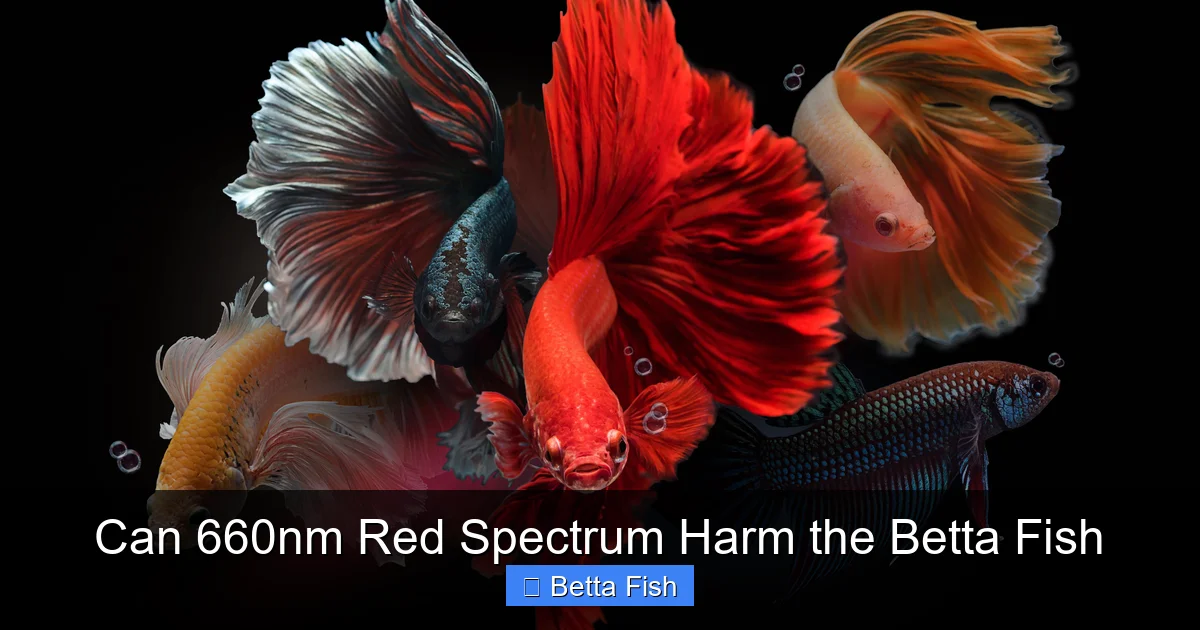
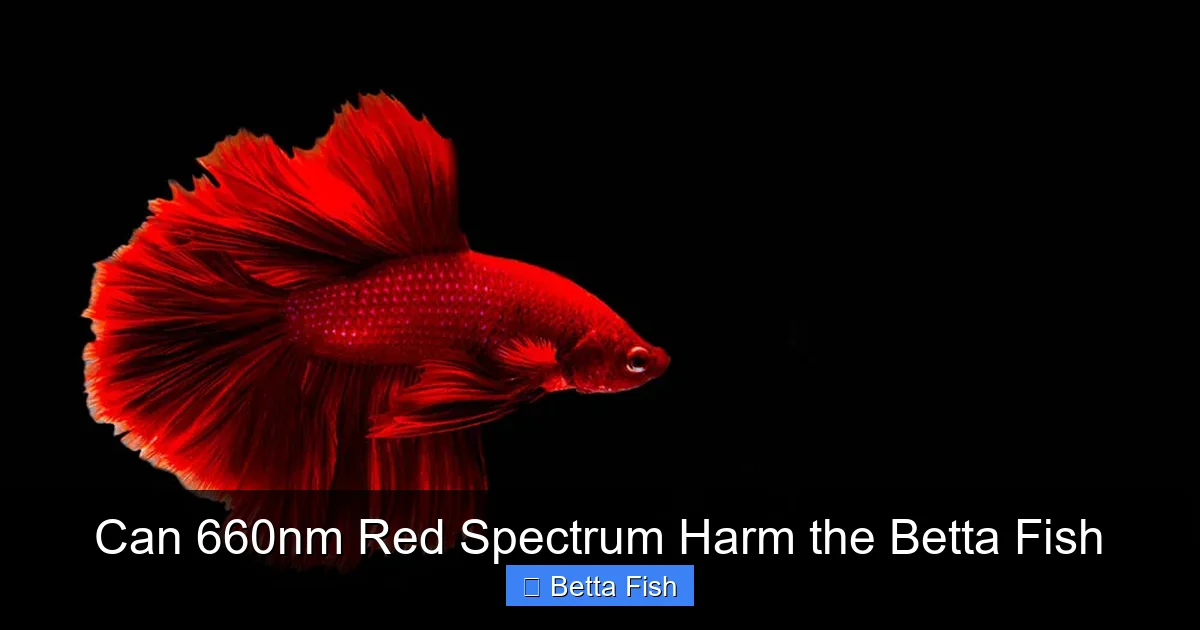
Betta fish have a visual system that’s tuned to the bright, shallow waters of Southeast Asian rice paddies. They can see a range of colors, but they are especially sensitive to red and green wavelengths. This is why a bright red LED can make a betta’s fins look even more vivid.
Visual guide about Can 660nm Red Spectrum Harm the Betta Fish
Image source: hepper.com
Can betta fish see in the dark?
Even though bettas have good color vision, they still need darkness to rest. Like most fish, they rely on a natural day‑night rhythm. Continuous light—red or otherwise—can confuse their internal clock and lead to stress. For more on how darkness affects bettas, read our guide on can betta fish see in the dark.
Potential Risks of 660nm Red Light
Stress from over‑exposure
Stress in fish shows up as rapid breathing, loss of color, or unusual hiding. Red light isn’t poisonous, but if it’s too bright or left on 24/7, the fish can become chronically stressed. Stress weakens the immune system and makes the betta more vulnerable to disease.
Visual guide about Can 660nm Red Spectrum Harm the Betta Fish
Image source: wallpapers.com
Impact on coloration
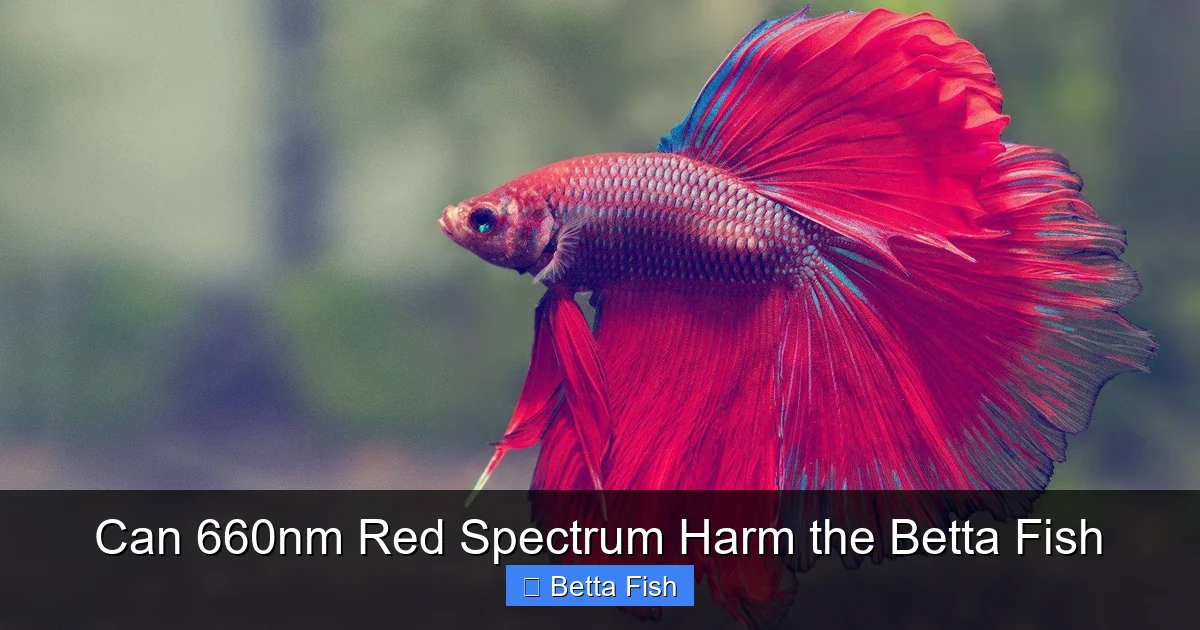
Betta colors are produced by pigment cells (chromatophores) that respond to light. Constant red illumination can cause the fish to “fade” as the cells become overstimulated. A brief, moderate dose of red light actually brings out the colors, but too much can dull them.
Interaction with temperature
LEDs generate very little heat, but if you mount a red light too close to the tank, the water temperature can rise slightly. Betta fish thrive at 76‑82°F (24‑28°C). A few degrees higher for an extended period can stress the fish, especially if the heater is already set at the top of the range.
When Red Light Is Beneficial
Night‑time viewing
Many hobbyists install a low‑intensity red LED as a night‑light. Red light penetrates water well, allowing you to see the fish without waking them up like a bright white bulb would. Keep the intensity low—around 0.1‑0.2 watts per gallon—and limit the duration to a few hours.
Highlighting fin colors
If you want to showcase a betta’s bright reds and oranges for a photo shoot, a short burst of 660nm light can make the fins pop. Turn the light on for 5‑10 minutes, then switch back to normal daylight lighting.
Supporting live plants
Some aquatic plants use red light to boost photosynthesis, especially when paired with blue wavelengths. If you have a planted betta tank, a balanced spectrum that includes a modest amount of 660nm red can help plant growth without harming the fish.
Best Practices for Using 660nm Red Light Safely
Set a proper photoperiod
Aim for 8‑10 hours of bright (white or full‑spectrum) light per day, followed by 2‑4 hours of low‑intensity red light if you want a night‑time glow. Then give the tank at least 8‑10 hours of complete darkness. This mimics the natural sunrise‑sunset cycle.
Control intensity
Use a dimmable LED strip or a fixture with a built‑in timer. Position the light 6‑8 inches above the water surface and avoid shining it directly into the betta’s face. A good rule of thumb is that the light should be bright enough to read a book held near the tank, but not so bright that you can see your own reflection on the water.
Monitor fish behavior
- Flaring or aggression: May indicate the light is too intense.
- Loss of color: Could be a sign of overstimulation.
- Hiding or reduced activity: Suggests the fish is stressed or not getting enough dark time.
If you notice any of these signs, reduce the red light duration or lower its brightness.
Combine with good tank maintenance
Healthy water parameters (pH 6.5‑7.5, ammonia = 0 ppm) and a stable temperature reduce the chance that lighting will cause problems. A well‑filtered tank also removes waste that can cloud the water, ensuring the red light reaches the fish evenly.
Use a timer
Automating the light schedule removes guesswork. Set the main light to turn on at 8 am and off at 6 pm, then have the red night‑light kick in from 6 pm to 10 pm. After 10 pm, turn all lights off for a full dark period.
Common Questions About Red Light and Betta Health
Can red light cause eye damage?
Betta eyes are adapted to bright natural light, and red LEDs are low‑energy. There’s no evidence that short‑term exposure damages their eyes. However, prolonged high‑intensity exposure could cause eye strain, just as it would for humans.
Is red light useful for treating diseases?
Some hobbyists experiment with red light therapy for wound healing, but scientific data is limited. If your betta has a fin rot or ulcer, focus on water quality and medication first. Red light may be a supplementary comfort, not a cure.
Do other fish react the same way?
Many tropical fish tolerate red light well, but aggressive or highly visual species (like neon tetras) may become stressed if the red light is too bright. Always research each species’ lighting needs before mixing tanks.
Putting It All Together: A Sample Lighting Schedule
Morning (8 am – 12 pm)
Full‑spectrum white LED at 0.5 W per gallon. This encourages natural activity and plant photosynthesis.
Afternoon (12 pm – 6 pm)
Maintain the same white light. If the room gets very bright, dim the fixture slightly to avoid glare.
Evening (6 pm – 10 pm)
Switch to a dim 660nm red LED (0.1 W per gallon). This provides a gentle glow for nighttime viewing.
Night (10 pm – 8 am)
All lights off. The betta gets a solid 10‑hour dark period, which is essential for rest and hormone regulation.
Conclusion: Enjoy the Glow, Keep Your Betta Safe
So, can 660nm red spectrum harm the betta fish? The short answer is: only if you misuse it. Properly timed, low‑intensity red light can enhance colors, aid plant growth, and let you admire your fish after dark. Over‑exposure, high intensity, or a lack of darkness can lead to stress and color fading.
By following the guidelines above—setting a balanced photoperiod, dimming the red LED, watching for stress signals, and keeping water conditions pristine—you’ll give your betta the best of both worlds: a vibrant, healthy environment and a stunning visual display. Happy lighting!
Frequently Asked Questions
Can I leave a 660nm red light on all night?
It’s not recommended. Betta fish need a solid period of darkness each day to rest. Use red light for only a few hours before turning all lights off.
Will red light make my betta’s fins grow faster?
No direct link exists between red light and fin growth. Proper nutrition and water quality are the main factors for healthy fins.
Is a red LED safe for a planted betta tank?
Yes, when combined with blue light it can support plant photosynthesis. Keep the red intensity low to avoid stressing the fish.
How can I tell if my betta is stressed by the light?
Watch for rapid gill movement, loss of color, excessive hiding, or frequent flaring. Reduce light intensity or increase dark time if you see these signs.
Do bettas need any special type of aquarium light?
Betas thrive with a simple 8‑10 hour white light cycle. Adding a low‑intensity red light for night viewing is optional but safe when used correctly.
Can I use a regular household red lamp for my betta?
Household lamps are often too bright and emit heat. A dedicated aquarium LED strip designed for low intensity is the safer choice.