How to Tell If Your Betta Fish Is Pooping
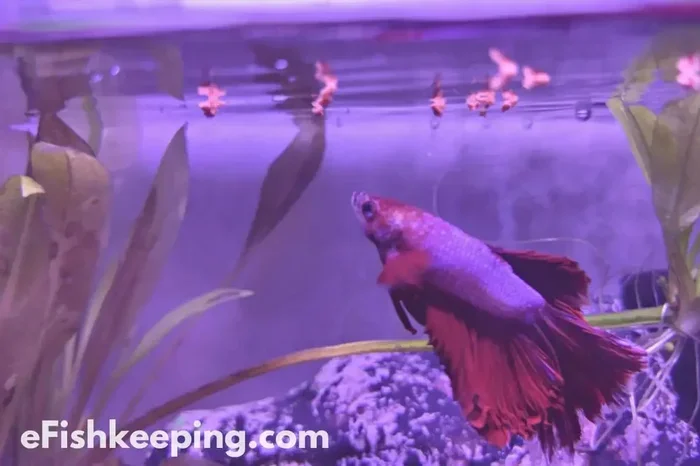
Watching your betta fish poop is one of the easiest ways to monitor their health. Healthy waste should be brown or dark, firm, and sink to the bottom of the tank. Changes in color, texture, or frequency can signal constipation, digestive issues, or illness that needs attention.
Watching your betta fish go about its daily routine can be oddly satisfying. But one behavior that often catches new fish owners off guard is seeing their betta poop. You might wonder if it is normal, what it should look like, or whether changes in waste mean something is wrong.
Understanding your betta fish waste is one of the simplest ways to monitor betta fish health. Poop tells you a lot about digestion, diet, and overall wellness. If you have ever asked yourself how to tell if your betta fish is pooping correctly, you are in the right place.
This guide walks you through everything you need to know. From what healthy stool looks like to warning signs that something is off, we cover it all. By the end, you will feel confident reading your betta’s waste like a pro. Let us dive in.
Key Takeaways
- Healthy betta poop is dark brown, firm, and sinks immediately: this is the baseline for normal waste.
- Betta fish constipation is common and often caused by overfeeding: fasting and fiber-rich foods can help relieve it.
- Abnormal poop colors like white, clear, or black signal potential health problems: these warrant closer observation.
- Diet directly affects betta fish waste: a balanced feeding schedule promotes healthy digestion and regular bowel movements.
- Water quality plays a big role in betta fish digestion: poor tank conditions can disrupt waste production and overall wellness.
- Act quickly if poop changes come with other symptoms: early intervention prevents minor issues from becoming serious.
📑 Table of Contents
How to Tell If Your Betta Fish Is Pooping Normally
Every betta fish owner should pay attention to their pet’s bathroom habits. Poop is one of the most telling signs of betta fish wellness. A healthy betta will produce waste regularly, and the appearance should be consistent day to day.
So how do you know what normal looks like? Let us break it down.
What Normal Betta Fish Poop Looks Like
Healthy betta waste is usually brown or dark brown. It should be firm but not hard. The shape is typically a small log or pellet that sinks to the bottom of the tank right away. A single poop is small, about the size of a grain of rice.
You might notice your betta fish waste hanging from its body for a moment before dropping off. This is normal. The poop should not be stringy or dissolve immediately. If it looks like a solid little log that sinks, your fish is doing just fine.
How Often Should Your Betta Fish Poop?
A healthy betta typically poops one to three times per day. The frequency depends on how much you feed your fish and the type of food you offer. Bettas that eat more will naturally go more often.
Do not worry if you miss a bowel movement once in a while. Bettas can have irregular days, especially if the water temperature drops slightly. But if your betta fish has not pooped for more than two days, it is time to pay closer attention.
What Healthy Betta Fish Poop Looks Like
Let us take a closer look at the characteristics of healthy betta waste. This section helps you understand exactly what to look for when you check the tank bottom.
Color and Consistency of Normal Poop
The color of healthy betta fish poop is usually dark brown or brownish-green. This comes from the fish food and bile pigments. The consistency should be firm enough to hold its shape but soft enough to break apart easily.
If the poop is very dark or almost black, that is usually fine too. Some color variation is normal depending on what your betta ate. For example, if your fish ate bloodworms, the waste might appear reddish-brown. That is completely normal.
The Size and Shape of Healthy Waste
Healthy betta poop is small and compact. It should not be overly large or tiny. A normal piece is about 2 to 4 millimeters long. The shape is elongated and log-like, not pellet-shaped like some other fish produce.
If you notice the poop is consistently very small or very large, it could indicate a dietary issue. Adjusting the betta fish diet can help bring things back to normal.
Comparison Table: Healthy vs. Unhealthy Poop
| Feature | Healthy Poop | Unhealthy Poop |
|---|---|---|
| Color | Dark brown or brownish-green | White, clear, or very dark black |
| Texture | Firm, log-shaped | Stringy, loose, or pellet-like |
| Frequency | 1 to 3 times daily | Rarely or excessively |
| Behavior | Sinks immediately | Hangs from fish or floats |
| Smell | Mild | Strong or foul |
This table gives you a quick reference guide. Use it to compare what you see in your tank against what is considered normal.
Signs Your Betta Fish May Be Constipated
Betta fish constipation is one of the most common digestive issues. It happens when waste builds up in the fish’s digestive tract. Constipation can make your betta uncomfortable and lead to more serious problems if left untreated.
Common Causes of Constipation in Betta Fish
Several factors can cause constipation in bettas. The most common culprit is overfeeding. Bettas have small stomachs, and giving them too much food at once can slow down digestion. Another cause is a diet lacking in fiber or variety.
Low water temperature can also slow the digestive system. Bettas are tropical fish and need warm water to stay healthy. If the tank is too cold, their metabolism slows, and waste moves through more slowly.
Feeding the wrong types of food is another issue. Freeze-dried foods expand in the stomach and can cause blockages. Always soak freeze-dried pellets before offering them to your fish.
Quick Tips to Relieve Constipation
If you suspect your betta is constipated, try these simple steps:
- Fast your betta for 1 to 2 days. This gives the digestive system time to clear out.
- Offer a cooked pea. Remove the skin and feed a small piece. The fiber helps push waste through.
- Check the water temperature. Make sure it is between 78 and 80 degrees Fahrenheit.
- Reduce feeding portions. Feed only what your betta can eat in 2 minutes, once or twice a day.
These tips often work within 24 to 48 hours. If constipation persists, it may be a sign of a deeper issue that requires more attention.
What Abnormal Poop Colors and Textures Mean
Changes in betta fish poop color can tell you a lot about what is going on inside your fish. Different colors and textures signal different problems. Learning to read these signs is a valuable skill for any betta owner.
White or Clear Poop
White or clear poop is a red flag. It often indicates a digestive issue or a parasitic infection. If your betta’s waste looks pale or translucent, it could mean the fish is not properly digesting its food.
White stringy poop can also signal betta fish digestive issues such as internal parasites. If you see this alongside other symptoms like loss of appetite or a swollen belly, it is time to take action. Consider consulting a fish veterinarian or researching treatment options for betta fish illness symptoms.
Black or Very Dark Poop
Black poop is not always a cause for alarm. It can simply mean your betta ate something dark-colored, like bloodworms or blackworms. However, if the black color persists and the texture is abnormal, it could indicate internal bleeding or a serious digestive problem.
Watch your fish closely if you see consistently dark black waste. Combine this observation with other behavioral signs to get a full picture of your betta’s condition.
Stringy or Loose Poop
Stringy poop that hangs from the fish’s body is a sign of betta fish digestive issues. It often means the fish is not absorbing nutrients properly. This can be caused by poor diet, bacterial infections, or internal parasites.
Loose or watery poop is also concerning. It can lead to a dirty tank quickly and may indicate an infection. If you notice this pattern, check your betta fish water quality and consider whether you need to adjust the feeding routine.
How Diet Affects Your Betta Fish Waste
What goes into your betta directly affects what comes out. The betta fish diet plays a huge role in the health and appearance of their waste. Getting the diet right is one of the best things you can do for your fish.
Best Foods for Healthy Digestion
A balanced betta diet includes high-quality pellets as the staple. Look for pellets specifically formulated for bettas. These contain the right protein levels and nutrients that promote healthy digestion and regular bowel movements.
You can also offer variety with frozen or live foods. Brine shrimp, daphnia, and bloodworms are excellent choices. Daphnia in particular acts as a natural laxative and can help with regularity. Just remember to feed these as treats, not as the main meal.
A good feeding schedule is also important. Feed your betta twice a day with small portions. A consistent betta fish feeding schedule helps regulate the digestive system and promotes predictable waste patterns. Variety in the betta fish food you offer also supports a healthy gut and strong immunity.
Overfeeding and Its Effects on Poop
Overfeeding is the number one cause of digestive problems in bettas. When you give your fish too much food, the excess sits in the stomach and intestines. This leads to constipation, poor waste production, and dirty tank water.
Excess food also decays in the tank, which raises ammonia levels. Poor betta fish water quality can make your fish sick and further disrupt digestion. Always remove any uneaten food within a few minutes of feeding.
A good rule of thumb is to feed only what your betta can consume in under two minutes. If there is food left over, you have given too much. This simple habit goes a long way in keeping your betta’s waste normal and its stomach comfortable.
When to Worry and What to Do
Most of the time, changes in betta waste are temporary and easy to fix. But some situations call for closer attention and action. Knowing when to worry is key to keeping your fish healthy.
Linking Poop Changes to Overall Betta Fish Health
If your betta’s poop changes and is accompanied by other signs, it is time to pay attention. Look for clues like lethargy, loss of color, clamped fins, or refusal to eat. These betta fish illness symptoms combined with abnormal waste can point to a bigger problem.
You should also check whether your fish is acting happy and active or showing signs of distress. A healthy betta should be curious, colorful, and swimming with energy. If the waste changes match a drop in energy or appetite, do not wait too long to act.
Steps to Restore Your Betta Fish Health
If you have identified a problem, here are steps you can take to help your fish recover:
- Test the water parameters. Check ammonia, nitrite, and nitrate levels. Poor water quality is a leading cause of digestive issues.
- Do a partial water change. Replace 25 to 30 percent of the tank water with clean, conditioned water at the right temperature.
- Adjust the diet. Switch to high-quality pellets and add a blanched pea or daphnia for fiber.
- Consider a fasting period. A one to two day fast can help clear the digestive tract.
- Monitor closely. Watch for improvement over 48 hours. If there is no change or things get worse, seek professional advice.
Regular betta fish tank cleaning and maintenance also play a big role in preventing digestive problems. A clean tank with stable parameters keeps your betta’s betta fish digestion running smoothly.
If your betta’s condition does not improve, it may be time to learn how to tell if my betta fish is sick more broadly. Sometimes poop changes are just one piece of a larger health puzzle. Trust your instincts as a fish owner and act when something feels off.
Want to go the extra mile for your fish? Learn how to make your betta fish healthy again with these proven tips and strategies. A little attention to daily habits like waste monitoring can make all the difference.
Conclusion
Learning how to tell if your betta fish is pooping normally is a simple but powerful skill. It gives you a window into your fish’s digestive health and overall wellness. By paying attention to color, texture, frequency, and behavior, you can catch problems early and act quickly.
Remember that a healthy betta produces small, firm, brown waste that sinks to the bottom. Changes in poop are your first clue that something needs attention. Whether it is a simple diet adjustment or a sign of a deeper issue, you now have the knowledge to respond.
Keep up with regular tank maintenance, feed a balanced diet, and watch your fish closely. If you ever feel unsure, do not hesitate to seek help from experienced aquarists or a fish health professional. Your betta counts on you to look out for its well-being, and understanding its waste is one of the best ways to do that.
Frequently Asked Questions
How often should a betta fish poop?
A healthy betta fish typically poops one to three times per day. The frequency depends on the feeding schedule and the type of food offered. If your betta goes less often for a day or two, it is usually not a cause for concern.
What does it mean if my betta fish is not pooping?
A betta fish that is not pooping for more than two days may be constipated. Overfeeding, low water temperature, and a lack of fiber in the diet are common causes. Try fasting your fish for a day or offering a blanched pea to help get things moving again.
Can constipation kill a betta fish?
Severe constipation can become dangerous if left untreated. It can lead to bloating, swim bladder issues, and internal blockages. However, most cases of constipation are easily resolved with simple dietary adjustments and proper tank maintenance.
How can I help my betta fish poop more easily?
You can help by feeding a balanced diet of high-quality pellets and fiber-rich foods like daphnia. Soaking freeze-dried food before feeding, maintaining warm water temperatures, and avoiding overfeeding all support healthy digestion and regular bowel movements.
Is it normal for betta fish poop to hang from their body?
Yes, it is normal for a small piece of poop to briefly hang from your betta before dropping off. This is part of the natural digestive process. However, if the waste stays stringy and attached for a long time, it could indicate a digestive issue worth investigating.
Should I worry if my betta fish poop changes color?
A temporary color change is usually not a big deal, especially after eating colorful foods like bloodworms. But if the color stays abnormal for more than a day or two, particularly white, clear, or very dark black, it could signal a health problem that needs attention.