Are Betta Fish Aggressive Towards Other Fish

Are betta fish aggressive towards other fish? The answer is yes, but it depends on several factors. Male bettas are naturally territorial and can be hostile, while female bettas are often more social. Understanding your betta’s temperament and setting up the right tank environment makes all the difference.
You have probably heard that betta fish aggressive behavior is a real concern. Maybe you already own a betta and wonder if you can add other fish to the tank. Or perhaps you are planning a new aquarium and want to know what to expect. Either way, you are in the right place.
The short answer is that betta fish can be aggressive toward other fish, but it is not always a simple yes or no. Many factors play a role, including the betta’s sex, the tank setup, the species of tank mates, and even the individual fish’s personality. In this guide, we will walk you through everything you need to know about betta aggression and how to manage it successfully.
We will cover why bettas act the way they do, what triggers their territorial behavior, which fish make good companions, and what mistakes to avoid. By the end, you will have a clear picture of how to create a peaceful community tank with your betta. Let us dive in.
Key Takeaways
- Male bettas are the most aggressive: Their territorial nature makes them prone to fighting with other fish.
- Tank setup matters hugely: A well-planned aquarium reduces stress and aggression in bettas.
- Not all bettas are the same: Individual temperament varies, and some bettas coexist peacefully.
- Choosing the right tank mates is key: Peaceful, non-flashy fish work best with bettas.
- Watch for warning signs: Fin flaring, chasing, and nipping are early indicators of aggression.
- Small tanks increase conflict: More space gives fish room to establish territories without fighting.
📑 Table of Contents
Why Are Betta Fish Aggressive?
Understanding why bettas are aggressive starts with their natural history. Betta fish, also known as Siamese fighting fish, were originally bred in Southeast Asia for fighting competitions. Over centuries, breeders selected the most combative fish for breeding. This means aggression is deeply wired into their genetics.
But genetics is only part of the story. Betta aggression also comes from their need to protect territory. In the wild, bettas live in shallow rice paddies and slow-moving streams. These small spaces mean every fish must defend its own patch of habitat. When another fish enters that space, the betta sees it as a threat.
The Role of Testosterone in Betta Aggression
Male bettas produce higher levels of hormones linked to aggressive behavior. This is why male bettas are far more likely to flare at other fish, plants, or even their own reflection. The hormones drive their need to establish dominance. This is natural behavior, not a sign that your fish is “mean.”
Territorial Behavior and Fin Flaring
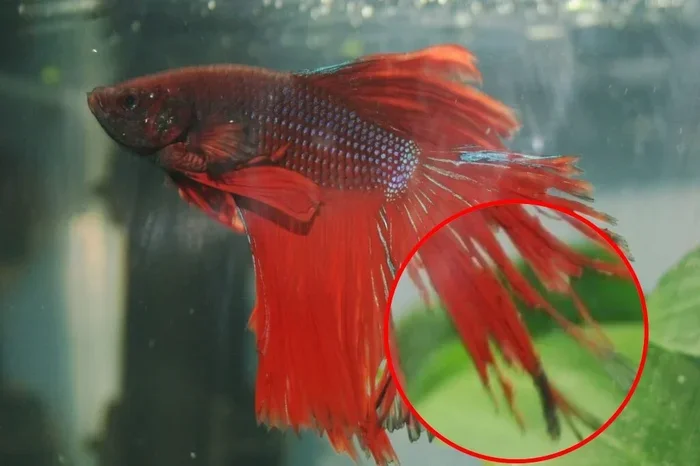
You have probably seen a betta flare its gills and spread its fins. This is called fin flaring, and it is a display of dominance. Betta fish use this behavior to intimidate rivals without actually fighting. In most cases, flaring is a warning. But if the other fish does not back down, things can escalate quickly.
It is important to note that not all flaring is bad. Occasional flaring is normal. Problems start when flaring happens constantly or leads to physical fights. That is when you need to take action.
Male vs Female Betta Aggression
One of the biggest factors in betta fish aggression is sex. Male and female bettas behave very differently when it comes to interacting with other fish. Let us break this down.
Male Betta Fish: The Most Aggressive Sex
Male bettas are by far the most territorial. They have long, flowing fins and bright colors that make them stand out. This makes them a target for other fish, and it also makes them more likely to attack. Male betta fish are naturally inclined to fight almost any fish that enters their space.
In the wild, male bettas guard their bubble nests fiercely. They will chase away anything that comes near, including other males. This instinct does not disappear in captivity. Even in a large aquarium, a male betta may see other fish as rivals.
If you are considering keeping a male betta with other fish, you need to be very careful. Are male betta fish compatible with other fish? Sometimes yes, but it requires the right setup and the right tank mates. You can learn more about this in our article Are Male Betta Fish Compatible With Other Fish.
Female Betta Fish: More Social, Less Aggressive
Female bettas are generally less aggressive than males. They can live in groups called “sororities” with other females. However, this does not mean they are completely peaceful. Female bettas still have territorial instincts, and fights can break out in a sorority setup.
Can you put other fish with a female betta? Yes, often more easily than with a male. Female bettas tend to be less flashy and less likely to provoke attacks from other fish. They also have shorter fins, which reduces the chance of fin-nipping by tank mates.
For more details on keeping female bettas with other fish, check out our guide Can You Put Other Fish With A Female Betta.
What Triggers Aggression in Betta Fish?
Even the most peaceful betta can become aggressive under the right (or wrong) conditions. Knowing the triggers helps you prevent problems before they start.
Small Tank Size
This is the number one cause of betta aggression. A tiny tank gives your fish no room to establish a personal space. Everything feels crowded, and the betta becomes stressed and defensive. A cramped tank almost guarantees conflict with any tank mates you add.
As a rule of thumb, a single betta needs at least a 5-gallon tank. If you want to add other fish, aim for 10 gallons or more. More space means less competition and fewer confrontations.
Bright Colors and Long Fins on Tank Mates
Bettas are visual creatures. They see bright colors and flowing fins as a threat. If you add a fish that looks similar to a betta, your fish may attack it. This is why fish like guppies or angelfish can sometimes trigger aggression. The betta thinks the other fish is a rival.
Poor Water Quality
Dirty water stresses fish out. Stressed bettas are more likely to be aggressive. High ammonia or nitrite levels can make even the calmest betta lash out. Regular water changes and proper filtration are essential for keeping aggression in check.
Lack of Hiding Spots
Fish need places to retreat and feel safe. Without plants, caves, or decorations, there is nowhere for a submissive fish to hide. This leads to constant harassment and elevated stress levels for both the betta and its tank mates.
Best Tank Mates for Betta Fish
If you want a peaceful community tank with your betta, choosing the right companions is critical. Not all fish can coexist with a betta. Some species are too nippy, too fast, or too bright for a betta to tolerate.
Fish That Work Well with Bettas
- Corydoras catfish: These bottom-dwellers stay out of the betta’s territory and are very peaceful.
- Neon tetras: Small, subdued-colored fish that rarely bother a betta.
- Kuhli loaches: Eel-like fish that keep to themselves and scavenge the substrate.
- Mystery snails: Slow-moving and harmless. Bettas usually ignore them completely.
- Amano shrimp: Great algae eaters that stay hidden and avoid confrontation.
The key is to choose fish that are peaceful, non-flashy, and occupy different parts of the tank. Fish that stay at the bottom or mid-level are ideal because they avoid the betta’s preferred upper territory.
Fish to Avoid with Bettas
- Goldfish: Too large, too messy, and cold-water fish. They are completely incompatible.
- Other male bettas: Never house two males together. They will fight, often to the death.
- Guppies with long tails: Their flowing fins can trigger the betta’s aggression.
- Angelfish: Too large and can become fin-nippers themselves.
For a deeper look at which fish can share a tank with your betta, read our article Are There Other Fish That Can Go With A Betta.
How to Reduce Aggression in a Community Tank
Keeping a betta with other fish is not impossible. It just requires some planning and vigilance. Here are proven strategies to reduce aggression and maintain a peaceful aquarium.
1. Provide Plenty of Cover
Live plants are your best friend. They break up sightlines and give fish places to hide. Java moss, amazon sword plants, and floating plants like frogbit work wonderfully. The more visual barriers, the less likely your betta is to fixate on another fish.
2. Use a Divided Tank if Needed
If you are unsure about how your betta will react to tank mates, start with a divided tank. This lets your betta and the other fish share the same water without direct contact. Over time, you can remove the divider if things go well.
3. Feed Separately
Competition over food is a major trigger for aggression. Feed your betta on one side of the tank and other fish on the opposite side. This ensures everyone gets enough to eat without conflict.
4. Monitor Behavior Daily
Watch your fish every day. Look for signs of stress like clamped fins, loss of color, or hiding constantly. If you see chasing or nipping, intervene early. Remove the aggressor or rearrange the tank decor to break up territories.
5. Keep the Tank Clean
A clean tank is a calm tank. Perform regular water changes, test your parameters, and keep the filter running properly. Good water quality reduces stress for all inhabitants and keeps aggression levels low.
Common Mistakes That Increase Betta Aggression
Many aquarists unknowingly make mistakes that make their bettas more aggressive. Avoiding these pitfalls can save you a lot of trouble.
Keeping a Betta in a Bowl
Bettas need more than a tiny bowl. A bowl with no heater, no filter, and no space is a recipe for a stressed, angry fish. Small tanks amplify aggression because the fish has nowhere to escape. Always use at least a 5-gallon tank with proper equipment.
Overcrowding the Tank
Adding too many fish to a small tank creates constant tension. Every fish feels the need to defend its space. Stick to a reasonable stocking level based on your tank size. Less is often more when it comes to community tanks with bettas.
Ignoring Warning Signs
Some fish keepers ignore early signs of aggression, hoping the problem will go away on its own. It will not. Fin damage, torn fins, and missing scales are all signs that fighting is happening. Address the issue immediately before it gets worse.
Choosing the Wrong Tank Mates
Not every fish is suitable for a betta tank. Bright, flashy, or fin-nippy fish are a bad match. Do your research before adding any new fish to the aquarium. A wrong choice can lead to injury or death for your betta or its tank mates.
Expert Insights on Betta Fish Aggression
We asked experienced aquarists about their biggest tips for managing betta aggression. Here is what they had to say.
“Start with a large tank.” Many experts agree that a bigger aquarium gives every fish more room to establish its own territory without feeling threatened. A 20-gallon tank is often recommended for betta community setups.
“Observe your individual fish.” Every betta has its own personality. Some are naturally calm and will ignore other fish entirely. Others are feisty and need to be kept alone. Get to know your fish and adjust your approach accordingly.
“Do not be afraid to separate.” If things are not working, it is okay to move a fish to a different tank. The well-being of your fish always comes first. A temporary separation can prevent serious injury.
For more information about whether bettas get along with each other, check out our article Do Betta Fish Get Along With Each Other.
Conclusion
So, are betta fish aggressive towards other fish? The honest answer is that they can be, but it is not inevitable. Male bettas are naturally more territorial and prone to fighting, while females are often more social and adaptable. The key to success lies in understanding your betta’s needs, choosing the right tank mates, and setting up the environment properly.
A well-planned aquarium with enough space, plenty of hiding spots, and compatible fish can dramatically reduce aggression. Pay attention to your fish’s behavior, keep the water clean, and be ready to make changes if needed. With patience and care, you can create a peaceful tank where your betta and its tank mates thrive together.
Remember, every betta is different. What works for one fish may not work for another. Use the tips in this guide as a starting point, and always prioritize the health and safety of your fish. Happy fishkeeping!
Frequently Asked Questions
Are all betta fish aggressive?
No, not all bettas are the same. While male bettas tend to be more territorial, individual temperament varies. Some bettas are naturally calm and can live peacefully with other fish. It depends on genetics, environment, and the specific fish.
Can betta fish live with goldfish?
No, bettas and goldfish should never be kept together. Goldfish need cold water, while bettas need warm water. Goldfish also grow large and produce a lot of waste, which is harmful to bettas. Their different needs make them incompatible tank mates.
Why does my betta flare at other fish?
Flaring is a natural display of dominance. Your betta sees the other fish as a potential threat or rival. Occasional flaring is normal, but constant flaring means your betta is stressed. Try rearranging the tank or adding more plants to break up sightlines.
Can two female bettas live together?
Yes, female bettas can sometimes live together in a group called a sorority. However, this requires a large tank (at least 10 gallons) with plenty of hiding spots. Even then, some females may not get along, so careful monitoring is essential.
What should I do if my betta is attacking other fish?
If your betta is actively attacking tank mates, remove the aggressor immediately. Rearrange the tank decor to break up territories, and consider adding more plants or hiding spots. If aggression continues, it may be best to keep your betta in a solo tank.
Do bettas get less aggressive as they age?
Some bettas do become calmer over time as they get used to their environment. However, age does not guarantee a change in temperament. Proper tank setup and compatible tank mates play a much bigger role in managing aggression than age alone.
=== INTERNAL LINKS ===