How Long Do Betta Fish Usually Live For

So, how long do betta fish usually live for? On average, betta fish live between 3 and 5 years in captivity, but with the right care, some can reach 7 years or more. The betta fish lifespan depends heavily on water quality, tank setup, diet, and genetics. This guide covers everything you need to know to give your betta the longest, happiest life possible.
Few things in the aquarium hobby spark as much curiosity as the betta fish lifespan. These stunning creatures, with their flowing fins and vivid colors, capture hearts instantly. But many new fish keepers wonder: how long do betta fish usually live for?
The honest answer is that it depends. A betta fish kept in a small cup with no filter might barely make it past one year. But a well-cared-for betta in a proper tank can thrive for half a decade or longer. The difference comes down to the care you provide.
In this guide, we will walk through everything that affects how long betta fish live. From tank setup and water quality to diet and genetics, you will learn the exact steps to help your fish live its best life. Whether you just brought home your first betta or you have had one for years, this guide has something valuable for you.
Key Takeaways
- Average lifespan: Betta fish usually live 3 to 5 years with proper care.
- Tank size matters: A heated, filtered tank of at least 5 gallons greatly extends their life.
- Water quality is critical: Regular water changes and parameter monitoring prevent illness and stress.
- Diet affects longevity: A varied, high-quality diet keeps bettas healthy and active for years.
- Genetics play a role: Sourcing healthy bettas from reputable breeders gives your fish a better start.
- Stress shortens life: Avoiding aggressive tank mates and maintaining stable conditions keeps bettas thriving.
- Signs of aging: Knowing what to expect as your betta ages helps you provide the best end-of-life care.
📑 Table of Contents
How Long Do Betta Fish Usually Live For
The average betta fish lifespan in captivity ranges from 3 to 5 years. However, this number is not set in stone. Several factors can push that number up or down significantly.
When people ask, how long do betta fish usually live for, they are really asking what they can expect. And the answer is: with good care, you should plan for 3 to 5 years of companionship. Some dedicated hobbyists report their bettas living 6 or even 7 years, but those cases are the exception, not the rule.
It is also worth noting that bettas sold in pet stores are often very young. So when you bring one home, you might already be getting a head start on its life. That means you could have several years of joy ahead.
Betta Fish Lifespan in Captivity vs. the Wild
Wild bettas and pet store bettas live very different lives. In their natural habitat in Southeast Asia, bettas face predators, pollution, and changing monsoon seasons. Their betta fish lifespan in the wild is often shorter than what captive bettas can achieve.
In captivity, bettas benefit from stable water temperatures, regular food, and protection from threats. A betta fish lifespan in captivity of 3 to 5 years is considered healthy and normal. This is why investing in proper setup from day one pays off so much.
What Affects the Betta Fish Lifespan?
Many factors work together to determine how long your betta will live. Let us break them down so you know exactly what matters most.
Tank Size and Setup
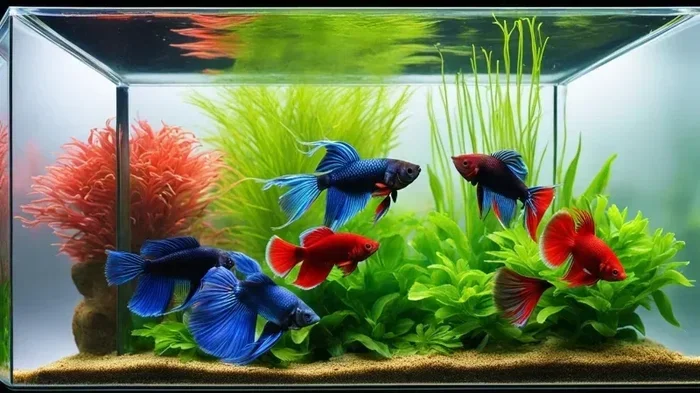
The single biggest mistake people make is keeping a betta in a tiny bowl. A betta needs space to swim and explore. A tank of at least 5 gallons is the minimum recommended size. The betta fish tank should also include a heater and a gentle filter.
Here is why tank size matters so much for betta fish longevity:
- Larger volumes of water stay more stable in temperature and chemistry.
- A filter removes harmful toxins like ammonia and nitrite.
- More space reduces stress, which directly impacts health and lifespan.
- A heater keeps the water in the ideal range of 76 to 82 degrees Fahrenheit.
If you want your betta to live a long life, skip the tiny vase and set up a proper tank. The difference in quality of life is enormous.
Water Quality and Maintenance
Clean water is the foundation of a long betta fish lifespan. Ammonia and nitrite are toxic to fish, and even low levels cause stress and disease. Regular water changes keep these levels in check.
Follow these simple steps for excellent water quality:
- Test your water parameters weekly with a liquid test kit.
- Perform 25 to 50 percent water changes every week.
- Use a dechlorinator to remove chlorine and chloramine from tap water.
- Keep the temperature stable between 76 and 82 degrees Fahrenheit.
- Vacuum the substrate during water changes to remove waste buildup.
If you are new to water changes, check out our guide on how to do a water change for betta fish for a step-by-step walkthrough. Consistent maintenance is one of the most impactful things you can do for your betta.
Diet and Nutrition
What you feed your betta plays a huge role in its health and longevity. A betta fish diet rich in protein and variety supports strong immunity, vibrant colors, and steady growth.
Here are the best food options for a long-living betta:
- High-quality betta pellets: These should form the staple of their diet. Look for pellets with whole ingredients and minimal fillers.
- Frozen or live foods: Bloodworms, brine shrimp, and daphnia make excellent treats and add nutritional variety.
- Occasional fasting: Skipping one meal per week helps prevent constipation and bloating, which are common betta health issues.
Overfeeding is one of the fastest ways to shorten a betta’s life. Uneaten food rots in the water and spikes ammonia levels. Feed small amounts twice a day and remove any leftovers after a few minutes.
Want to know how long your betta can go without food? Check out our article on how long can betta fish live without food for helpful insights on fasting and feeding schedules.
Genetics and Sourcing
Not all bettas are created equal when it comes to genetics. Bettas from reputable breeders tend to be healthier and hardier than those mass-produced in breeding mills. When you source your fish carefully, you give it a better genetic foundation for a long life.
Here are tips for finding a healthy betta:
- Look for breeders with positive reviews and transparent breeding practices.
- Choose a fish that is active, alert, and has vibrant colors.
- Avoid fish with torn fins, white spots, or lethargic behavior.
- If buying from a pet store, select the healthiest fish in the tank.
Stress and Environment
Stress is a silent killer in the aquarium world. A stressed betta has a weakened immune system, making it vulnerable to diseases like fin rot, ich, and velvet. Keeping the environment calm and stable is essential for betta fish longevity.
Common stressors include:
- Tank mates that nip at betta fins or are too aggressive.
- Bright lights that never dim, disrupting the betta’s rest cycle.
- Frequent changes in water temperature or chemistry.
- Placing the tank in a high-traffic area with constant vibrations and noise.
A peaceful setup with gentle lighting, soft substrate, and plenty of hiding spots helps your betta feel safe. This sense of security directly contributes to a longer, healthier life.
Signs of Aging in Betta Fish
As your betta gets older, you may notice changes in its behavior and appearance. Recognizing these signs helps you adjust care to keep your senior betta comfortable.
Common signs of aging include:
- Fading colors: The vibrant hues may dull slightly over time.
- Slower movement: Older bettas swim less energetically and rest more often.
- Increased appetite loss: They may eat less or show less interest in food.
- Fin deterioration: Fins may look ragged or thin as the fish ages.
- White spots or patches: These can indicate age-related health issues.
If you notice any of these signs, focus on offering easy-to-eat foods, maintaining pristine water, and reducing stress. Your older betta will appreciate the extra attention.
Common Mistakes That Shorten Betta Fish Lifespan
Many well-meaning fish keepers accidentally shorten their betta’s life with common mistakes. Knowing what to avoid is just as important as knowing what to do right.
Keeping Betta Fish in Small Bowls
This is the most widespread mistake. A small bowl has unstable water parameters, no room for a filter or heater, and limits the betta’s ability to swim. If you want your betta to thrive, upgrade to a proper tank as soon as possible.
Ignoring Water Changes
Skipping regular water changes leads to toxin buildup. Even with a filter, waste accumulates over time. Consistent maintenance is non-negotiable for a long betta fish lifespan.
Feeding the Wrong Foods
Feeding bettas only flakes or low-quality pellets deprives them of essential nutrients. A poor diet leads to malnutrition, dull colors, and a weakened immune system. Invest in high-quality foods and add variety.
Overcrowding the Tank
While bettas can sometimes live with other fish, overcrowding creates stress and competition. Keep the tank appropriately stocked and avoid aggressive tank mates.
Tips to Help Your Betta Fish Live Longer
Ready to give your betta the best chance at a long life? Follow these practical tips every day.
1. Set Up a Proper Tank
A 5-gallon tank or larger with a heater and filter is the gold standard. This setup mimics the betta’s natural environment and keeps conditions stable.
2. Test Water Weekly
A simple liquid test kit takes minutes but provides peace of mind. Catch problems early before they affect your fish’s health.
3. Feed a Balanced Diet
Rotate between pellets, frozen foods, and live foods. This variety ensures your betta gets all the nutrients it needs.
4. Keep the Environment Calm
Avoid sudden noises, bright lights, and aggressive tank mates. A stress-free betta is a long-living betta.
5. Learn the Signs of Illness
Catching diseases early gives your betta the best chance of recovery. Watch for clamped fins, loss of color, lethargy, and loss of appetite.
6. Source from Reputable Breeders
A healthy start in life sets the foundation for a longer lifespan. Take the time to find a good source for your next betta.
How Long Do Betta Fish Live in Different Setups?
The setup you choose has a direct impact on how long your betta will live. Here is a quick comparison of common scenarios.
| Setup Type | Typical Lifespan | Key Factors |
|---|---|---|
| Small bowl or cup (no filter, no heater) | 6 months to 2 years | Unstable water, stress, poor oxygenation |
| 5-gallon tank (filter and heater) | 3 to 5 years | Stable parameters, room to swim, proper filtration |
| 10-gallon tank or larger (full setup) | 4 to 7+ years | Excellent water stability, low stress, optimal nutrition |
| Breeder tank with meticulous care | 5 to 7+ years | Genetic quality, pristine conditions, expert-level care |
As you can see, the setup makes a dramatic difference. A proper tank is not just a luxury, it is a necessity for anyone serious about helping their betta live a long life.
For more information on betta care, explore our article on how do you care for a betta fish for a complete care guide.
Conclusion
The answer to how long do betta fish usually live for comes down to the care you provide. With a proper tank, clean water, a balanced diet, and a stress-free environment, your betta can live a happy and healthy life of 3 to 5 years or more. Every choice you make, from the tank size to the food you serve, directly impacts your fish’s betta fish lifespan.
Start with the basics, stay consistent with maintenance, and always pay attention to your betta’s behavior. Small efforts add up over time and make a real difference. Your betta fish is counting on you to give it the best life possible, and now you have the knowledge to do just that.
Take what you have learned from this guide, apply it to your aquarium, and enjoy the journey of watching your betta thrive for years to come.
Frequently Asked Questions
How long do betta fish usually live for in a 5-gallon tank?
A betta fish in a properly set up 5-gallon tank with a heater and filter typically lives between 3 and 5 years. The tank size provides stable water conditions and enough space for your betta to swim comfortably, which directly supports a longer and healthier life.
Can betta fish live longer than 5 years?
Yes, some betta fish can live beyond 5 years with excellent care. Dedicated hobbyists who maintain pristine water quality, offer a varied diet, and minimize stress have reported bettas living 6 or even 7 years. However, these cases are not the norm and require consistent, attentive care.
Why do betta fish in pet stores have shorter lifespans?
Pet store bettas often live in small cups with no filtration or heating. These conditions cause stress, poor water quality, and weakened immunity. Additionally, many pet store bettas are kept in crowded, high-stress environments before purchase, which can shorten their overall lifespan.
Does a betta fish’s color or fin type affect its lifespan?
Generally, color and fin type do not significantly affect how long a betta lives. However, some selectively bred varieties with extreme fin lengths may experience swimming difficulties or fin damage, which can lead to stress and secondary health issues if not managed properly.
How can I tell if my betta fish is aging?
Signs of aging in bettas include fading colors, slower movement, reduced appetite, and more frequent resting. You may also notice fin deterioration or white patches. Adjusting care with softer lighting, easier-to-eat foods, and extra attention to water quality helps senior bettas stay comfortable.
What is the most important factor for betta fish longevity?
Water quality is the single most important factor for betta fish longevity. Clean, stable water with proper temperature and zero ammonia or nitrite prevents disease and reduces stress. Combine this with a balanced diet and a properly sized tank, and your betta has the best chance of living a long, healthy life.