Are Betta Fish Fins Supposed to Seperate

Betta fish fins can appear separated for several reasons, from natural growth patterns to stress‑induced damage. Understanding the signs, causes, and quick fixes will help you keep your betta looking its best and swimming happily.
Key Takeaways
- Normal vs. abnormal: Some fin spreading is natural, but true separation often signals a problem.
- Water quality matters: Poor parameters are a top cause of fin damage and separation.
- Nutrition is key: A balanced diet strengthens fins and speeds up healing.
- Prompt treatment works: Early intervention can prevent permanent loss and help fins regrow.
- Tank set‑up influences health: Proper space, plants, and filtration reduce stress that leads to fin issues.
- Regular observation: Spotting early signs lets you act before the problem worsens.
- Internal resources: Use our guides on feeding, tank setup, and fin repair for comprehensive care.
📑 Table of Contents
- Introduction: Why the Question Matters
- 1. Betta Fin Anatomy 101
- 2. Normal Fin Behavior vs. Problematic Separation
- 3. Common Causes of Fin Separation
- 4. Diagnosing the Issue
- 5. How to Fix and Prevent Fin Separation
- 6. Frequently Asked Questions About Betta Fin Separation
- Conclusion: Keep Those Fins Flowing
Introduction: Why the Question Matters
If you’ve ever watched a betta glide through its tank and noticed its gorgeous fins looking a little “torn apart,” you’re not alone. Many new owners ask, are betta fish fins supposed to separate? The short answer is: not usually. While bettas naturally flare and spread their fins to show off color and attract mates, true separation—where the fin tissue looks torn, ragged, or split—often points to an underlying issue.
Understanding what’s normal and what isn’t can save you a lot of heartache. In this article we’ll break down the anatomy of betta fins, explore the common reasons they might separate, and give you practical, step‑by‑step tips to keep those fins looking flawless. Think of it as a friendly chat over a cup of tea, with plenty of easy‑to‑follow advice.
1. Betta Fin Anatomy 101
What Makes Up a Betta’s Fin?
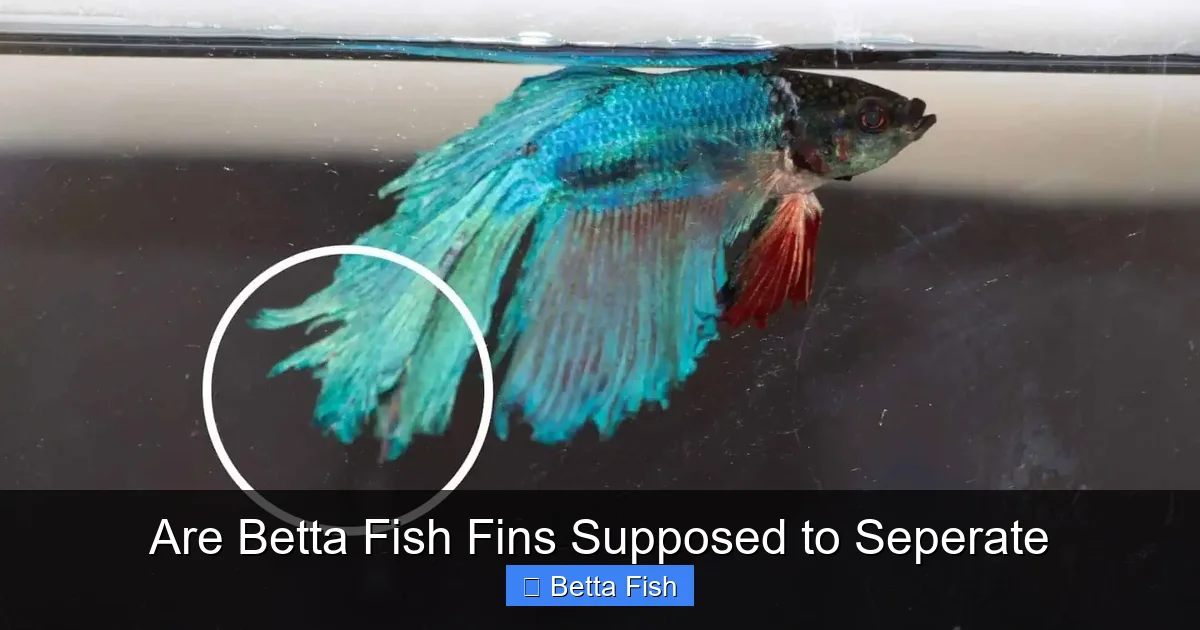
Betta fish have several distinct fins: the dorsal (top), caudal (tail), anal, pectoral (side), and pelvic (bottom). Each fin is made of fin rays—thin, flexible bony structures—covered by a thin membrane of skin and scales. The membrane is delicate, and any damage to it shows up as frayed edges or gaps.
Visual guide about Are Betta Fish Fins Supposed to Seperate
Image source: bettasource.com
How Fins Grow and Regenerate
Fins are living tissue. Under healthy conditions they grow continuously and can even regenerate if a small piece is lost. However, regeneration takes time and requires optimal water conditions, proper nutrition, and minimal stress. For more on fin regeneration, check out our guide on Can Betta Fish Fins Grow Back.
2. Normal Fin Behavior vs. Problematic Separation
When Fins Look “Flared”
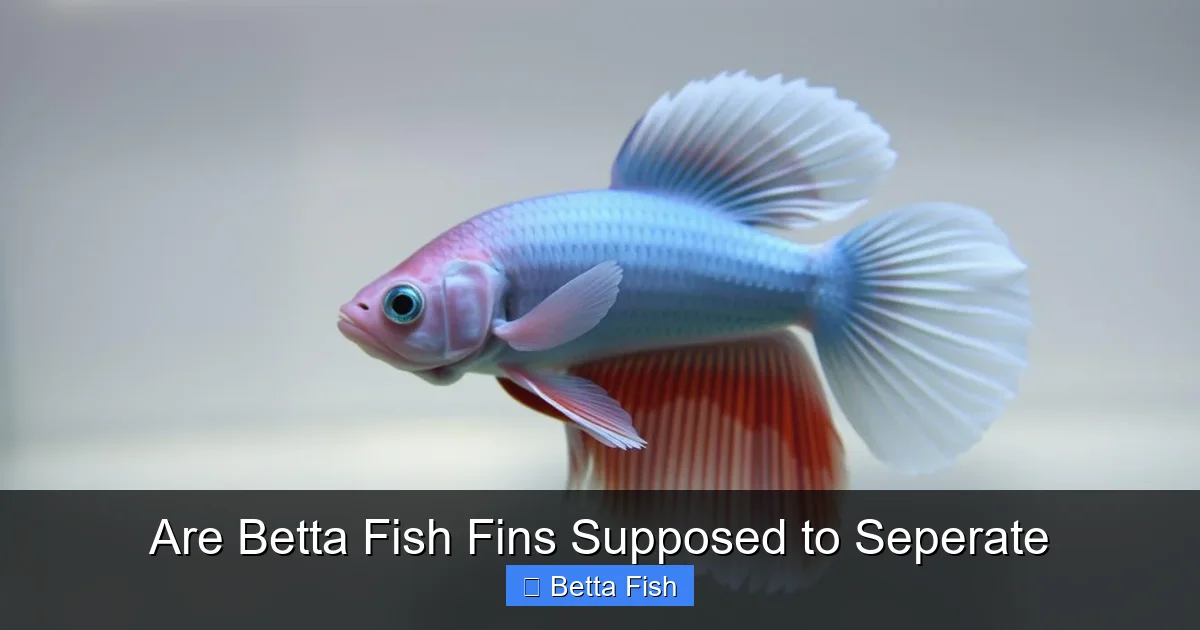
Betta males, especially during breeding season, will flare their fins to look bigger and more impressive. This flaring can make the fins appear slightly apart, but the edges remain smooth and intact. If the fin edges are clean and the fish swims normally, this is perfectly normal.
Visual guide about Are Betta Fish Fins Supposed to Seperate
Image source: koibettafish.com
Signs That Separation Is a Problem
- Ragged or torn edges: Looks like shredded paper.
- White or faded spots: Often a sign of fin rot.
- Bleeding or mucus: Indicates injury or infection.
- Reduced movement: The fish may hide or swim oddly.
If you notice any of these, the fins are separating in a way that needs attention.
3. Common Causes of Fin Separation
3.1 Poor Water Quality
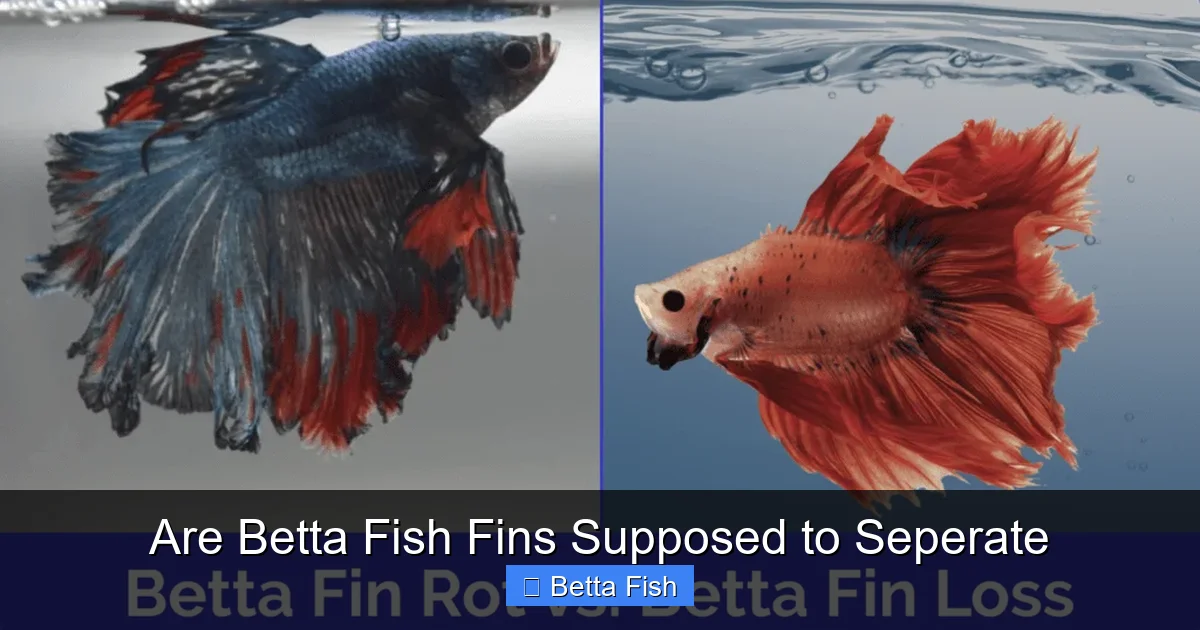
Bad water is the #1 culprit. High ammonia, nitrite, or nitrate levels irritate the delicate fin membrane, leading to fraying and eventual separation. Regular water changes (at least 25‑30% weekly) and a reliable filter are essential.
Visual guide about Are Betta Fish Fins Supposed to Seperate
Image source: hepper.com
3.2 Fin Rot (Bacterial or Fungal)
Fin rot starts as tiny white spots that spread and cause the fin tissue to break down. It’s often triggered by stressors like temperature swings or overcrowding. Treat promptly with a reputable antibacterial medication; see our article on How To Cure Fin Rot In Betta Fish for details.
3.3 Physical Damage
Sharp décor, aggressive tank mates (including other bettas), or even a rough handling during cleaning can nick the fins. Always use smooth rocks, soft plants, and gentle nets.
3.4 Nutritional Deficiencies
Low protein or missing essential fatty acids weaken fin tissue. A varied diet of high‑quality pellets, frozen or live foods, and occasional vegetable treats keeps fins strong. For feeding guidelines, read How Often Are You Supposed To Feed Betta Fish.
3.5 Stress and Hormonal Changes
Stress from constant lighting, temperature fluctuations, or frequent moves can cause the fish to “drop” its fins. Hormonal spikes during breeding can also lead to temporary fin separation as the male displays.
4. Diagnosing the Issue
Step‑by‑Step Observation Checklist
- Check water parameters (ammonia, nitrite, nitrate, pH, temperature).
- Inspect fins closely for white spots, tears, or slime.
- Note any recent changes: new décor, tank mates, feeding routine.
- Observe behavior: hiding, loss of appetite, rapid breathing.
When to Seek Professional Help
If the fin damage spreads quickly, the fish shows signs of lethargy, or you see a cloudy abdomen, it’s best to consult a vet experienced with fish.
5. How to Fix and Prevent Fin Separation
5.1 Immediate Water Treatment
Perform a 30‑percent water change with conditioned, temperature‑matched water. Add a dose of a broad‑spectrum antibacterial treatment if fin rot is suspected.
5.2 Improve Diet
Feed a mix of high‑protein betta pellets, frozen brine shrimp, and occasional daphnia. Include a vitamin supplement rich in vitamin C and omega‑3 fatty acids to boost healing.
5.3 Optimize Tank Environment
- Use a tank of at least 5 gallons with a gentle filter.
- Provide live or silk plants to reduce stress and give hiding spots.
- Maintain temperature between 76‑80°F (24‑27°C) and avoid sudden changes.
For a full setup guide, see How To Set Up Betta Fish Tank.
5.4 Gentle Fin Care
Trim any severely torn fin edges with sterilized scissors to prevent further tearing. Soak the fish in a separate hospital tank with a low dose of antibacterial medication for 10‑15 minutes daily for a week.
5.5 Long‑Term Prevention
- Test water weekly.
- Feed 2‑3 small meals per day, not exceeding the fish’s stomach size.
- Rotate décor to avoid constant abrasion.
- Monitor for signs of aggression if you keep more than one betta; males must be kept separate (Why Are Male Betta Fish Kept Separate).
6. Frequently Asked Questions About Betta Fin Separation
Can betta fish fins grow back after they separate?
Yes, fin tissue can regenerate if the cause is addressed early and water conditions stay optimal. Full regrowth may take 2‑4 weeks.
Is it normal for a betta’s fins to look different during breeding?
During breeding, males flare and may appear to have slightly separated fins, but the edges stay smooth. This is a normal display behavior.
What’s the difference between fin rot and fin tearing?
Fin rot starts with white spots and a foul smell, caused by bacteria or fungus. Tearing is physical damage with clean cuts or ragged edges, often from décor or aggression.
How often should I change the water to prevent fin problems?
Change 25‑30% of the water weekly, and do a full 50% change if you notice any spikes in ammonia or nitrate.
Do betta fish need a heater to keep fins healthy?
Betas are tropical and thrive at 76‑80°F. Consistent temperature helps the immune system and fin health.
Can I use home remedies like aquarium salt for fin issues?
Yes, a small dose (1 gram per gallon) can reduce stress and help with minor infections, but it’s not a substitute for proper medication if fin rot is present.
Conclusion: Keep Those Fins Flowing
So, are betta fish fins supposed to separate? The short answer is no—true separation is a sign that something in the environment or care routine needs fixing. By monitoring water quality, feeding a balanced diet, providing a stress‑free tank, and acting quickly when you see the first signs of trouble, you can keep your betta’s fins looking spectacular.
Remember, a happy betta is a healthy betta. Keep an eye on those beautiful fins, and you’ll enjoy years of vibrant displays. For more tips on feeding, tank setup, and fin repair, explore our related articles and become the ultimate betta caretaker.
Frequently Asked Questions
Why are my betta fish fins falling off?
Fin loss often results from fin rot, poor water quality, or physical injury. Treat the root cause and improve tank conditions to stop further loss.
Why are my betta fish fins curling?
Curled fins usually indicate stress, low temperature, or a nutritional deficiency. Adjust temperature and boost diet with high‑protein foods.
Can betta fish fins grow back after being damaged?
Yes, with proper care—clean water, good nutrition, and treatment of any infection—fins can regenerate over several weeks.
How often should I feed my betta to keep fins healthy?
Feed 2‑3 small meals per day, using high‑quality pellets and occasional live or frozen foods for optimal fin health.
Is it okay to keep multiple bettas together?
Generally no. Male bettas are highly territorial and should be housed alone to prevent fin damage from fights.
What water parameters are best for preventing fin problems?
Keep ammonia and nitrite at 0 ppm, nitrate below 20 ppm, pH between 6.5‑7.5, and temperature steady at 76‑80°F.