Is a Food Bowl Good for Betta Fish
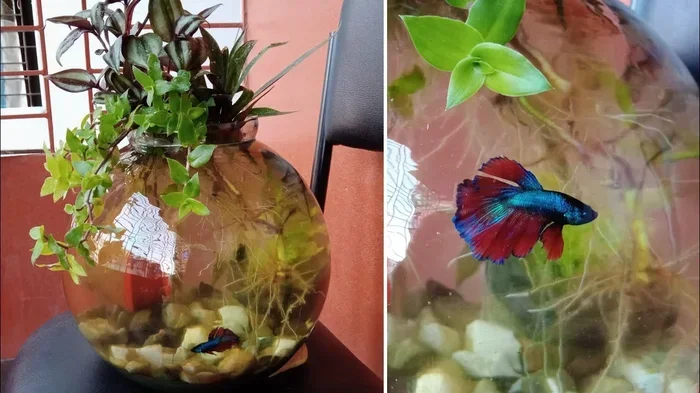
So, is a food bowl good for betta fish? The short answer is yes, but with important caveats. A food bowl can work well for feeding your betta, but it should not replace a proper tank setup. Using a small bowl long-term can limit your fish’s health and happiness. This guide covers everything you need to know about feeding your betta in a bowl, from size and shape to cleaning and maintenance tips.
You love your betta fish. You want to give it the best life possible. So when you see a cute little food bowl at the pet store, it might seem like a perfect idea. But here is the thing. Is a food bowl good for betta fish? The answer is not as simple as yes or no. A food bowl can serve a purpose, but it comes with real limitations. Let us dive into everything you need to know.
A food bowl for betta fish is exactly what it sounds like. It is a small container designed to hold food for your fish. Some people use it as a temporary feeding station inside a larger tank. Others keep their betta in a bowl full-time. Both approaches have pros and cons. Understanding them helps you make the best choice for your fish.
Betta fish are not just pretty faces. They are active swimmers that need space, clean water, and proper nutrition. A bowl can meet some of those needs, but only to a point. In this article, we will explore every angle of using a food bowl for your betta. You will learn what works, what does not, and how to keep your fish healthy and happy.
Key Takeaways
- Food bowls can work for short-term feeding: They are fine for occasional meals, but not a permanent home.
- Bowl size matters a lot: A larger bowl gives your betta more room and cleaner water for longer.
- Overfeeding is a big risk: Food left in a bowl spoils fast and pollutes the water quickly.
- Cleaning frequency increases: Bowls need more frequent water changes than tanks with filters.
- A proper tank setup is always better: Tanks with filters and heaters support long-term betta health.
- Choose the right food: Not all fish foods are equal for bettas. Pellets and frozen foods work best.
📑 Table of Contents
- What Is a Food Bowl for Betta Fish?
- Is a Food Bowl Good for Betta Fish Long-Term?
- Benefits of Using a Food Bowl for Betta Fish
- Risks of Feeding Your Betta in a Bowl
- Best Practices for Using a Food Bowl with Betta Fish
- How to Set Up a Proper Betta Habitat (Better Than a Bowl)
- Common Mistakes People Make with Betta Food Bowls
- Expert Tips for Feeding Betta Fish in a Bowl
- Conclusion
What Is a Food Bowl for Betta Fish?
A food bowl is a small dish or container used to serve food to your betta. It is usually made of plastic, ceramic, or glass. Some bowls are designed to sit inside a larger aquarium. Others are standalone containers meant for temporary housing.
People use food bowls for a few reasons. Some want a separate feeding area to prevent food from spreading across the tank. Others use a bowl as a temporary home during tank cleaning. And some beginners start with a bowl because it seems simpler and cheaper.
But here is the truth. A food bowl is not a complete habitat. It does not provide the filtration, heating, or space that a betta needs long-term. Think of it as a supplement, not a replacement for a proper tank setup.
Types of Food Bowls for Bettas
Not all bowls are created equal. Here are the most common types you will find:
- Ceramic feeding bowls: These are heavy and stable. They do not tip over easily. Ceramic is also easy to clean.
- Plastic feeding dishes: Lightweight and affordable. They come in many shapes and colors. But they can scratch over time and harbor bacteria.
- Glass feeding dishes: Easy to sanitize and look nice. But they can break if dropped.
- Floating feeding rings: These attach to the side of a tank. They hold food in one place and are great for betta fish feeding in a larger aquarium.
Each type has its place. The best choice depends on how you plan to use it. If you only need a spot for dropping in pellets, a simple dish works fine. If you are thinking about keeping your betta in a bowl long-term, read on.
Is a Food Bowl Good for Betta Fish Long-Term?
This is the big question. And the honest answer is no. A food bowl is not ideal as a permanent home for a betta fish. Here is why.
First, bowls are tiny. Most food bowls hold less than a gallon of water. Bettas need at least 2.5 gallons to thrive, and 5 gallons or more is even better. In a small bowl, water quality drops fast. Ammonia builds up quickly from waste and leftover food.
Second, bowls lack filtration. A good filter for betta fish removes harmful toxins and keeps the water cycled. Without a filter, you must do water changes almost daily. That is a lot of work and stress for both you and your fish.
Third, bowls do not hold heat well. Bettas need warm water between 76 and 82 degrees Fahrenheit. A small bowl loses heat fast, especially in cooler rooms. Cold water can make your betta sluggish and more prone to illness.
So while a food bowl is fine for feeding or short-term use, it is not a good long-term solution. If you want your betta to live a long, healthy life, invest in a proper tank.
Short-Term vs. Long-Term Use
Let us break this down clearly:
- Short-term use (feeding station): Great idea. Use a small dish to serve food inside your betta’s tank. This keeps food contained and makes cleanup easier.
- Short-term use (temporary housing): Okay in a pinch. Use a bowl when you are cleaning the main tank or treating your fish for illness.
- Long-term use (permanent home): Not recommended. A bowl does not provide the space, filtration, or temperature stability a betta needs.
If you are new to betta keeping, check out our guide on what is a good size tank for a betta fish to find the right setup for your fish.
Benefits of Using a Food Bowl for Betta Fish
Before you write off food bowls entirely, let us look at the positives. They do have some real advantages when used correctly.
1. Keeps Food Contained
One of the biggest benefits of a food bowl is that it keeps flakes and pellets in one spot. Without a dish, food sinks everywhere and gets stuck in decorations. A feeding bowl or ring makes it easy to remove uneaten food after a few minutes. This directly supports betta fish health by preventing water pollution.
2. Easy to Clean
A small dish is much easier to rinse and clean than a full tank. You can wash it with warm water and a soft sponge. No need to mess with filter media or gravel vacuums. For quick feeding sessions, this is a huge time saver.
3. Great for Quarantine and Observation
If your betta looks sick or is recovering from an illness, a small bowl makes it easy to monitor behavior and feeding. You can watch your fish closely without distractions from tankmates. This is especially useful when following a treatment plan or adjusting diet.
4. Affordable and Accessible
Food bowls are cheap. You can find them at any pet store for just a few dollars. They are also widely available online. For beginners who are just starting out, a simple bowl can work as a temporary solution while you set up a proper tank.
But remember, affordability does not mean suitability. A bowl is a tool, not a home. Use it wisely and your betta will thank you.
Risks of Feeding Your Betta in a Bowl
Now let us talk about the downsides. Every coin has two sides, and food bowls are no different.
1. Water Quality Deteriorates Fast
In a small bowl, ammonia and nitrite levels can spike within hours. Leftover food decays quickly and releases toxins. Without a filter or regular water changes, your betta is swimming in dirty water. Poor water quality is the number one cause of illness in betta fish.
2. Overfeeding Becomes a Real Danger
It is easy to drop too much food into a bowl. Bettas have small stomachs, about the size of their eye. Overfeeding leads to bloating, constipation, and obesity. Excess food also fouls the water faster. If you are unsure how much to feed, check out our article on how much food for a betta fish for helpful guidelines.
3. Stress and Limited Space
Bettas are curious creatures. They like to explore and swim. A tiny bowl restricts natural movement and can cause stress. Stressed fish are more likely to get sick and lose their vibrant colors. A proper tank with enrichment gives your betta room to be itself.
4. Temperature Fluctuations
Small volumes of water change temperature quickly. A bowl sitting near a window or in a drafty room can swing from too cold to too warm in minutes. Sudden temperature changes shock your betta’s system and weaken its immune response.
Best Practices for Using a Food Bowl with Betta Fish
If you decide to use a food bowl, follow these best practices to keep your fish safe and healthy.
Choose the Right Size
If you are using a bowl for temporary housing, go as large as possible. A 1-gallon bowl is the absolute minimum. A 3- or 5-gallon bowl is much better. Larger water volume means more stable conditions and less frequent maintenance. You can learn more about the ideal setup in our article on is a 5 gallon tank good for a betta fish.
Clean the Bowl Regularly
You should clean a food bowl at least once a week. Remove all the old water, rinse the bowl with warm water, and refill with fresh, treated water. Never use soap or detergent. Even tiny residues can harm your fish. If you are keeping your betta in a bowl full-time, you may need to change the water every other day.
Feed Small Amounts
Only give your betta as much food as it can eat in 2 minutes. Remove any uneaten food right away. A high-quality pellet or frozen food is better than cheap flakes. For the best nutrition options, read our guide on what is the best food for betta fish.
Monitor Water Parameters
Even in a bowl, you should test the water regularly. Use a simple aquarium test kit to check ammonia, nitrite, and nitrate levels. If ammonia is above zero, you need a water change immediately. Keeping track of these numbers helps you catch problems before they become serious.
Keep the Bowl in a Stable Environment
Place the bowl away from direct sunlight, drafts, and heat sources. A spot with a consistent room temperature is ideal. If the room gets cold, consider a small bowl heater designed for small aquariums.
How to Set Up a Proper Betta Habitat (Better Than a Bowl)
If you want to give your betta the best life possible, a proper tank setup is the way to go. Here is a simple breakdown of what you need.
- Tank size: At least 5 gallons. More is always better.
- Filter: A gentle sponge filter keeps water clean without strong currents that stress bettas.
- Heater: Maintains a steady temperature between 76 and 82 degrees Fahrenheit.
- Substrate: Smooth gravel or sand works well. Avoid rough substrates that can damage fins.
- Decorations: Plants, caves, and hiding spots make your betta feel secure. Live plants also help maintain water quality naturally.
- Lighting: A standard aquarium light on a timer provides a natural day and night cycle.
Setting up a proper tank might cost a bit more upfront, but the payoff is huge. Your betta will be healthier, more active, and live longer. A well-maintained tank also looks better and is more enjoyable to watch.
If you are wondering about specific setups, our article on what is the best tank size for a betta fish has detailed recommendations to help you choose the right home for your fish.
Common Mistakes People Make with Betta Food Bowls
Even experienced fish keepers slip up sometimes. Here are the most common mistakes to avoid.
- Using a bowl that is too small: A tiny dish limits water volume and makes it hard to maintain stable conditions.
- Overfeeding: This is the most common mistake. Excess food ruins water quality fast and causes health problems for your betta.
- Skipping water changes: Bowls need more frequent maintenance than filtered tanks. Skipping changes leads to toxic buildup.
- Placing the bowl in direct sunlight: Sunlight causes algae blooms and temperature spikes. Both are harmful to bettas.
- Using untreated tap water: Tap water contains chlorine and chloramine that can kill your fish. Always use a water conditioner before adding water to the bowl.
Avoiding these simple mistakes makes a huge difference. Your betta will be healthier, and you will enjoy the hobby more too.
Expert Tips for Feeding Betta Fish in a Bowl
Want some insider advice? Here are tips from experienced betta keepers that really make a difference.
- Feed at the same time every day: Bettas thrive on routine. A consistent feeding schedule reduces stress and helps with digestion.
- Soak dry food before feeding: Pellets expand in water and can cause bloating if swallowed dry. Soaking them for a few minutes prevents this issue.
- Fast your betta once a week: Skipping one feeding day per week helps prevent constipation and keeps the digestive system healthy.
- Rotate food types: Offer a mix of high-quality pellets, frozen bloodworms, and daphnia. Variety ensures balanced nutrition.
- Watch your betta’s body condition: A healthy betta has a rounded but not bloated belly. If the belly looks too round or the fish is not eating, adjust feeding amounts.
These small habits add up over time. They are the difference between a betta that just survives and one that truly thrives.
Conclusion
So, is a food bowl good for betta fish? The answer is yes, but only in the right context. A food bowl works well as a feeding station or temporary housing. It is not a suitable permanent home for your betta. For long-term health and happiness, your fish needs a proper tank with a filter, heater, and enough space to swim.
Use a food bowl wisely. Keep it clean. Feed small amounts. And always aim for a better setup when you can. Your betta fish deserves a great life, and you now have the knowledge to give it one.
Take what you learned today and put it into action. Whether you are using a simple bowl or setting up a full aquarium, your betta will benefit from your care and attention. Happy fish keeping.
Frequently Asked Questions
Can I keep my betta fish in a food bowl forever?
No, a food bowl is not suitable as a permanent home for a betta fish. Bowls lack filtration, heating, and enough space for long-term health. A proper tank of at least 5 gallons is the best choice for keeping your betta healthy and happy over its full lifespan.
How often should I clean a betta fish food bowl?
You should clean a food bowl at least once a week. If the bowl is being used for full-time housing, you may need to change the water every other day. Regular cleaning prevents ammonia buildup and keeps the water safe for your fish.
What is the best food to put in a betta food bowl?
High-quality betta pellets are the best staple food. You can also offer frozen or live foods like bloodworms and brine shrimp as treats. Avoid cheap flakes, which lack the protein bettas need. For more details, check out our guide on the best food for betta fish.
Can a betta fish survive in a small bowl without a filter?
A betta can survive in a small bowl without a filter, but it will not thrive. Without filtration, water quality drops quickly and requires frequent manual cleaning. A bowl without a filter also limits the betta’s lifespan and overall well-being.
Is it okay to use a food bowl for feeding in a larger tank?
Yes, using a small food bowl or feeding ring inside a larger tank is a great idea. It keeps food contained in one spot, making it easier for your betta to find and eat. It also prevents excess food from scattering and polluting the tank water.
What size food bowl is best for a betta fish?
If the bowl is for feeding only, size does not matter much. If it is for temporary housing, aim for at least 1 gallon. Larger is always better. A 3- to 5-gallon bowl provides more stable water conditions and gives your betta room to move around comfortably.