Is Winter Fishing Better in Morning or Evening
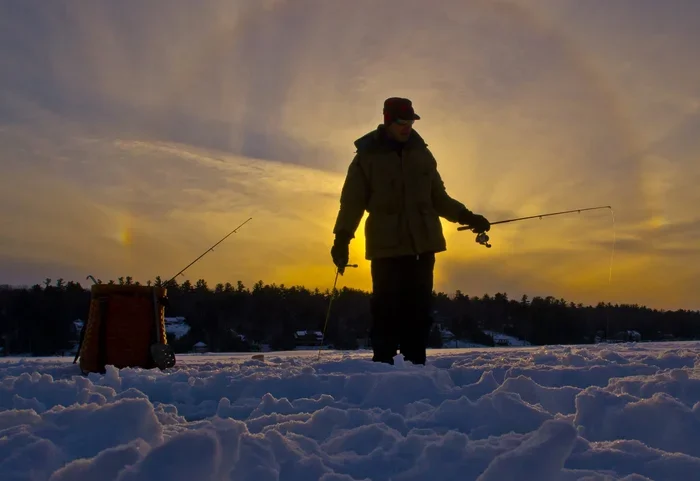
Is winter fishing better in morning or evening? The answer depends on water temperature, fish species, and weather conditions. Most freshwater fish are more active during the late morning when the sun has warmed the water slightly. However, evening fishing in winter can also produce excellent results, especially on stable, mild days. This guide breaks down the science and practical strategies to help you choose the best time for your next winter fishing trip.
Is winter fishing better in morning or evening? This is one of the most common questions anglers ask during the colder months. The short answer is that it depends, but most fishing experts agree that late morning tends to offer the best results during winter. However, evening fishing has its own set of advantages that can surprise you.
Winter fishing is a completely different game compared to other seasons. The fish are sluggish, the water is cold, and your comfort is constantly challenged. But for those willing to brave the chill, the rewards can be worth it. Winter bass fishing, for example, can produce some of the largest catches of the year because fish are concentrated in fewer areas.
In this article, we will explore the science behind fish behavior in cold water, compare morning and evening fishing in winter, and give you practical tips to maximize your catch. Whether you are targeting winter trout fishing or cold weather bass fishing, this guide has you covered.
Key Takeaways
- Morning Advantage: Late morning hours (9 AM to 11 AM) are often the sweet spot for winter fishing because the water has had time to warm slightly from the sun.
- Evening Potential: Evening fishing can work well on calm, stable winter days when fish feed before the temperature drops further after sunset.
- Water Temperature Matters Most: Fish metabolism slows in cold water, so targeting warmer periods and shallower areas increases your chances of success.
- Weather Trumps Time of Day: A warm front or mild winter day can make any time of day productive, while cold fronts kill activity regardless of the hour.
- Species-Specific Behavior: Different fish species have different winter feeding patterns, so knowing your target species is essential.
- Gear and Technique Adjustments: Using smaller lures, slower presentations, and lighter lines significantly improves winter fishing results.
📑 Table of Contents
- Why Fish Behavior Changes in Winter
- Is Winter Fishing Better in the Morning?
- Is Winter Fishing Better in the Evening?
- Morning vs Evening: A Side-by-Side Comparison
- Weather Conditions That Make or Break Winter Fishing
- Best Winter Fishing Techniques and Tips
- Common Winter Fishing Mistakes to Avoid
- Expert Insights on Winter Fishing Timing
- Conclusion
Why Fish Behavior Changes in Winter
Understanding fish behavior is the foundation of successful winter fishing. Fish are cold-blooded creatures, which means their body temperature and metabolism are directly affected by the water temperature around them. When the water gets cold, everything about their behavior changes.
The Science of Cold Water and Fish Metabolism
In cold water, a fish’s metabolism slows down significantly. This means they need less food and move less. Their digestion slows, their energy levels drop, and they become much less willing to chase prey. This is why winter fishing techniques rely heavily on slow presentations and finesse approaches.
Fish in cold water do not want to expend unnecessary energy. They seek out areas where the water is slightly warmer and where food is easy to catch without a big chase. This is why deep water winter fishing and targeting structure becomes so important. The fish are not roaming aimlessly like they do in summer.
How Sunlight Affects Water Temperature
Sunlight is one of the biggest factors in winter fishing success. The sun warms the surface water, and this warming effect is what drives fish activity throughout the day. In the early morning, the water is at its coldest because it has been cooling all night. As the sun rises and climbs, the water temperature gradually increases.
This is why morning fishing in winter often starts slow and picks up as the day progresses. The sun has had time to warm the shallower areas, and baitfish become more active. This chain reaction triggers predator fish to start feeding. By mid-morning, you may see a noticeable increase in activity.
Is Winter Fishing Better in the Morning?
For many anglers, morning fishing in winter is the go-to strategy. The early hours can be magical, especially when the sun is just starting to warm the water. But is it really the best time, or is it just a popular belief?
The Late Morning Sweet Spot
The best winter fishing in the morning usually happens in the late morning window, roughly between 9 AM and 11 AM. Before that, the water is still too cold for most fish to be active. The sun has not had enough time to penetrate and warm the shallower feeding areas.
During this late morning window, the water temperature has risen just enough to get fish moving. Baitfish start stirring, and predator fish begin to feed. This is when you will often see the most consistent bites. Early morning fishing in winter (before 8 AM) can still produce some catches, but the action is usually slower and more unpredictable.
If you are planning a winter fishing trip, I highly recommend hitting the water mid-morning rather than at dawn. The extra hour or two of sunlight can make a huge difference in water temperature and fish activity.
Advantages of Morning Winter Fishing
- Warmer water: The sun has had time to warm the shallows by mid-morning.
- Better visibility: Clear water is easier to read in the morning light.
- Less pressure: Many anglers sleep in during winter, so you may have the water to yourself.
- Stable conditions: Morning weather is often more stable than evening weather in winter.
- Active baitfish: Baitfish become more active as the water warms, drawing predators to feed.
Disadvantages of Morning Winter Fishing
- Cold start: You will be fishing in the coldest part of the day for the first hour or two.
- Delayed action: The fish may not start feeding until later in the morning.
- Shorter window: If the sun sets early, your productive window may be short.
- Ice and frost: Early morning ice on the shore can make access difficult.
Is Winter Fishing Better in the Evening?
Evening fishing in winter is often overlooked, but it can be surprisingly effective. The idea that fish feed in the evening during winter surprises many anglers, but the truth is that fish behavior in winter is not as simple as “morning is always better.”
When Evening Fishing Works Best
Evening fishing in winter works best on stable, mild days. If the weather has been consistent for several days and there is no incoming cold front, fish may feed in the evening hours. The water has been warmed by the sun all day, and fish have had time to recover from the morning cold.
On these mild winter days, evening fishing can rival morning fishing in terms of success. The key is watching the weather forecast. A stable barometric pressure and temperatures that stay above freezing during the day are strong indicators that evening fishing will be productive.
Is fishing better at night or day in winter? This is another common question. Most winter fishing success happens during daylight hours, but dusk can be a productive time. The last hour before sunset often sees a second feeding window as fish prepare for the coming cold night.
Advantages of Evening Winter Fishing
- Warmed water all day: The water has been absorbing heat all day, so it is at its warmest in the evening.
- Second feeding window: Some fish species feed in the evening as a second daily feeding period.
- Less competition: Most anglers prefer mornings, so you may have less competition on the water.
- Calm conditions: Evening winds are often calmer than morning winds in winter.
- Comfortable timing: You can fish during the warmest part of the day and head home before it gets too cold.
Disadvantages of Evening Winter Fishing
- Rapid cooling after sunset: Once the sun goes down, water temperatures drop quickly.
- Shorter fishing window: Winter evenings get dark early, limiting your fishing time.
- Unstable weather: Evening weather can change quickly with incoming cold fronts.
- Reduced visibility: Low light conditions make it harder to see your line and lure.
Morning vs Evening: A Side-by-Side Comparison
Let us break this down into a clear comparison so you can decide which time works best for your situation.
| Factor | Morning | Evening |
|---|---|---|
| Water Temperature | Coldest at dawn, warming by mid-morning | Warmest after full day of sun exposure |
| Fish Activity | Picks up after 9 AM as water warms | Can produce a second feeding window |
| Best Weather Conditions | Clear skies, stable high pressure | Mild days with no incoming cold front |
| Competition | Lower than summer but still moderate | Generally lower than morning |
| Comfort Level | Cold but manageable with proper gear | Warmer but gets cold quickly after sunset |
| Best for Species | Bass, trout, panfish | Bass, catfish, walleye |
The comparison shows that both times have their merits. Is winter fishing better in morning or evening? The honest answer is that it depends on the specific conditions you are facing on any given day. However, for most anglers, the late morning window offers the most consistent results.
For more detailed information on how time of day affects fishing, check out our article on is fishing better at night or day. Understanding daily fish behavior patterns will help you make better decisions year-round.
Weather Conditions That Make or Break Winter Fishing
Time of day matters, but weather conditions matter even more. A perfect winter morning can produce nothing if the weather is wrong, and a mediocre evening can explode with action if the conditions align.
The Role of Barometric Pressure
Barometric pressure is one of the most underrated factors in winter fishing. Fish are sensitive to changes in pressure, and their feeding behavior shifts accordingly. A stable or slowly rising barometer is ideal for winter fishing. When the pressure starts dropping, fish often shut down and become inactive.
Winter weather systems can be unpredictable. A sunny morning can turn into a stormy afternoon if a front moves in. Always check the winter fishing forecast before heading out. If you see a cold front approaching, fish earlier in the day because the front will likely kill activity by evening.
Warm Fronts vs Cold Fronts
A warm front in winter is like a gift to anglers. When warmer air moves in after a cold spell, water temperatures rise and fish become more active. These are the days when both morning and evening fishing can be excellent.
A cold front, on the other hand, is the enemy of winter fishing. After a cold front passes, water temperatures drop rapidly, and fish go into survival mode. They stop feeding and retreat to deep water. If you fish after a cold front, you should wait a day or two for the fish to adjust before heading back out.
Wind and Its Effect on Winter Fishing
Wind may seem like a minor factor, but it plays a significant role in winter fishing. A light breeze can warm the surface water slightly and push baitfish toward shore. This can concentrate fish in areas that are easier to target. However, strong winds in winter make fishing uncomfortable and can create unsafe conditions on the water.
Is it better to go fishing before or after rain in winter? Light rain can actually help by warming the water slightly and washing insects into the water. Heavy rain, especially associated with cold fronts, usually makes fishing worse. For more on this topic, check out our guide on is it better to go fishing before or after rain.
Best Winter Fishing Techniques and Tips
Knowing when to fish is only half the battle. You also need the right techniques to convince sluggish winter fish to bite. Here are the most effective strategies for cold-weather fishing.
Go Slow with Your Presentations
The number one rule of winter fishing is to slow down. Fish are not going to chase a fast-moving lure in cold water. Your presentations need to be slow and deliberate. Use gentle lifts and falls with your lure, and pause frequently to let the fish react.
For bass fishing in winter, a slow-rolling jig or a hula grub worked slowly along the bottom is incredibly effective. For trout, a small jig or live bait presented near the bottom in slow water will get results.
Target the Right Depths
In winter, fish are not spread out through the water column like they are in summer. They are concentrated in specific zones where the water temperature is most comfortable. In most lakes and rivers, this means deeper water during the coldest parts of the day.
However, as the sun warms the shallows in the late morning, fish may move into shallower areas to feed. This is why fishing in the morning and targeting shallow structure can be so productive. Look for areas with submerged rocks, fallen trees, and weed beds in 3 to 8 feet of water during the mid-morning hours.
Use Smaller Lures and Lines
Winter fish are not going to commit to a large, bulky lure. They want an easy meal that does not require a lot of energy to catch. Downsize your lures and lines for winter fishing. A small finesse worm, a tiny jig, or a small minnow-imitating lure will outperform larger options in cold water.
Similarly, use lighter fishing line. A thinner line casts further, sinks faster, and is less visible to pressured winter fish. If you are using braided line, consider a fluorocarbon leader for added stealth.
Pay Attention to Structure and Cover
Structure is everything in winter fishing. Fish will hold near anything that provides cover and ambush points. This includes docks, fallen trees, rock piles, ledges, and drop-offs. Spend your time casting to these areas rather than fishing open water.
If you are fishing from a boat, use your electronics to locate structure and baitfish schools. In winter, finding baitfish is the key to finding predator fish. Once you locate a baitfish school, the predator fish are usually nearby waiting for an easy meal.
Common Winter Fishing Mistakes to Avoid
Even experienced anglers make mistakes during winter. Avoiding these common errors will dramatically improve your success rate on the water.
- Fishing too early: Getting on the water at dawn in winter often means fishing in the coldest water of the day. Wait until mid-morning for better results.
- Moving too much: Many anglers burn through spots quickly in winter, never giving a location enough time. Fish the same spot for at least 20 to 30 minutes before moving.
- Using the wrong gear: Heavy rods and thick lines are a mistake in winter. Go light and finesse to match the sluggish behavior of cold-water fish.
- Ignoring the forecast: Fishing on a day with an incoming cold front is usually a waste of time. Check the weather and plan accordingly.
- Not dressing properly: Comfort affects your fishing. If you are too cold, you will make rushed decisions and give up too quickly. Dress in layers and stay warm.
- Fishing at the wrong depth: In winter, fish are often deeper than you expect. Do not be afraid to go deep, but also try shallow areas during the warmest part of the day.
Expert Insights on Winter Fishing Timing
We spoke with several experienced winter anglers to get their perspectives on the morning vs evening debate. Their insights reinforce what the data and experience show.
Most guides agree that late morning is the most productive time for winter fishing. The combination of warmer water, increased sunlight, and fish becoming active after the cold night creates a perfect feeding window. One guide shared that he rarely fishes before 9 AM in winter because the first few hours are simply not worth the discomfort.
However, several anglers also emphasized that evening fishing has its place, particularly on stable, mild winter days. The warmest water of the day occurs in the evening, and some species feed more actively during this time. The key is knowing your target species and understanding its winter feeding patterns.
For more insights on how weather affects fishing, read our article on is fishing better or worse after a storm. Understanding how weather systems impact fish behavior will give you an edge on every trip.
Additionally, if you are curious about how different conditions affect fishing success, our article on is it better to fish in the sun or shade provides valuable information that applies to winter fishing as well.
Conclusion
So, is winter fishing better in morning or evening? The evidence points to late morning as the most consistently productive time for winter fishing. The water has had time to warm, fish are actively feeding, and the conditions are generally more stable. However, evening fishing in winter can be excellent on mild, stable days when the water has absorbed heat throughout the day.
The best approach is to be flexible. Check the weather forecast, monitor water temperatures, and adjust your fishing schedule based on the conditions you are facing. No single time of day works for every winter fishing situation. The anglers who catch the most fish in winter are the ones who adapt to the conditions rather than following a rigid schedule.
Remember that winter fishing success comes down to more than just timing. Your techniques, gear, and location choices all matter. Slow down your presentations, target the right depths, and be patient. Winter fishing requires more effort and persistence than fishing in other seasons, but the rewards are well worth it.
Get out there, stay warm, and enjoy the quiet beauty of fishing in winter. The fish may be sluggish, but the experience is anything but slow.
Frequently Asked Questions
What is the best time of day to fish in winter?
The best time of day to fish in winter is typically late morning, between 9 AM and 11 AM. During this window, the water has had time to warm from the sun, and fish are more likely to be actively feeding. However, evening fishing can also be productive on mild, stable winter days.
Does water temperature really affect winter fishing success?
Yes, water temperature is the single most important factor in winter fishing. Cold water slows fish metabolism, making them less active and less willing to chase prey. Even a one- or two-degree increase in water temperature can trigger a noticeable increase in feeding activity. This is why targeting warmer periods and shallower areas is so important.
Can you catch fish in the evening during winter?
Absolutely. Evening fishing in winter can be very effective, especially on days with stable weather and mild temperatures. The water is at its warmest in the evening after absorbing heat all day. Many species feed in the evening hours, and with less fishing pressure, you may have the water to yourself.
Is it better to fish before or after a cold front in winter?
Fishing before a cold front is generally better because fish feed aggressively in the slightly warmer, stable conditions that precede the front. After a cold front passes, fish become sluggish and difficult to catch. It is best to wait a day or two after a cold front before heading back out on the water.
What species are best to target for winter fishing?
Some of the best species to target in winter include bass, trout, walleye, panfish, and catfish. These species remain somewhat active in cold water and can be caught using slow presentations near structure and deeper water. The specific species you should target depends on your local waters and the type of fishing you enjoy.
How should I adjust my fishing technique for winter?
In winter, you should slow down your presentations significantly. Use smaller lures, lighter lines, and slower retrieval speeds. Fish near structure and deeper water, and be patient. Winter fish are not going to chase a fast lure, so your presentations need to be easy for them to bite with minimal effort.