Betta fish are not strictly nocturnal; they show activity both day and night, with peaks that match their natural environment. Understanding these patterns helps you set lighting, feeding, and tank décor that suit their needs and keeps stress low.
Key Takeaways
- Not fully nocturnal: Betta fish display crepuscular and diurnal activity, not just night‑time moves.
- Lighting matters: Proper day‑night cycles reduce stress and improve color vibrancy.
- Feeding schedule: Small meals during active periods keep metabolism stable.
- Tank set‑up: Hiding spots and gentle flow let bettas choose when to rest.
- Individual variation: Some bettas may prefer more night activity; observe your fish.
- Health link: Disrupted cycles can lead to poor health and early death.
- Research‑backed: Studies of wild Siamese fighting fish confirm mixed activity patterns.
📑 Table of Contents
- Introduction: Why the Question Matters
- 1. What Does “Nocturnal” Really Mean?
- 2. The Natural Habitat of Betta Fish
- 3. Are All Betta Fish Nocturnal? The Verdict
- 4. Setting Up a Proper Light Cycle
- 5. Feeding Strategies Aligned with Activity
- 6. Tank Décor That Supports Natural Rhythms
- 7. Recognizing When Something’s Wrong
- Conclusion: Tailoring Care to Your Betta’s Rhythm
Introduction: Why the Question Matters
When you first bring a betta home, you might notice it flaring its fins at night or gliding lazily under the light. That odd behavior often sparks the classic aquarium question: are all betta fish nocturnal? The answer isn’t a simple “yes” or “no.” Betta fish, also called Siamese fighting fish, have evolved a flexible schedule that blends day, dusk, and night activity.
Getting this timing right isn’t just trivia—it directly affects how you set up lighting, feed your fish, and choose tank décor. A confused betta can become stressed, lose its brilliant colors, or even develop health problems. In this guide we’ll break down the science, share practical tips, and help you read your own betta’s cues.
1. What Does “Nocturnal” Really Mean?
Defining nocturnal behavior
Nocturnal animals are most active when it’s dark. They hunt, explore, or socialize under the cover of night and usually rest during daylight. Think of owls or catfish. This pattern is driven by an internal clock called the circadian rhythm.

Visual guide about Are All Betta Fish Nocturnal
Image source: i.ytimg.com
How scientists measure activity
Researchers use motion sensors, infrared cameras, and water‑borne oxygen spikes to track fish movements. In the wild, they compare activity levels at sunrise, midday, sunset, and midnight. For bettas, studies show a “crepuscular” peak—most activity at dawn and dusk—plus a steady daytime baseline.
2. The Natural Habitat of Betta Fish
Where bettas come from
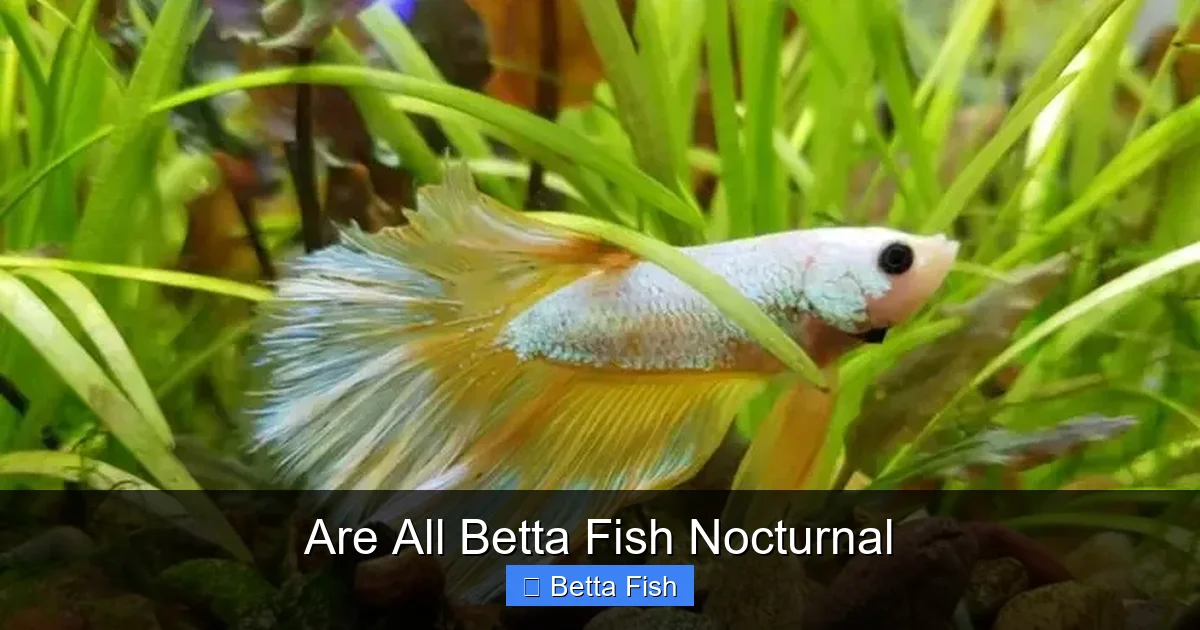
Betta fish are native to the shallow, slow‑moving waters of Thailand, Myanmar, and surrounding regions. These habitats experience strong seasonal changes in light, temperature, and water flow.
Visual guide about Are All Betta Fish Nocturnal
Image source: bettafishworld.com
During the rainy season, the canopy opens, flooding the forest floor with dappled light. In the dry season, thick vegetation creates dimmer conditions. This variability means wild bettas have learned to be flexible—active when food appears, regardless of the hour.
Implications for captive bettas
When you keep a betta in a home aquarium, you replace a complex forest floor with a static tank. Without the natural light cues, the fish relies on the artificial cycle you provide. If you keep the lights on 24 hours, you may confuse its internal clock, leading to erratic behavior that looks “nocturnal” but is actually stress‑induced.
3. Are All Betta Fish Nocturnal? The Verdict
Scientific consensus
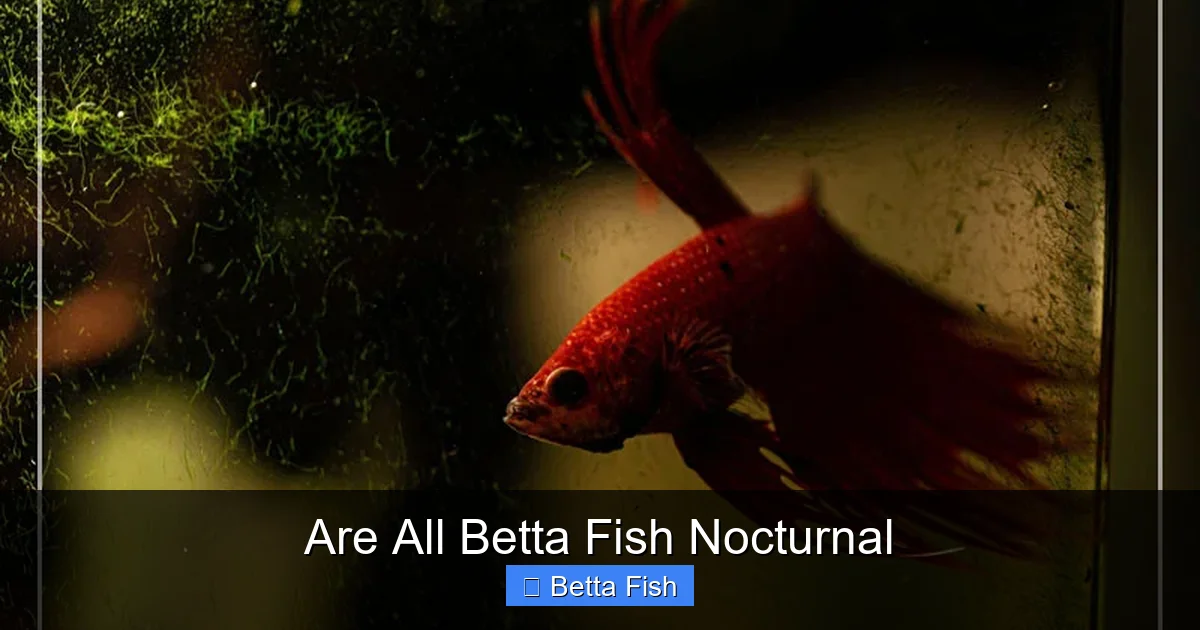
Most ichthyologists agree that bettas are not strictly nocturnal. They are best described as crepuscular—most active at low‑light periods (dawn and dusk) and still moving during the day. A small portion of the population shows heightened night activity, especially when food is offered after dark.
Visual guide about Are All Betta Fish Nocturnal
Image source: smartaquariumguide.com
Individual differences
Just like people, bettas have personalities. Some males may flare and explore more at night, while others prefer daytime. Factors that shape these differences include:
- Genetics (different strains show varying activity levels)
- Age (younger bettas tend to be more energetic)
- Sex (males often patrol territories more aggressively, which can happen at any hour)
- Tank environment (presence of plants, caves, and flow)
Practical takeaway
Don’t assume every betta will hide when the lights go off. Observe your fish for at least a week, noting when it swims, feeds, and rests. Use that data to shape your lighting and feeding schedule.
4. Setting Up a Proper Light Cycle
Why a consistent cycle matters
Betta fish rely on light cues to regulate hormones that control color, breeding readiness, and stress response. Inconsistent lighting can cause cortisol spikes, leading to faded fins and a weakened immune system.
Recommended schedule
A good starting point is 10‑12 hours of gentle LED light, followed by 12‑14 hours of darkness. Use a timer to avoid accidental “on‑off” flickering, which can be stressful.
Choosing the right bulbs
- Full‑spectrum LEDs: Mimic natural sunlight, enhancing the betta’s vivid colors.
- Moonlight LEDs: Provide a dim blue glow for night viewing without disrupting the fish’s rest.
- Avoid harsh fluorescents: They can cause rapid eye movement and stress.
Linking to related content
For a deeper dive into lighting basics, see our guide Are Betta Fish Nocturnal, which explains how light affects behavior across species.
5. Feeding Strategies Aligned with Activity
When to feed
Since bettas are most active at dawn and dusk, feeding during these windows works best. Offer a small portion (no more than 2‑3 pellets) 5‑10 minutes after the lights turn on and again just before they go off.
Types of food
- High‑protein pellets: Provide essential amino acids for muscle and fin health.
- Frozen or live brine shrimp: Great for stimulating natural hunting instincts during night‑time feeding.
- Vegetable flakes: Offer occasional plant matter to mimic wild diet.
Tips to avoid over‑feeding
Betta stomachs are tiny—over‑feeding leads to constipation and cloudy water. Use a feeding cup to measure portions, and remove uneaten food after 5 minutes.
6. Tank Décor That Supports Natural Rhythms
Creating hiding spots
In the wild, bettas hide among leaf litter and roots. In a tank, provide caves, driftwood, or thick leaf‑style plants. These shelters let the fish retreat when it wants rest, whether that’s during the day or night.
Flow and water movement
Gentle surface agitation mimics the slow streams of their native habitats. Too strong a current can force the betta to expend energy constantly, making it appear more “nocturnal” as it seeks calm corners.
Live plants and natural lighting
Live plants like Java fern or Anubias not only improve water quality but also diffuse light, creating the dappled effect bettas love. For more plant ideas, read Which Live Plants Are Good For Betta Fish.
7. Recognizing When Something’s Wrong
Signs of disrupted cycles
If your betta is constantly hiding, losing color, or showing erratic swimming, its circadian rhythm may be off. Look for these red flags:
- Faded or torn fins
- Lethargy during both light and dark periods
- Frequent surface gulping (possible oxygen stress)
- Excessive night‑time flaring without a clear trigger
Linking to health resources
Sudden changes in behavior can signal disease. Our article Why Did My Betta Fish Die All Of A Sudden outlines common pitfalls and how to act quickly.
Conclusion: Tailoring Care to Your Betta’s Rhythm
So, are all betta fish nocturnal? The short answer is no—they are mainly crepuscular with flexible day‑night habits. By observing your fish, providing a consistent light cycle, feeding at natural active times, and furnishing the tank with proper hideaways, you’ll align your betta’s environment with its innate rhythm. The result? A vibrant, confident swimmer who shows off those spectacular fins at the right moments, whether the sun is shining or the moon is full.
Remember, each betta is unique. Use the guidelines here as a foundation, then fine‑tune based on what you see in your own aquarium. A happy betta not only looks beautiful but also lives a longer, healthier life.
Frequently Asked Questions
Do betta fish sleep?
Yes. Betta fish rest by hovering near the bottom or hiding in plants. Their “sleep” is a low‑activity state, not a deep shut‑eye like mammals.
Can I keep a betta in a fully lit tank 24/7?
Continuous light can stress bettas, weaken their colors, and disrupt their natural cycles. Use a timer to give them at least 10‑12 hours of darkness each night.
Why does my betta flare at night?
Night‑time flaring often signals excitement or a perceived threat, such as sudden movement outside the tank. It can also be a response to hunger if you feed only during the day.
Should I feed my betta after the lights go off?
Feeding a small portion of live or frozen food after lights off can mimic natural dusk hunting and keep a night‑active betta satisfied.
Do female bettas have the same activity pattern as males?
Generally, yes. Both sexes show crepuscular peaks, though males may be more territorial and thus more visibly active at any hour.
How can I tell if my betta’s activity is a sign of illness?
Watch for loss of color, frayed fins, or constant hiding. If these appear alongside abnormal night activity, check water parameters and consider a health check.

